- Canucks Fans Believed a Storybook Ending Was About to Unfold
- Then Everything for the Canucks Fell Apart
- Suddenly, Vancouver Became Someplace Unthinkable
- When the Sun Rose in Vancouver, a Different City Emerged
- What Canucks Fans Should Remember from the 2011 Riots
- The Stanley Cup Was Lost. But Something Else Showed Up.
Even from miles away, you could feel it. The buildup, the buzz, the belief—it was everywhere. You didn’t need to be in downtown Vancouver to get swept up in it. The city looked electric on TV: packed streets, people draped in Vancouver Canucks jerseys, faces painted, flags flying.
It wasn’t just about hockey. It felt like everyone was holding their breath together—across the province, across the entire country. Whether you were in a bar, on a couch, at a watch party with friends, or just pacing your apartment alone, it felt like something unforgettable was about to happen.
Canucks Fans Believed a Storybook Ending Was About to Unfold
Game 7 of the 2011 Stanley Cup Final was on home ice against the Boston Bruins. The Cup was on the line. It was a rare feeling in Vancouver, and it felt like the city was ready. You could see it on people’s faces—even through a screen. Hope, nerves, belief. Total strangers high-fiving in the streets. Families crowded around TVs. Messages flying back and forth: “This is the year.”
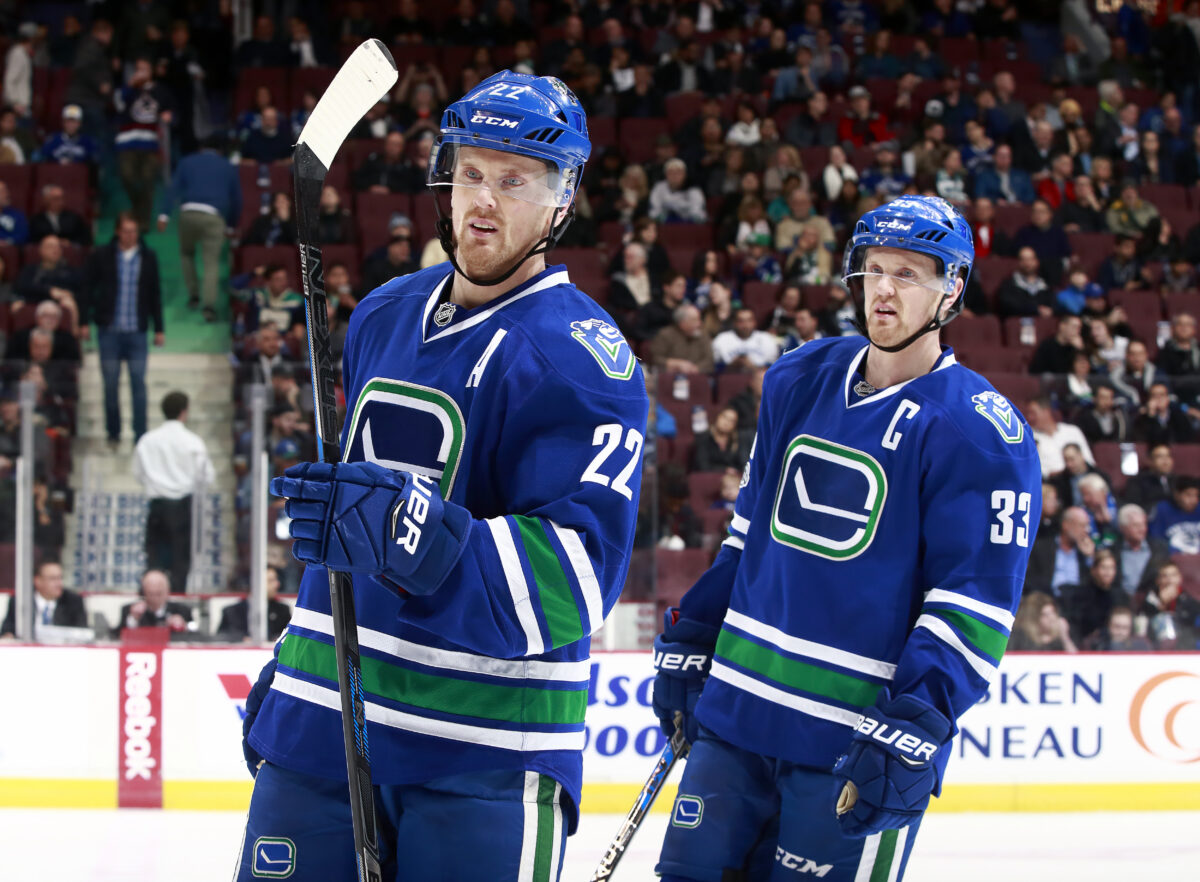
You didn’t need to be physically present at the game to feel like you were part of it. And for a while, it looked like the whole city—the whole country—was going to celebrate together.
Then Everything for the Canucks Fell Apart
The facts are simple. The Canucks lost Game 7, 4–0. The loss was a devastating end to a hard-fought series. Despite having won all three previous home games in the series, the Canucks were overwhelmed by Boston’s physical play and goaltending. Bruins netminder Tim Thomas was outstanding, earning a shutout and the Conn Smythe Trophy as playoff MVP. Canucks goalie Roberto Luongo made 17 saves on 20 shots.
Slowly, on the ice, it began to slip. Missed chances. Unlucky bounces. The Bruins took control. You could feel the tension rising, even through the television. People started going quiet. When the final buzzer sounded, it just… hurt. Not much was said. Nobody wanted to talk about it. Fans were gutted. You could see it in the crowd shots—people frozen in place, heads in their hands.
Suddenly, Vancouver Became Someplace Unthinkable
But what came next was something else entirely. That excited energy began turning into something else. The emotional fallout led to something Vancouver had never seen before. At first, it looked like frustration spilling over—shouting, some pushing, maybe a bottle thrown. Then it escalated. A broken window. Then another. And suddenly, downtown Vancouver was full-on chaos. Fires. Smoke. Sirens. Cars flipped. Storefronts smashed.
For those of us watching from outside the city, it felt unreal. Like the place we’d just watched cheering in unity was now completely coming apart. It was hard to make sense of. If you’ve ever lived in Vancouver—or even just visited—you probably had the same thought: This isn’t who we are.
It wasn’t just about a lost hockey game anymore. Something else had cracked open. The kind of hurt that doesn’t always have words behind it. While cameras zoomed in on the worst moments, all we could do was sit there and watch it happen—one of the most beautiful cities in the world, in one of its ugliest hours.
When the Sun Rose in Vancouver, a Different City Emerged
Then slowly, the tide turned again. People started showing up. Not just to watch, not just to film—but to help. They brought brooms, trash bags, and gloves. They swept broken glass off the sidewalks. Scrubbed walls. Boarded up what they could. Store owners, volunteers, strangers—all pitched in, side by side. Handwritten notes started appearing on the plywood: “We’re sorry.” “We love this city.” Flowers were laid next to burnt-out storefronts—hugs between strangers.
We watched it all from afar, and honestly? That part hit just as hard as the loss.
What Canucks Fans Should Remember from the 2011 Riots
The infamous 2011 post-Stanley Cup Game 7 riot was ugly. There’s no sugarcoating that. But that’s not the part that should stick the most. What has stayed with a lot of us is what came after. The cleanup. The quiet kindness. The way everyday people showed up, without being asked, to put their city back together. No speeches. No headlines. Just regular people doing the work. That’s what defined Vancouver in the end. Not the broken windows, but the people who came to fix them.
The Stanley Cup Was Lost. But Something Else Showed Up.
Vancouver learned a lot that night. So did the rest of us. Police and planners adjusted their approach to handling momentous events. But maybe the bigger lesson wasn’t about logistics—it was about character.
Even when things fall apart—even when the worst version of us shows up—it’s never the whole story. There’s always a chance to rebuild. Not just the buildings, but the spirit as well. And that, more than anything, is what Canucks fans should remember.
[Note: I’d like to thank Brent Bradford (PhD) for his help co-authoring this post. His profile can be found at www.linkedin.com/in/brent-bradford-phd-3a10022a9]
Free Newsletter
Get Canucks History coverage delivered to your inbox
In-depth analysis, breaking news, and insider takes - free.
Subscribe Free →