The St. Louis Blues didn’t just receive calls about Robert Thomas at the trade deadline; they fielded a legitimate push that tested how highly they value their top-line center moving forward.
According to league sources cited by Michael Russo of The Athletic, the Minnesota Wild made a pitch for Thomas ahead of the deadline, putting together a package that included top goaltending prospect Jesper Wallstedt and forward Danila Yurov (from ‘Wild GM Bill Guerin’s summer to-do list: Pursue No. 1 center, decide on UFAs, extend Quinn Hughes’, The Athletic, May 15, 2026). St. Louis ultimately declined the offer, and it wasn’t a soft pass either. It was a real conversation built around real assets. And the fact that the Blues still said no speaks to the level of return they would require to even consider moving a player of Thomas’ importance.
Wild’s Aggressive Swing
From Minnesota’s side, the interest is easy to understand. The Wild have been searching for a true high-end center for years, and Thomas fits the profile almost perfectly.
He’s a right-shot center, he produces offense at a high level, and he brings strong reliability in the faceoff circle. Those traits are extremely difficult to find in a single player, which is why Minnesota was willing to include both Wallstedt and Yurov in the discussion.
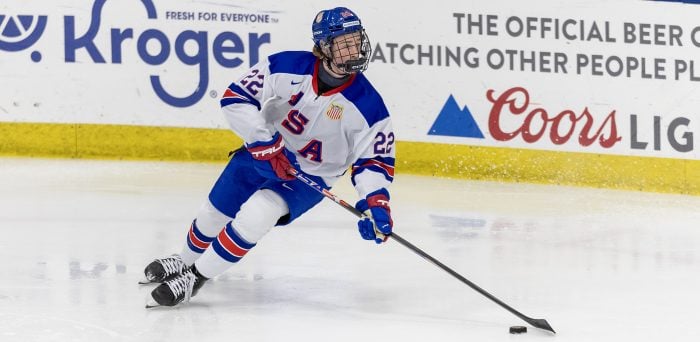
Wallstedt remains one of the most intriguing young goaltenders in the league pipeline, while Yurov projects as a skilled offensive forward with top-six potential. Together, it’s the type of package that normally gets serious traction in trade talks.
But Thomas is not a normal target.
Why Blues Held Firm
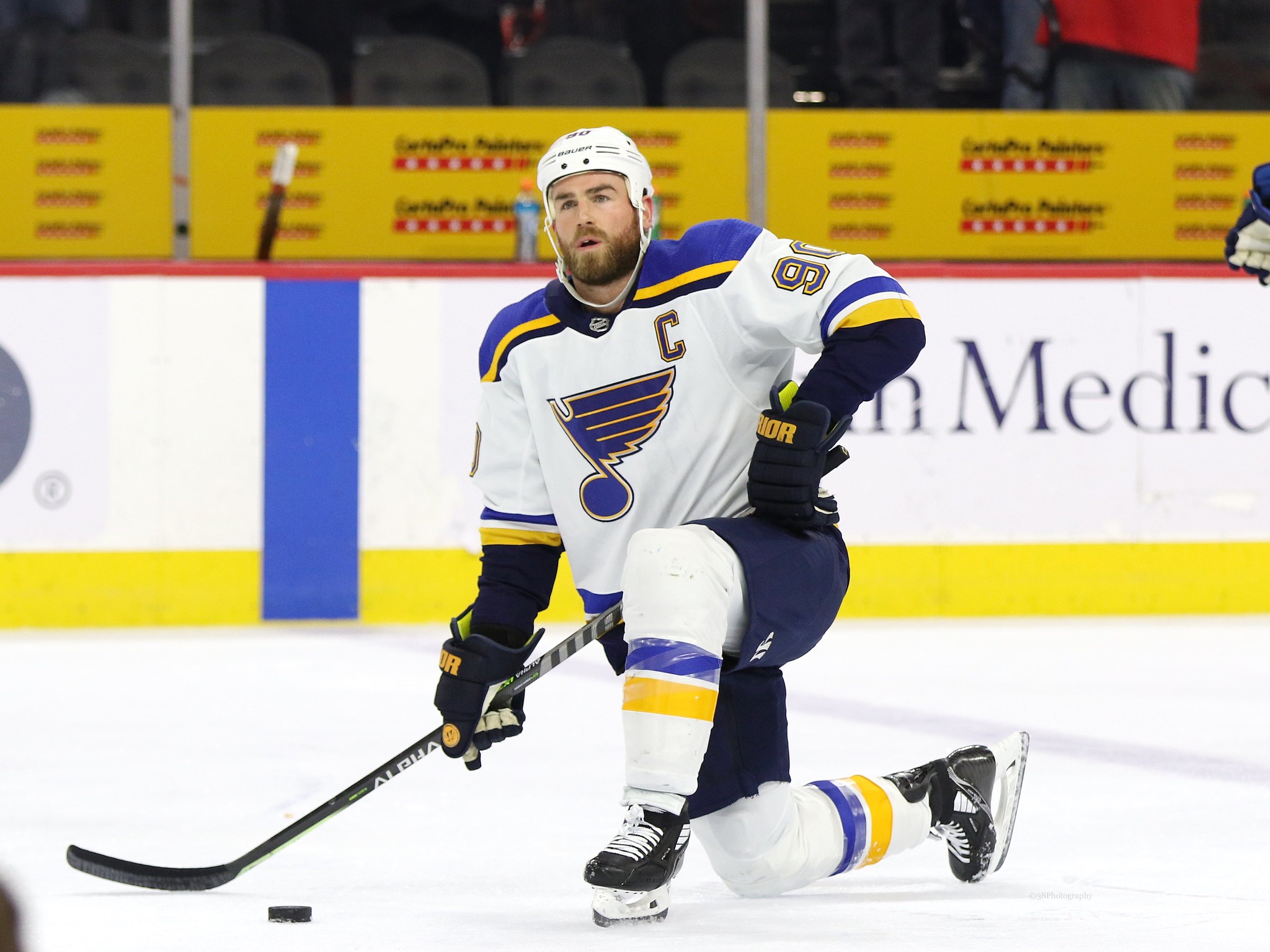
At 26, Thomas is already established as a true top-line center and one of the most important players in the Blues’ core. He drives offense, plays in all situations, and remains under one of the more team-friendly contracts for a player at his position.
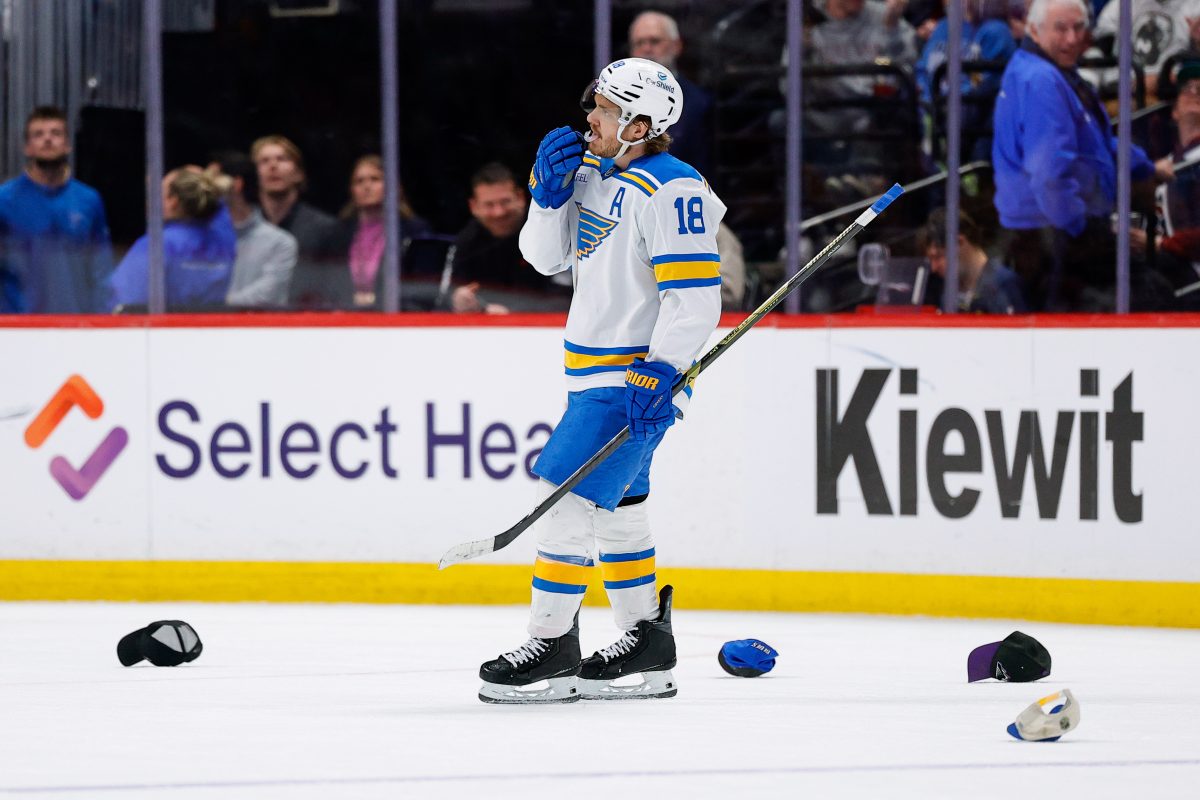
From St. Louis’ perspective, the Minnesota offer had real value, but it just didn’t fulfill what the organization is looking for.
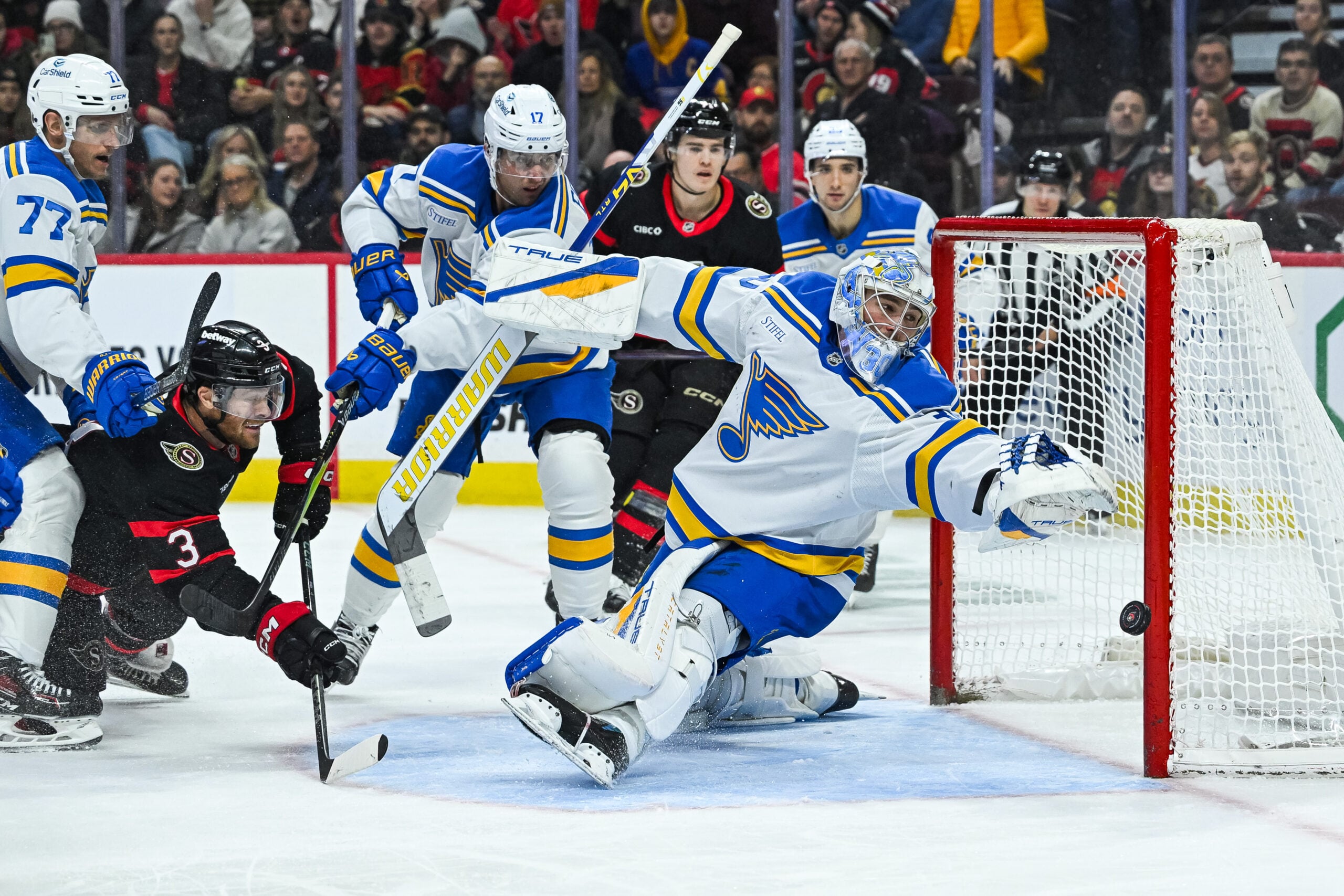
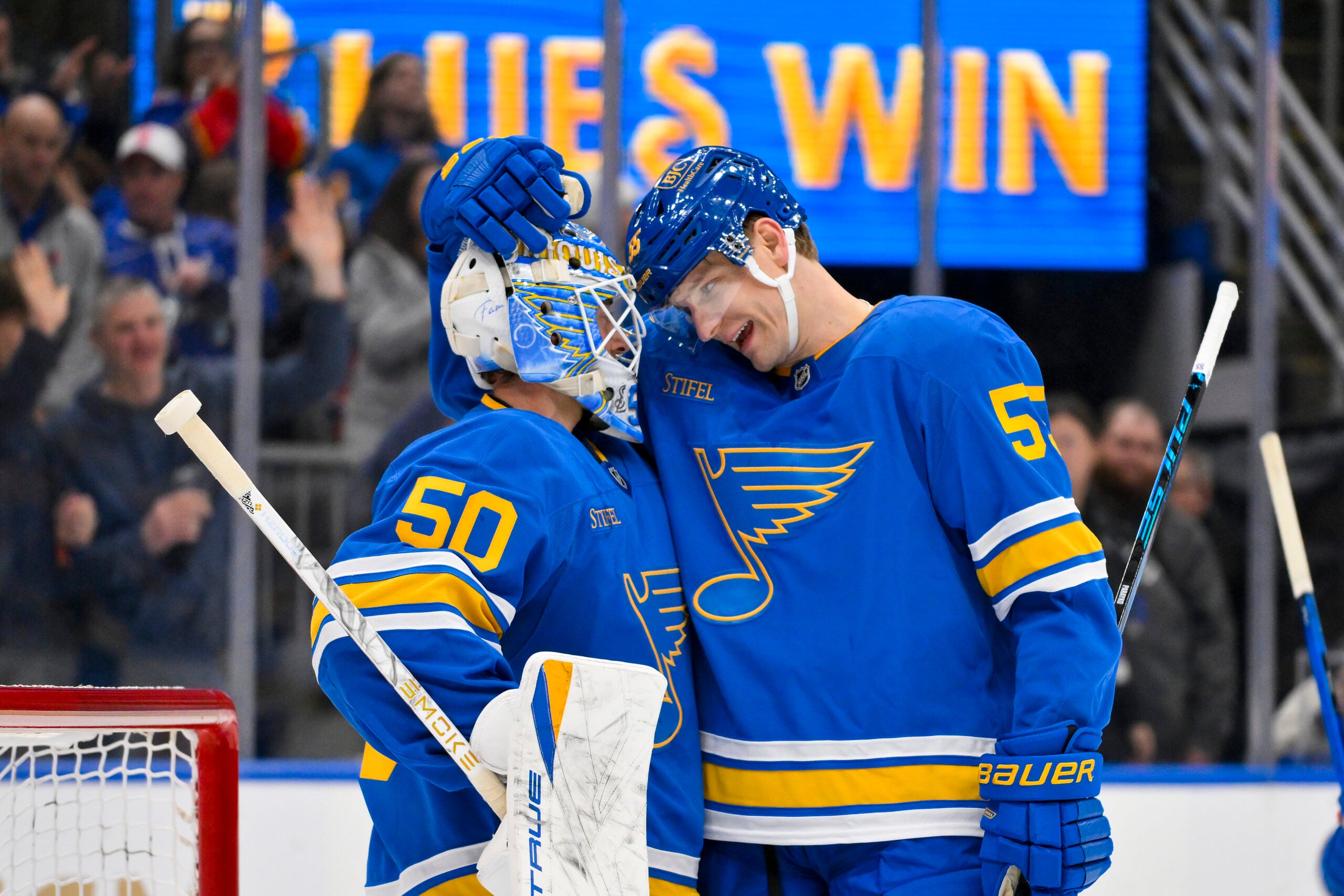
The Blues have leaned more on Joel Hofer at the NHL level, with the young goaltender taking on a larger share of the starts, while Jordan Binnington remains an important presence in the organization because of his veteran experience and history with the Blues. That mix gives St. Louis a blend of youth and experience in net, which adds a layer of stability and makes it easier to resist moving Thomas for future-focused pieces.
In that context, even a strong package built around Wallstedt and Yurov represented more projection than immediate impact. Both players carry significant upside, but St. Louis is not in a position where trading a proven top-line center makes sense unless the return meaningfully strengthens the roster right away.
Thomas also plays a central role in the team’s identity and leadership structure, particularly as a driver at even strength and on the power play. Even with a compelling offer on the table, the Blues ultimately did not see a package that matched his current impact or his long-term value under a cost-controlled contract.
The Steen Factor and What Comes Next
One wrinkle in all of this is the timing inside the Blues organization. With Alexander Steen set to take over as general manager (GM) from Doug Armstrong on July 1, the front office is entering a transition period.
That shift doesn’t guarantee roster changes, but it does open the door for reevaluation of core pieces. And players like Thomas will naturally sit at the center of those discussions.
On the Minnesota side, there’s also a familiar connection that could matter long term. Thomas is part of a group of players with ties to Quinn Hughes, and that kind of relationship network is something teams around the league quietly pay attention to when projecting future roster moves and long-term fits.
Expect the Wild to Circle Back
Even though the Blues turned down the offer, this situation feels far from finished.
Minnesota’s need at center hasn’t changed, and aggressive front offices rarely walk away after one failed attempt when the target is a player of this caliber. If anything, this kind of rejection usually clarifies the price rather than ending the conversation.
The Wild now have a clearer idea of what St. Louis is willing to entertain, and it would not be surprising to see them revisit talks with a stronger package this summer.
Bottom Line
The Blues didn’t move Thomas, and they didn’t come close unless the return matched a very high internal bar. Minnesota made a real push built around premium young assets, but St. Louis valued their center more than what was offered.
And unless that changes, this is likely to remain one of the more interesting name-to-watch situations heading into the offseason.
Free Newsletter
Get St Louis Blues coverage delivered to your inbox
In-depth analysis, breaking news, and insider takes - free.
Subscribe Free →