The Toronto Maple Leafs are into one of the more fascinating offseasons they’ve had in years. After another disappointing season that never found consistency, the organization now faces difficult questions about what kind of team it wants to become. New management is expected to reshape the roster, veterans are being evaluated, and younger players are pushing for bigger opportunities.
At the same time, there are still reasons for optimism around the organization. Beneath the frustration of another uneven season, the Maple Leafs saw strong development from younger players, bounce-back seasons from veterans, and a different season from Auston Matthews. For Toronto, a few insights help paint a clearer picture of where this team might be headed. Here are three.
Oliver Ekman-Larsson’s Emotional Season With the Maple Leafs
Oliver Ekman-Larsson became one of the Maple Leafs’ steadiest defensemen last season, even while dealing with uncertainty off the ice. The veteran blueliner posted 38 points in 78 games, his best offense since his prime seasons with the Arizona Coyotes, and often looked calmer defensively than many players around him. But as the team became sellers at the trade deadline, Ekman-Larsson found himself at the center of speculation about whether Toronto might move him.

(Dan Hamilton-Imagn Images)
What made the situation especially difficult was the timing. Ekman-Larsson revealed this week that his wife was expecting a baby just two weeks after the trade deadline. He admitted the experience felt different from previous trades or even being bought out earlier in his career because this time it involved far more than hockey. For a player trying to live through a chaotic season, the possibility of uprooting his family during such a major personal moment clearly weighed heavily on him.
Now facing another uncertain offseason, Ekman-Larsson says he hopes to stay in Toronto despite the organization’s expected summer retool under new leadership. At this stage of his career, the 34-year-old seems less focused on proving himself and more focused on stability. After rebuilding his reputation with the Maple Leafs last season, he would like the chance to keep building on that success in Toronto rather than start over somewhere else again.
Toronto Maple Leafs Outperform Rivals at the NHL Draft
One area where the Maple Leafs deserve more credit is drafting and player development. We regularly read about the team’s weak pipeline, but that’s due to trading away good prospects rather than poor drafting practices. Despite years of trading away high draft picks in pursuit of playoff success, Toronto has managed to develop a steady stream of NHL talent. Compared to several Atlantic Division rivals, the Maple Leafs’ recent drafting record actually looks extremely strong.
(John E. Sokolowski-Imagn Images)
Since 2021, the Maple Leafs have seen drafted players like Matthew Knies, Fraser Minten, Dennis Hildeby, Nikita Grebenkin, and Easton Cowan reach the NHL or become regular contributors. What makes that impressive is that Toronto has rarely drafted near the top of the board. The organization has consistently picked late because of regular-season success while also moving picks in trades for immediate roster help.
Meanwhile, division rivals like the Montreal Canadiens, Boston Bruins, and Ottawa Senators have not necessarily produced dramatically better results despite often having higher selections. Toronto’s scouting staff has done an excellent job finding value deeper in drafts, particularly with players like Knies and Grebenkin (who was traded to the Philadelphia Flyers in the Scott Laughton trade). Add Cowan’s development to the mix, and the Maple Leafs look like a team with a much healthier prospect pipeline than many critics admit.
Auston Matthews Deserves More Credit for His Willingness to Play Hard
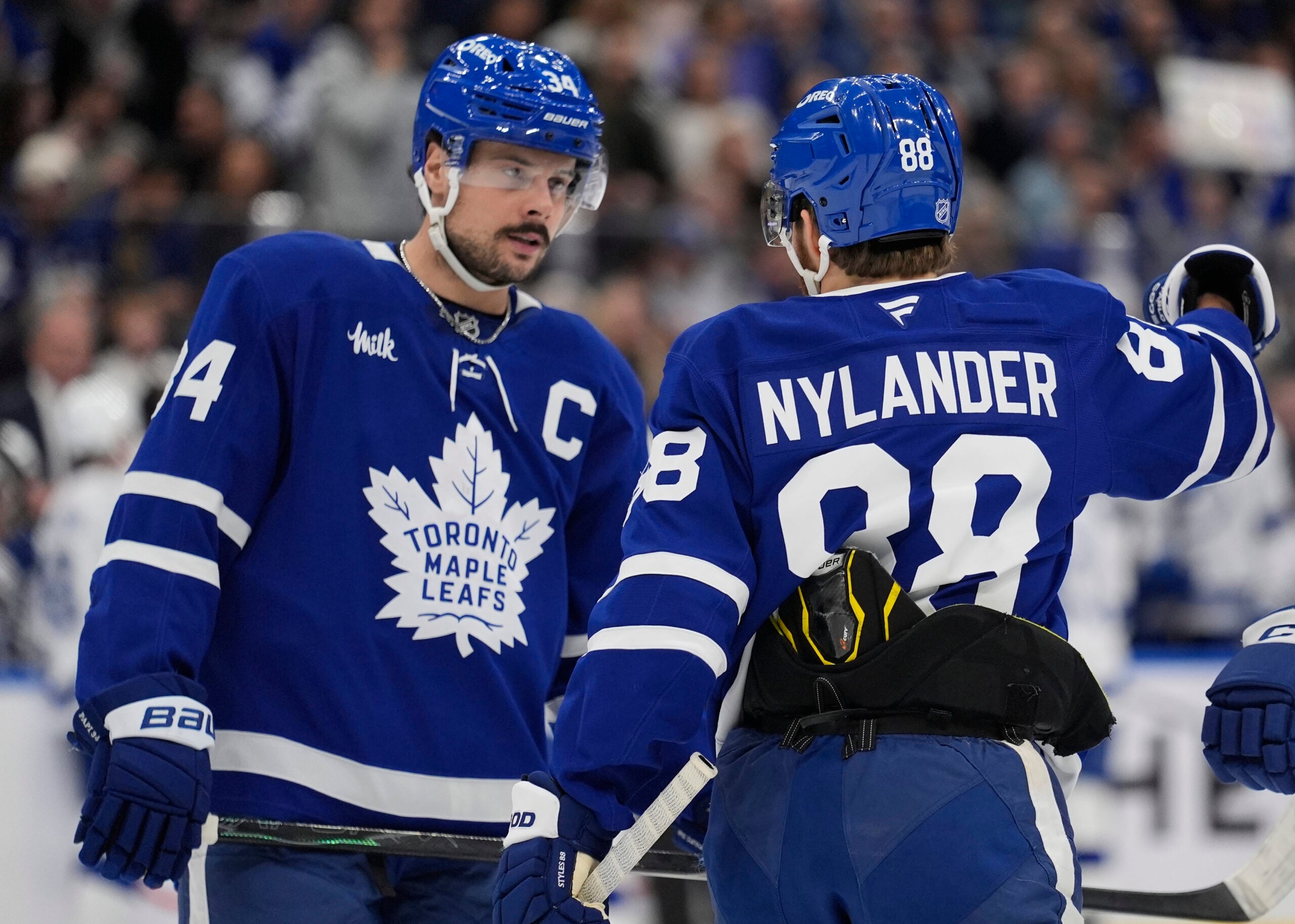
For years, one of the most common criticisms of Auston Matthews was that he was primarily an offensive superstar. The focus always stayed on the goals, the shot, and the scoring records. But one statistic from last season shows how much Matthews is both a more complete player than critics think and plays with far more courage on the ice than critics give him credit for.
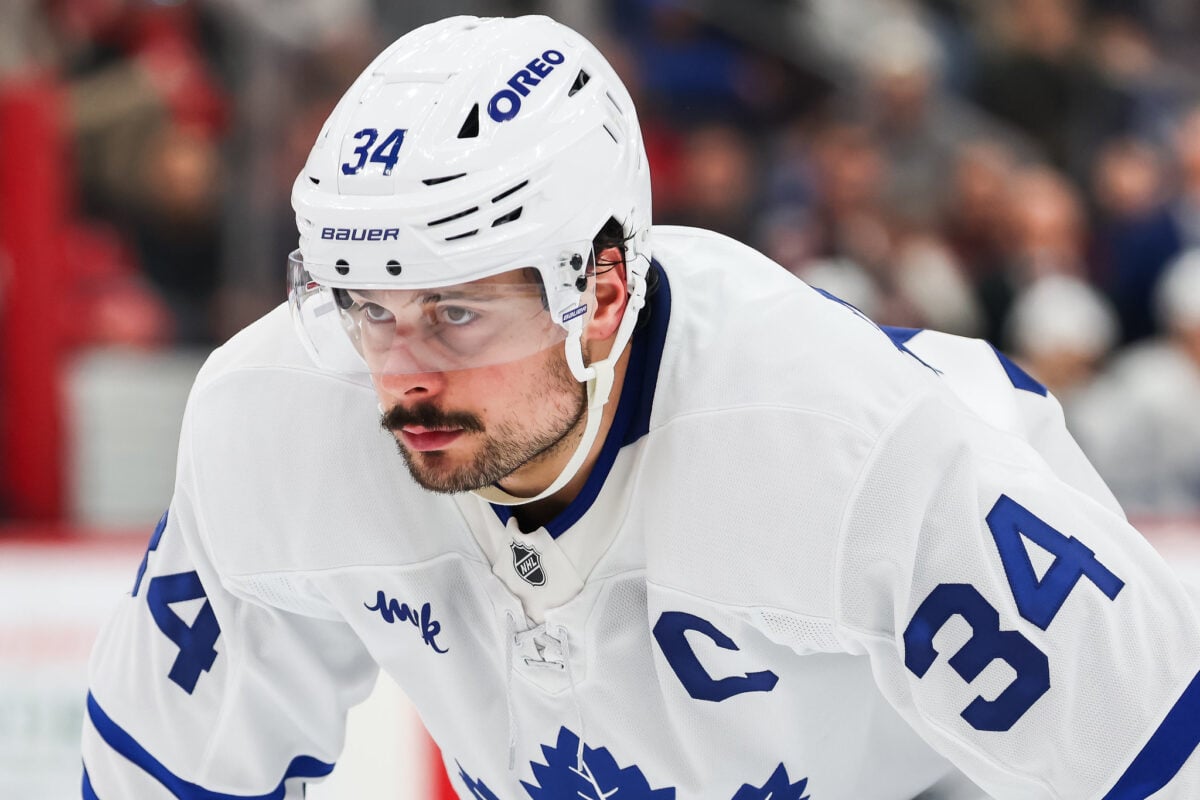
The numbers don’t lie. Even being out for a significant time with injury, Matthews finished in the top four NHL forwards in total shot blocks and was third among forwards in blocked shots per game during the 2025-26 season. That is not a category usually associated with elite offensive players. Blocking shots requires positioning, awareness, and a willingness to absorb punishment physically. Matthews recorded 89 blocked shots in just 67 games, putting him alongside players more commonly praised for grit and defensive sacrifice than elite offence.
Top Four NHL Forwards in Blocked Shots Per Game (2025-26 Regular Season)
| Rank | Player | Blocks | Games | Blocks/Game |
|---|---|---|---|---|
| 1 | Alex Tuch | 113 | 82 | 1.378 |
| 2 | Brandon Tanev | 105 | 79 | 1.329 |
| 3 | Auston Matthews | 89 | 67 | 1.328 |
| 4 | Noel Acciari | 100 | 79 | 1.266 |
Takeaway: Matthews, sitting right near the top of this list, challenges the idea that he only plays around the edges as an offensive player. His defensive engagement shows up in his habits.
The point is that Matthews continues becoming one of the NHL’s best all-around forwards, not just one of its best scorers. To me, it suggests that he played the game his coaches asked him to. He puts his body in difficult defensive situations, competes away from the puck, gets into shooting lanes, and handles tough assignments. He may never shake the old narratives surrounding his game, but the numbers show he is an on-ice leader for his team.
What’s Next for the Maple Leafs?
The Maple Leafs stand at a fascinating crossroads right now, and the biggest question facing management may not actually be about one specific trade. It may come down to how the organization truly views last season internally. If management believes the coaching staff did its job and the players simply failed to execute, then the conclusion becomes obvious: the roster itself needs major changes. In that case, Toronto must be aggressive this summer because the problems would stem from the team’s makeup.
But if the Maple Leafs believe coaching, structure, or team culture played a major role in the team’s lack of success, the situation becomes more complicated. Suddenly, tearing the roster apart becomes risky because the team may actually be better than it looked last season. That uncertainty might explain why this offseason feels less straightforward than many fans expected.
The team clearly needs upgrades, but how aggressively they pursue them may ultimately depend on one internal decision: whether they think last season was mostly the players’ fault or whether the environment around them failed. In simple terms, my Dad used to tell me, “Watch and see.”
Free Newsletter
Get Toronto Maple Leafs coverage delivered to your inbox
In-depth analysis, breaking news, and insider takes - free.
Subscribe Free →