One of the interesting things about watching a new general manager take over an NHL organization is that we often learn more from what he does than from what he says. Every executive has a vision statement. Every new hire talks about culture, commitment, and building something sustainable.
Those words are important, but they are also easy to say. The harder question is this: What do a person’s decisions reveal about what they truly value?
There is an old saying that has always stayed with me: Who you are is what you do. We cannot know everything about John Chayka. We do not know his private thoughts, his personal motivations, or exactly how he sees the future of the Toronto Maple Leafs.
But we can look at the pattern. And so far, that pattern tells an interesting story.
What Has Chayka Done Since He Became the Maple Leafs General Manager?
When Chayka arrived in Toronto, he did not simply make a few roster adjustments and wait to see what happened. He began reshaping the organization from the inside out. Management changed. The coaching staff changed. The roster changed. And the development philosophy changed.
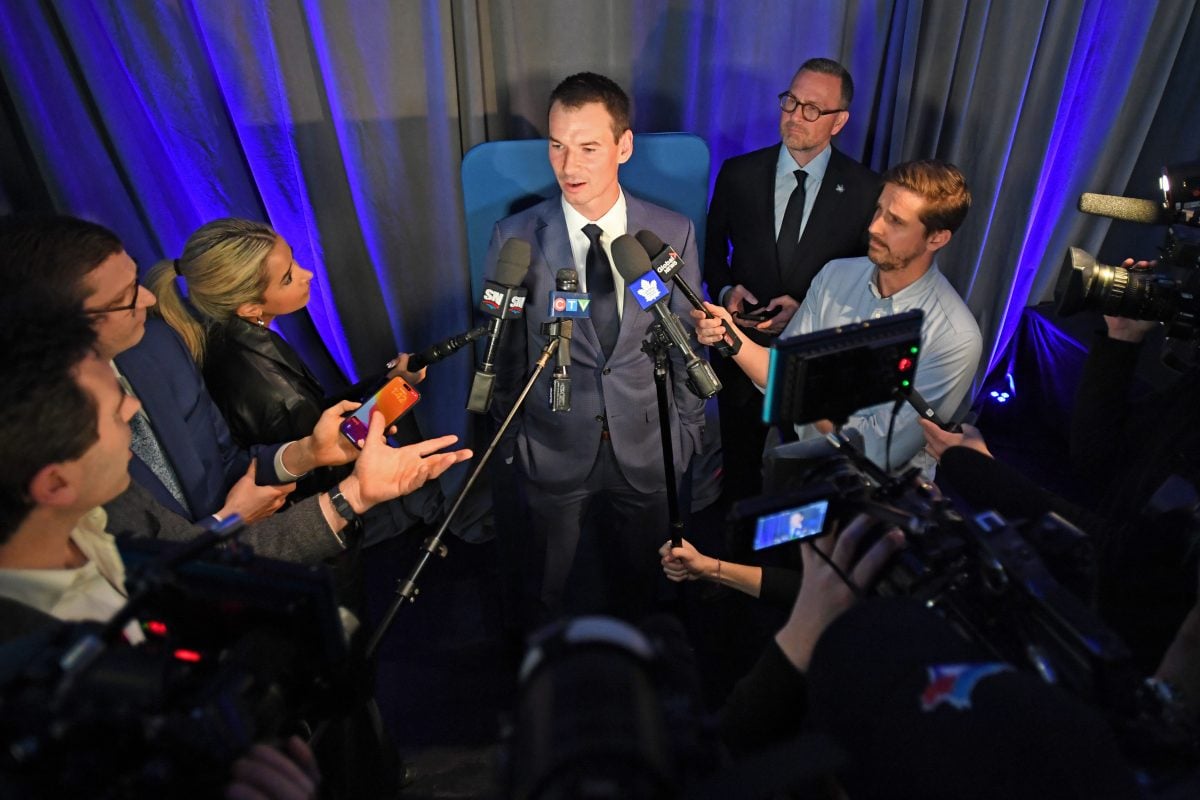
That suggests something important: Chayka appears to believe organizations do not improve by fixing one piece. They improve when all the pieces begin moving in the same direction. That is a very different approach than simply chasing the biggest available name.
Chayka Believes in Role Clarity
One of the strongest themes emerging from Chayka’s moves is the importance of role clarity. The Maple Leafs of recent years had plenty of talent. Nobody questioned the skill at the top of the lineup with players like Auston Matthews and William Nylander. But playoff hockey exposed something else: teams need players who understand exactly how they contribute when games become harder, tighter, and more physical.
Many of Chayka’s additions appear designed with that reality in mind. Players who kill penalties. Players who win faceoffs. Players who bring physical strength. Players who can handle difficult minutes and who make the team harder to play against.
That does not mean he has ignored skill. It means he seems to believe that a championship roster requires more than collecting talent. It requires building a structure where talent can succeed.
Chayka Values Player Development
Another value that stands out is development. Chayka inherited an organization with promising young players, including Easton Cowan and other prospects who represent the franchise’s next chapter. The decisions made around player development may ultimately tell us as much about his philosophy as any trade.
Great organizations do not simply acquire players. They help players become something more. That idea connects to leadership far beyond hockey. Good teachers, good coaches, and good managers all share a similar responsibility: they create environments where people can grow.
The question is not only, “What can this person do for us today?” The better question is, “What can this person become tomorrow?” That appears to be part of Chayka’s challenge in Toronto.
Chayka Is Building a Team for the Postseason
He is not just trying to build a better roster for October. He appears to be trying to build a team that can survive April. That requires different values. Regular-season success often rewards speed, skill, and offensive creativity. Playoff success demands resilience, adaptability, depth, and trust.
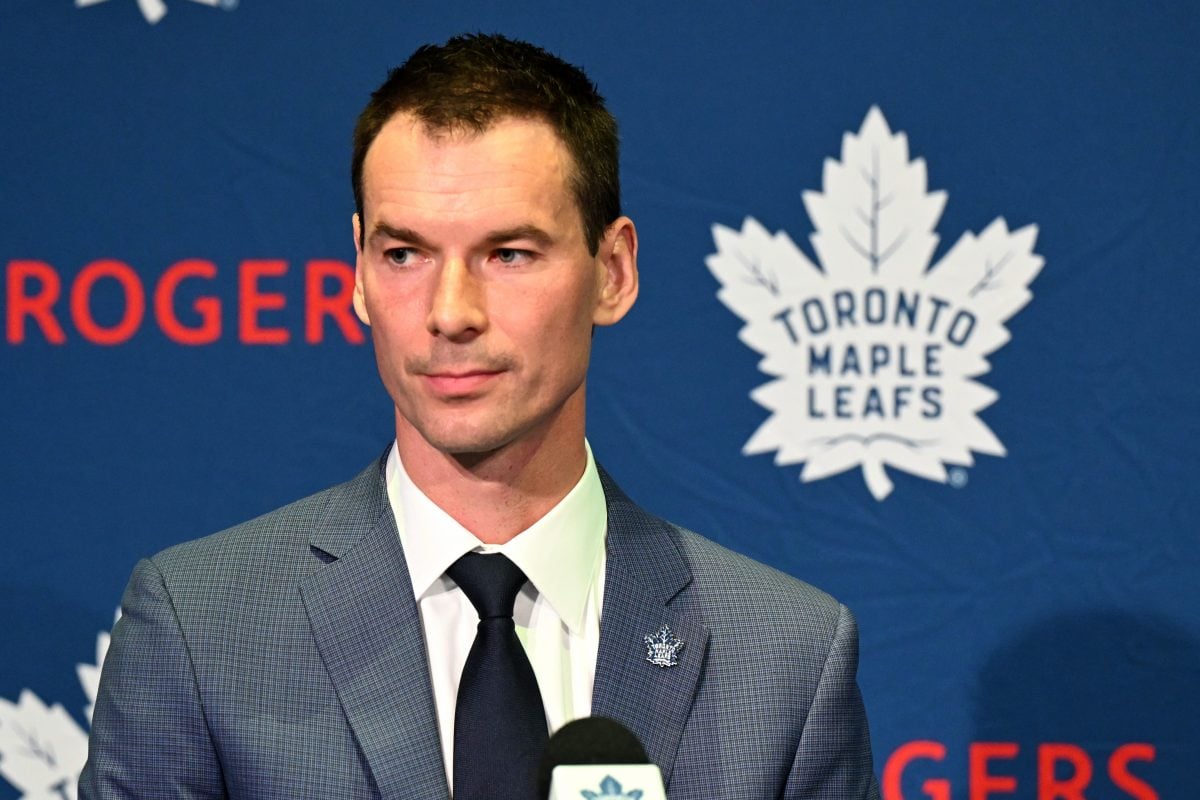
The real test of Chayka’s vision will come later. Every general manager looks smart in July. The standings and the playoffs eventually provide the only honest evaluation. But leadership is often revealed before results arrive. It is revealed through priorities and through choices. Chayka has built a team with the kind of depth needed for playoff hockey.
Chayka’s Vision Is Coming into Clearer Focus Through His Decisions
So far, the new Maple Leafs general manager has revealed what he values, and just as importantly, what he doesn’t. His Maple Leafs story is only beginning. We do not yet know where it will end. But we are beginning to see the values behind the decisions.
And if who you are is what you do, then John Chayka is already telling us what kind of organization he wants the Maple Leafs to become. Now the challenge is proving that vision can win.
Free Newsletter
Get Editor's Choice coverage delivered to your inbox
In-depth analysis, breaking news, and insider takes - free.
Subscribe Free →