The first real stretch of John Chayka’s tenure as Toronto Maple Leafs GM has already looked more like a roster teardown and rebuild than a typical July 1 reset. This isn’t a team tinkering around the edges. It’s a team changing its shape, its depth chart, and maybe even its identity all at once.
And now that the dust has settled on a chaotic opening wave of moves, two questions stand out more than the rest. One is about a player the team is betting can rediscover his game. The other is about a forward who may be talented enough to matter, but not clearly defined enough to know where he fits.
Nick Paul: A Bounce-Back Bet or a Role Too Far?
Nick Paul feels like one of those moves that quietly says a lot about how a front office sees the game. On the surface, it’s a simple depth addition. A big-bodied forward at 6-foot-4 and over 230 pounds, with some versatility and a track record as a “useful” scorer. But the team isn’t paying for “useful.” They’re paying for the version of Paul that existed a couple seasons ago. Then he looked like a legitimate middle-six piece in Tampa Bay. That’s the gamble.
Paul’s last season wasn’t great by any measure. His offence dried up, his ice time fell, and his role shrank in a way that usually raises eyebrows for a 31-year-old forward. He went from being a trusted 16–17 minute player to more of a 13-minute support player. He produced even less in the playoffs. The production followed the usage, and it wasn’t pretty.
But the Maple Leafs aren’t just looking at last season. They’re looking at what he did before that when he put up consecutive 20-goal seasons, strong two-way play, and enough versatility to move up and down a lineup without looking out of place. The secondary angle here is simple: Paul is a classic reclamation bet.
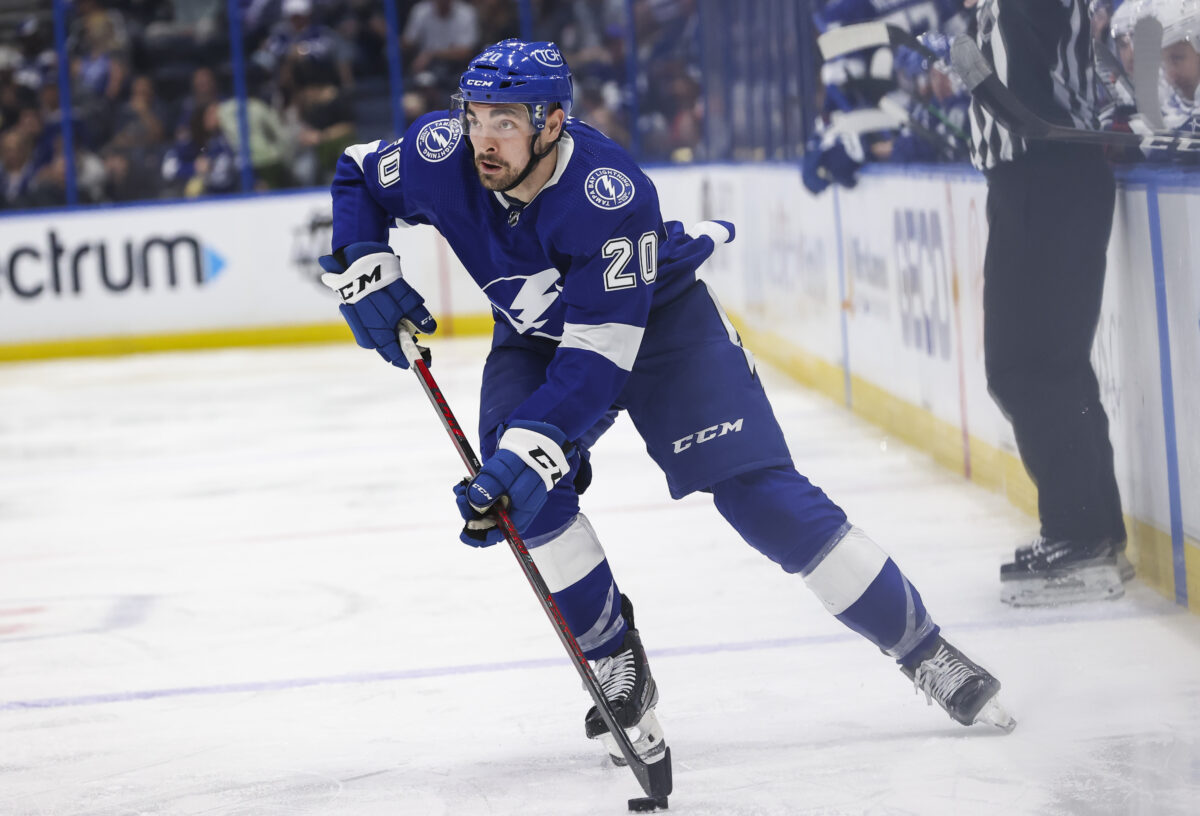
Chayka is banking on two things. First, that last season was impacted by injury and role instability. Second, that a change in environment and usage in Toronto can bring something closer to his earlier production to the surface.
There’s also an organizational need behind this move. The Maple Leafs have spent years trying to patch together reliable centre depth and matchup stability. Paul isn’t a perfect solution there, but he gives them another role player who can take faceoffs, handle defensive-zone starts, and survive tough minutes without getting overwhelmed.
If the decline is real and not situational, the Maple Leafs aren’t getting a middle-six forward. They’re getting a bottom-six player with a $3.15 million cap hit who will need more shelter than expected. This is a bet where the difference between “useful depth” and “overpaid support piece” might come down to 10–15 points over an entire season.
Jack Roslovic: The Swiss Army Knife Without a Defined Job
If Paul is a bounce-back bet, Jack Roslovic is something else entirely, a fit question. The team clearly likes the idea of him. He’s fast, can move through the middle of the ice, and brings some secondary scoring. He’s also one of those players who always seem to be doing more than their stat lines suggest.
But the problem is definition. Roslovic is not quite a centre, not quite a winger, not quite a top-six player, and not quite a bottom-six anchor. He’s a middle-of-the-lineup forward without a stable middle-of-the-lineup role. That’s what makes him interesting, but it also makes him risky.
The Maple Leafs are already trying to solve a number of structural issues: right-shot balance, secondary scoring, and who can play with Auston Matthews when the games tighten in the playoffs. Roslovic might be an answer to all of those questions, but not a clear solution to any of them.
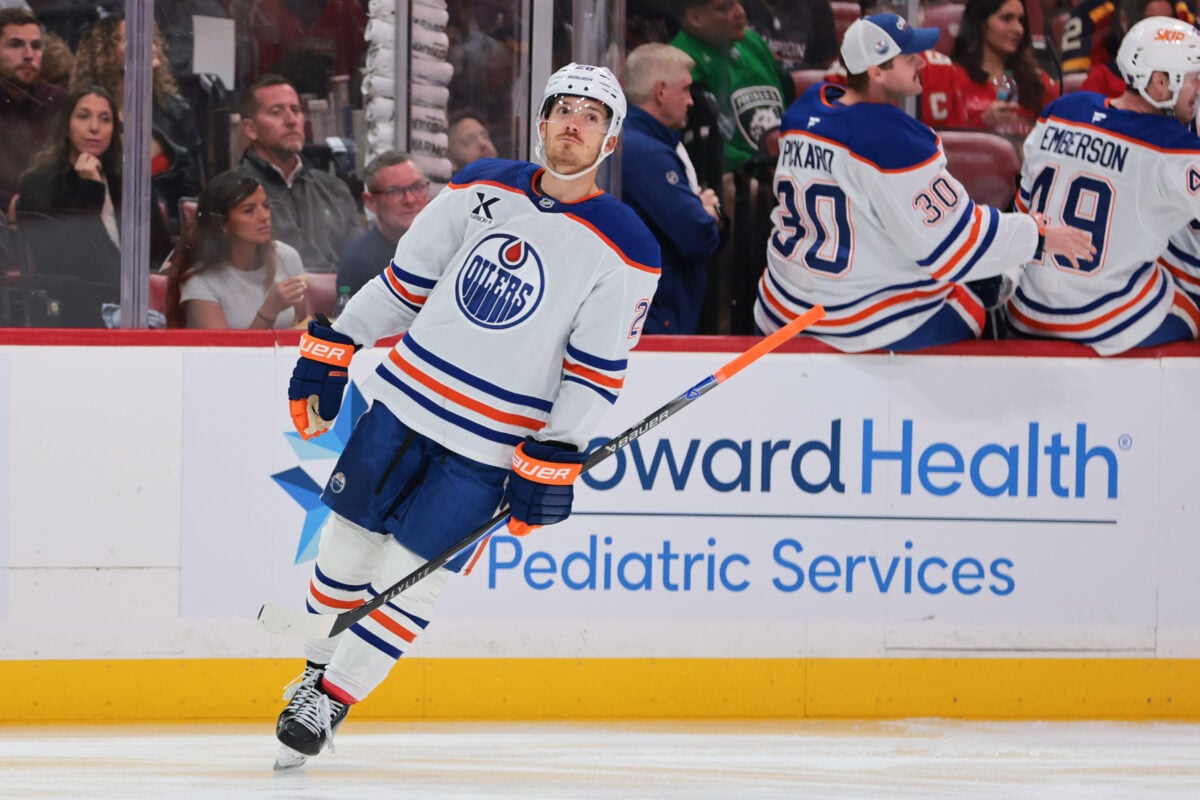
(Sam Navarro-Imagn Images)
He’s had stretches of 20-goal seasons, which matters. But he’s also been inconsistent in the playoffs, where his production has not translated at the same rate. That gap between regular-season usefulness and postseason impact is exactly the kind of thing contending teams tend to overestimate in July. In other words, he might be less of a solution and more of a placeholder who keeps the lineup functioning while bigger decisions get made.
What’s Next for the Maple Leafs
The early version of this roster looks faster, deeper, and more defensively aware than what the Leafs iced a season ago. That much is clear. The additions of Paul, Roslovic, Colton Sissons, Teddy Blueger, and Brandon Duhaime all point toward less reliance on top-end scoring depth and more emphasis on structure, matchup stability, and versatility.
But there’s still a big question hanging over everything: is this actually a better team, or just a different-looking one? The Maple Leafs still lean heavily on Matthews and William Nylander to drive offence. That hasn’t changed. What has changed is how the supporting cast is being constructed around them. There are more grinders, more defensive responsibility, more role clarity.
The success or failure of this approach may ultimately come down to two things. First, can players like Nick Paul rediscover form and become legitimate middle-six contributors again? Second, can players like Roslovic finally settle into defined roles rather than floating between them?
If those bets hit, the Maple Leafs suddenly look deeper than they have in years. If they miss, this becomes a team that looks busy in July but thin in April and May. Either way, one thing is already clear. This isn’t the same Leafs roster. And it’s not being built the same way either.
Free Newsletter
Get Toronto Maple Leafs coverage delivered to your inbox
In-depth analysis, breaking news, and insider takes - free.
Subscribe Free →