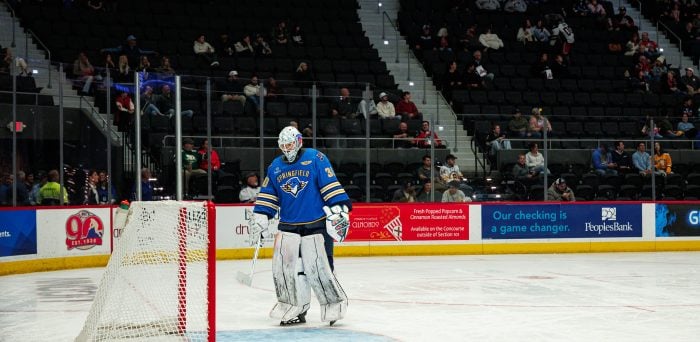
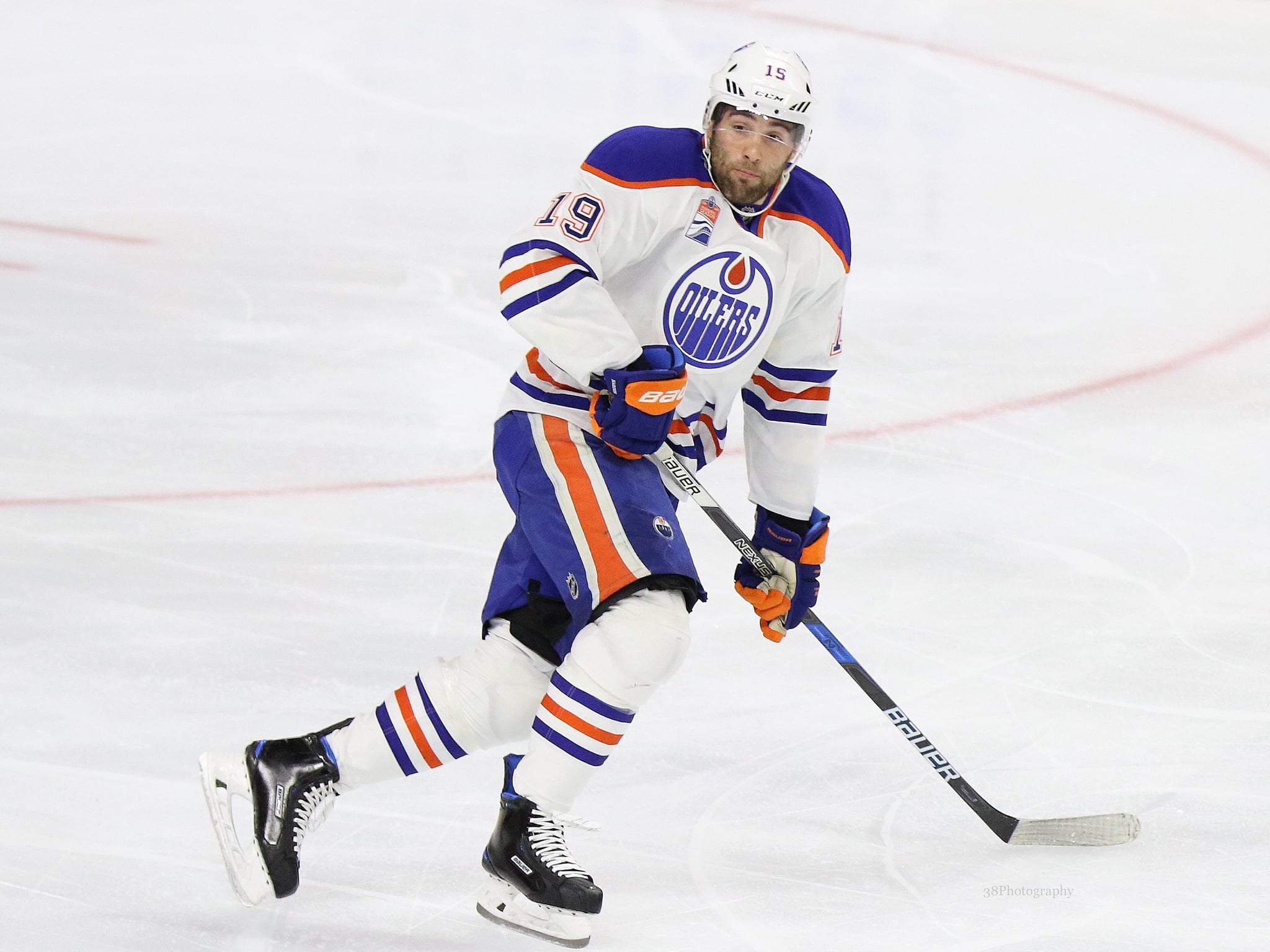
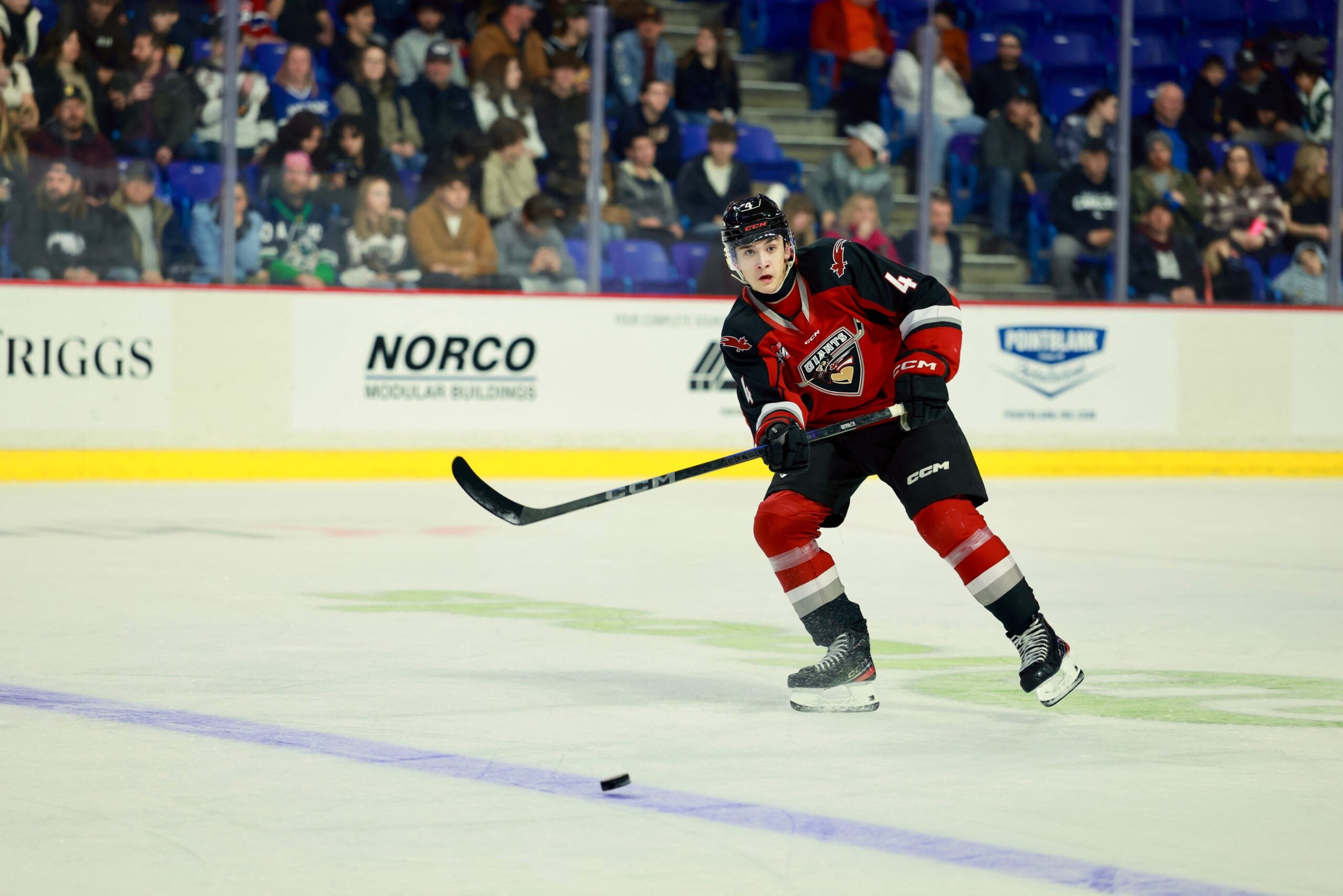
St. Louis Blues players were represented across multiple countries at the 2026 IIHF Men’s World Championship, with Robert Thomas, Dylan Holloway, Oskar Sundqvist, and Pius Suter all taking part in a tournament that featured strong offensive performances, defined role players, and valuable international development opportunities.
The group was spread across Canada, Sweden, and Switzerland, and each player filled a different role depending on team structure and roster need. Some were leaned on for scoring in key moments, and others were used in defensive matchups.
Thomas & Holloway Provide Key Offense for Canada
Robert Thomas and Dylan Holloway were among Team Canada’s most consistent offensive contributors throughout the tournament, particularly in games that carried elimination pressure.
Holloway finished with six points in nine games, scoring four goals and adding two assists while consistently generating offense through speed and transition play. His ability to attack off the rush and create scoring chances made him a valuable piece in Canada’s forward group. His tournament included a goal in Canada’s opening win over Sweden, helping the team establish early momentum in group play.

Thomas also finished with six points in nine games, recording three goals and three assists. His impact was most noticeable in high-leverage situations where Canada needed offensive execution in tight games. One of his most notable performances came in the bronze medal game against Norway, where he scored twice, including the tying goal with 7.6 seconds left of regulation that forced overtime.
Canada ultimately finished fourth after a 3-2 overtime loss to Norway in the bronze medal game, following a 4-2 semifinal defeat to Finland. The results reflected a tournament where Canada generated offense consistently but struggled to close out tight games in the final stages, which has been a theme in their last few tournaments.
Despite the disappointment, both Blues forwards were among the team’s most trusted offensive players when games became more competitive in the knockout rounds.
Sundqvist Plays Depth Role for Sweden
Oskar Sundqvist represented Sweden in a lower-line role, finishing the tournament with zero points in seven games.
His value came away from the scoresheet, where he was used in defensive situations and matchup-heavy deployments. Sundqvist provided physicality, forechecking pressure, and defensive awareness, all of which are typical of a veteran depth forward in international competition.
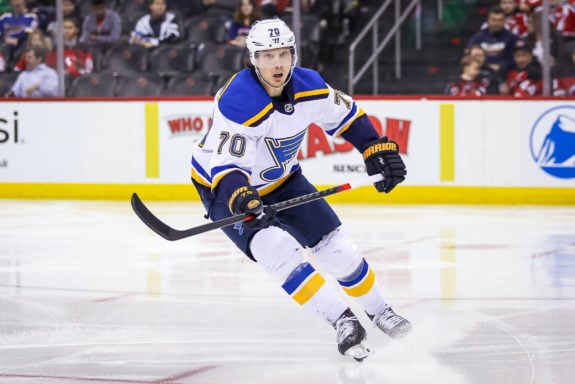
Sweden’s tournament ended in the quarterfinals after a loss to Switzerland, falling short of the medal round despite a roster built with a mix of youth and experienced NHL talent. In that environment, Sundqvist’s role remained focused on defense rather than offensive production.
Suter Helps Switzerland Reach Silver Medal Finish
Suter played a steady two-way role for Switzerland, finishing the tournament with four points in five games, consisting of one goal and three assists.
Switzerland was one of the best stories of the tournament, using a structured system and strong defensive play to advance all the way to the gold medal game on home ice. The team’s ability to win tight games and control tempo helped them reach the final stage of the competition.
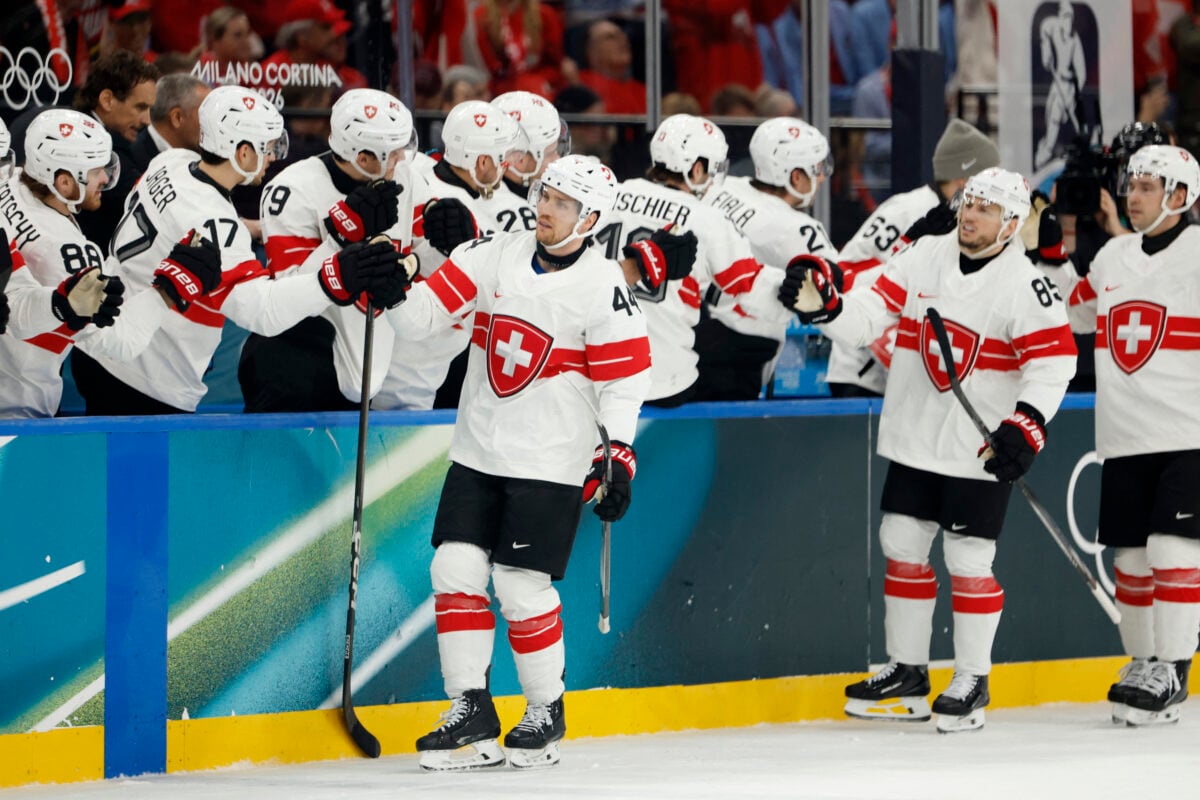
In the championship game, Switzerland fell 1-0 in overtime to Finland, earning a silver medal after a tightly contested final that could have gone either way.
Suter’s role was centered on puck support, defensive reliability, and secondary offensive contributions. He was part of a balanced forward group that relied on collective execution rather than individual scoring leaders.
The silver medal finish marked another notable international performance for Switzerland and reinforced their status as a consistent contender in recent World Championship play.
Blues Presence Felt Across International Stage
Across the tournament, the Blues had representation in multiple roles that highlighted current NHL contributors. Taken together, the group showed the different ways NHL players can influence international tournaments, whether through scoring, matchup play, or developmental growth within elite programs.
For the Blues organization, the tournament offered a broad snapshot of player value on the international stage and showed the talent within the current roster.
Free Newsletter
Get St Louis Blues coverage delivered to your inbox
In-depth analysis, breaking news, and insider takes - free.
Subscribe Free →