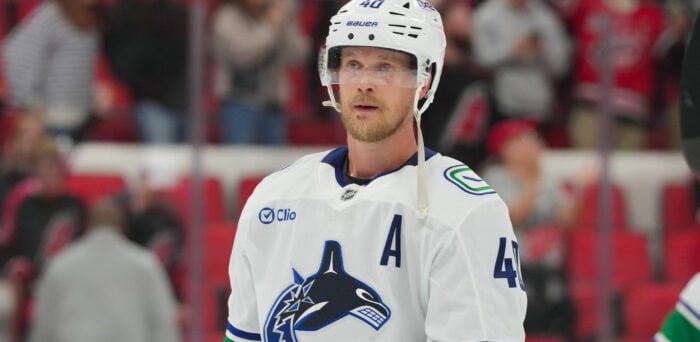
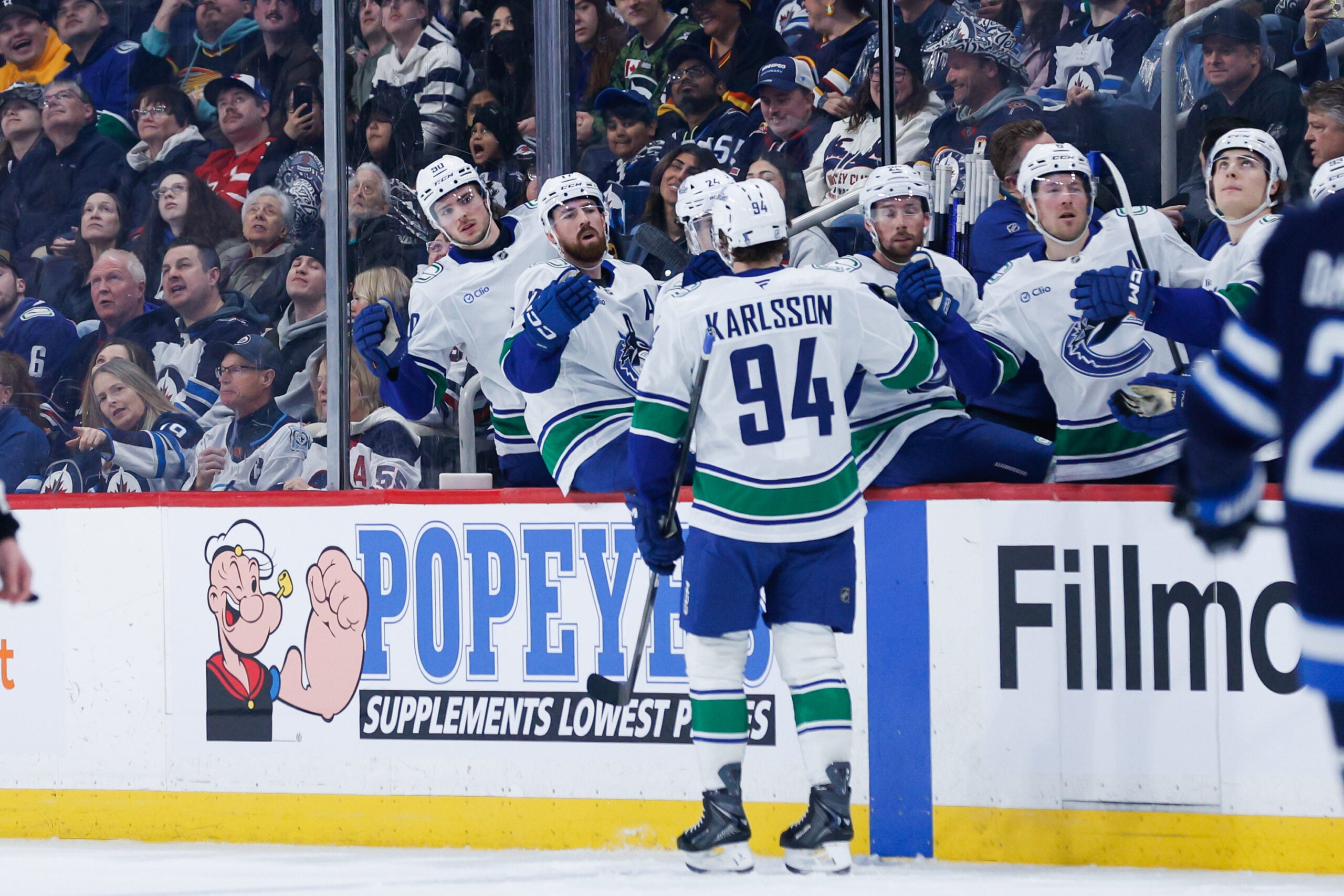
The Vancouver Canucks feel like a team standing at one of those familiar crossroads again. The difference this time is that there’s at least a sense that the organization knows it is at a crossroads. With Ryan Johnson stepping in as general manager and Henrik and Daniel Sedin moving into leadership roles in hockey operations, there is finally a structure that seems to have long-term intent.
For a franchise that has often tried to “retool on the fly” rather than truly reset, that alone is worth noting. Vancouver has had stretches of competitiveness, but rarely has it felt like the organization has been fully committed to a direction and stayed there long enough to see it through. Now, with a large draft stockpile and a fresh management group, the Canucks appear to be inching toward something closer to a traditional rebuild model.
Draft Capital and the Importance of the 2026 NHL Entry Draft
The most immediate piece of this new direction is the 2026 NHL Entry Draft, where the Canucks hold 10 selections, including the third overall pick. That kind of draft capital doesn’t come around often, and for a team trying to reset its long-term foundation, it matters more than any single roster move.
The reality is that Vancouver has not consistently built through the draft in a way that mirrors successful modern rebuilds. While there have been hits along the way, the system still lacks the kind of top-tier prospect depth that separates true rebuilding teams from clubs stuck in the middle. That middle ground is often the hardest place to escape in the NHL.
Looking around the league, the blueprint is fairly consistent. The Montréal Canadiens, Chicago Blackhawks, and San Jose Sharks all used the draft to reset their futures. They didn’t just hit on one or two picks; they accumulated volume, targeted high-end talent, and gave themselves multiple cracks at finding core players.
For Vancouver, the challenge is not just about making the right call at third overall. It’s about maximizing every single pick in the system. Ten selections in one draft give a front office the chance to reshape the depth chart from the ground up. It’s exactly the kind of foundation-building that tends to show up three or four years down the road when teams either break through or stall out.
The Hronek Dilemma and Asset Management Question
Once you start talking about building through the draft, the conversation inevitably shifts toward players who can be converted into more draft capital. For Vancouver, that naturally leads to Filip Hronek.
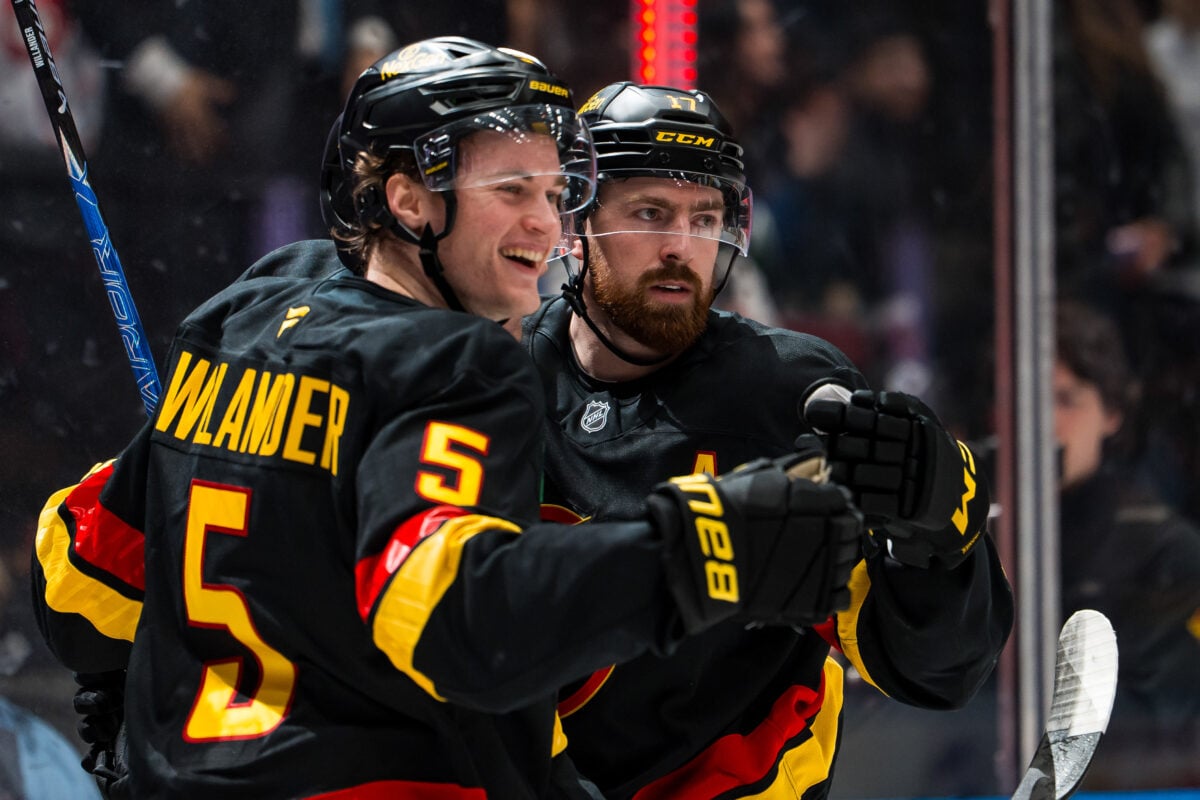
Hronek is locked in at $7.25 million per season for the next six years, with a full no-move clause for the first two. He is a right-shot defenceman who can play in all situations. In today’s NHL, that carries real value. Contending teams are always looking for players like him as they push deeper into the playoffs.
The question for Vancouver is whether Hronek is part of the long-term structure or a high-value asset who could accelerate the rebuild if moved at the right time. If he were to waive his clause, the Canucks would have to seriously evaluate what a return could look like, especially if it involves first-round picks or high-end prospects that fit the new timeline.
(Bob Frid-Imagn Images)
It’s hard to move on from established players when there is still some competitive value left. But history shows that teams often get stuck when they wait too long to convert value into future assets. Hronek might stay, but he also represents the type of player who could help fund a deeper rebuild if moved at the right moment. He is the kind of decision that determines whether a reset becomes a rebuild or just another cycle of retooling.
What’s Next for the Canucks?
At this point, the Canucks are at a stage where words matter as much as actions. The message from management suggests patience, structure, and alignment, but the real test comes when decisions have to be made that aren’t comfortable.
The draft will set the tone, but Vancouver still must decide how aggressive it wants to be in accumulating more picks over the next couple of years. Are they willing to move on from established players in order to do it? That’s where rebuilds either gain momentum or stall out. In Vancouver, the harder part isn’t recognizing the path forward — it’s staying on it long enough for it to actually work.
Free Newsletter
Get Vancouver Canucks coverage delivered to your inbox
In-depth analysis, breaking news, and insider takes - free.
Subscribe Free →