Remember how crazy it was last fall when the Minnesota Wild signed Kirill Kaprizov to an eight-year, $136 million extension that made him the NHL’s highest-paid player by $3 million? Well, here’s something even crazier: Kaprizov won’t be the league’s most expensive player when he plays his first game on that contract.
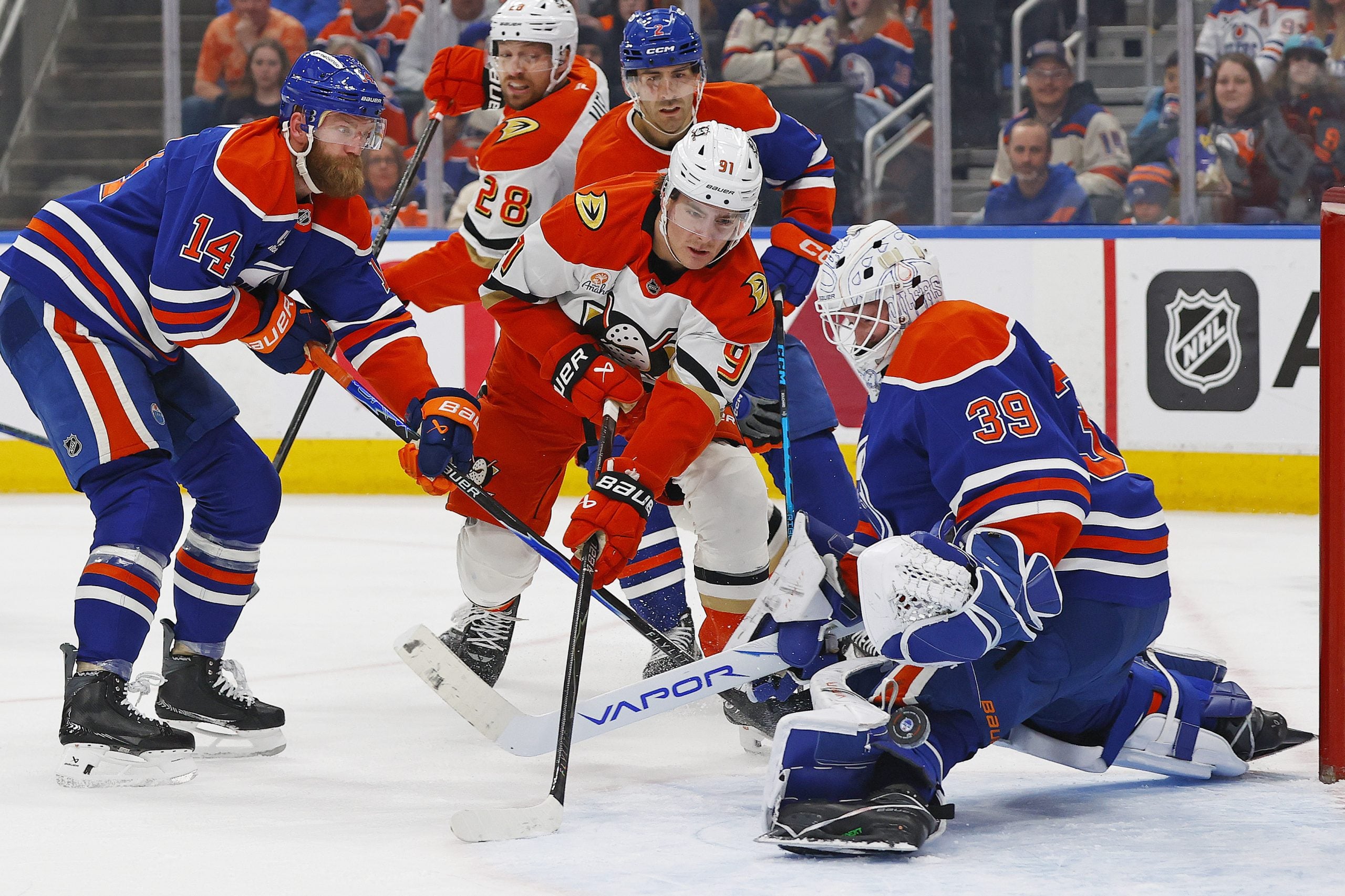
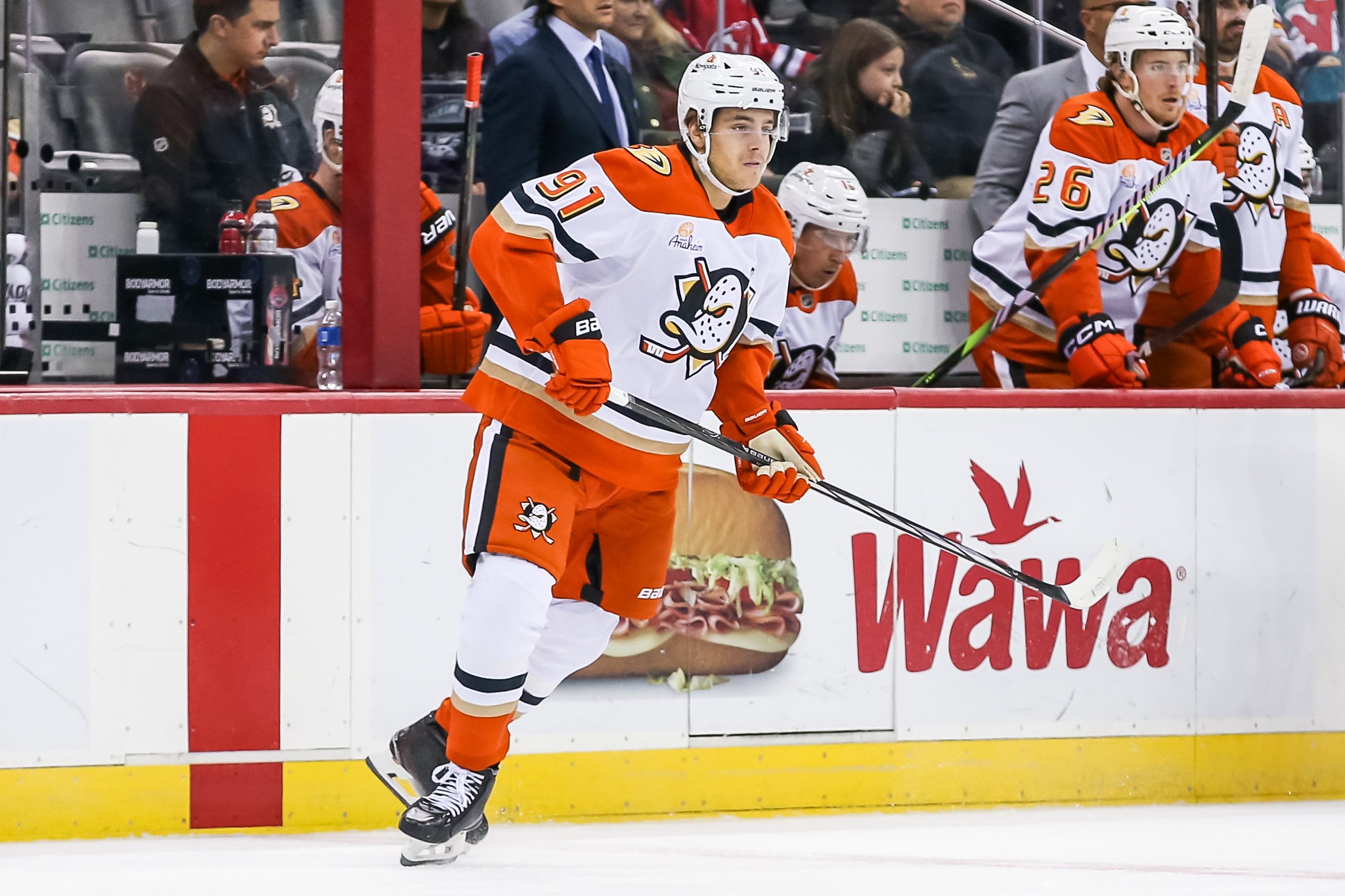
That bubble burst on Friday afternoon when the Philadelphia Flyers once again made offer sheet history. The 14-year, $110 million contract they tendered Shea Weber in 2012 was unprecedented in length and total value. Their more recent five-year, $90 million offer to Anaheim Ducks center Leo Carlsson carries a record-breaking $18 million average annual value (AAV), almost all of it in signing bonuses, with over 40% of the money to be paid out by this time next year.
No team has ever successfully offer sheeted a player at the highest compensation level since the NHL moved to the tiered draft pick model. In a few days, we’ll find out whether that changes. But regardless of the outcome, this move will have a long-lasting impact in many ways. Here’s who looks good right now and who has some egg on their face, with the obvious caveat that this will shift once the Ducks make their decision.
Winner: Leo Carlsson
Carlsson is already a great player, nearly a point-per-game scorer last season at 21 years old in both the regular season and the playoffs. His combination of size and skill is hard to find, especially at a premium position like center. There’s a reason Anaheim drafted him second overall behind Connor Bedard in 2023, the highest pick of their rebuild.
Now, just three years after being drafted, Carlsson is in a win-win situation. He’ll either stay with the Ducks, a young team on the rise that made it to the second round last season, or he’ll join the Flyers — a young team on the rise that made it to the second round last season. Maybe he stays teammates with Cutter Gauthier, Beckett Sennecke and Troy Terry; maybe he becomes teammates with Porter Martone, Matvei Michkov and Travis Konecny.

And regardless of where he’s playing, he’ll be doing so as the highest-paid player in the NHL. His first standard contract guarantees him generational wealth, and he’ll be on a promising team no matter the outcome. Maybe there’s a world where the Ducks match, and there’s some resentment for him nearly jumping ship, but this is the biggest offer sheet in the NHL since Sebastian Aho, and things are still going pretty well for him with the Carolina Hurricanes.
Loser: Pat Verbeek
In the last two years, The Athletic has published an annual feature of questions answered anonymously by NHL player agents. Both times, there was a consensus answer for the hardest front office to deal with. In 2025, eight of 28 votes went to the Ducks, twice as many as any other team. In 2026, seven out of 23 votes were cast for them, three more than any other team.
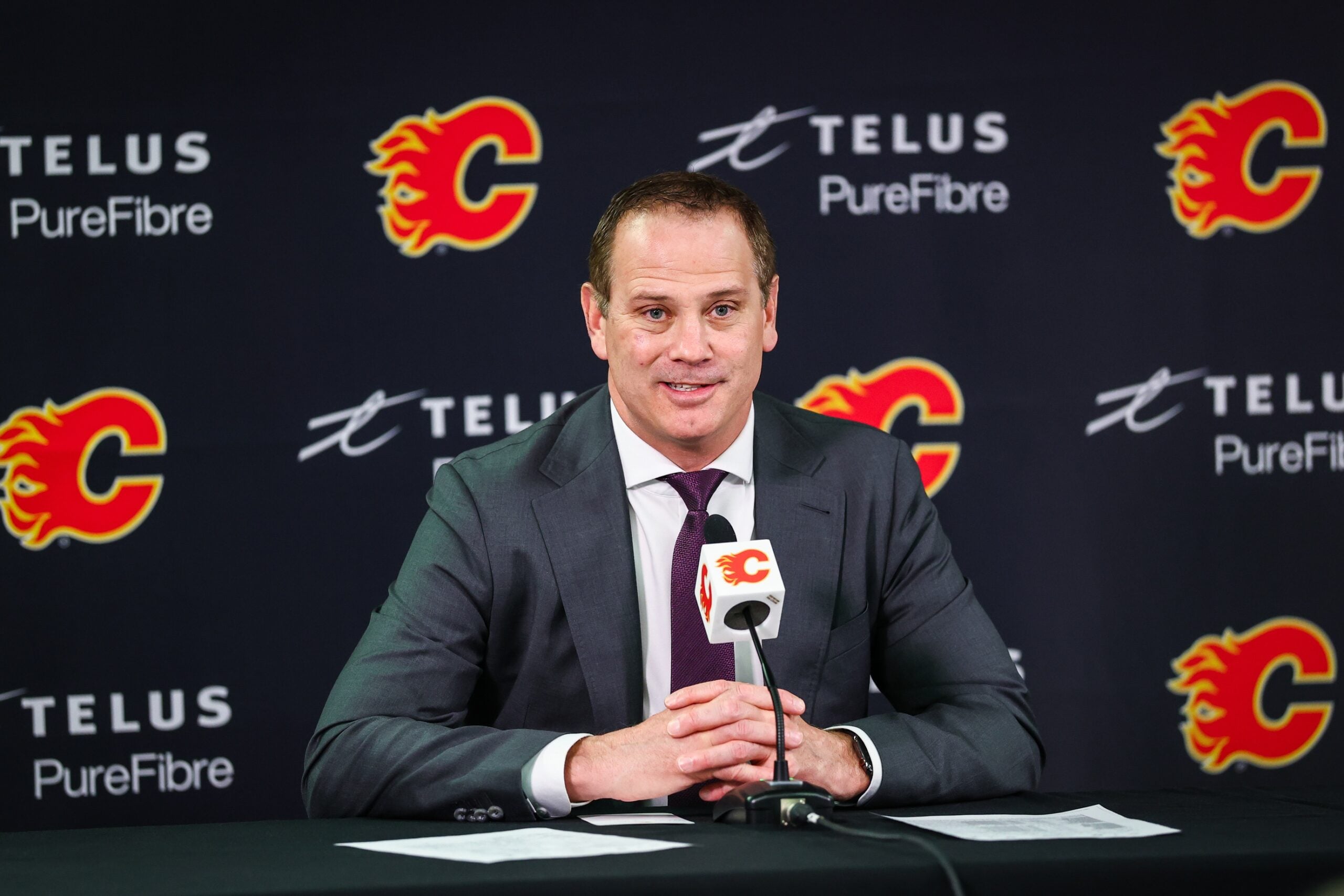
Now, that status isn’t necessarily the end of the world: the Hurricanes were tied for second and third in 2025 and 2026, respectively, and they’ve turned out just fine. But Anaheim’s front office, led by general manager Pat Verbeek, has a reputation as one of the NHL’s prickliest in negotiations.
The Flyers are as aware of that as anyone. Their two main current restricted free agents, Jamie Drysdale and Trevor Zegras, were both available after contract disputes that lingered into training camp. Both players were moved less than a calendar year after signing their previous deals. Verbeek also just traded highly regarded under-24 players in Mason McTavish (a 2021 third overall pick) and Olen Zellweger, both of whom fell out of favor remarkably quickly.
Elliotte Friedman reported the Ducks were discussing a $12-13 million contract in the hours before the offer sheet, which is a lot of money but notably not $18 million. A year ago, Carlsson himself said he’d take a hypothetical eight-year, $9.5 million AAV contract suggested by Elias Pettersson. Who knows for sure if he was serious, but it clarifies the Ducks seemed to have a window to get a contract done with a much smaller cap hit.
Instead, Verbeek has to balance the dilemma of losing arguably his best player or taking up roughly half of his team’s cap space, with Gauthier, Pavel Mintyukov and Reese Hinds all also current restricted free agents (RFAs). Only those who were part of the negotiations truly know this, but the situation does feel avoidable.
Winner: Daniel Brière
An immediate qualifier here: Daniel Brière‘s degree of success is yet to be determined. If the Ducks match, you could argue this was just a waste of time for the Flyers, temporarily limiting their financial flexibility and clouding his relationship with Verbeek and potentially other GMs as well.
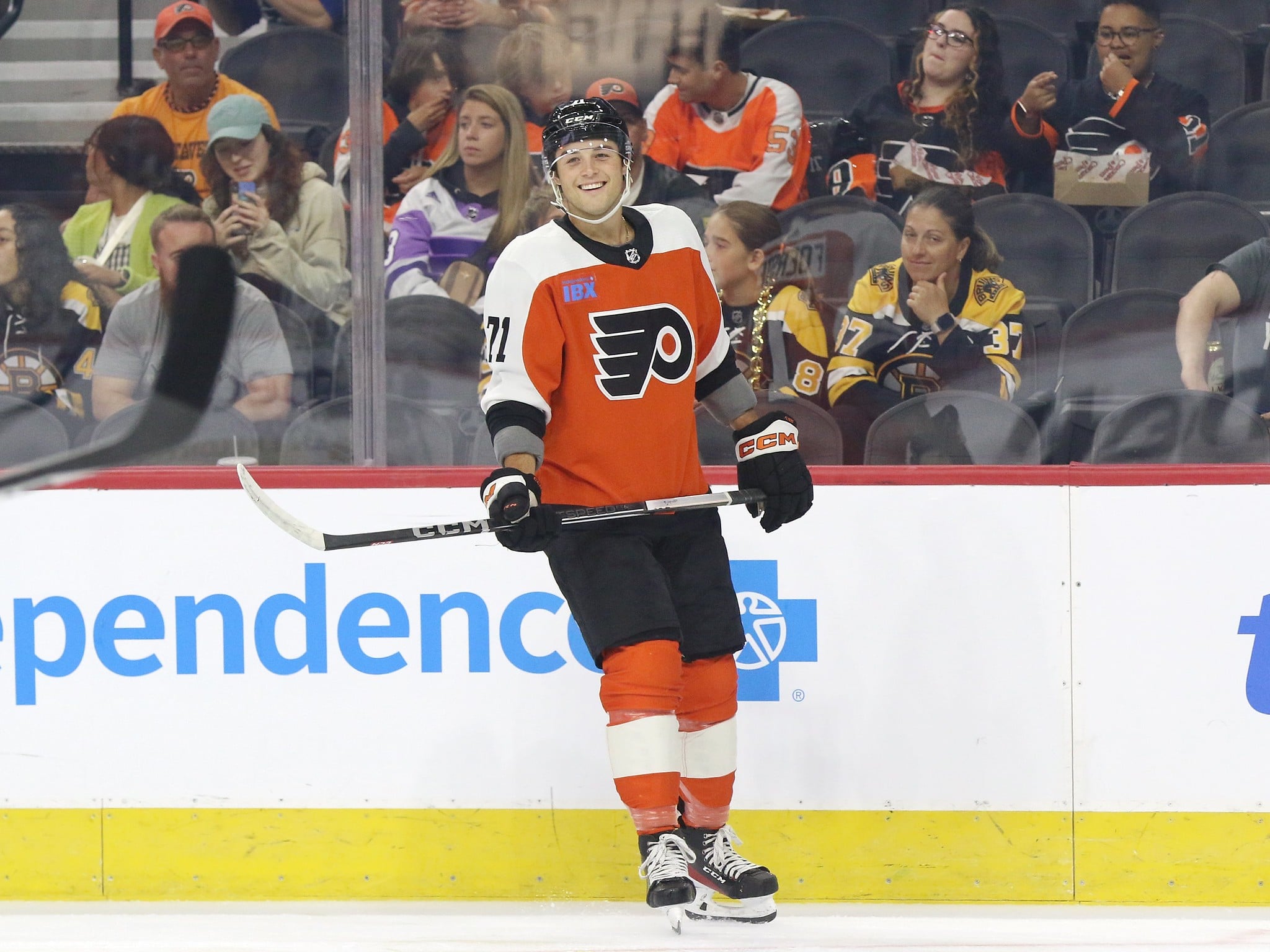
But even if Carlsson stays in California, there are still positives in signing this contract. First, it tangibly proves Brière’s claims that the Flyers are back to becoming a desired destination. After losing out on the John Carlson sweepstakes and being unable to lure Zach Werenski away from the Columbus Blue Jackets, there was some impatience among the fanbase about Brière’s ability to land high-end players.
Not only did the Flyers convince Carlsson to sign with a team across the country, but they beat out three other teams, according to TSN’s Darren Dreger. And all just a few days after Brière said the Flyers might take a step back in 2026-27 after snapping a six-year playoff drought. Maybe they will, but it won’t be for a lack of trying. And now there is tangible proof of that.
Loser: Teams With Unsigned Young Stars
For a long time, RFAs have been the best value players in the NHL. The scarcity of offer sheets meant the only realistic levers most could pull were arbitration (for those eligible) and holdouts, which rarely lasted into the season and often led to sluggish seasons for the player following.
Perhaps the fact that a 21-year-old fresh off his entry-level contract is now the NHL’s highest-paid player will start to change that. At minimum, the opportunity is certainly there for it to happen. The Seattle Kraken already tried to make Jason Robertson what would’ve been the second-highest-paid player at the time with a $15 million AAV offer. Bedard, Adam Fantilli, Alexander Nikishin and Šimon Nemec are among the current RFAs who could be in line for big paydays.
While this wasn’t much of a factor in the Carlsson situation given the Ducks’ success last season, perhaps young players will lose some patience for rebuilds early in their careers. Chicago hasn’t sniffed the playoffs in Bedard’s first three seasons, for example, and he would’ve felt stuck there in the past. Now, there’s a clearer path to departing earlier than ever. Bedard specifically feels highly unlikely to take that route, at least right now, but maybe the next young stars will think differently.
Winner: Hockey Fans
Hockey fans have long had to deal with their offseason feeling like a buzzkill compared to other sports, especially the NBA. Basketball fans would get blockbusters involving multiple future Hall of Famers and vaults of first-round picks; the NHL would see a team trade up from 21 to 18 and a third-liner sign for six years at an inflated cap hit.
This summer has already had some crazy days — a top-five pick traded for the first time in over a decade, over $1.1 billion in contracts thanks to a rising salary cap, and, best of all, rumblings that there’s more in store. There’s already one offer sheet decision that has to be made by July 8, with the New Jersey Devils trying to pry Barrett Hayton away from the Utah Mammoth at the cost of a second-round pick, with a deal that will walk him straight to unrestricted free agency.
In the past, a move like that would’ve been sold as front-page material, ignoring the fact that the player in question has never topped 50 points and the stake on the other side is a draft pick likely somewhere in the 40s or 50s. It’s exciting, but not groundbreaking. This move, on the other hand, qualifies as both.
Free Newsletter
Get Philadelphia Flyers coverage delivered to your inbox
In-depth analysis, breaking news, and insider takes - free.
Subscribe Free →