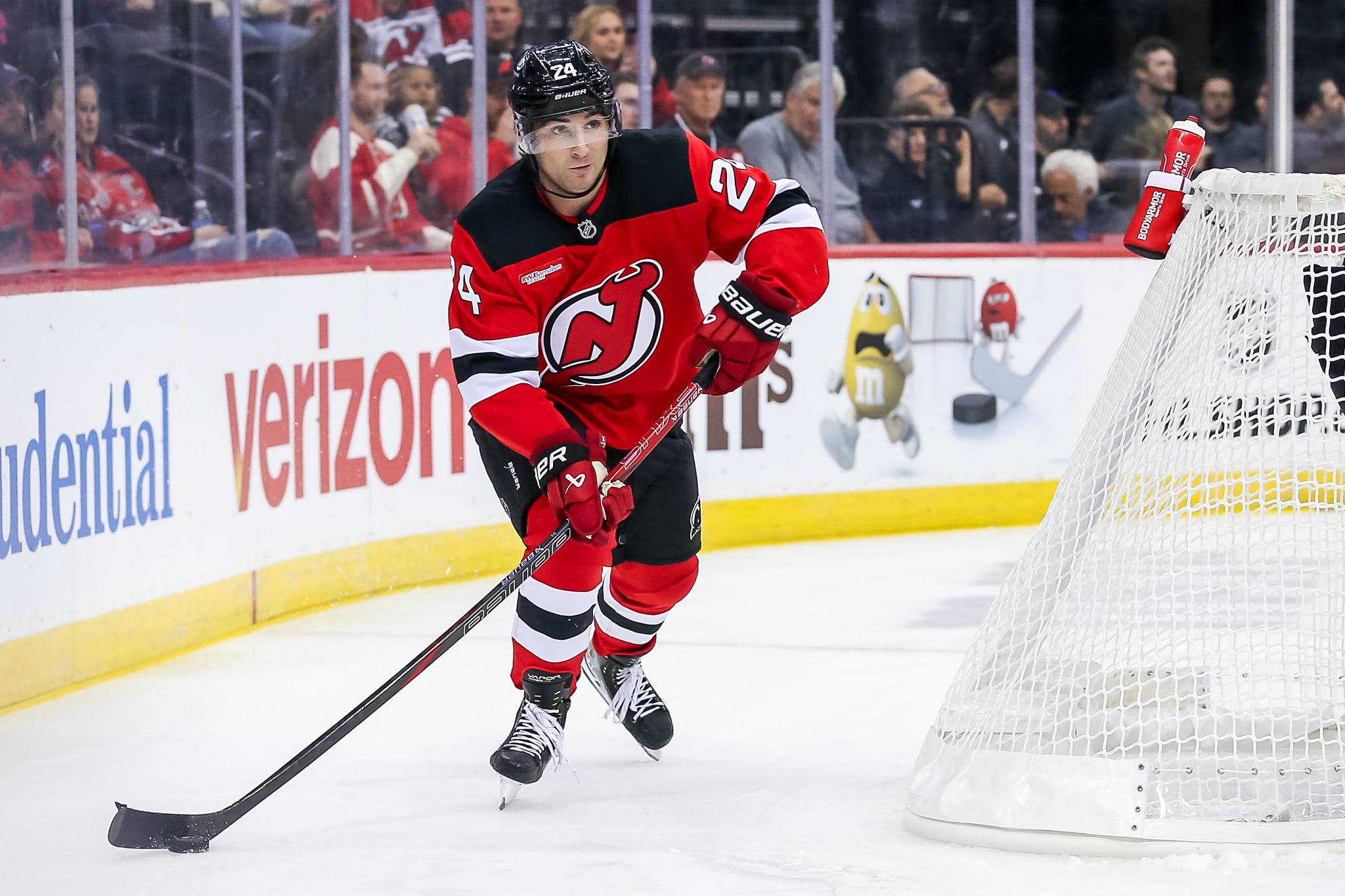
Vancouver Canucks‘ forward Brock Boeser has turned into one of those players you nod at and then realize you’ve been sleeping on. Not long ago, the narrative around him felt like a critique: beautiful shot, high hockey IQ, but fragile — hit him hard, and he’d drift away; not the kind of gritty presence you could lean on. That’s changed — big time.
Start with the milestone: tying Pavel Bure on the Canucks’ all-time points list isn’t just trivia. It’s a punchline to a longer story about durability, reinvention, and steady production. Different era, different style — Bure was the pure rocket; Boeser, the sniper with more layers. But hitting that mark says one thing plainly: Boeser has been consistently important to this franchise for years. He’s not just a flash; he’s a fixture.
Boeser Has Become Harder to Play Against
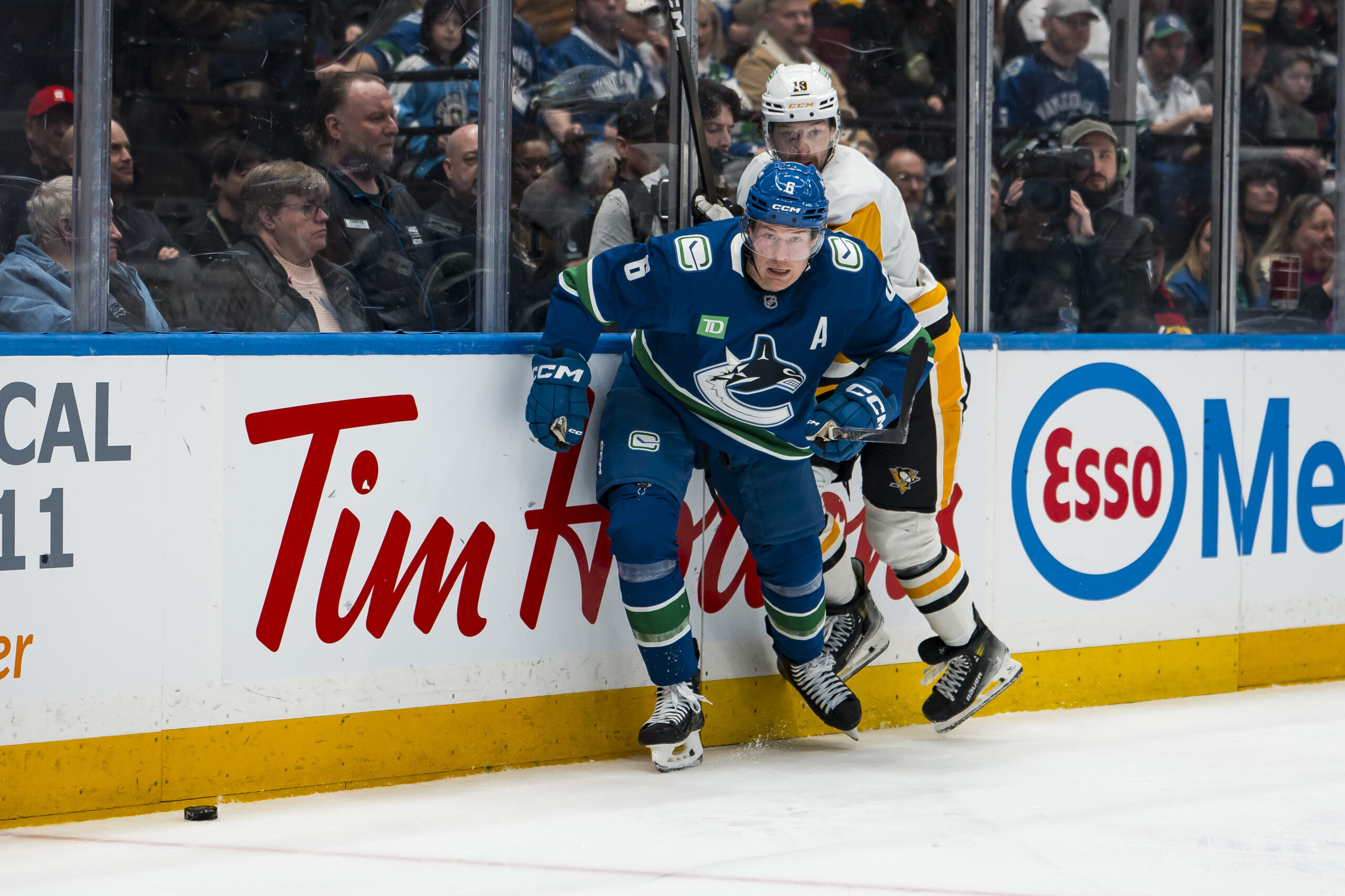
What’s most interesting isn’t the goals themselves but what’s happened around them. Over the past two seasons, Boeser has added elements to his game that make him harder to play against. He’s gotten tougher on pucks, he hits more, he blocks chances, and he’s better in the dirty areas.
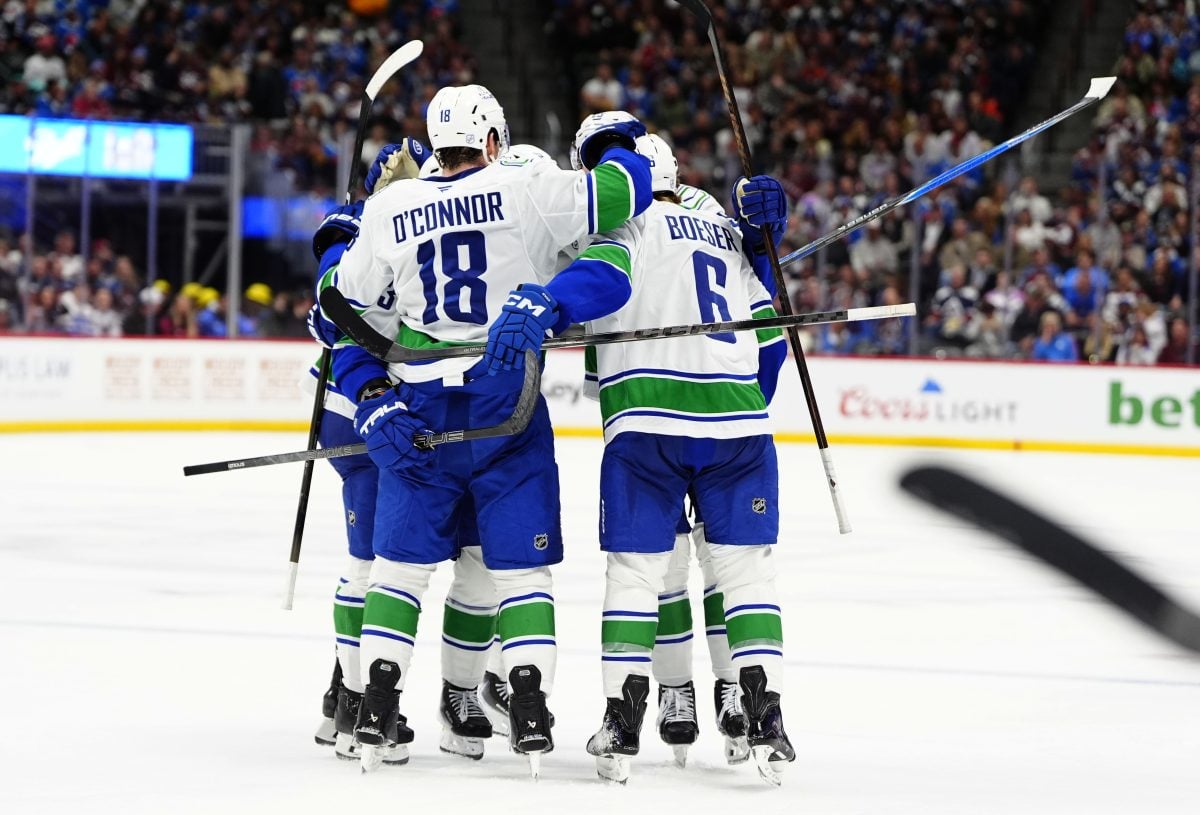
(Ron Chenoy-Imagn Images)
Maybe that’s maturity, maybe it’s coaching, maybe it’s simply veteran instincts — likely all three. Whatever the mix, it’s visible. The player who once seemed to fold under contact now appears to welcome the grind.
Boeser Has Grown Into a Leader for the Canucks
Equally noticeable is his leadership growth. Boeser doesn’t scream or grandstand; his leadership is the steady, do-the-job kind that younger players notice because it’s reliable. He’s taken younger guys under his wing — showing up on the power play, stepping up late in games, being the guy who finishes chances.
In recent interviews, he’s noted his focus on setting an example and helping younger teammates develop. That model of quiet accountability matters on a team that’s rebuilding identity and culture. You don’t have to wear the “C” to lead; you just have to be the sort of player teammates trust when the puck is loose and the game is tight.
Boeser Has Had a Great Recent Stretch, Even as the Canucks Struggle
Look at the recent stretch: multi-point nights, power-play production, clutch moments. It all adds up to someone finding a new gear. There’s also a psychological element. When a player like Boeser starts getting banged around and responds by playing with more intent, it sends ripples through the locker room.
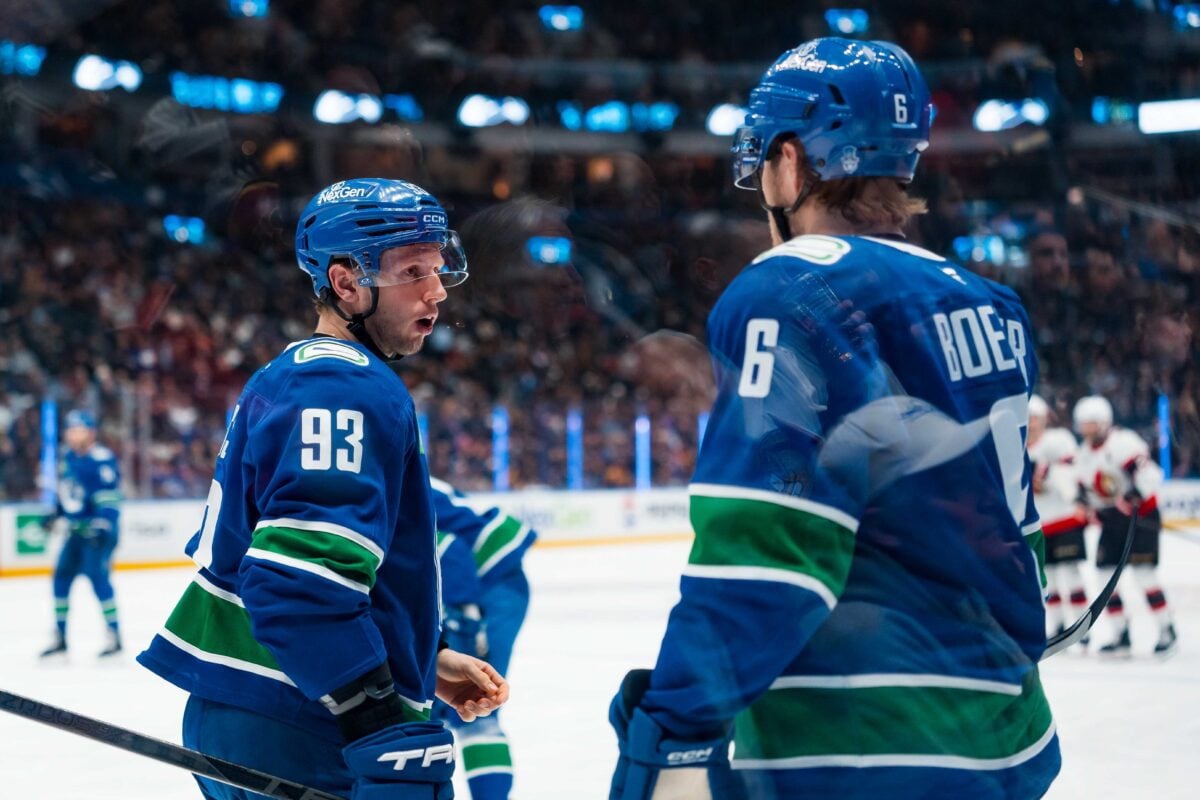
Younger forwards see both the work and the results, and that’s the kind of apprenticeship that matters in a rebuild. He’s become part mentor, part on-ice guide for younger players learning how the roster comes together.
There’s also the career arc to appreciate. Boeser’s shooting pedigree was always his headline — elite release, elite placement — but to evolve into someone who contributes physically and emotionally is a rarer thing. Players who reinvent themselves this way extend careers and multiply value. For Vancouver, that’s gold.
Boeser Has Become a Bridge Between the Canucks’ Old and New
Boeser has become a bridge player. He’s not the young prospect learning the ropes nor the old guard phasing out, but the steady veteran who links eras. That continuity is often underrated in team-building.
Does any of this mean he should be captain? Probably not. Captains need a certain public presence and badge of authority; Boeser’s leadership is more low-key.
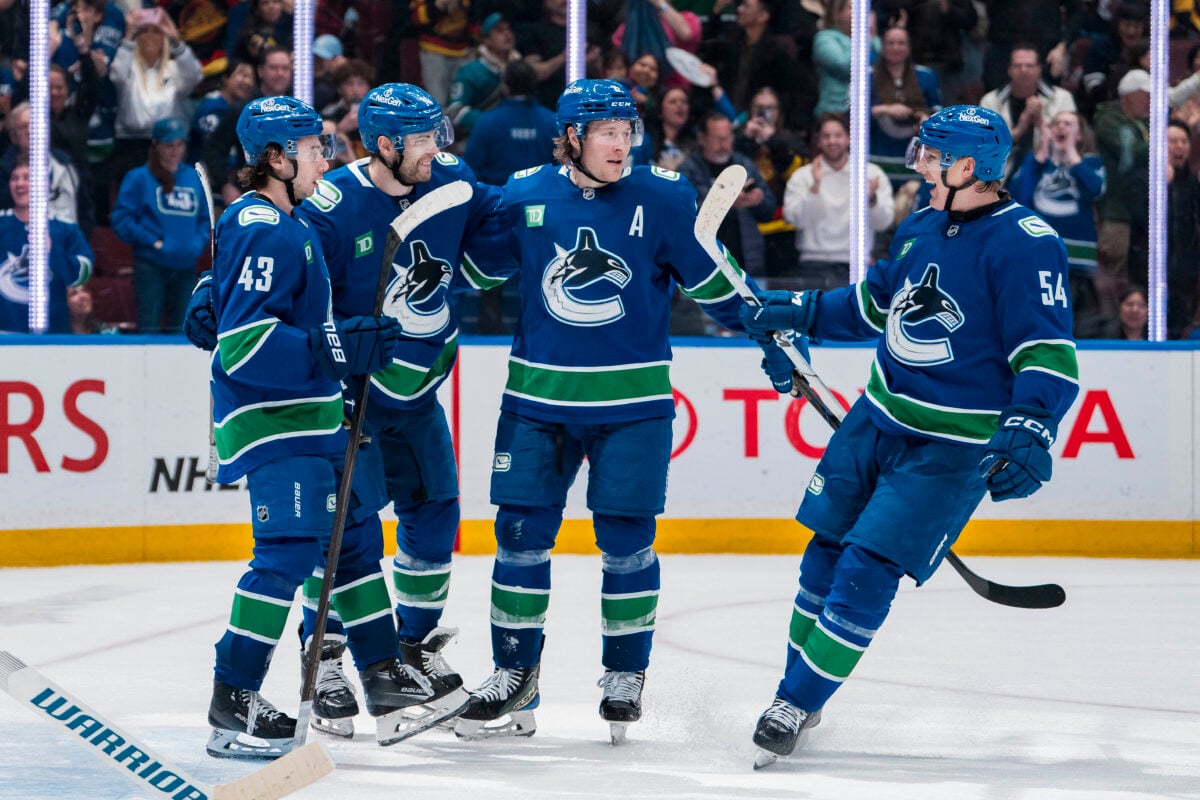
But he absolutely is doing the right thing by stepping up into the leadership group, a voice for standards and an example on and off the ice. His milestone, which tied Bure’s record, gives him franchise credibility that commands respect, even without the letter on his chest.
Boeser Has Grown the Rest of His Game to Match His Scoring
Finally, appreciate the aesthetic: Boeser still scores like a sniper — clean, efficient, often breathtaking — and now he brings the rest of the game with him. That combo — finishing ability plus harder, more complete work ethic — is why he’s not just a scorer but a cornerstone for the Canucks’ next chapter.
If you’re building a team that wants to be competitive and teach young talent how to win, you keep players like Boeser close. He’s found a home in Vancouver, and the team’s better for it. Watching him grow has been one of the quieter pleasures of this season.
Free Newsletter
Get Vancouver Canucks coverage delivered to your inbox
In-depth analysis, breaking news, and insider takes - free.
Subscribe Free →