


It’s been a busy summer for the Montreal Canadiens. Following a surprising 2024–25 season that saw the team clinch a playoff berth ahead of schedule, general manager Kent Hughes wasted no time getting to work in the offseason. Between the headline-grabbing acquisitions of Noah Dobson and Zachary Bolduc, the Kaapo Kähkönen signing, and a slew of organizational decisions, including American Hockey League (AHL) depth moves, the Habs look more competitive than they’ve been in years. Still, we sit in early July with a question hovering over the team: what’s next?
While Hughes may not be done, the reality is the Canadiens could already be close to finishing their summer shopping, and that might be just fine.
Canadiens Still Have Some Holes
As of now, the Canadiens have not found a true number-two center to play behind Nick Suzuki. This remains arguably the biggest need on the roster. With Kirby Dach’s issues last season and his inability to stay healthy and no guarantees about how quickly Michael Hage or Owen Beck will be NHL-ready, there’s a clear short-term vacancy. Sure, guys like Alex Newhook or even Jake Evans can fill that role in the short term, but neither projects as a true second-line pivot for a contending team.
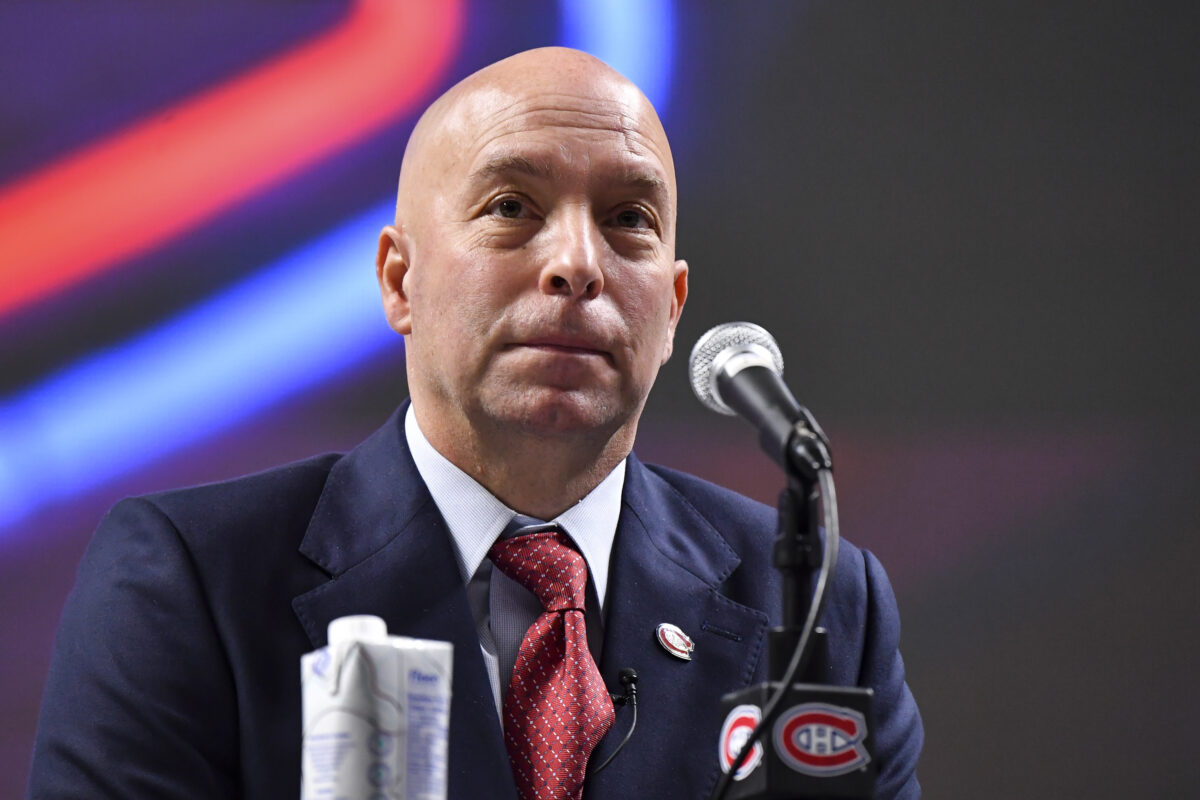
Free agency offers few answers. Most top-six caliber centers are long gone, and the remaining names either don’t move the needle or would require an overpayment that doesn’t align with the Habs’ long-term vision. That leaves the trade market as the only realistic option, and while Hughes has shown a willingness to swing big, such a move feels unlikely at this stage.
After already giving up both 2025 first-round picks and Emil Heineman in the Dobson deal and Logan Mailloux for Bolduc, it’s hard to imagine the Canadiens dipping further into their prospect pool or dealing key pieces like David Reinbacher to address a short-term need. The team has invested heavily in building out its core, and disrupting that foundation for a short-term center fix just doesn’t feel like the Hughes way.
Related: Grading the Montreal Canadiens’ Offseason Moves
Could Hughes find a hockey trade involving an underperforming top-six center on a team desperate for cap relief or a shake-up? Perhaps. But unless the right deal falls into his lap, it’s more likely the Canadiens stand pat at the position, at least for now.
Standing Still Could Be the Right Move
While fans may be itching for another splash, doing nothing might actually be the smartest thing Hughes can do. There’s a strong argument to be made that the Canadiens are already significantly improved heading into next season, even without adding a second-line center.
Let’s start with the blue line. The addition of Noah Dobson gives the team a legitimate first-pairing defenseman on the right side. At 25, he’s just entering his peak and brings elite puck-moving skills, power-play poise, and the ability to eat big minutes. His arrival not only stabilizes the backend but also allows players like Kaiden Guhle to grow into a more appropriate role.
Lane Hutson, coming off a sensational rookie season, should take another step forward. A full season from him and a healthier Guhle could give Montreal one of the NHL’s most exciting young blue lines, one that’s not just promising, but already effective.
Up front, the addition of Ivan Demidov changes the game. The Russian winger is a true offensive catalyst, and his presence in the top six will instantly upgrade the Habs’ attack. Add in a full bounce-back season from Dach, and the forward group is suddenly deeper and more dangerous than at any point in the past five seasons.
Goaltending is also trending up. Samuel Montembeault earned the starter’s net last season and should continue to build on that momentum. Jakub Dobeš and Kaapo Kähkönen will compete for the backup spot, a healthy competition that can only help push both goalies. The team isn’t set in net for the next decade, but the short-term picture is stable.
Most importantly, the Canadiens are not in “win-now” mode. The goal is still to build sustainably, not mortgage the future to scrape out a playoff series win in 2026. With Michael Hage developing, David Reinbacher showing promise, and the 2026 and 2027 free agent classes projected to be stronger, waiting could very well be the best play.
Depth Moves Still Possible
While the Canadiens may not make another big splash, smaller moves could still happen. Adding a fourth-line forward or depth winger on a cheap one-year deal could make sense, especially with the departures of Joel Armia, Christian Dvorak, and Michael Pezzetta.
Hughes could also look to bolster the Laval Rocket. Ensuring the organization has enough veteran leadership and injury insurance is critical, particularly for a team hoping to make another playoff push.
But again, even if these moves don’t materialize, Montreal is not in a crisis. This is a team already on the rise, and the steps made this offseason, even if fewer than expected, speak to a maturing front office comfortable with its vision.
When the Canadiens entered the 2024–25 season, most fans would have signed up for a playoff appearance, growth from young players, and clarity on who’s part of the core. They got all of that, and then some.
Now, they’ve followed it up with a strong draft class and a blockbuster trade for a foundational defenseman and forward. The second-line center question remains, yes, but that’s a long-term challenge. The Canadiens don’t need to solve it today.
More importantly, Hughes hasn’t strayed from the plan. He hasn’t overpaid in free agency or made rash moves to chase short-term gains. Instead, he’s continued to build steadily, knowing that windows of contention don’t open because of one July signing, they open because of years of smart decisions.

