The NHL Draft is over, free agency is about to begin, and trade rumours are starting to heat up. None of those events happen in isolation. Together, they’re giving Vancouver Canucks fans their first real look at how the new management group intends to build their team.
The draft provided the first clues. Vancouver valued size, strength, and players who look difficult to play against. Now the questions shift to free agency, the trade market, and the veteran core. Will they stay patient? Will they reshape the roster more aggressively? And what does all of this say about where the organization believes it’s headed? Here are three things that stood out during Draft weekend.
Canucks’ Draft Was About More Than Just Size
One thing became obvious during the draft: the Canucks weren’t simply collecting talent. They were looking for a specific kind of player. Bigger. Stronger. Harder to play against. Director of Amateur Scouting Todd Harvey admitted the organization placed an emphasis on size this year, and the results reflected that thinking. Five of the club’s nine draft picks measured at least 6-foot-3. That’s not a coincidence. It’s a clear pattern.
For the past several seasons, Vancouver has too often been too easy to play against. They weren’t consistently winning puck battles, didn’t spend enough time controlling the front of the net, and, too often, opposing teams dictated the physical play. Adding players with more size and strength makes sense—provided those players can actually play.
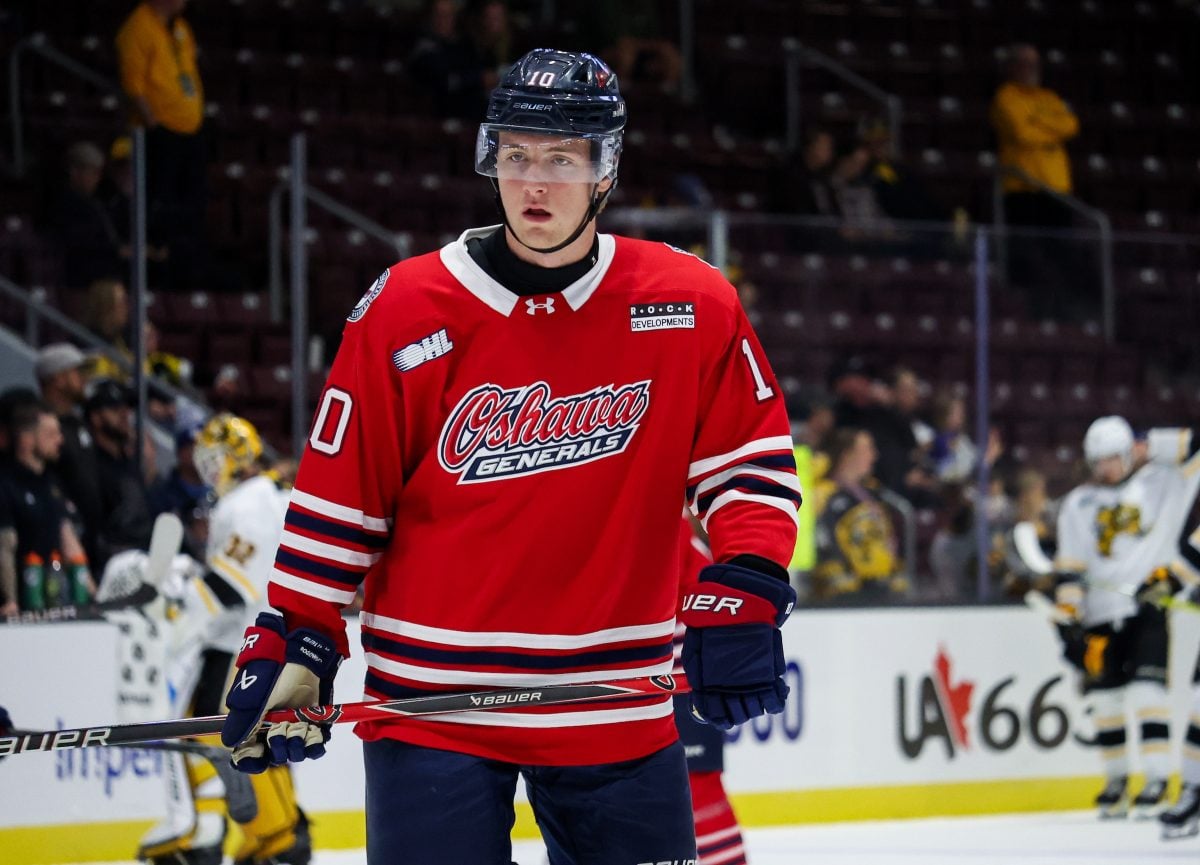
That’s the important distinction. Drafting size for the sake of size rarely works. Every organization has learned that lesson at one time or another. The interesting comparison might be the Canucks’ 33rd-overall pick, Brooks Rogowski and the Chicago Blackhawks’ pick at 34th overall, Xavier Villeneuve.
Rogowski fits the profile Vancouver clearly wanted. Villeneuve is the smaller, highly skilled defenceman. Five years from now, people may still be comparing those two selections. That’s one of the fascinating parts of every draft. Philosophy matters, but eventually the players have to prove the philosophy was right.
Vancouver’s Real Test Comes on the Trade Market
If the draft showed us what the Canucks value, the trade market will tell us how committed they are to changing this roster. Fans shouldn’t expect management to sit quietly for the rest of the summer. In fact, the Canucks should make a few trades before training camp. They might not be blockbusters, but their roster still needs work.
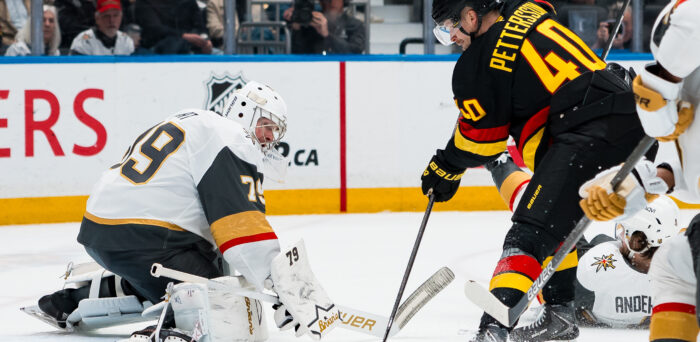
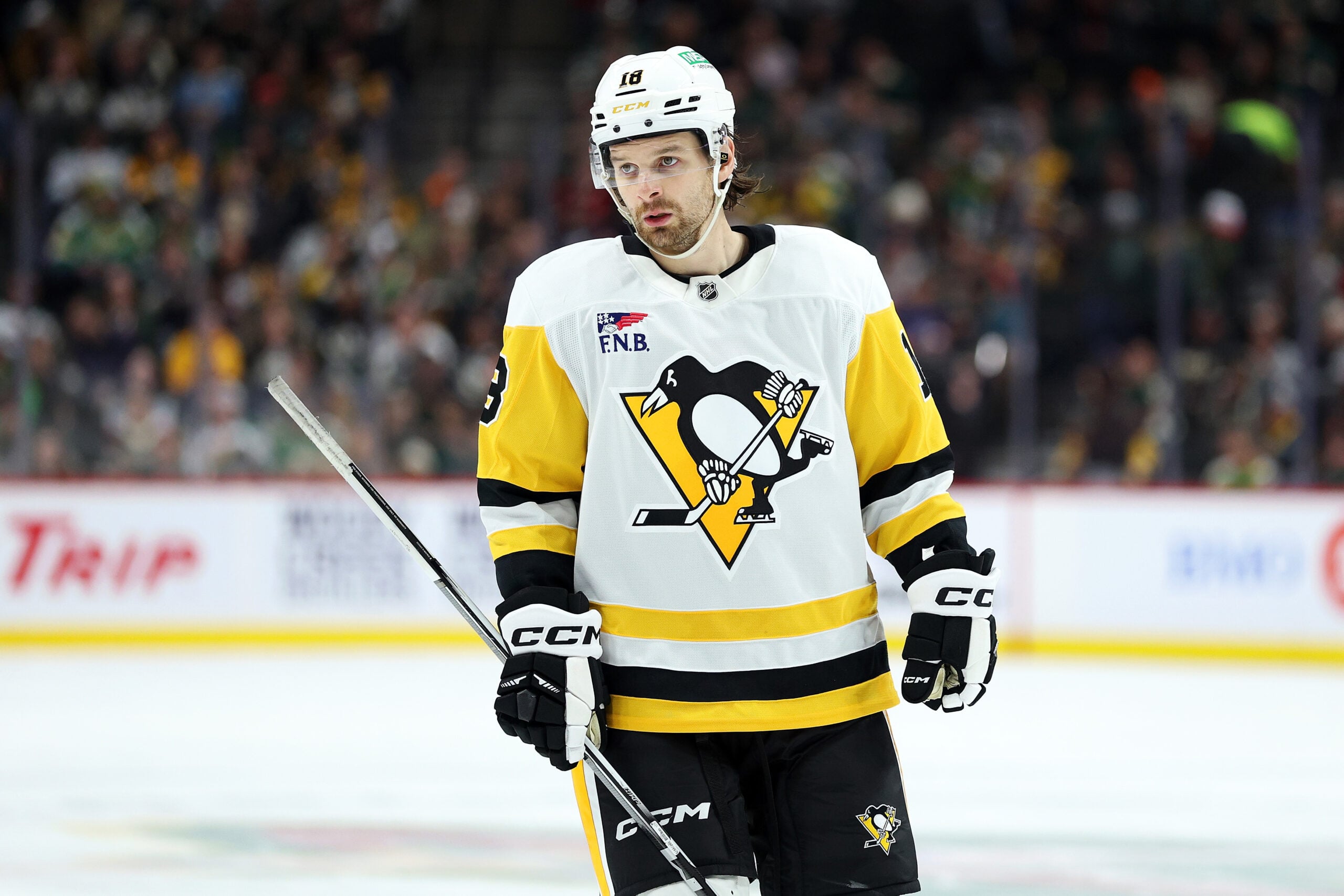
New general manager Ryan Johnson has made it clear this won’t be a complete teardown. The organization isn’t interested in stripping everything to the studs and starting over. But there’s also the reality that many of the club’s veteran players no longer fit the timeline of where the rebuild appears to be heading. If those players won’t be part of the next competitive Canucks team, management has to explore moving them while they still have value. The two most obvious moves are Jake DeBrusk and (if they can find interest and get a good return) Elias Pettersson.
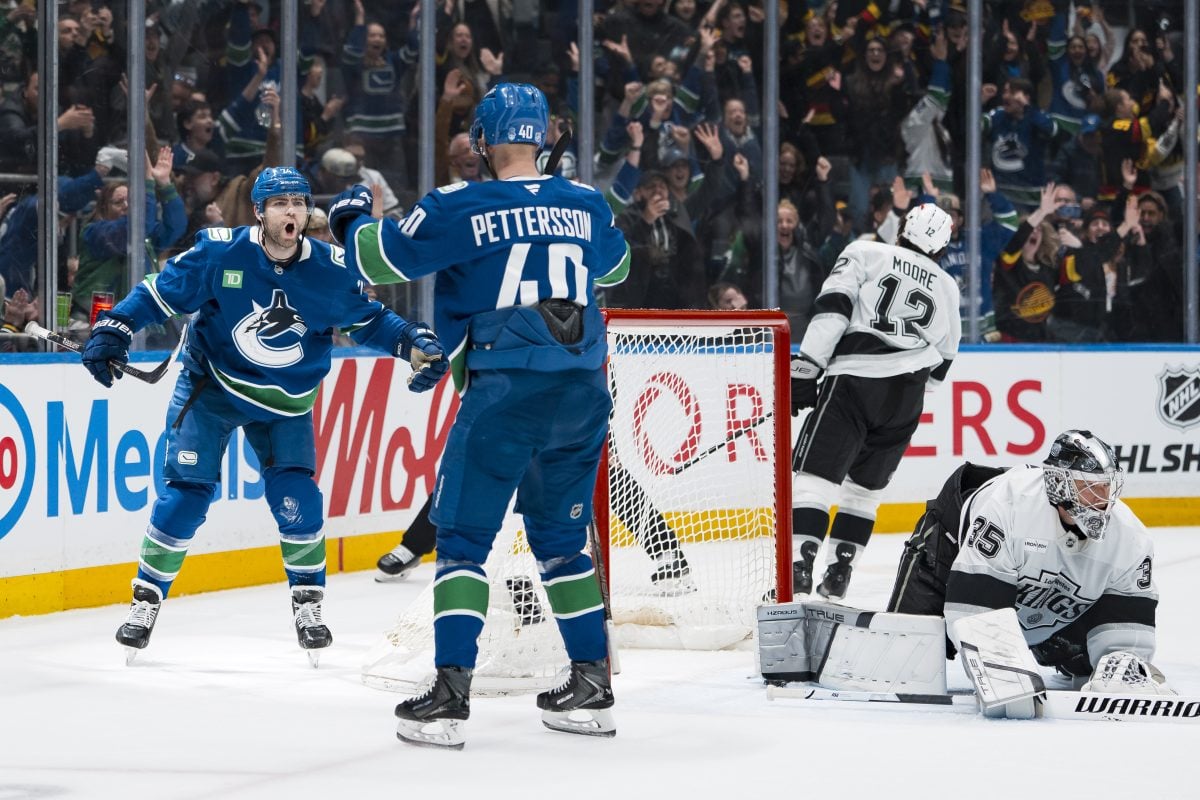
(Bob Frid-Imagn Images)
Of course, that’s easier said than done. Several veterans have trade protection, and other teams have to be interested in the players Vancouver is trying to move. That’s why patience is required. Fans understandably want dramatic change overnight, but major trades usually take time to develop. The front office has only been together for a short while.
Eventually, this management group will be judged by the trades it makes. Declaring a rebuild is easy. Executing one is much harder. That’s where the real work begins, and over the next several months we’ll probably learn much more about this front office than we did during draft weekend.
What’s Next for the Canucks?
The Canucks have now finished the easy part of the summer. They brought in a new group of prospects over the weekend, and these choices explained the type of players they want to add. Now comes the tougher part. Free agency opens this week, trade discussions will continue through the summer, and every decision will reveal a little more about the long-term plan.
If the draft taught us anything, it’s that Vancouver isn’t looking for quick fixes. The organization appears committed to becoming bigger, tougher, and more difficult to play against while remaining patient with its rebuild. That doesn’t mean fans won’t see activity over the next few months. But the biggest moves probably won’t light up the sky. They’ll be the ones that move the franchise closer to becoming the team its new management group believes it can be.
Free Newsletter
Get Vancouver Canucks coverage delivered to your inbox
In-depth analysis, breaking news, and insider takes - free.
Subscribe Free →