There’s a funny habit that shows up whenever a young, successful coach gets linked to a big-market NHL job like Toronto. The conversation almost immediately stops being about hockey systems, tactics, or results — and starts drifting into personality theory. That’s basically what happened with the chatter around David Carle and the Toronto Maple Leafs.
At first, it’s pretty straightforward. Carle gets mentioned as a possible coaching target, fans react, some get excited, some get nervous, and then the pushback starts rolling in. That part is normal. That’s just hockey media life. But then the argument starts to shift in a direction that feels a bit off once you really think about it.
The Real Question about David Carle
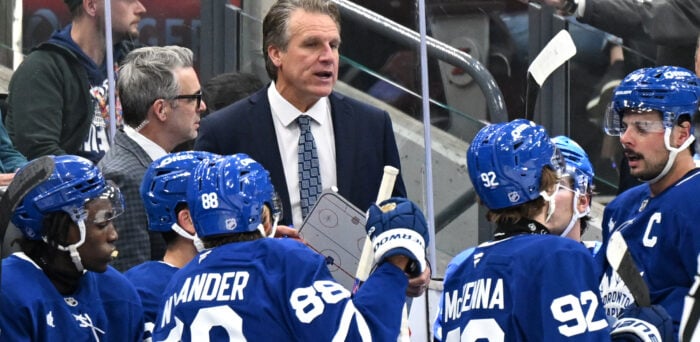
The real question with Carle isn’t complicated. He’s had a lot of success at the NCAA level and with Team USA at the World Juniors. He’s a legitimate good coach. But the NHL is a different world. Longer season, heavier travel, better opponents every night, and a lot less margin for error. So it’s fair to ask whether a first-time NHL coach is the right fit for a team that’s trying to win now.

That’s the real debate. The problem is what comes next in some of these discussions. One Maple Leafs writer argued that it was actually a good thing Carle didn’t come to Toronto. The reasoning was that, because he was a younger coach, he might not “connect” with veteran players in the Maple Leafs’ room. John Tavares was specifically brought up as a person who “may not relate to a coach who’s essentially the same age as him.”
That’s where things start to feel more like creating stories than analysis.
The Tavares Angle Doesn’t Really Hold Up
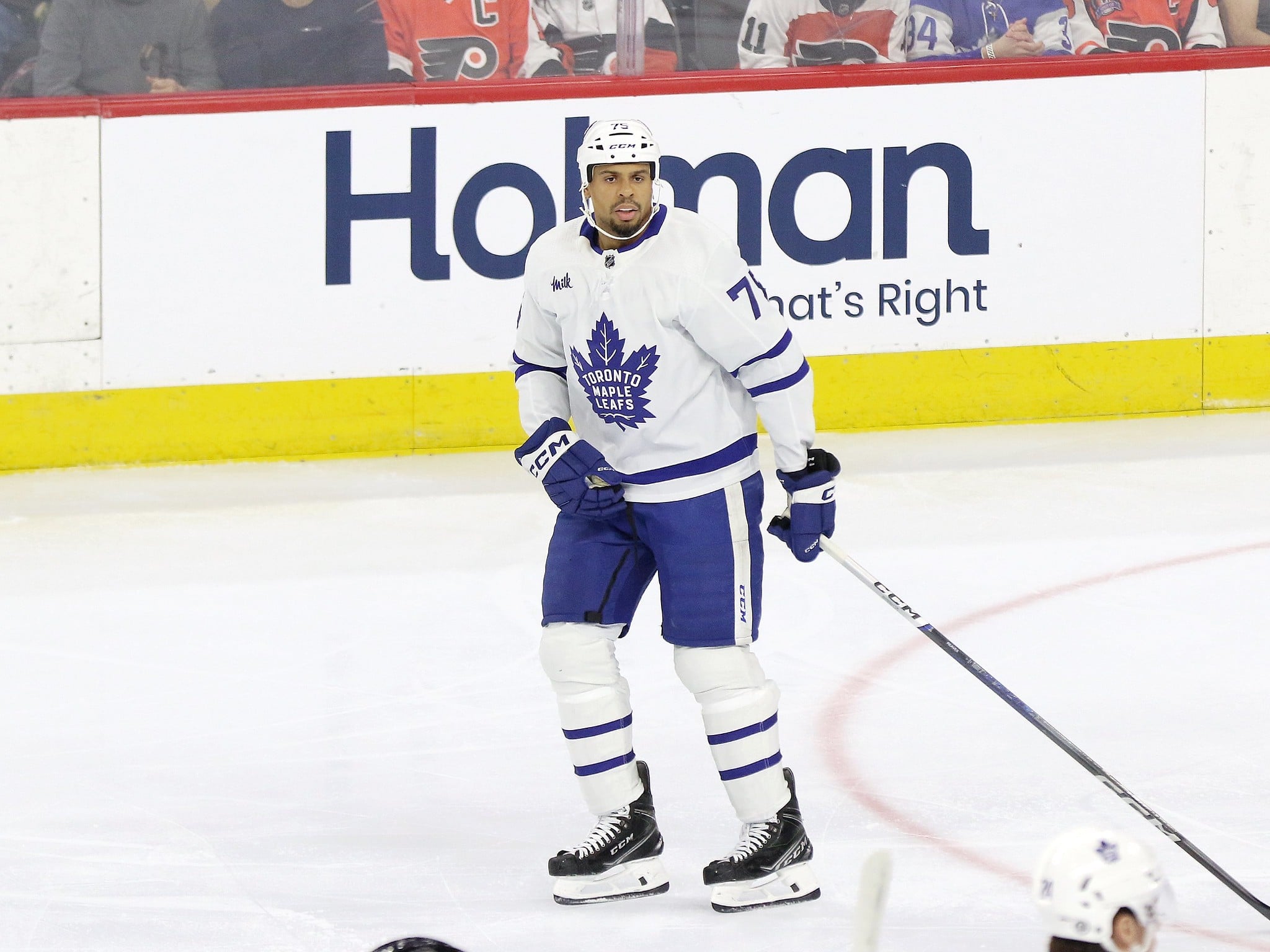
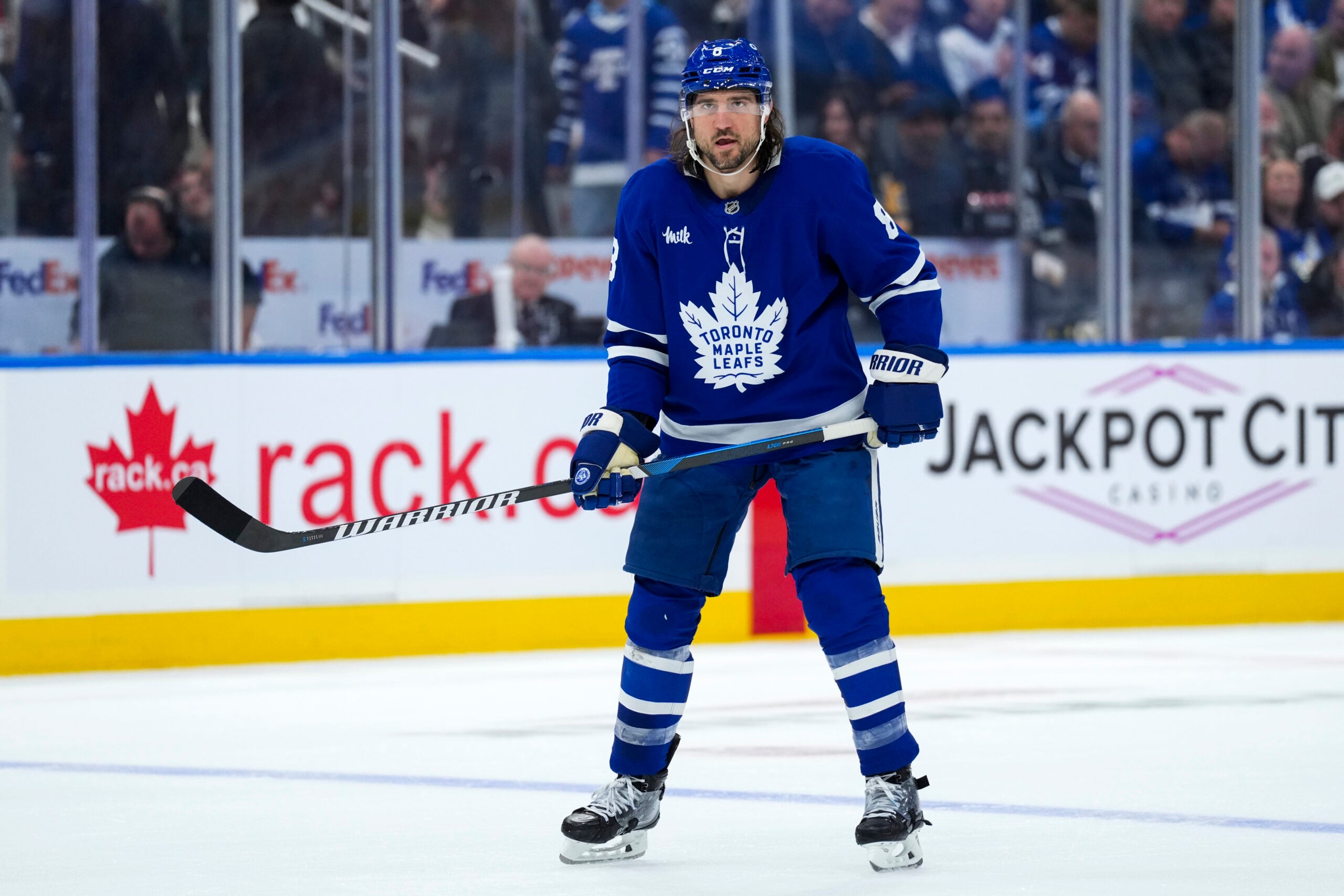
If you actually look at Tavares’ career in Toronto, there’s nothing to support that concern. This is a player who has been the definition of steady professionalism. He’s handled leadership changes, shifting roles, and a new core leadership group without any public friction. When Auston Matthews took over the captaincy, which Tavares gave up, there was no drama — just a smooth transition. That doesn’t look like a player who struggles with modern coaching dynamics.
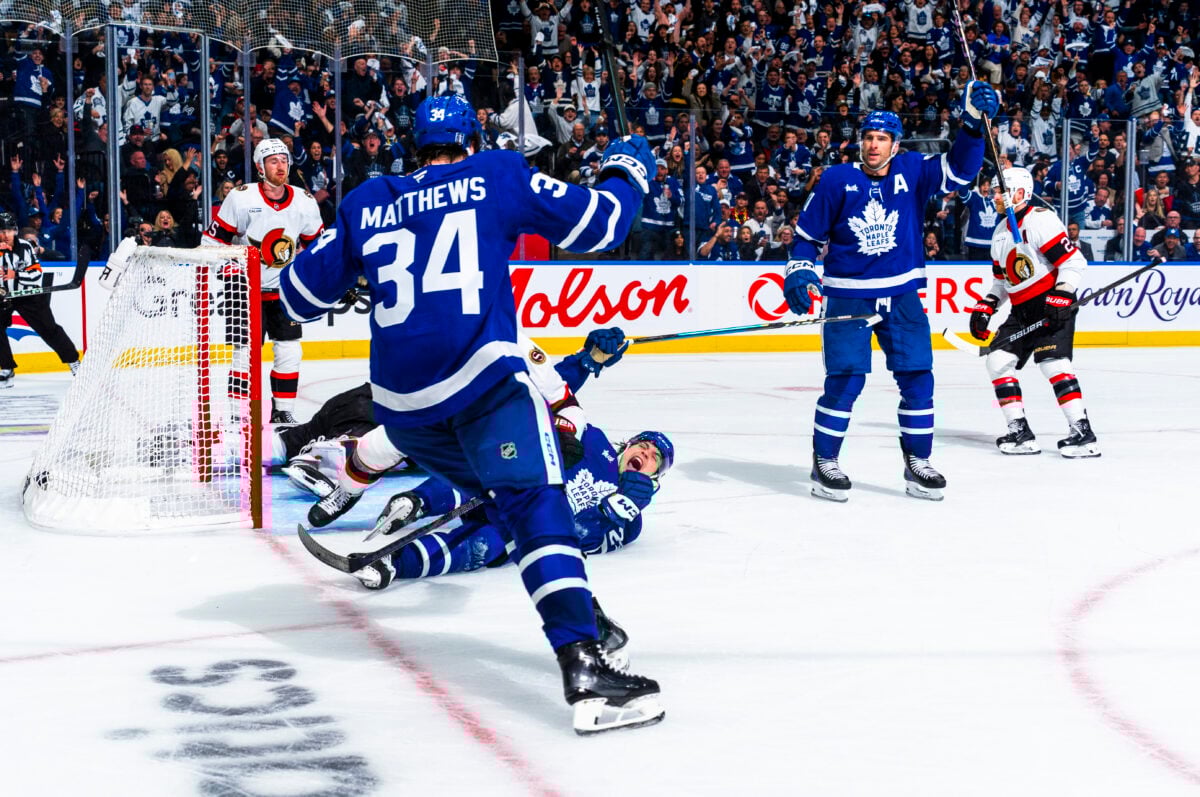
(Photo by Mark Blinch/NHLI via Getty Images)
There are other examples too. In 2023, Tavares opened his home to both Matthew Knies and Fraser Minten as they began their NHL journeys. Does that sound like someone who would resist a coach simply because he’s close to his own age?
NHL Veterans Like Tavares Care About Winning, Not Age
NHL dressing rooms don’t work that way anymore. Players don’t reject coaches because they’re younger. They reject coaches if the message doesn’t land, the structure doesn’t work, or the coach loses credibility. Age is far down the list of what actually matters.
And that’s the part that gets missed in a lot of these takes. The real question isn’t “Can veterans respect a young coach?” It’s “Can this coach run an NHL bench, handle a long season, and adjust when things go sideways?” Those are very different things.
NCAA Success vs. NHL Reality
There’s also the broader assumption that success at the NCAA level doesn’t translate cleanly to the NHL. That part is fair to question, but it often gets oversimplified. Moving from college to pro hockey isn’t about whether players are older or younger — it’s about speed, detail, structure, and the ability to adapt systems in real time against elite competition every night.
Some coaches make that jump. Some don’t. But it’s not because the room is “too veteran” or “too young.” That’s more narrative than reality.
What the Carle Debate Actually Comes Down To
Once you strip all that away, the Carle conversation becomes pretty simple. It’s not about personality fit or locker-room age gaps. It’s about whether he’s ready for a win-now NHL environment, or whether a different market would be a better first step. That’s a totally fair debate to have.

The issue with the original framing is that it builds a storyline instead of making that evaluation directly. It moves through a chain that goes something like this: the Maple Leafs have veterans; Carle is young; therefore, veterans might not relate; therefore, it might not work.
But the problem is that the key link in that chain never gets proven. It just gets assumed.
A More Grounded Analysis of Carle With the Maple Leafs
A more grounded version of the same argument would be simple: Carle is inexperienced at the NHL level, the Maple Leafs are in a win-now window, and that combination naturally carries risk. That’s it. There was no need to bring personality clashes into it, especially when it throws shade on Tavares for something so out of character for him.
At the end of the day, this isn’t really about age, leadership dynamics, or generational gaps. It’s about readiness, structure, and timing. And if that’s the real question, then Tavares was never part of the argument in the first place.
Free Newsletter
Get Toronto Maple Leafs coverage delivered to your inbox
In-depth analysis, breaking news, and insider takes - free.
Subscribe Free →