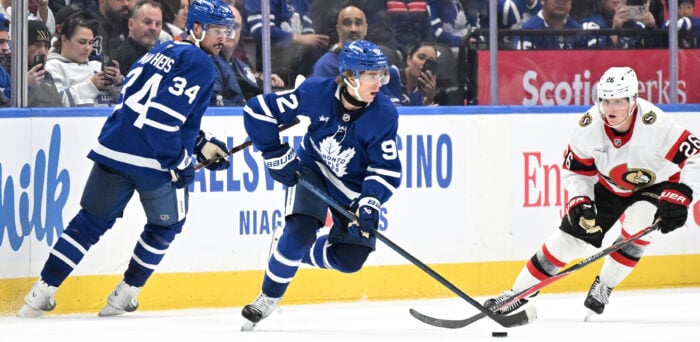
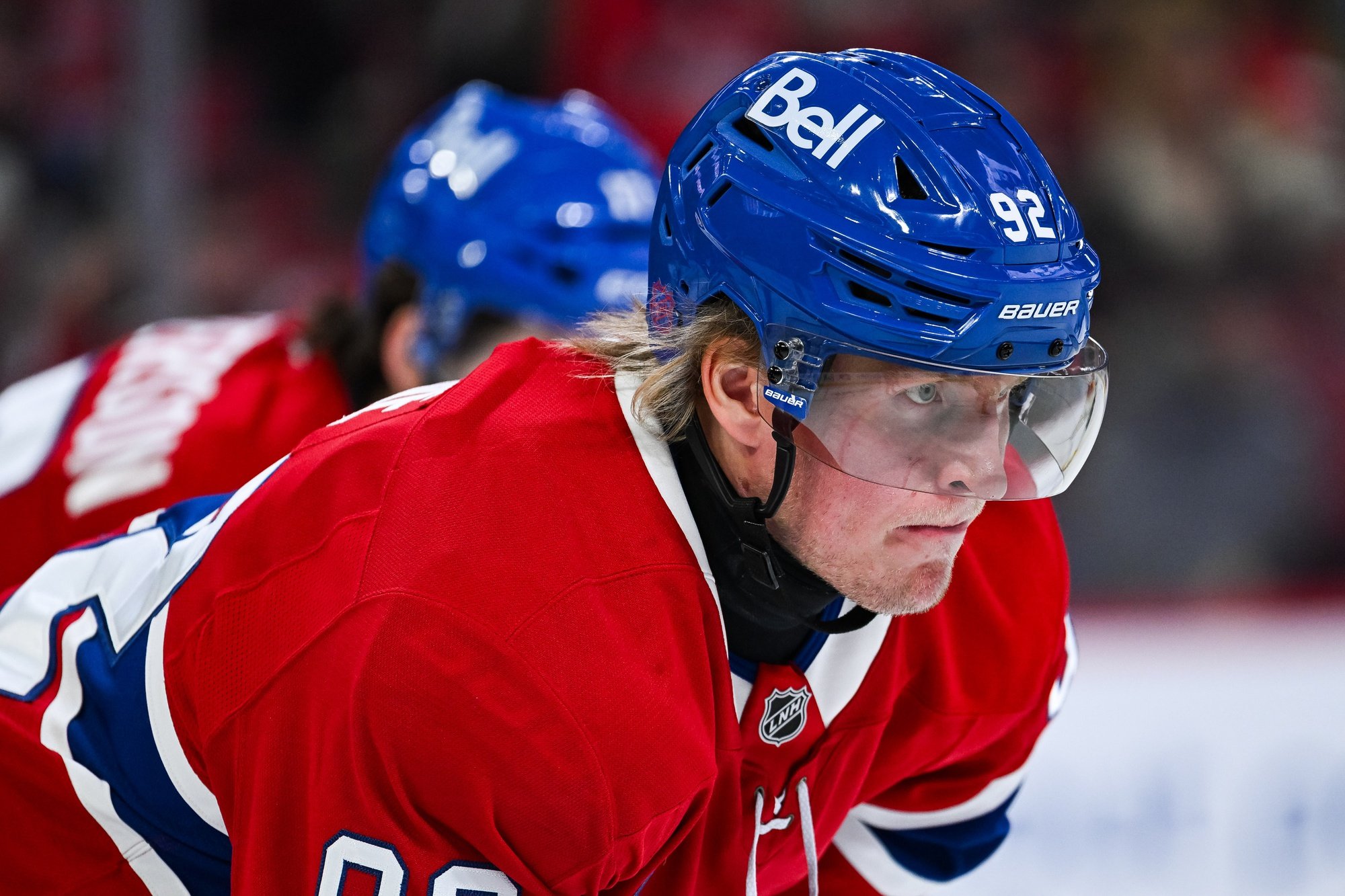
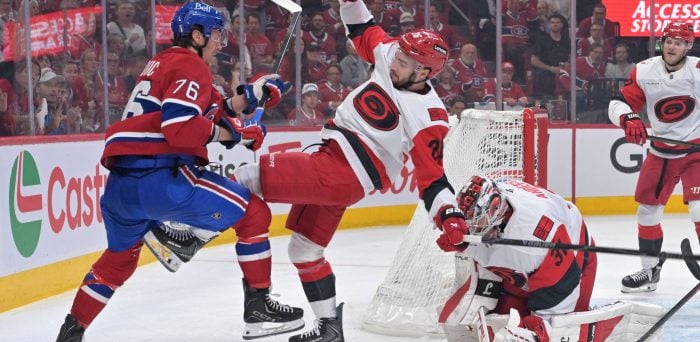
Toronto Maple Leafs fans know that Auston Matthews is the kind of player you build a team around. When he’s on the ice, the puck tends to follow him, and his presence alone changes the dynamic of a game. But, right now he’s injured and that helps no one.
Although he is scheduled to play tonight against the Columbus Blue Jackets, there’s no question that his absence has eroded the team’s ability to win. The fact is, there comes a point when even a star can be overextended, and his recent injuries beg the question of whether the Maple Leafs are using Matthews in the way that maximizes both his value and his health.
It’s safe to say that the Maple Leafs use him vigorously. A look at his current usage, zone starts, and role on the penalty kill suggests it may be time for the team to rethink how they deploy him.
Matthews on the Penalty Kill: Is It Worth the Risk?
There’s no denying that Matthews is a competitor. Like Mitch Marner while he was with the team, he likely wants to play a full role on both ends of the ice, including shorthanded situations. But the penalty kill (PK) comes with physical risk.
A significant part of killing penalties involves blocking shots, and Matthews’ hands—historically vulnerable—are exposed in ways they shouldn’t be. The Maple Leafs are paying him big money to put the puck in the other team’s net, not to protect their own.
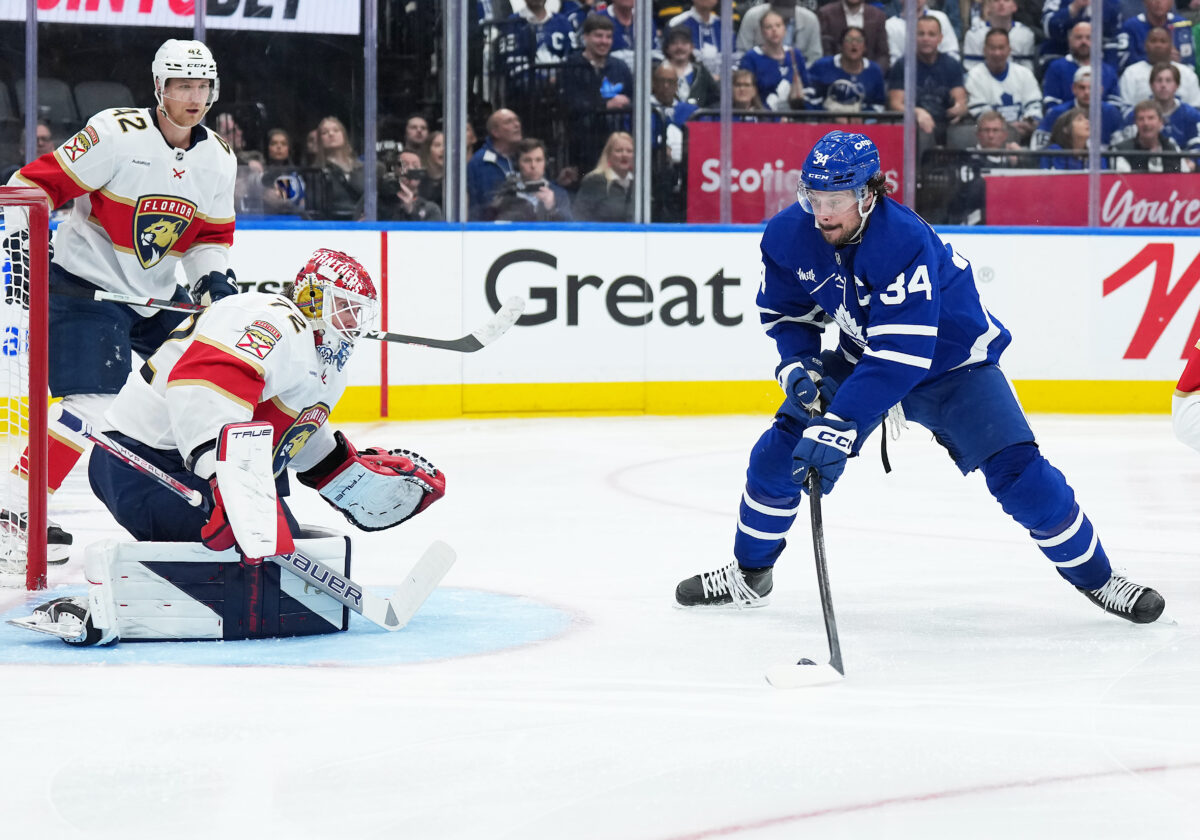
Fans might worry that telling him to stay off the PK could cause friction, but Matthews is smart. He understands the logic. Protecting a franchise player’s health and offensive output is not just prudence; it’s strategy. If the team really wants him on the PK, perhaps the best compromise is to deploy him at the tail end—on the ice just as the other team’s penalty expires—so he contributes without being overexposed.
Minutes and Zone Starts: The Numbers Tell a Story
A glance at Matthews’ ice time this season shows he’s averaging just over 21 minutes per game, slightly higher than his typical 20–21 minutes over the past six seasons. At the same time, his offensive zone starts have dipped from a career average of 58.9% to 53.9%.
In other words, Matthews is spending more time in the defensive zone and getting fewer opportunities in the areas where he can actually create goals. Every defensive minute taken from him is one less chance to score, a situation that raises questions about role allocation.
If the Maple Leafs want their top line to dominate offensively, why not shift defensive starts to the middle two lines and allow Matthews to jump in once the puck is moving up ice? This approach would keep him fresh and focused on what he does best: generating offense.
Maximizing Matthews’ Impact Without Allowing Him to Lose Energy
It’s no surprise that the coaching staff sometimes leans on Matthews to help guide the Maple Leafs out of their defensive zone, but that can get tricky. The problem is that, when the draw is lost, Matthews ends up chasing the puck rather than creating scoring opportunities. That’s valuable energy spent reacting instead of dictating play.

A smarter adjustment would be to let him enter the play earlier, even drifting in as a winger while the rush develops. His hockey sense, skating ability, and versatility make it easy for him to position himself to generate offense without burning himself out. With a minor tweak like this, the Maple Leafs could gain more offensive juice while preserving one of their most important players for high-impact moments.
The Bottom Line for Matthews and the Maple Leafs
If our analysis is correct, the message is simple. Matthews is an offensive star whose skills should be leveraged to provide the maximum bang for the buck. That means putting him in spaces he can flourish offensively. If that happens, the result would be better protection of his health and better control of his ice time.
In this scenario, something has to give. And, that something means limiting his role on the PK, shifting defensive responsibilities to other players and other lines, and allowing him to enter the play at the most opportune (offensively productive) times. He’s a star because of his scoring touch, his vision, and his ability to change games.
Yes, he’s also good on defense. Still, not having him on the ice because of injuries is Toronto’s challenge. To prosper, the Maple Leafs need to ensure that every minute Matthews spends on the ice amplifies those qualities.
The Maple Leafs should use Matthews where he matters most—and let him score.
[Note: I want to thank long-time Maple Leafs fan Stan Smith for collaborating with me on this post. Stan’s Facebook profile can be found here.]
Free Newsletter
Get Toronto Maple Leafs coverage delivered to your inbox
In-depth analysis, breaking news, and insider takes - free.
Subscribe Free →