- A Franchise at Its Lowest Point
- Chayka’s Arrival Comes With Questions
- Selling Matthews on a Vision — Not Promises
- A Partnership That Must Work
- The Roster Problems Are Clear
- 1. Add a Legitimate Top-Six Forward
- 2. Fix the Blue Line With a Puck-Mover
- Free Agency Isn’t the Answer — Trades Might Be
- Time Is Not on Toronto’s Side
- The Defining Offseason Ahead
The Toronto Maple Leafs are no strangers to pressure, but heading into the 2026 offseason, the stakes have never felt higher. After a disastrous campaign that saw them fall from division contenders to missing the playoffs entirely, the organization finds itself at a crossroads. At the center of it all is franchise cornerstone Auston Matthews — and whether the team can convince him that Toronto is still the place to win.
Enter new general manager John Chayka, a controversial hire tasked with turning around a sinking ship. The mandate is clear: become a contender again, and do it fast — or risk losing the most important player in franchise history.
A Franchise at Its Lowest Point
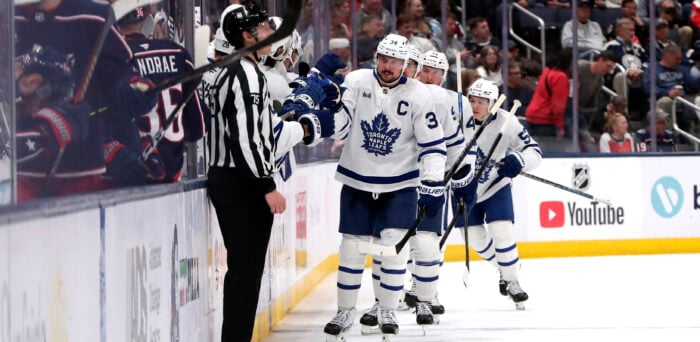
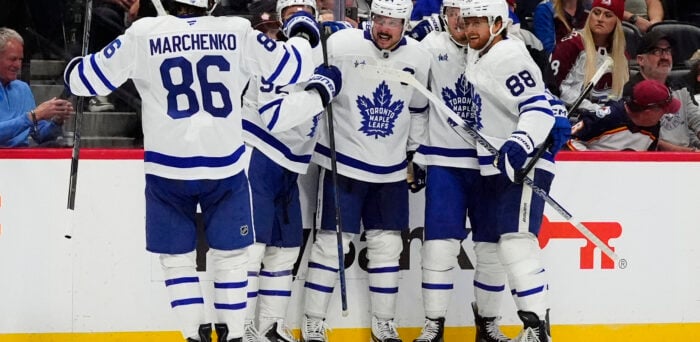
The Maple Leafs’ 2025-26 season was nothing short of a collapse. After years of playoff appearances, Toronto finished near the bottom of the standings and missed the postseason for the first time since 2016.
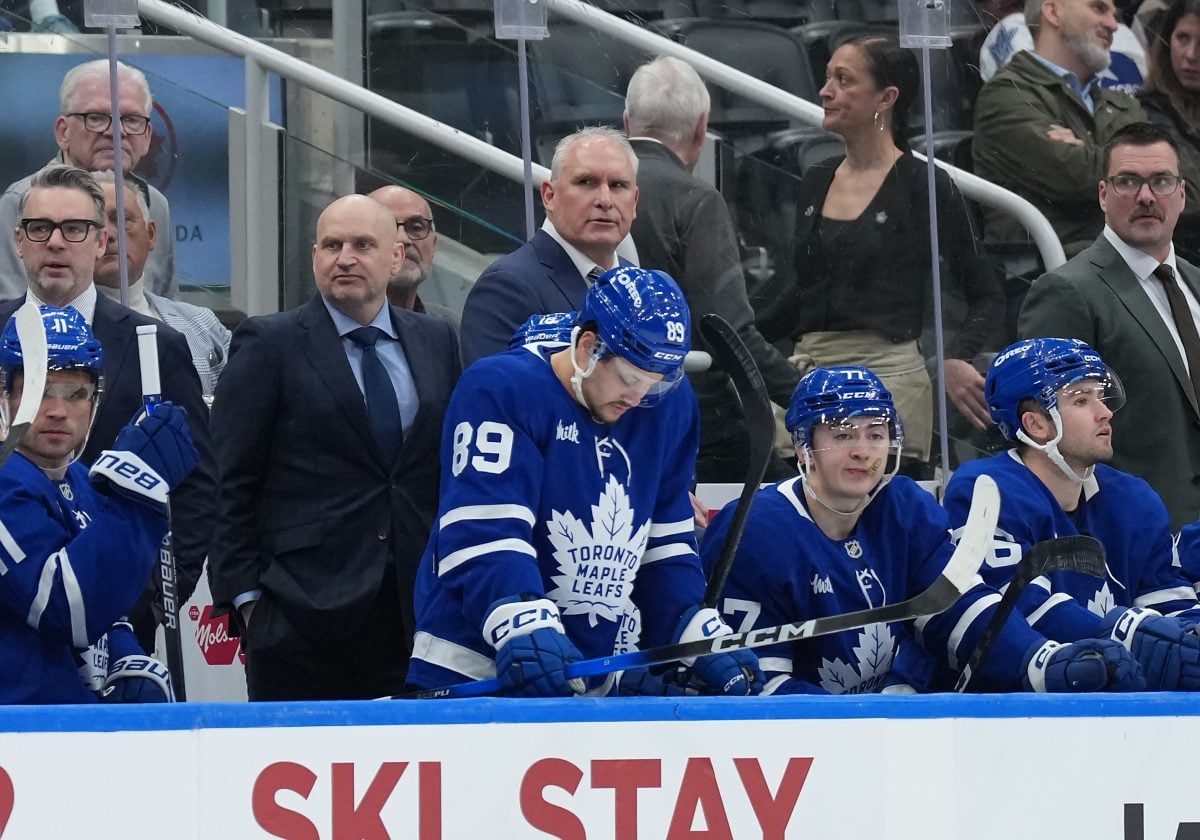
Injuries played a role — Matthews himself missed significant time after a serious knee injury — but the issues ran deeper. Defensive breakdowns, inconsistent depth scoring, and a lack of identity plagued the roster all season long.
Now, the organization faces an uncomfortable reality: Matthews is entering the latter stages of his prime, and the team is further from a Stanley Cup than ever.
Chayka’s Arrival Comes With Questions
Hiring Chayka signaled a bold — and risky — shift in direction. Once considered a forward-thinking executive during his time with the Arizona Coyotes, his tenure ended under controversy, and his return to the NHL has been met with skepticism across the league.
That skepticism has followed him to Toronto, where expectations are sky-high, and patience is minimal. Reports of league-wide criticism and backlash to the hiring have only intensified the spotlight on his every move.
Still, Chayka is embracing the challenge — and more importantly, he understands who this team must be built around.
“We’re going to get together in the next couple weeks and spend some time,” Chayka said after Monday’s introductory news conference about Matthews. “I think he deserves some answers about where we’re at and where we’re headed, and (I’ll) give him a forum to provide feedback and ask questions and then take it from there.”
That sentiment is obvious, but turning it into results is where the real test begins.
Selling Matthews on a Vision — Not Promises
Matthews’ future in Toronto is no longer a given. With two years remaining on his contract and full control over his situation, the power dynamic has shifted heavily in his favour.
And according to reports, the Maple Leafs’ new front office will essentially be “auditioning” for Matthews over the coming months — through the NHL Draft and free agency — to prove they can build a legitimate contender (From ‘The Maple Leafs are on the clock with Auston Matthews’ – The Athletic, 5/5/2026).
Chayka emphasized that keeping Matthews will come down to collaboration and action, not just words. “Auston’s the captain of the Toronto Maple Leafs, this is his team,” he said, adding that he wants to meet with Matthews, hear his perspective, and use that to help shape the team’s vision — while reinforcing that the organization still believes there’s a window to contend, even with significant work ahead.
That quote says everything. Players like Matthews don’t come around often — and if the Maple Leafs fail to capitalize, they may not get another opportunity.
A Partnership That Must Work
Chayka has also made it clear that his relationship with Matthews needs to be collaborative. He isn’t approaching this as a traditional GM-player dynamic, but rather as a partnership.
That approach aligns with what Matthews likely wants at this stage of his career — transparency, direction, and a clear path to contention.
But a partnership only works if both sides see the same vision. Right now, that vision is murky.
The Roster Problems Are Clear
If the Maple Leafs want to convince Matthews to stay long-term, the blueprint is straightforward — even if execution is not.
1. Add a Legitimate Top-Six Forward
Toronto’s offensive depth took a major hit, and it showed. Behind Matthews and William Nylander, the lineup lacked consistent secondary scoring.
The Maple Leafs need another impact forward — someone who can play in the top six, drive offence, and take pressure off Matthews. Whether that’s a winger who can finish or a play-driving centre, it’s a glaring hole.
2. Fix the Blue Line With a Puck-Mover
Perhaps the biggest issue lies on defence. Toronto struggled to move the puck efficiently, leading to extended time in their own zone and a league-high shot volume against.
Even Chayka acknowledged early on that the defence needs improvement. “I think next year’s an important year to get some momentum back,” Chayka said. “Again, we’re in May. We’ve got a long offseason, depending on what moves are available and how we can execute and the hit rate of the moves we make, honestly. That’ll determine (if we consider a rebuild), but I’d rather answer that question in training camp when we have a full view of the roster.”
A true puck-moving defenceman — someone who can transition the game quickly and support the offence — is critical if this team wants to modernize its play.
Free Agency Isn’t the Answer — Trades Might Be
The challenge for Chayka is that this year’s free-agent class is underwhelming. There are few game-changing players available, meaning Toronto may need to get creative.
That likely points toward the trade market. Chayka built his reputation on making bold moves in Arizona, and he’ll need to tap into that same mindset here. Whether it’s moving contracts, leveraging draft capital, or making a blockbuster deal, standing still is not an option. Because, from Matthews’ perspective, “seeing is believing.”
Time Is Not on Toronto’s Side
The reality is simple: the clock is ticking. Matthews has already accomplished individual greatness — he’s the franchise’s all-time leading goal scorer and one of the most dominant players of his generation.

What he hasn’t done is win. And at this stage of his career, that’s all that matters. If the Maple Leafs fail to show meaningful progress over the next year, the possibility of Matthews exploring his options becomes very real. And if that happens, Toronto risks entering a full-scale rebuild — something ownership has made clear they want to avoid.
The Defining Offseason Ahead
This offseason will define the Maple Leafs’ future. Chayka and the front office have a narrow window to reshape the roster, restore credibility, and prove to Matthews that contention is within reach.
Anything less, and the consequences could be franchise-altering. Because in Toronto, it’s no longer about potential. It’s about urgency. And for the Maple Leafs, time is running out.
Free Newsletter
Get Toronto Maple Leafs coverage delivered to your inbox
In-depth analysis, breaking news, and insider takes - free.
Subscribe Free →