The new season’s right around the corner, and for the Toronto Maple Leafs, things feel… different. Sure, there was one headline-grabbing move—Mitch Marner traded to the Vegas Golden Knights—but outside of that, it’s been a summer of quiet adjustments. Less panic, more purpose. For once, it feels like the team is trying to grow into something instead of blowing it up and starting over.
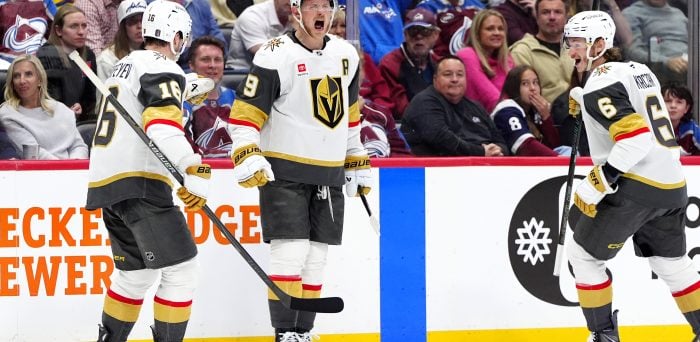
Marner to Vegas—A Shock, But Not a Mistake
Sooner or later, Maple Leafs’ fans will forget the offseason’s big move. Like him or not, trading Marner will sting the team’s production. From all accounts, he will be missed in the locker room. Additionally, his elite playmaking will be missed on the ice.
But after another early Maple Leafs playoff exit, logic suggests that change wasn’t optional. This time, the Maple Leafs didn’t waffle about and eventually flinch. Marner pulled the trigger on the move, and the Maple Leafs complied. We’ll see, but Nicolas Roy might offer some value in return – flashy or not, he can produce.
General manager Brad Treliving didn’t make the move dramatic. It just happened. Then he moved to create balance, which included salary cap space, roster flexibility, and a reset sense of team dynamics. The return wasn’t eye-popping, but it was smart—depth pieces, a quality prospect, and a chance to reshape the core without tearing it apart. There weren’t a lot of panic trades. The new players represent mature decision-making.
Matthews Looks Ready—Not Just Physically, But Mentally
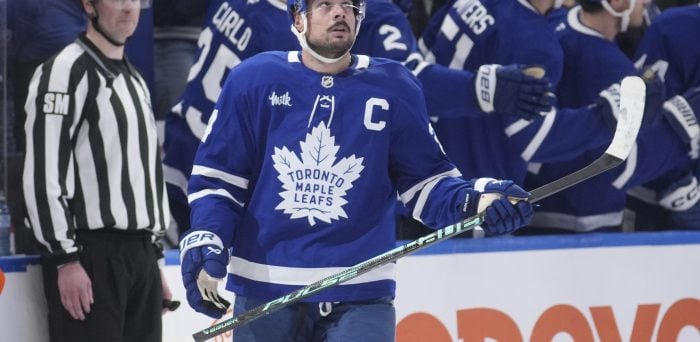
Auston Matthews played through injury last season, and it showed. This summer, there was no surgery—just rest and rehab. And now, he says he’s good to go.
More importantly, he sounds different; More measured, more focused. There’s less noise about scoring titles and more talk about responsibility, leadership, and finishing the job. With Marner gone, Matthews becomes the face of the team in a way he wasn’t before.
The load is heavier now, and that’s probably a good thing. He doesn’t seem fazed. In fact, it looks like he’s been waiting for this. At least, Maple Leafs fans can hope.
A Summer Built Around Fit, Not Flash
Aside from losing Marner, this offseason didn’t produce a blockbuster. That’s by design. Treliving focused on players who fit a playoff mold: reliable, competitive, and versatile. He found some guys who can win board battles, kill penalties, and play with structure.

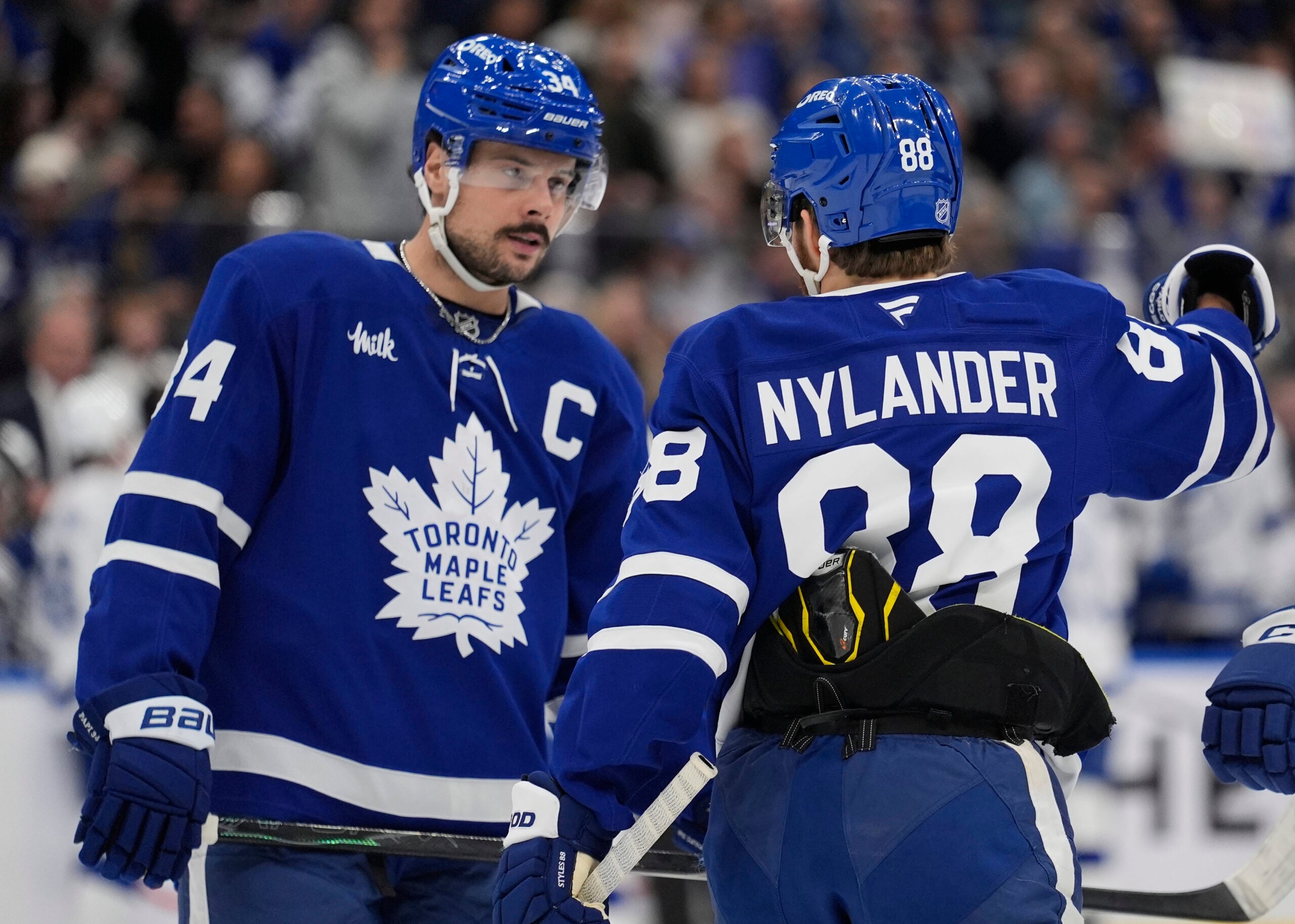
These are not necessarily big names, but they represent the kind of additions that win tight games in April and beyond. And crucially, the core remains mostly intact: Matthews, William Nylander, John Tavares, and Matthew Knies. That’s the group Treliving is choosing to build around, not replace.
A Core Maple Leafs Group, Shuffled—But with Potential
With Marner gone, the roles shift. Matthews is the clear leader now. Nylander’s offensive responsibility grows. Tavares becomes more of a stabilizer. And Knies, now with two full seasons under his belt, looks ready to take a step forward.
This is far from a complete reset. Instead, it’s more like a realignment and it might be exactly what the room needed. There’s also a different energy around the group. They seem to have moved beyond the “prove them wrong” act and are now more focused on getting it right. Less defiance, more direction.
Do the Defense and Goaltending Still Need Work?
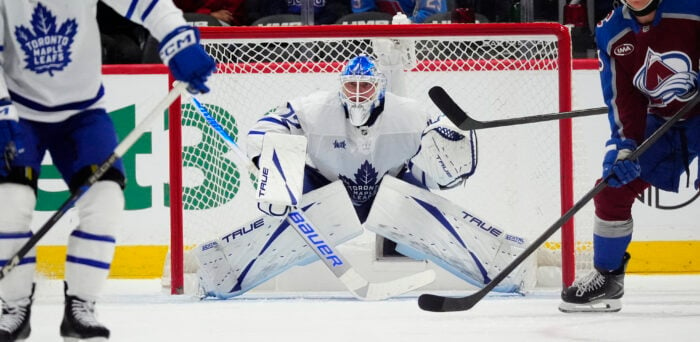
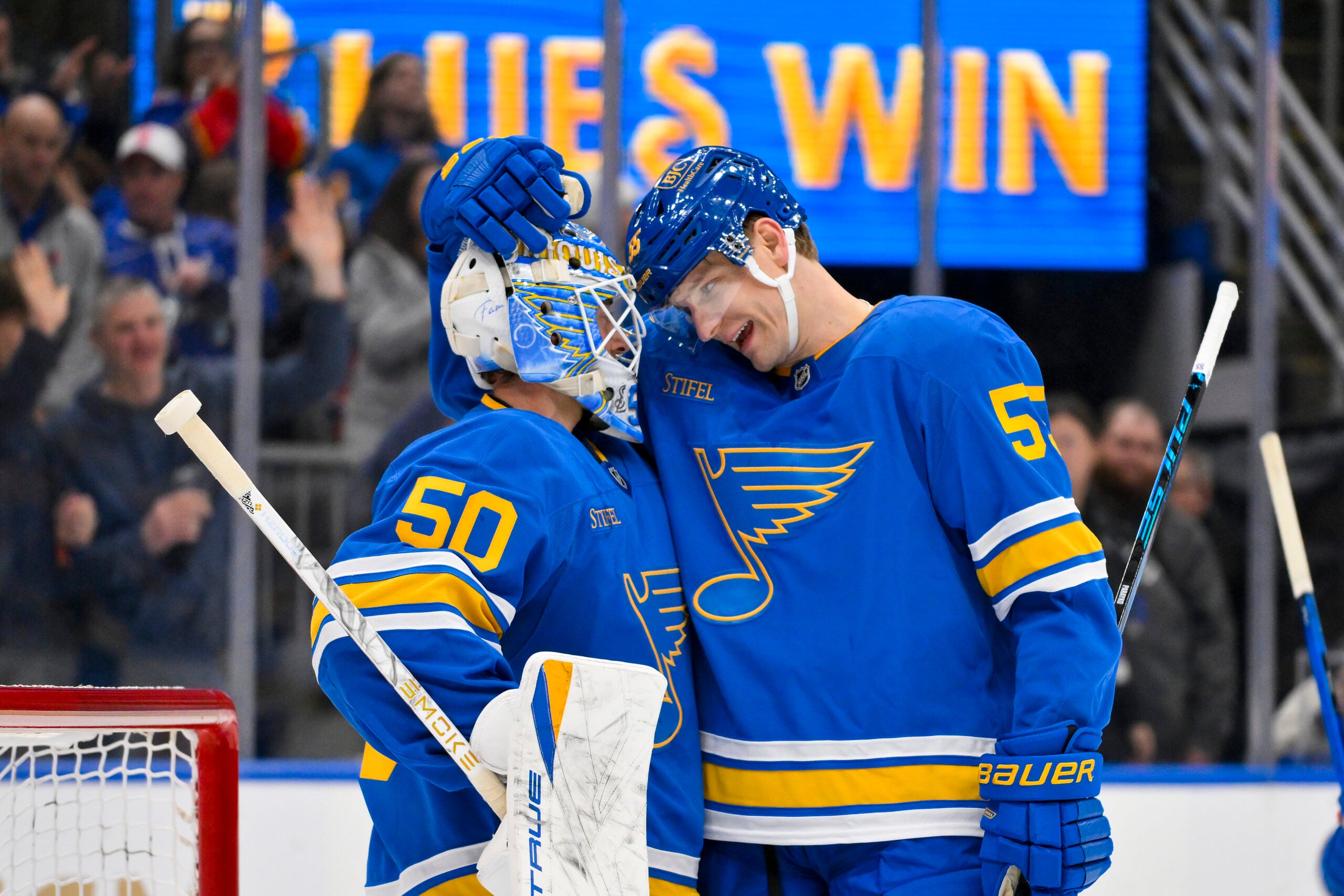
This isn’t a finished product. The blue line, while improved in stretches last season, still lacks depth. And goaltending? Well, it doesn’t lack talent, but given last season, consistency and durability remain question marks.
Can they avoid the midseason injuries? Can the structure in front of the goalies hold up? That’s where Treliving may still have a card to play, whether before the season starts or closer to the 2026 Trade Deadline.
The Maple Leafs’ Moves Were About Hockey
For a fanbase that’s lived through years of splashy moves, this offseason probably felt understated—Marner trade aside. But maybe that’s a good thing. The Maple Leafs aren’t trying to win the summer anymore. They’re trying to win in the spring. This year’s roster doesn’t scream “super team,” but it might be more balanced, more grounded—and maybe even more playoff-proof than what we’ve seen in the past.
With a healthy Matthews, a locked-in Nylander, goalies making timely saves, and the supporting cast holding up, the 2025–26 Maple Leafs have a real shot. No guarantees—there never are in Toronto—but for once, the focus is right where it should be: not on the headlines, not on the past, just on the hockey.
Free Newsletter
Get Toronto Maple Leafs coverage delivered to your inbox
In-depth analysis, breaking news, and insider takes - free.
Subscribe Free →