The Vancouver Canucks are at a point in the offseason when things are clearly moving, but nothing has fully snapped into place. There’s a new head coach in Manny Malhotra as changes in the front office structure continue to trickle in, and the organization is still reshaping itself after a fairly significant reset in both philosophy and personnel.
As a Canucks fan, you can see the direction—but you can’t quite measure it yet. In this edition of Canucks News & Rumours, I’ll reevaluate two key storylines. First, the organization’s young players, and then I’ll look at perhaps the biggest organizational question that the leadership seems to be dancing around without a clear answer.
Malhotra’s Early Test: Three Canucks’ Young Players
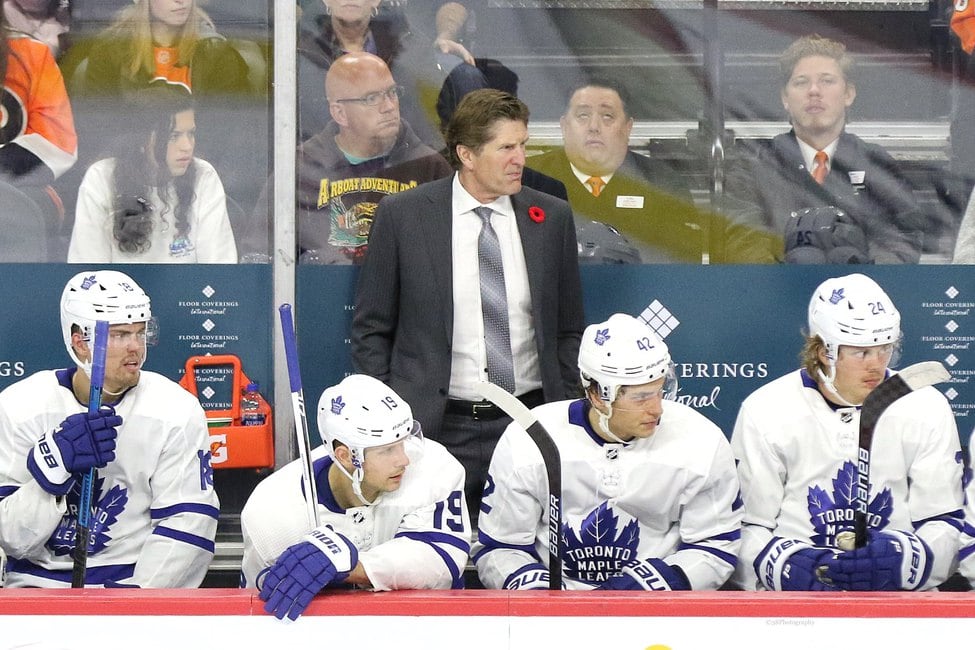
If there’s an early lens on Manny Malhotra, it’s how much he trusts the organization’s young players. Coaching changes don’t really show up in systems this time of year—they show up in trust, usage, and how fast young players are asked to carry responsibility without being sheltered every night.
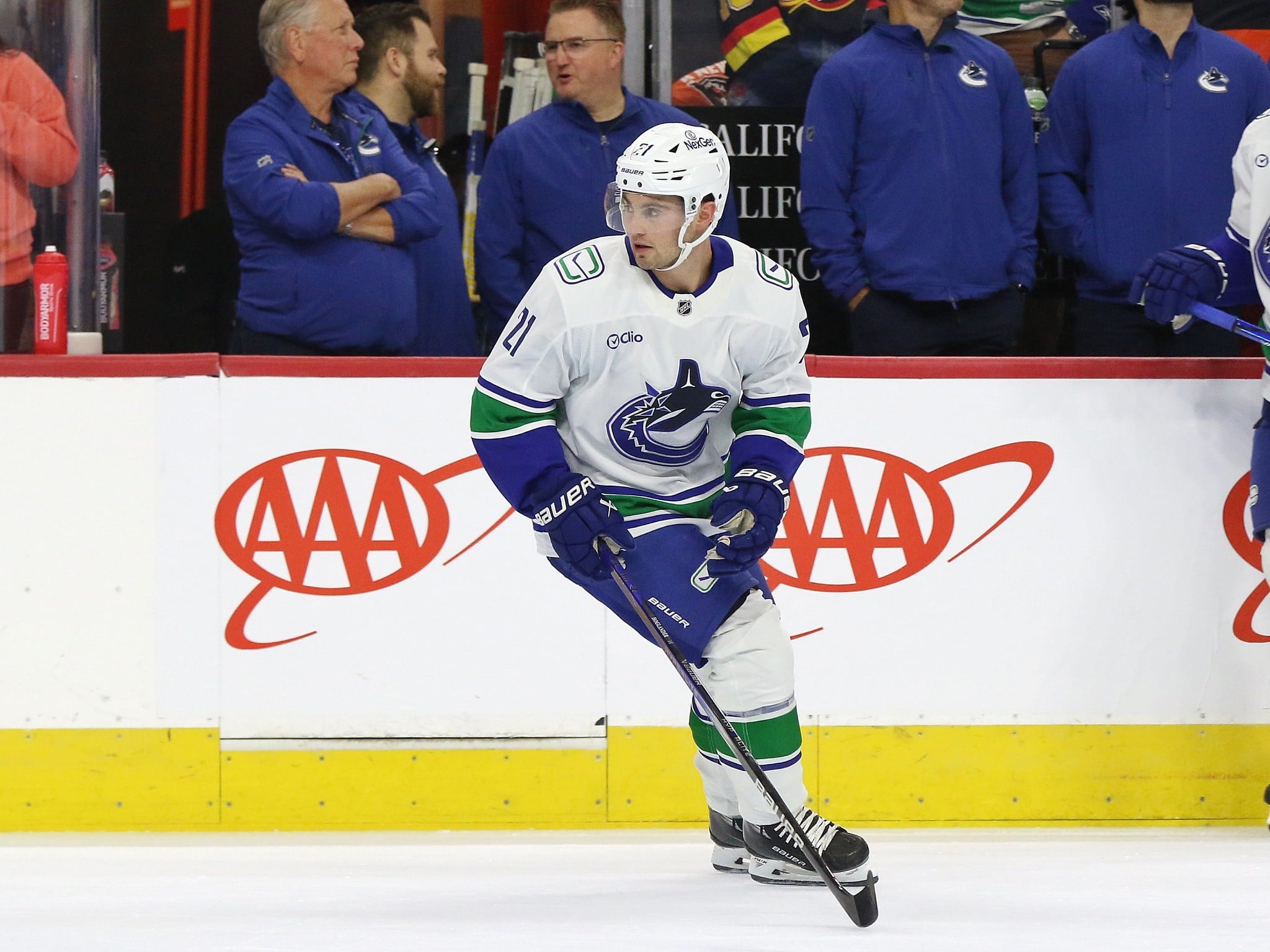
Aatu Räty is the clearest early example. He already knows Malhotra from the team’s American Hockey League affiliate in Abbotsford, and that familiarity matters. He’s a structured player—responsible positioning, detail away from the puck, and dependable in hard minutes. His World Championship run with Finland only reinforced that he can handle pace and pressure.
The next step is offence, but not in a flashy way. It’s about pace through the neutral zone, quicker decisions, and turning “safe” into “useful in transition.” The Canucks don’t need more passengers; they need players who can push the game without losing structure.
On the back end, Elias Pettersson is a different kind of test. His sophomore season showed he belongs, but also showed the hesitation that creeps into young defencemen when reads aren’t fully automatic yet. That’s where Malhotra’s message has to be simple: speed comes from reducing hesitation. Cleaner breakouts, fewer pauses at the blue line, shorter decision windows. It’s not about unlocking new skills—it’s about removing delay so his game can actually catch up to the pace around him.

Then there’s Braeden Cootes, still further out but already part of the internal centre conversation. For him, it’s less about points and more about habits—knowing when to engage, when to slow things down, and how to survive NHL speed without forcing offence that isn’t there. Across all three players, the through-line is the same: Malhotra isn’t being asked to reinvent prospects. He’s being asked to turn “potential” into “reliable,” and that’s usually where real roster progress starts.
What Do the Canucks Do With Elias Pettersson?
The Canucks’ direction is still up in the air. That leads to an uncomfortable conversation about their high-end talent, Elias Pettersson. The organization has remained publicly supportive and internally measured, but Pettersson’s production has dipped, and the weight of his expensive contract has changed how he’s viewed outside the building. When a team is trying to reset its identity while evaluating its core, even an elite player like Pettersson is no longer untouchable.

This is also where the broader NHL landscape starts to creep in. When centres like Dylan Larkin begin requesting trades, the demand for top-tier centres spikes. And in that environment, Pettersson’s name surfaces in speculation, even if the Canucks are not driving that conversation. None of that means a move is imminent. But it does mean the temperature around the discussion is changing with Larkin now on trade lists.
What’s Next for the Canucks
For the Canucks, the next stretch is less about immediate decisions. The coaching staff needs time to settle, then the roster will be evaluated and built. Pettersson remains the central figure in all these conversations. He might not be on the move, but every version of the Canucks’ future either builds around him or lands on the realization that he may never return to peak form. And that’s a huge source of tension that the organization can’t avoid forever.
Right now, the Canucks are still defining what they are. And until that definition becomes clearer, every major decision—including the biggest one in Pettersson’s case—remains part of a longer conversation that hasn’t reached its conclusion yet.
Free Newsletter
Get Vancouver Canucks coverage delivered to your inbox
In-depth analysis, breaking news, and insider takes - free.
Subscribe Free →