If you step back from everything going on right now, there are really only a couple of questions that matter more than the rest when it comes to the Toronto Maple Leafs’ immediate direction. One is obvious, even if it sometimes gets buried under all the noise.
The other is more subtle, but maybe just as important in how this team actually moves forward. Both of them say a lot about how the Maple Leafs are choosing to think about their window right now—less about perfect long-term planning, more about trying to squeeze the most out of what they already have.
Is a Matthews Bounce-Back the Biggest Story of the Summer?
For all the attention being paid to coaching changes, roster churn, and the ongoing “life after Mitch Marner” conversation, the biggest question facing the Maple Leafs might actually be the simplest one: Can Auston Matthews get back to being Auston Matthews?
Not that long ago, Matthews looked like he might be pushing into a different tier entirely. Sixty-nine goals, constant scoring pressure, and the sense that every shift could turn into a goal. Since then, the numbers have come back to earth: 33 goals, then 27. While injuries are a pretty obvious part of that story, they don’t explain everything fans are trying to process when they watch him now.
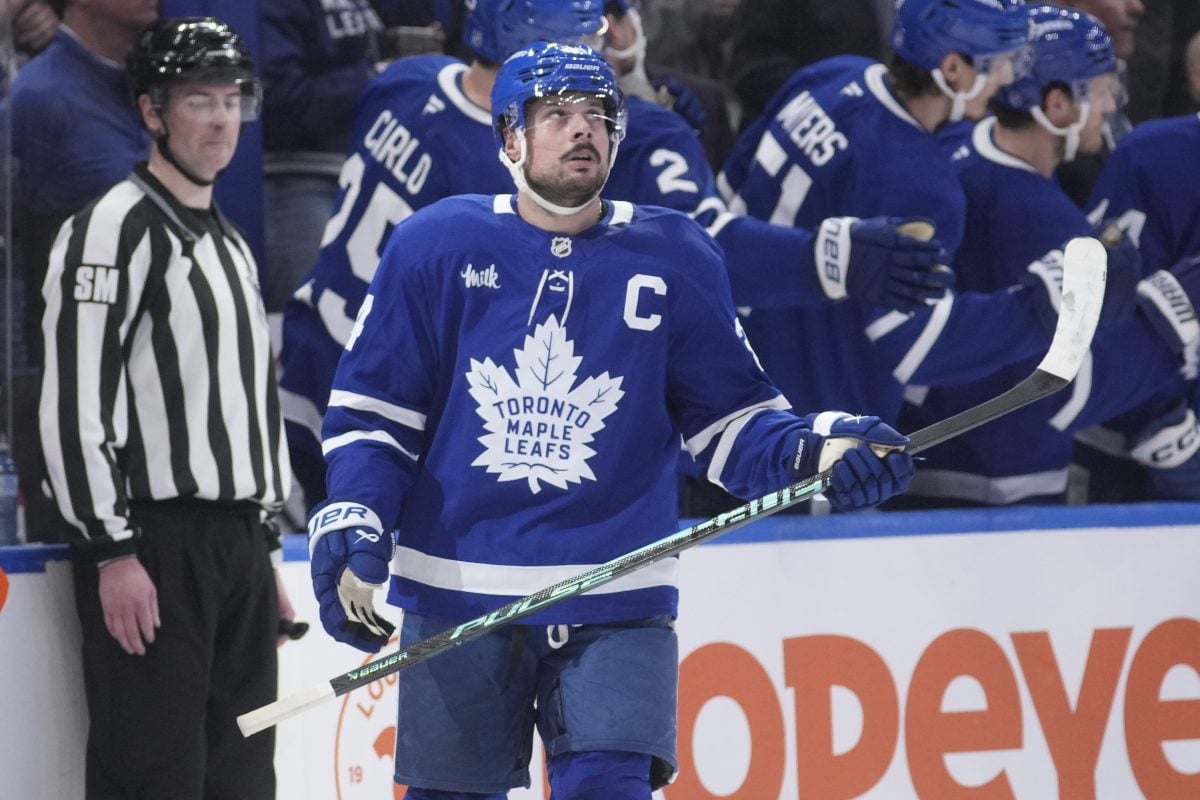
There’s also been a shift in how he’s used. Under Craig Berube, Matthews was still trusted in all the hard minutes, still doing the defensive work, still playing a responsible all-situations game. But at times, it felt like the offensive edge got a little dulled. At times, the balance tilted more toward preventing mistakes than creating offence. That’s just what happens when a team prioritizes structure and responsibility.
Now comes Jim Hiller, and things might get interesting. Hiller has the reputation of a coach who puts skill first, pushes a little more into attack, and a little less into asking elite players to constantly carry the load of the grind. If Matthews is healthy and if the system gives him a bit more freedom, Toronto might not get the 69-goal version of Matthews again. But even a return to something closer to peak Matthews changes the entire temperature around this team.
The truth is this: if that version shows up, it might matter more than any external addition the Maple Leafs make this summer.
Raddysh Reprises Another Maple Leafs’ Gamble on Term
When the Maple Leafs handed Darren Raddysh an eight-year contract, the reaction was pretty immediate. Eight years for a 30-year-old defenceman is the kind of term that makes people instinctively skip ahead to the back half of the deal, where everything looks a little heavier and a little more complicated.
That’s where the Zach Hyman comparison immediately came into my mind. It’s about how teams justify such bets. When Hyman left Toronto for the Edmonton Oilers, there were legitimate questions about whether the term would age well. Those questions still linger. Good player, strong motor, valuable now—but what about later? What happens when speed declines or the role shifts?
Instead, Hyman turned into the exact kind of player who complicates that logic. His game was never built on something fragile. It was habits, positioning, effort, and consistency. Those things tend to age better than people expect. Edmonton didn’t sign him, thinking about year seven. They signed him, thinking he could help them right away, and the rest has mostly taken care of itself. He helped them get into two Stanley Cup Finals.
That’s essentially the same bet the Maple Leafs are making with Raddysh. They aren’t projecting a dramatic reinvention in year eight. They’re betting that his offence, his usage, and his ability to handle a role won’t fall off a cliff the moment the contract gets uncomfortable on paper.
Fans aren’t wrong to flinch at the term. Long deals always carry that future risk, and Toronto has lived through enough of them to know how quickly narratives can shift. But internally, the thinking is simple: if you believe the player is real today, you don’t let year eight scare you away from what he can give you in years one through four.

The point is that the Maple Leafs would probably have re-signed Hyman if they had the chance. Now they face a similar situation and have chosen to play the same game, just a little differently, with Raddysh.
What’s Next for the Maple Leafs?
So, where does all of this leave the Maple Leafs? In a fairly familiar place, actually. Waiting on their best players to set the tone, while trying to balance risk and urgency in the background. The Matthews question might end up defining everything else. If he rebounds even partially toward his peak form, suddenly a lot of the roster construction debates get a lot easier to justify.
At the same time, decisions like the Raddysh deal show you where the organization’s mindset is right now. They’re less interested in perfect contracts and more interested in players they believe can help them win in the immediate window, even if the back end of those deals gets a little uncomfortable.
That’s the tension with this version of the Maple Leafs. They’re not avoiding risk—they’re just choosing which risks they’re willing to live with. As always in Toronto, the answer to whether that works won’t really come from the spreadsheets or the press conferences. It’ll come from whether the top of the lineup actually delivers when it matters most.
Free Newsletter
Get Toronto Maple Leafs coverage delivered to your inbox
In-depth analysis, breaking news, and insider takes - free.
Subscribe Free →