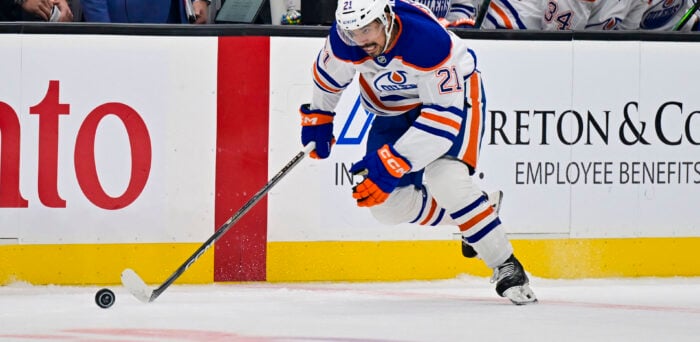
Every year when NHL free agency opens, the focus is usually on the dollars. Fans compare salaries, cap hits and contract lengths, trying to determine which teams got the best value. But another part of contracts has quietly become just as important, no-trade clauses. What was once a privilege reserved for the league’s biggest superstars is now being handed out to players throughout lineups, including depth forwards and bottom-pairing defensemen. As more contracts include some form of trade protection, it raises an interesting question. Why does the NHL hand out so many no-trade clauses compared to the NBA, NFL and MLB, and is it actually a good thing for the league?
The NHL Stands Alone
The NHL has become a clear outlier when it comes to trade protection. While the exact number changes every offseason and is about to change in the next few days, around 245 NHL players currently have either a full no-trade clause, a modified no-trade clause or a no-movement clause in their contracts.
Compare that to the other major North American sports. There are only two NBA players with a no-trade clause, eight in the NFL, and 35 in the MLB. The total across those three leagues is still dramatically lower than in the NHL.
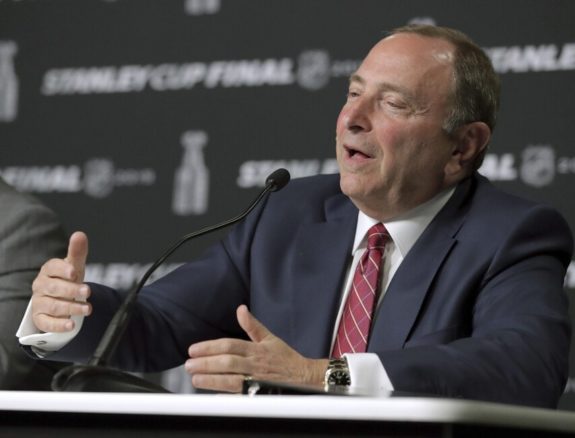
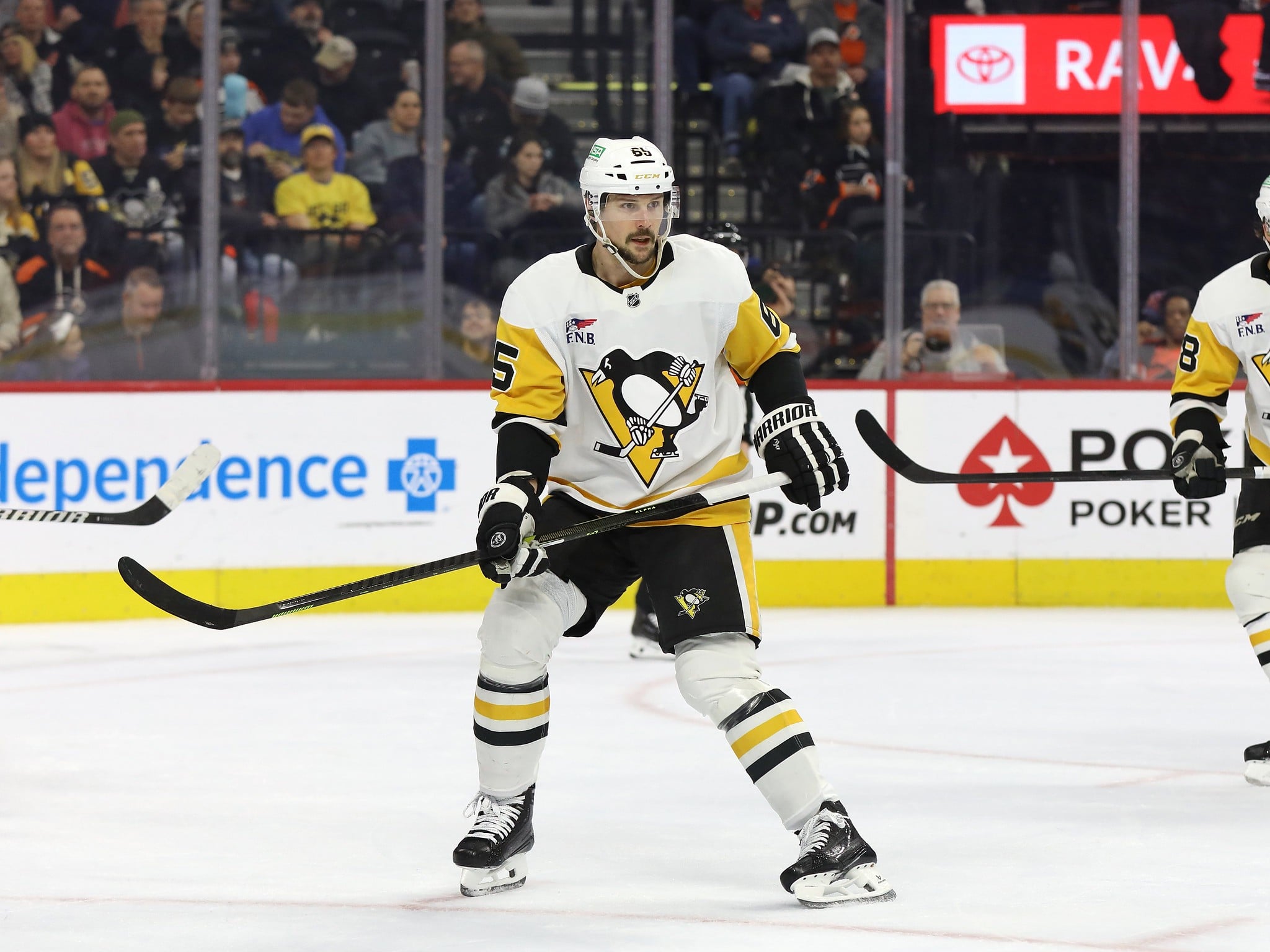
What’s even more surprising is who receives these clauses. They’re no longer reserved for players like Connor McDavid, Nathan MacKinnon or Auston Matthews. Even role players are now receiving some level of trade protection. Michael McCarron is a perfect example. He’s a depth player that never had more than 22 points in a single season in the NHL. Yet that’s where today’s NHL contract market has gone.
General managers have increasingly used trade protection as a negotiating tool. Instead of offering another million dollars per season or an extra year on a contract, they’ll often include a no-trade clause to get a deal across the finish line. It has become one of the most valuable bargaining chips.
Is It Good or Bad for the League?
There are definitely benefits to giving players trade protection. From the player’s perspective, it provides stability. Being traded doesn’t only affect the player, it impacts their spouse, children and entire family. Having some control over where they live and play is a valuable benefit, especially in a league where trades can happen overnight.
Teams also benefit. Sometimes adding a modified no-trade clause allows a general manager to lower the average annual value of a contract or convince a player to sign with their organization over another. It’s often cheaper than simply increasing the salary.
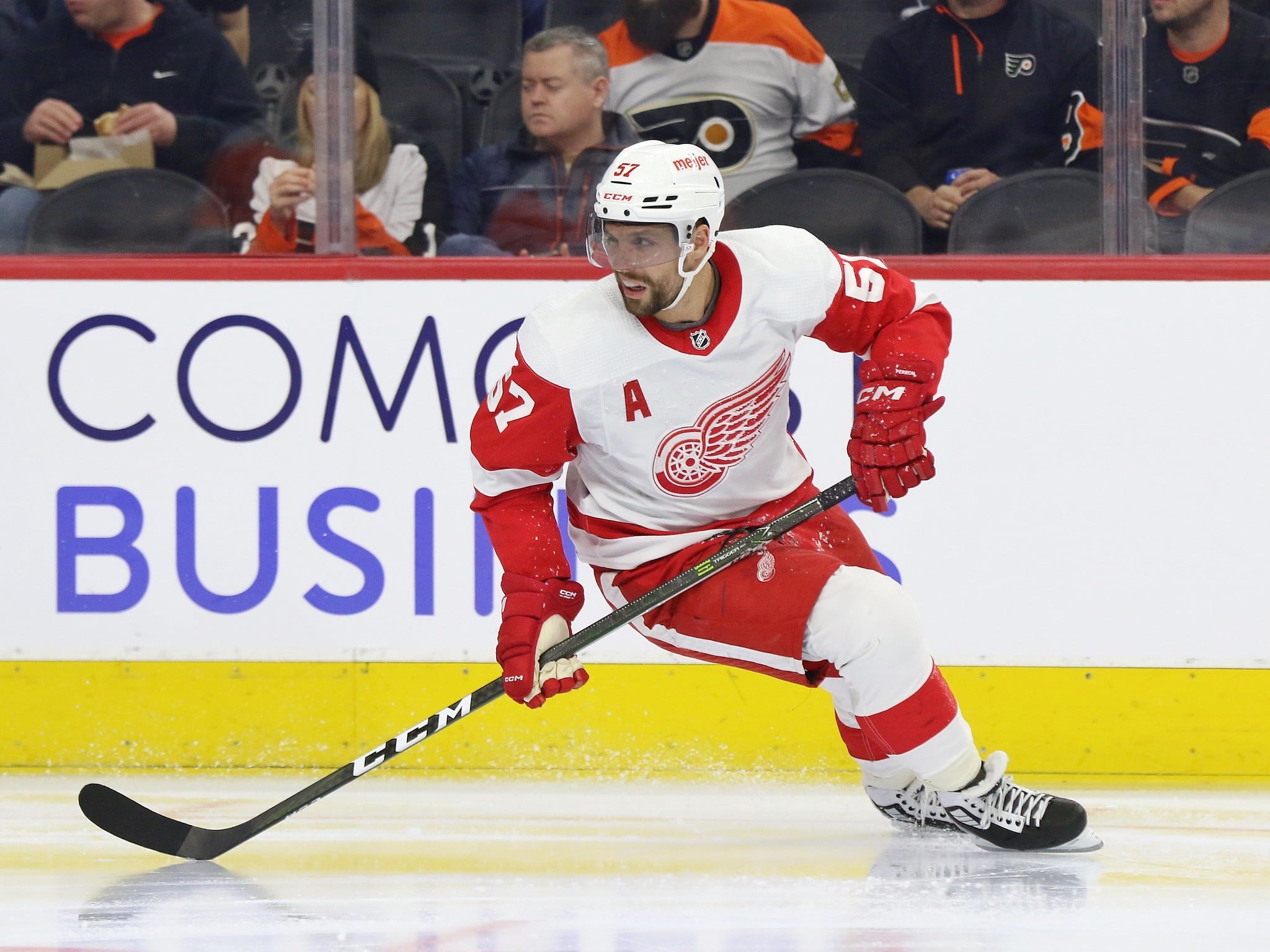
On the other hand, we’ve started seeing a trend where players with trade protection who request trades also dictate exactly where they’re willing to go. Brady Tkachuk eventually landed with the Florida Panthers. Dylan Larkin asked for a trade and gave his three preferred destinations to Florida, the Minnesota Wild and Vegas Golden Knights when trade speculation surrounded him. The Tampa Bay Lightning and the Dallas Stars have also become popular landing spots.
The pattern isn’t difficult to understand. Those organizations consistently compete for the Stanley Cup, several are located in states with little or no state income tax, and they offer attractive lifestyles. The problem is that this limits a team’s leverage. If a player only accepts a trade to three or four clubs, the selling team loses the ability to create a bidding war. That often leads to a smaller return than the player’s true market value. While players deserve some control over their careers, it can create an uneven playing field for franchises trying to maximize the value of their assets.
What Can the NHL Do?
The reality is that there probably isn’t much the league can do. No-trade clauses have become a standard part of NHL contract negotiations, and the NHL Players’ Association would almost certainly oppose any attempt to remove or significantly limit them during the next collective bargaining agreement.
Could the league introduce restrictions? Maybe. It could reserve no-trade clauses for contracts above a certain salary or length, or limit how many players on each roster can receive trade protection. But implementing those changes now would fundamentally change contract negotiations across the league and would likely face heavy resistance from players and agents.
Instead, the responsibility falls on general managers. Every no-trade clause should be treated as something valuable. If a team is willing to hand one out, it should receive something meaningful in return, whether that’s a lower cap hit, fewer years or another concession during negotiations. Otherwise, those clauses can become obstacles when it’s time to reshape the roster.
No-trade clauses aren’t going anywhere. In today’s NHL, they’ve become almost as common as signing bonuses and performance incentives. They provide players with valuable security and help teams attract free agents, but they also reduce flexibility and can shift the balance of power when trade requests inevitably arise. As another free agency period begins, expect more contracts to include some form of trade protection.
Free Newsletter
Get Free Agents coverage delivered to your inbox
In-depth analysis, breaking news, and insider takes - free.
Subscribe Free →