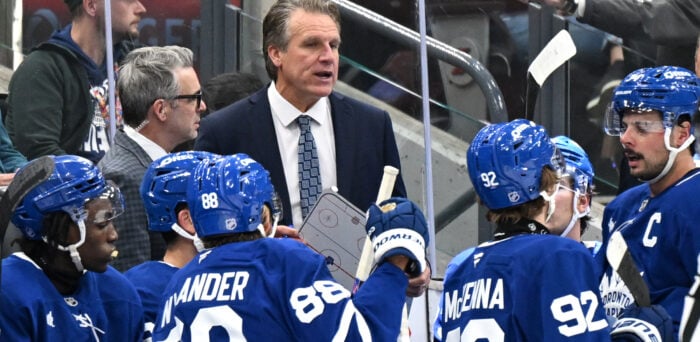
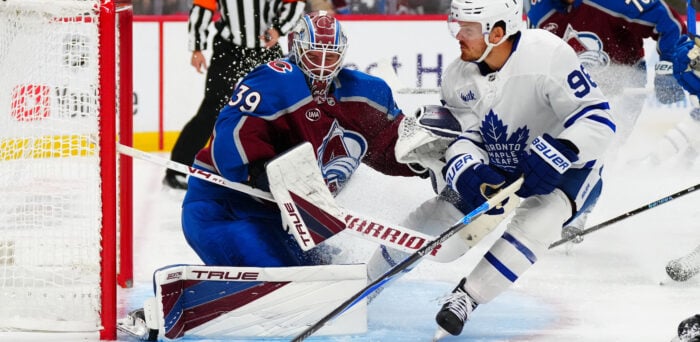
Something interesting is happening with two of Canada’s most closely watched NHL teams. The Edmonton Oilers are flying high, while the Toronto Maple Leafs are struggling to get out of their own way.
Both teams have considerable talent. Both have elite players who can change a game. Yet after the first few weeks of the season, they’re heading in very different directions. After Wednesday’s 3-2 OT win against the Philadelphia Flyers, Edmonton is 14-3-3, while Toronto sits at 8-10-2.
So what’s going on? Is it simply that one team is playing better hockey right now? I think there’s a little more to it. Watching these two teams makes me wonder whether the difference is less about individual talent and more about what happens when talented players have to work together.
The Maple Leafs: Plenty of Talent, Not Enough Team Hockey
Toronto has scored 67 goals in 20 games, which shows there’s still plenty of offensive ability in the lineup. The problem is that the Leafs have given up 69. That’s not a recipe for consistent success. The recent losses have also exposed some familiar problems. Mistakes at key moments, inconsistent defensive play, and too many players not contributing enough when things get difficult.
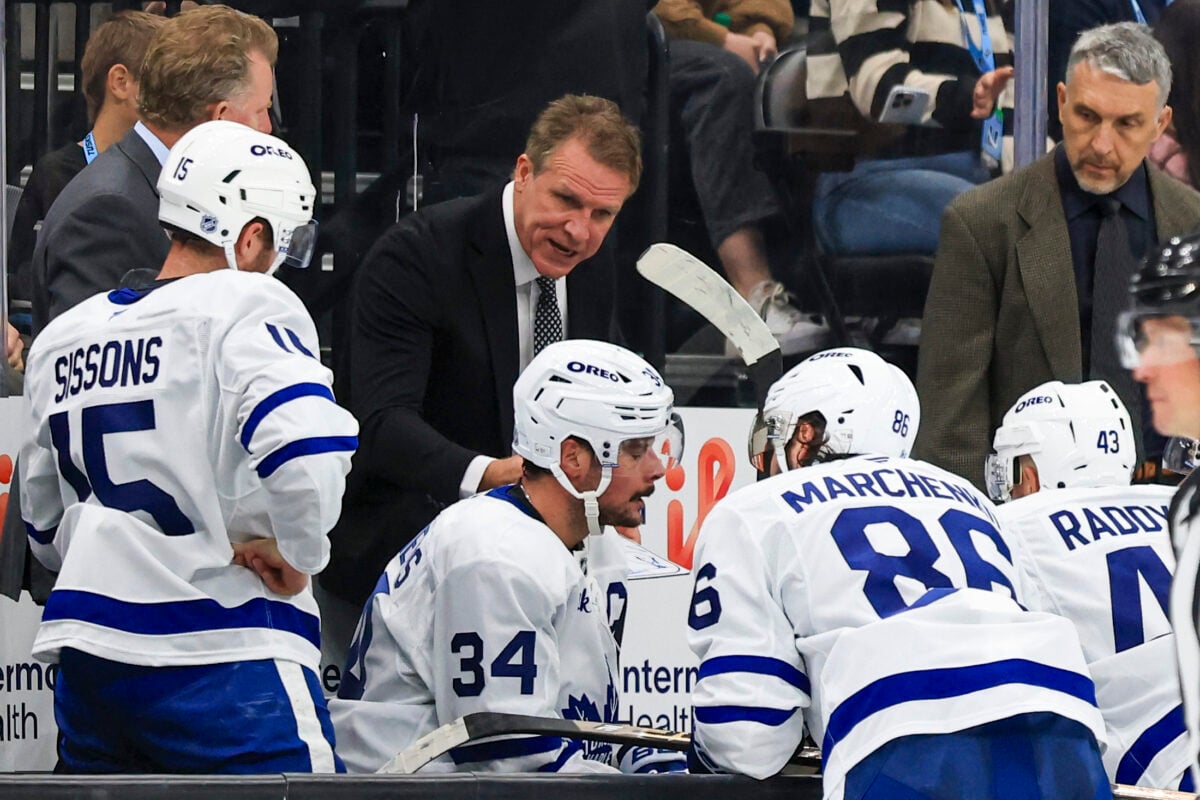
Coach Jim Hiller continues to emphasize that players must take responsibility and work their way out of trouble. He’s right, but the challenge is bigger. Toronto needs to become a team its players can depend on. When one player makes a mistake, somebody else has to be ready to help. When the game gets uncomfortable, the group has to stay together.
The Oilers: Turning Individual Talent Into Team Success
Edmonton has its share of stars, starting with Connor McDavid and Leon Draisaitl. But the Oilers have also been getting better results across the lineup. They’ve scored 80 goals and allowed just 56. That’s a much better balance than Toronto’s numbers, and it suggests Edmonton is doing more than simply relying on its offensive stars to win games.
The Oilers still have things to prove, but they’re showing what can happen when a team gets contributions from throughout the lineup and doesn’t make every game depend on its best players producing something spectacular.
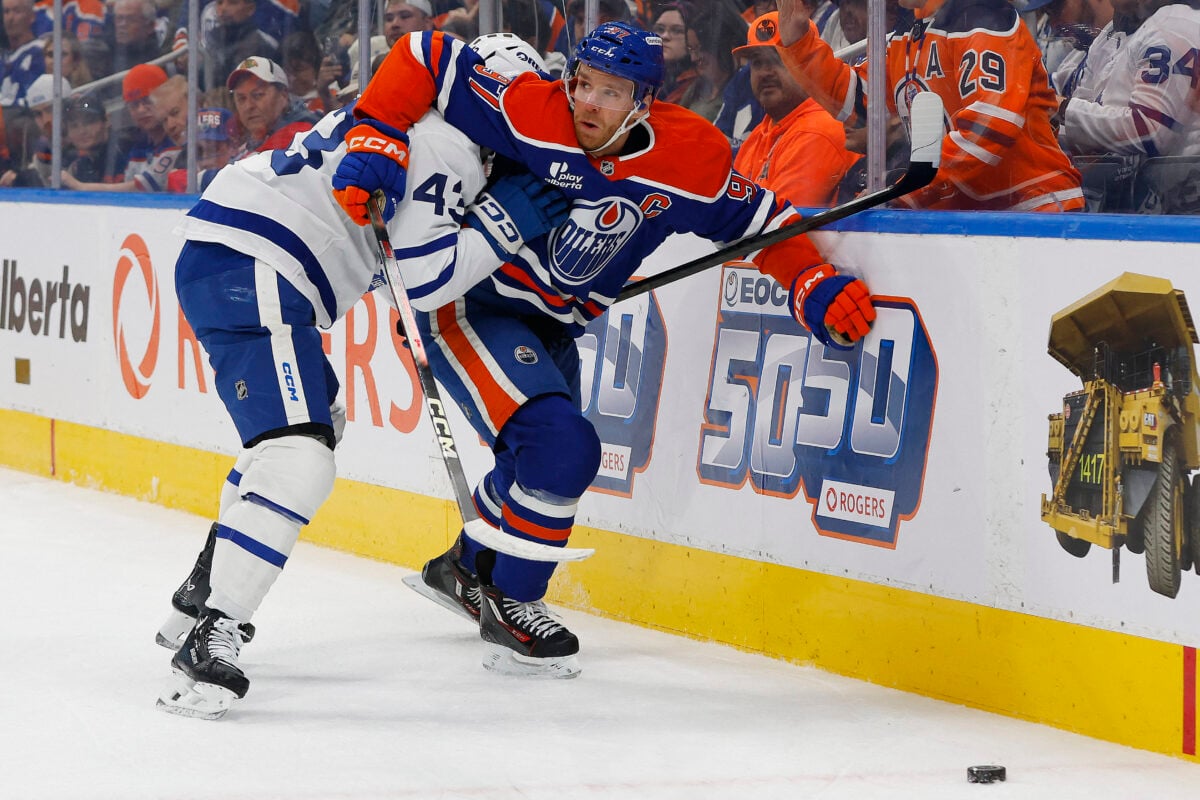
Here’s the question I think is worth asking. Why is Edmonton getting more out of its talent right now, while Toronto seems to be getting less? It might be tempting to look at the standings, compare the goals for and against, and leave it at that. But I wonder whether the real difference lies in less obvious parts of the game.
Good teams develop habits that let talented players become more than a collection of individuals. I think there are three worth looking at.
3 Things That Help Make a Good Team
After almost a decade of watching and writing for The Hockey Writers, I’ve come to believe there are three characteristics worth looking at when we try to understand why some talented teams succeed and others struggle.
First, there’s trust. Hockey players depend on one another constantly. A defenceman needs to know someone will cover for him. A forward needs to trust his linemates to be in the right place. When that confidence disappears, players can start worrying more about their own mistakes than helping the team.
Second, there’s anticipation. Good teams don’t just react to what’s happening. They read the play, recognize danger early, and understand what their teammates are likely to do. Hockey moves too quickly for everyone to figure things out after the puck arrives.
Third, there’s shared competitiveness. The best teams have players who establish the standard. They compete when they have the puck, when they don’t, and when the game isn’t going their way. That attitude can spread through a dressing room.
These qualities aren’t always easy to measure, but fans can see the difference when they’re present and when they’re missing.
Can Edmonton Keep It Going, and Can Toronto Recover?
The Oilers have a good opportunity to keep building on what they’ve started. Their offensive talent isn’t going anywhere, and if they continue getting balanced contributions and responsible play throughout the lineup, they’ll be a difficult team to handle.
Toronto has a different job. It doesn’t need to find another superstar. It needs to get more out of the players already there. The Maple Leafs have enough offensive ability to compete, but they have to start trusting one another, anticipating problems, and competing consistently.
I’m not ready to write off the Maple Leafs, and I wouldn’t be handing Edmonton any trophies just yet. There’s a lot of hockey left to play. But perhaps there’s a lesson in watching these two teams head in opposite directions. Having good players is one thing. Getting them to trust, think, and compete together is something else entirely.
That’s what makes a good hockey team. And right now, Edmonton is doing a much better job of it.
Free Newsletter
Get Toronto Maple Leafs coverage delivered to your inbox
In-depth analysis, breaking news, and insider takes - free.
Subscribe Free →