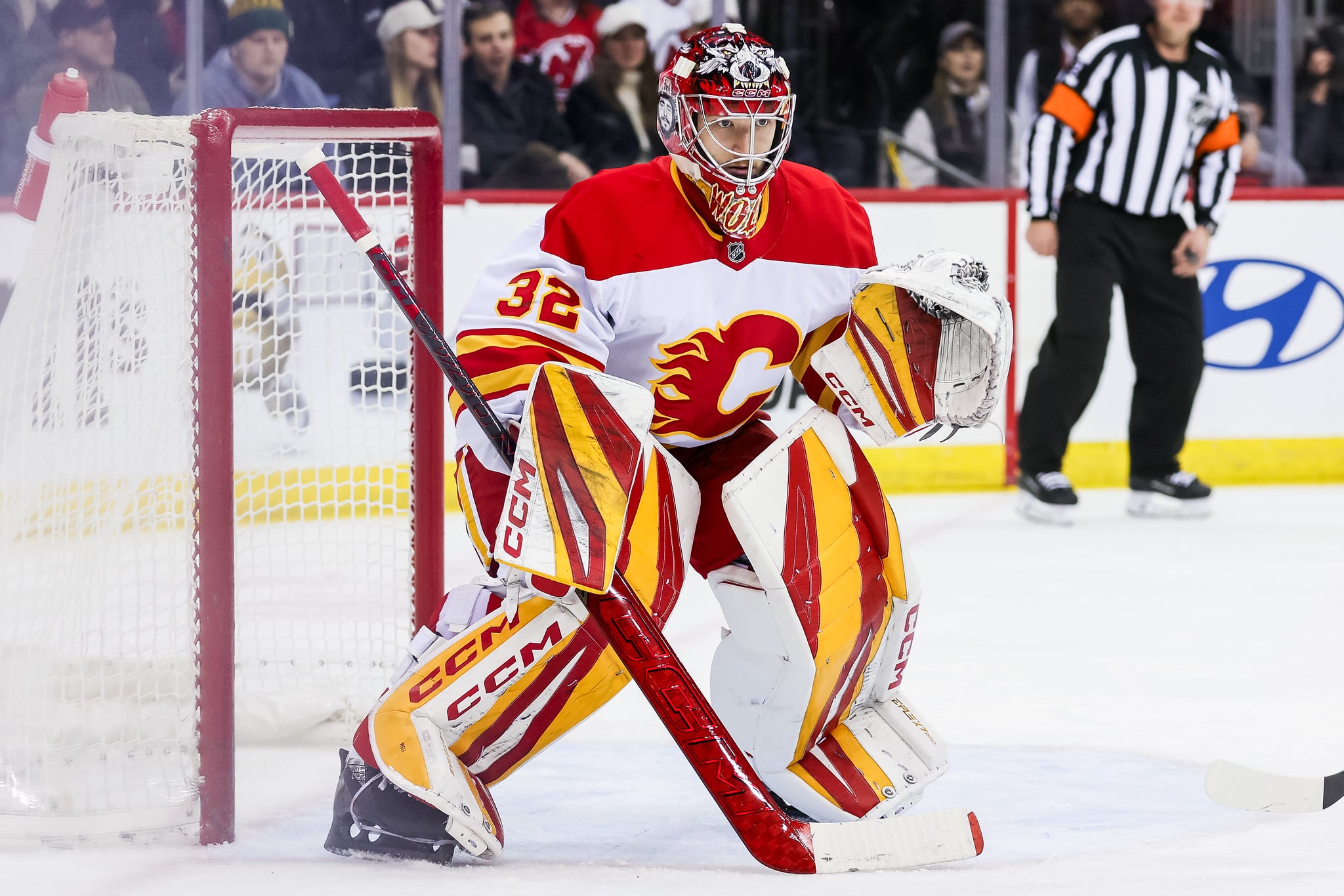
The debate over Anthony Duclair‘s decision to cut his dreadlocks and shave his beard after signing with the New York Islanders highlights the complexity of team grooming policies, especially in a diverse city like New York. Islanders’ GM Lou Lamoriello is known for enforcing strict grooming rules. He’s always had these rules for his team. The rules required Duclair, a 28-year-old Black man with Caribbean heritage, to comply with team standards by cutting his dreadlocks and shaving his beard.
Even if both men agreed to these rules, whether they liked them or not, the situation raises important questions about cultural expression, personal rights, and balancing individual autonomy and team policies. It goes beyond the Islanders’ rules and Duclair’s compliance. There’s more than a chance the issue can become something neither the team nor the player wanted—a cultural flashpoint.
Examining the Complex Dynamics of Personal Identity and Team Policies
On the surface, Duclair’s choice to sign with the Islanders and comply with their grooming policy seemed straightforward. With experience on multiple teams, he was aware of the Islanders’ requirements. Knowing Duclair’s background and the cultural significance of his dreadlocks, Lamoriello sought him out, making the decision appear simple.
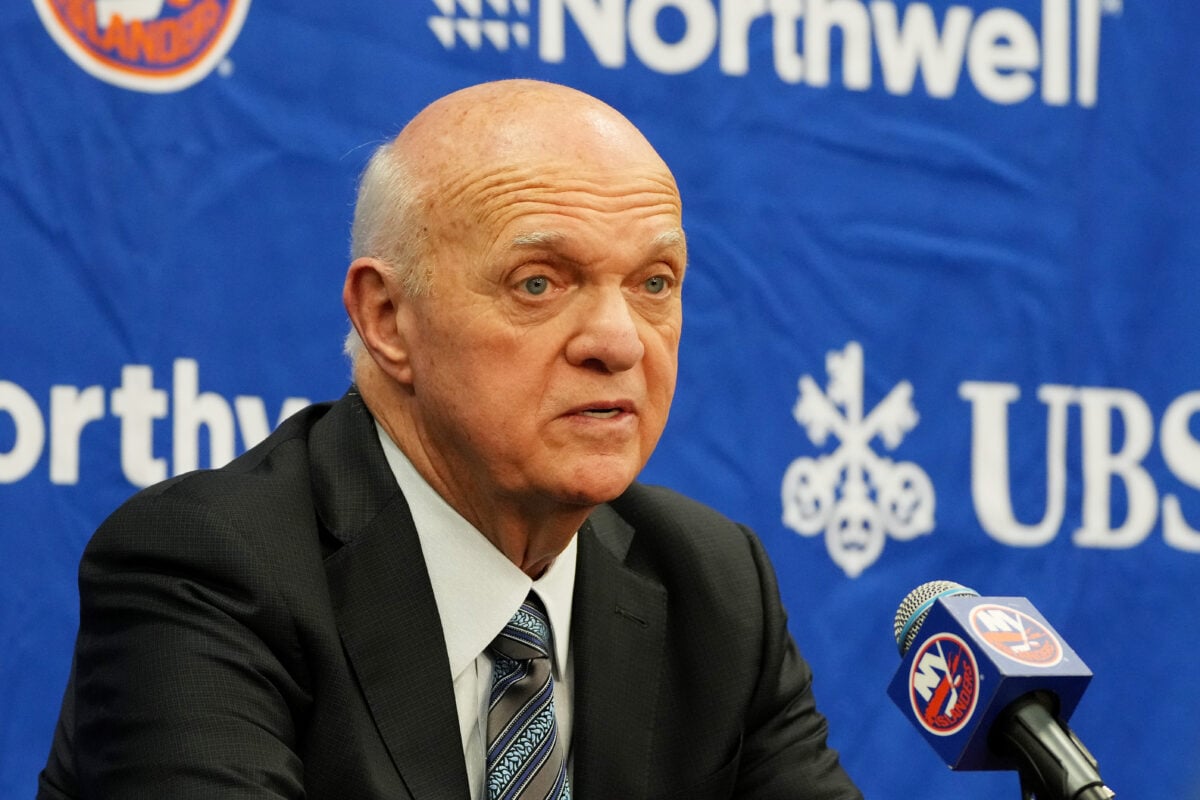
However, this situation is more complex. Duclair chose career stability with the Islanders over personal grooming preferences. While supporters argue that such rules promote unity and discipline, critics see them as restrictive and potentially discriminatory. The impact on cultural or racial identities is a significant concern. Dreadlocks, a form of cultural expression for Duclair, raise questions about balancing individual identity with team policies.
The Islanders view their strict grooming policy as essential for fostering team unity and professionalism, reflecting the values of general manager Lamoriello. Yet, from a cultural perspective, requiring Duclair to cut his dreadlocks might feel like suppressing a significant part of his identity. This raises concerns about cultural sensitivity, individual autonomy, and inclusivity in professional sports.
Duclair’s grooming choice might seem personal, but it has broader implications tied to his Haitian heritage. This situation could spark debates about race, individual expression, and workplace discrimination, potentially leading to criticism of the Islanders and the NHL. In a diverse city like New York, the team’s grooming policy might seem out of touch with community values, questioning the inclusivity and cultural sensitivity of the team and the sport.
The Role of Race in the Islanders’ Situation
The discussion around Duclair’s decision to cut his dreadlocks touches on significant racial and legal issues. In New York State, the CROWN Act protects individuals from race-neutral grooming policies that disproportionately affect people based on race, particularly when such policies force changes to natural hairstyles linked to cultural or racial identity.
While Duclair publicly stated he was okay with cutting his hair, the broader implications suggest he might have felt compelled to comply with the Islanders’ grooming policy to secure his place on the team. This raises questions about his rights under the law and the potential for racial discrimination in this context.
Are There Broader Implications for NHL Hockey?
This situation with Duclair highlights the ongoing tension between tradition and progress in the NHL. Like many other professional sports, hockey is slowly becoming more inclusive and diverse, but this journey is bumpy. As more players from diverse backgrounds enter the league, conversations about cultural expression, race, and individual rights will likely become more common. The NHL, teams, and players must resolve these complex issues with sensitivity and a willingness to adapt.
Perhaps the situation seems straightforward: Lamoriello asked Duclair to cut his hair, and Duclair agreed without making an issue. On the surface, that might appear to be the end of the story. But, sadly, it’s more complex.
Even if both men intended to keep this a non-issue, it could become a cultural flashpoint beyond their control. In an era where identity and expression are deeply significant, this situation could take on a life of its own, raising questions and concerns that neither Duclair nor the Islanders anticipated.
While I hope it’s as simple as Duclair playing hockey for the Islanders and having a great season, I fear it might be more complicated than that.
Free Newsletter
Get New York Islanders coverage delivered to your inbox
In-depth analysis, breaking news, and insider takes - free.
Subscribe Free →