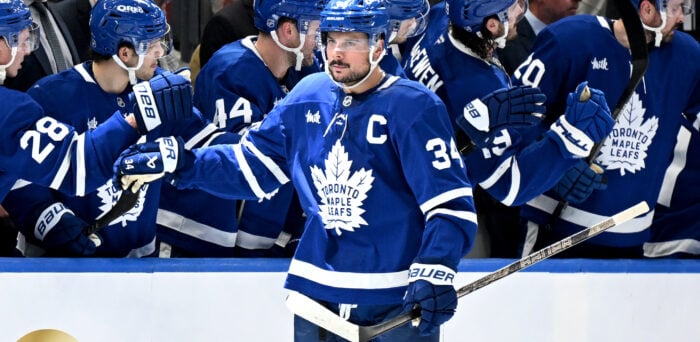
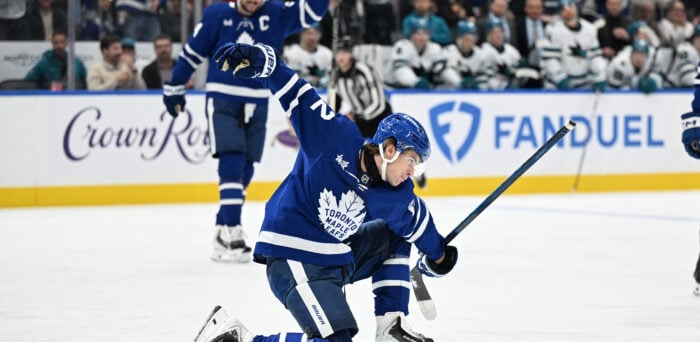
We know the names of the Toronto Maple Leafs stars by heart at this point: Auston Matthews. William Nylander. Morgan Rielly. John Tavares. The big guns are still here, and they’ll probably keep doing what they do. But heading into the 2025–26 season, there’s a quieter, nagging question worth asking—not in headlines or post-game highlights, but in the trenches where playoff series are won or lost.
Is the Maple Leafs’ bottom six finally built to matter?
Because let’s be honest: Maple Leafs’ fans have been here before. For all the regular-season firepower and individual brilliance, it’s often the bottom half of the lineup that’s let Toronto down when things get tight. Whether it’s a late-period turnover, a failed clear on the penalty kill, or just getting hemmed in shift after shift—depth has too often been the difference between moving on and going home.
The Maple Leafs Have a Different Look This Time Around?
To the front office’s credit, they didn’t run it back. Not that they could have if they wanted, with Mitch Marner sent out of town. The offseason saw real change—headlined by the Marner trade, which understandably stole most of the attention. But tucked into that deal (and a couple of others) were pieces that could finally give the Maple Leafs something they’ve sorely lacked: bottom-six stability with actual upside.
Nicolas Roy comes in from Vegas, and he’s the kind of player who doesn’t need the puck to impact a game. He’s 6-foot-4, plays a responsible 200-foot game, and has playoff experience. He’s not flashy—but maybe that’s the point. Then there’s Dakota Joshua, the kind of forward Toronto fans have been asking for since, what, 2004? He hits. He kills penalties. He finishes checks and wears down defensemen. Not a game-breaker, but a tone-setter—the kind of player who makes you harder to play against.
Add those two to returning names like Calle Järnkrok, David Kämpf, and company, and suddenly the depth chart starts to look like… a real team. Not just guys filling space. Actual options.
Still, Maple Leafs Fans Shouldn’t Get Ahead of Themselves
Because this is still Toronto, and we’ve all seen enough depth pieces come and go with barely a footprint. It’s fair to ask: can Nicholas Robertson continue to hone his offense while becoming more defensively able? Can he stay healthy long enough to matter? Can Järnkrok return from his injury and demonstrate the kind of solid consistency he showed in previous seasons?

(Jess Starr/The Hockey Writers)
Then there’s Easton Cowan, coming in hot from junior and turning heads at camp. Do the Maple Leafs give him a real shot, or is it too soon? It’s a good problem to have, sure. But it’s only a strength if the results follow. Because we’ve seen “promising depth” before—and it’s rarely translated when things get serious.
What Would a Good Maple Leafs Bottom Six Actually Look Like?
It’s not just about effort or energy, though those help. A good third line can kill penalties, tilt the ice, and pop a few goals when your stars are being blanketed. The fourth line? You want them to win their minutes, eat up tough assignments, and give your top guys a breather without chaos breaking loose.
Last season, Toronto’s bottom six often looked overwhelmed. Too many quiet nights, too many low-danger shifts that bled into momentum killers. You can’t survive long in the playoffs like that—not against deep teams like the Florida Panthers.
This group—if it clicks—might change that. Roy can drive a line. Joshua can wear teams down. That’s what real depth looks like.
So, Is This the Season to Believe in the Maple Leafs’ Bottom Six?
Maple Leafs fans say it at the start of every regular season. This might be “the year.” But maybe, instead of watching the usual stars and hoping they go supernova, it’s time to focus a little lower down the lineup. Because the truth is, Matthews and Nylander don’t need to do more. Someone else does.
Can the bottom six hold the puck more than they chase it? Can they turn in a game-changing penalty kill? Can they stay healthy, win their shifts, and perform well when the games get tough? If the answer’s yes—even just a qualified yes—this Maple Leafs team might finally be different. Not because of what’s at the top of the roster, but because of who’s supporting it.
And maybe, just maybe, that’s what’s been missing all along.
Free Newsletter
Get Toronto Maple Leafs coverage delivered to your inbox
In-depth analysis, breaking news, and insider takes - free.
Subscribe Free →