The Toronto Maple Leafs have a couple of interesting stories to follow, and they touch on two different sides of the hockey business. One involves a familiar face from the organization’s recent past. The other concerns a player who remains central to the team’s future and a new approach that could help him stay at his best.
Brendan Shanahan has found another role in hockey, this time helping the Professional Women’s Hockey League (PWHL). Meanwhile, Auston Matthews has been talking about the Maple Leafs’ changing approach to training and player readiness. Neither story is likely to settle any big questions about the team on its own, but both offer a glimpse into how hockey organizations evolve, sometimes away from the spotlight and sometimes right in front of us.
Brendan Shanahan Lands New Role With a Familiar Maple Leafs Connection
Two years after his time as Maple Leafs president ended, Brendan Shanahan is moving into a new role with a familiar connection to Toronto. He has joined Kilmer Sports Ventures as a strategic advisor to the PWHL. Kilmer is owned by Larry Tanenbaum, the former co-owner of Maple Leaf Sports & Entertainment, so this is a reunion of sorts for two people who spent years working in the same hockey world.
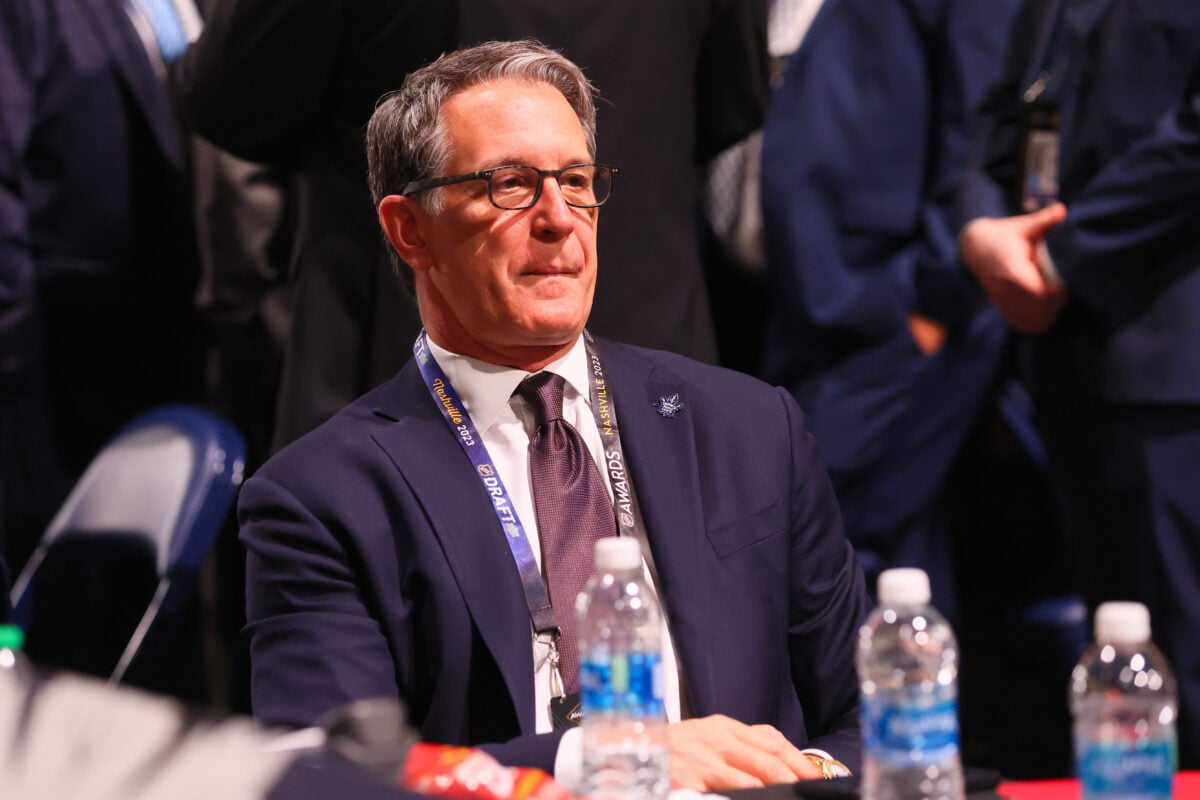
(Photo by Bruce Bennett/Getty Images)
The position also brings Shanahan back into contact with Jayna Hefford, a key figure in the growth of women’s hockey. Shanahan worked with Hefford during the Maple Leafs’ earlier relationship with the PWHL, and he has said that women’s hockey is a passion of his. His job will be to advise on the league’s growth, including expansion, player protection, profitability, and the experience of teams, players, and fans. He won’t be running the league day-to-day.
Since leaving Toronto, Shanahan has also taken on a role with Hockey Canada overseeing men’s junior hockey and joined the New York Islanders’ hockey operations department. His time with the Maple Leafs certainly had its share of debate, as it probably would for anyone in that position. But Shanahan is still involved in the game, and this latest opportunity gives him another way to contribute.
For Maple Leafs fans, it’s an interesting reminder that people who leave the organization don’t necessarily leave hockey behind. Shanahan’s new role is a different challenge, and it will be worth watching how he helps the PWHL keep growing.
Auston Matthews Benefits From a New Approach to Training With the Maple Leafs
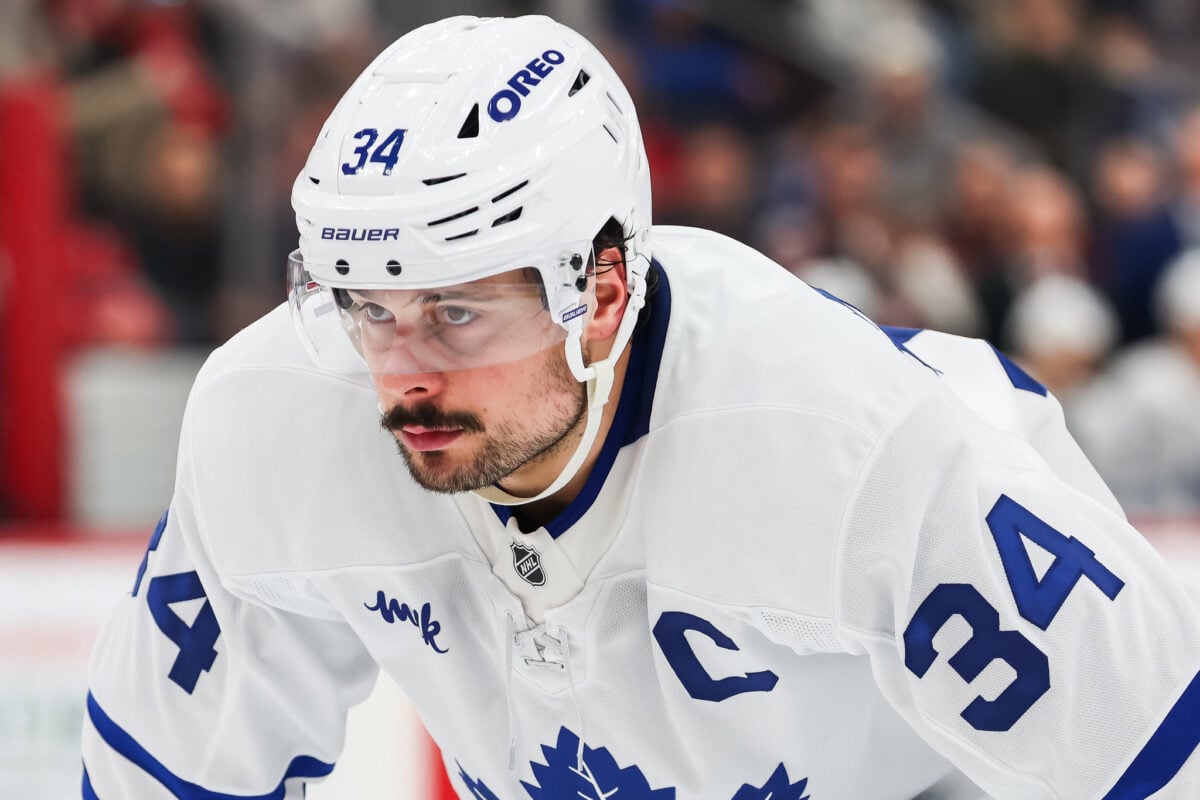
Matthews has looked more like himself early in the 2026-27 season. He’s moving well, shooting more and has recorded 12 points through his first seven games. It’s still early, of course, but his game has taken an encouraging jump. One possible piece of the story is the Maple Leafs’ evolving approach to player health and conditioning.
Matthews recently described a day when a readiness test showed he wasn’t in great shape for a full workout. Rather than asking him to push through it, the training staff suggested he focus on getting loose and preparing to skate, leaving the usual workout for another time. Matthews appreciated having the information and a plan that matched how he was feeling.
That sounds like common sense, but common sense can sometimes be harder to put into practice than we think. Professional athletes are used to working hard, and they can be tempted to believe more work is always better. But if the goal is to perform in games, there’s a good argument for adjusting the plan when a player’s body is telling him something.
It’s too soon to say whether the new approach will reduce injuries or improve results over a full season. Matthews’ strong start doesn’t prove that the training changes are responsible, either. Still, giving players better information and a sensible plan for responding to it seems like a worthwhile step. If it helps Matthews stay healthy and play closer to his best, the Maple Leafs will be glad they made the investment.
What’s Next for the Maple Leafs?
Shanahan’s next chapter is worth following, particularly as the PWHL continues to build its place in the hockey world. His NHL experience and previous connection to Hefford could be useful, though the results will take time to judge.
Closer to home, the bigger question is whether the Maple Leafs’ new approach to performance and recovery can help their key players stay available and effective throughout the season. Matthews is off to a promising start, but seven games tell us only so much. For now, the signs are encouraging. The challenge is turning them into something that lasts.
Free Newsletter
Get Toronto Maple Leafs coverage delivered to your inbox
In-depth analysis, breaking news, and insider takes - free.
Subscribe Free →