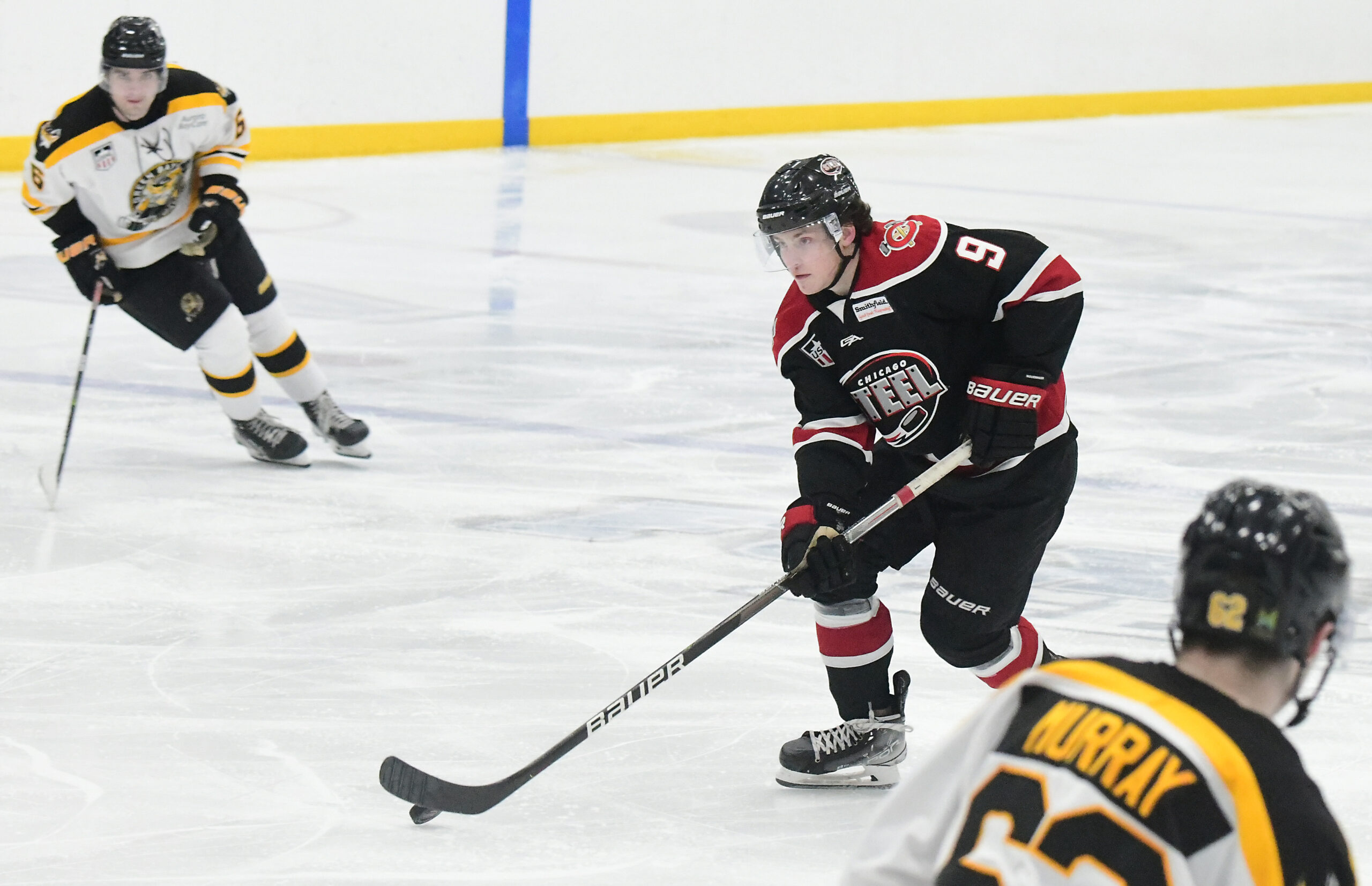
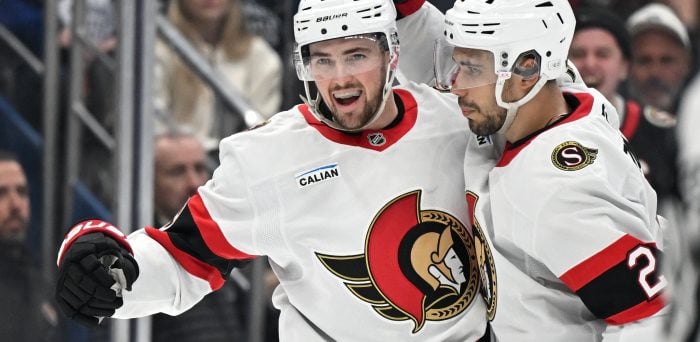
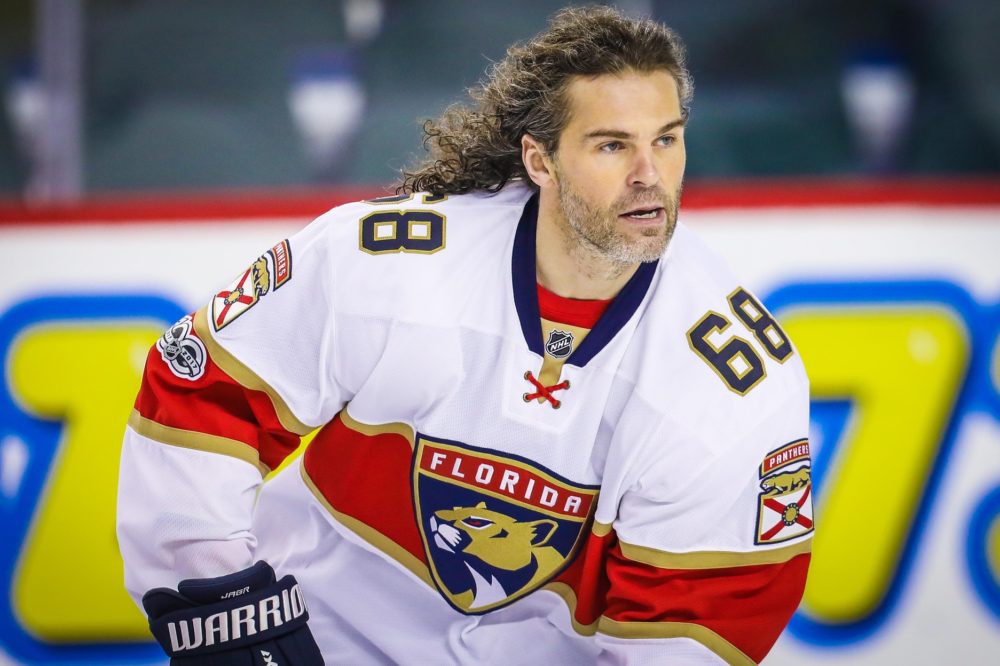
The Toronto Maple Leafs are at a crossroads with young forward Nick Robertson. The situation offers a fascinating glimpse into how Brad Treliving’s approach as a general manager might differ from that of Kyle Dubas. As fans watch this saga unfold, it raises the question: Would things have played out differently if Dubas were still in charge?
Dubas’ Commitment to Players: The Josh Leivo Example
In 2018, Dubas made a move that showcased his unique management style and commitment to players. Shortly after signing William Nylander to a contract that ended his holdout, Dubas traded young prospect Josh Leivo to the Vancouver Canucks. The return was Michael Carcone – a player who never played for the Maple Leafs. However, this trade wasn’t about maximizing the team’s return but about keeping a promise Dubas had made to Leivo.
In explaining the move, Dubas commented that he had promised Leivo and his agent that if Leivo weren’t going to be in the lineup regularly, he would try to find a place where the winger could get more playing time. “I gave them my word… we would try to find a spot for him where he would have a great opportunity,” Dubas shared.

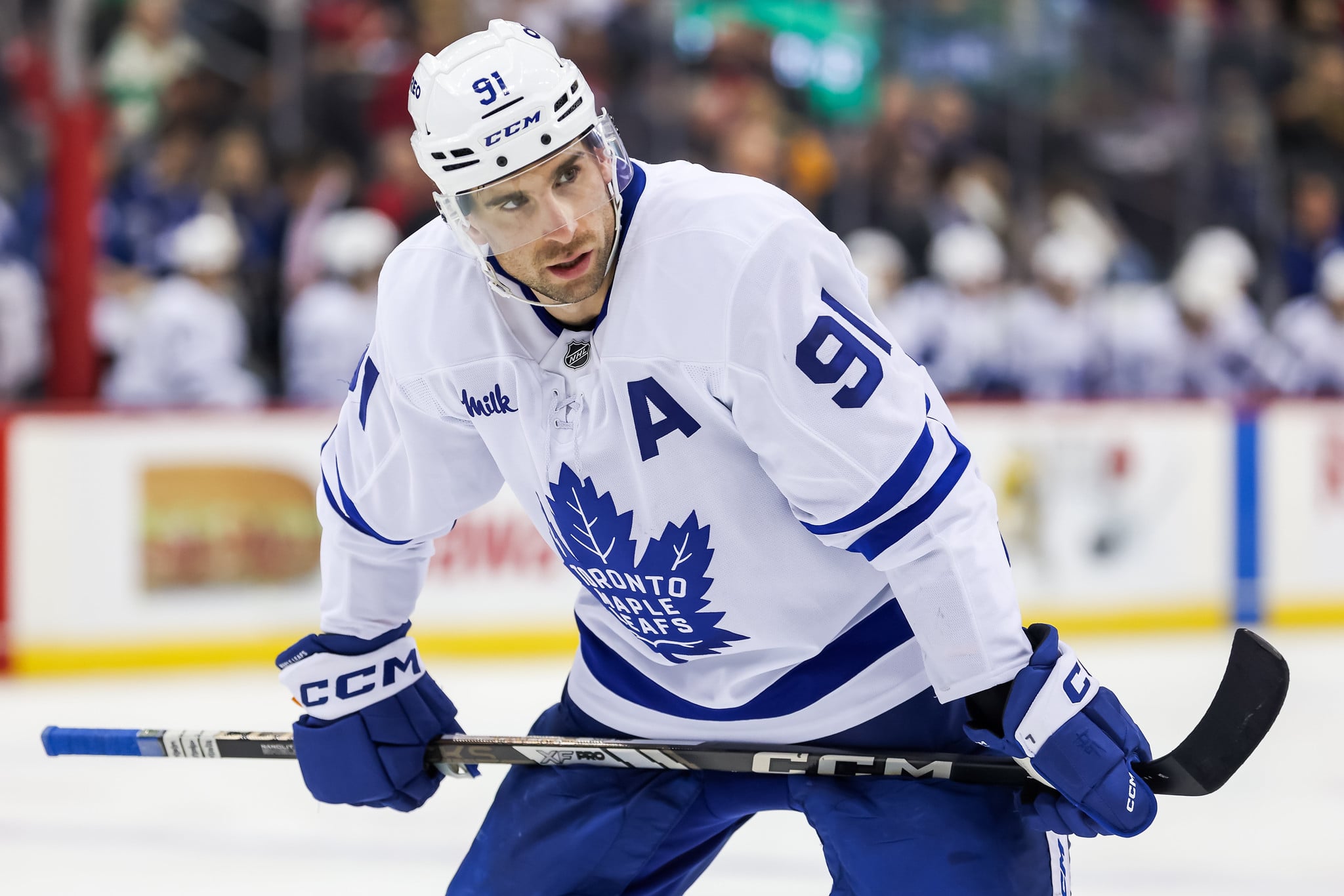
(Photo by Alana Davidson/NHLI via Getty Images)
While Leivo wasn’t a star, Dubas’ decision was a clear example of his willingness to prioritize a player’s needs over the team’s asset management goals. His player-first approach was part of his process during his tenure in Toronto.
The Mikheyev Incident: Dubas’ Personal Touch
Perhaps the most telling example of Dubas’ dedication to his players came in 2019 when Ilya Mikheyev suffered a severe wrist injury while playing in New Jersey when he was cut by Jesper Bratt’s skate. Mikheyev, a young Russian forward far from home and without family, faced surgery to repair severed tendons. Dubas, prompted by his wife’s concern for the player, chose to stay by Mikheyev’s side throughout the ordeal.
While the rest of the team flew back to Toronto, Dubas stayed in New Jersey, spending several days in the hospital with Mikheyev. They spent the time watching soccer and getting to know each other. Dubas even went out of his way to buy Mikheyev what he needed from his own pocket. When Mikheyev was finally healthy enough to fly home, Dubas accompanied him back to Toronto.
This level of personal investment in his players set Dubas apart from many other GMs. He cared not just about their performance on the ice but also about their well-being off it. However, we don’t believe many Maple Leafs fans fondly remember his reputation as a “player’s GM.” Most seemed to despise whatever Dubas stood for or did and wanted him gone sooner rather than later.
Brad Treliving’s Tougher Approach with Nick Robertson
Fast forward to 2024, and the Maple Leafs find themselves in a standoff with Nick Robertson. The young winger, frustrated by a lack of consistent playing time and a series of injuries that have hindered his progress, reportedly requested a trade earlier this summer. Despite receiving a qualifying offer from the Maple Leafs, Robertson has refused to sign, and rumours suggest he’s seeking a new opportunity elsewhere.
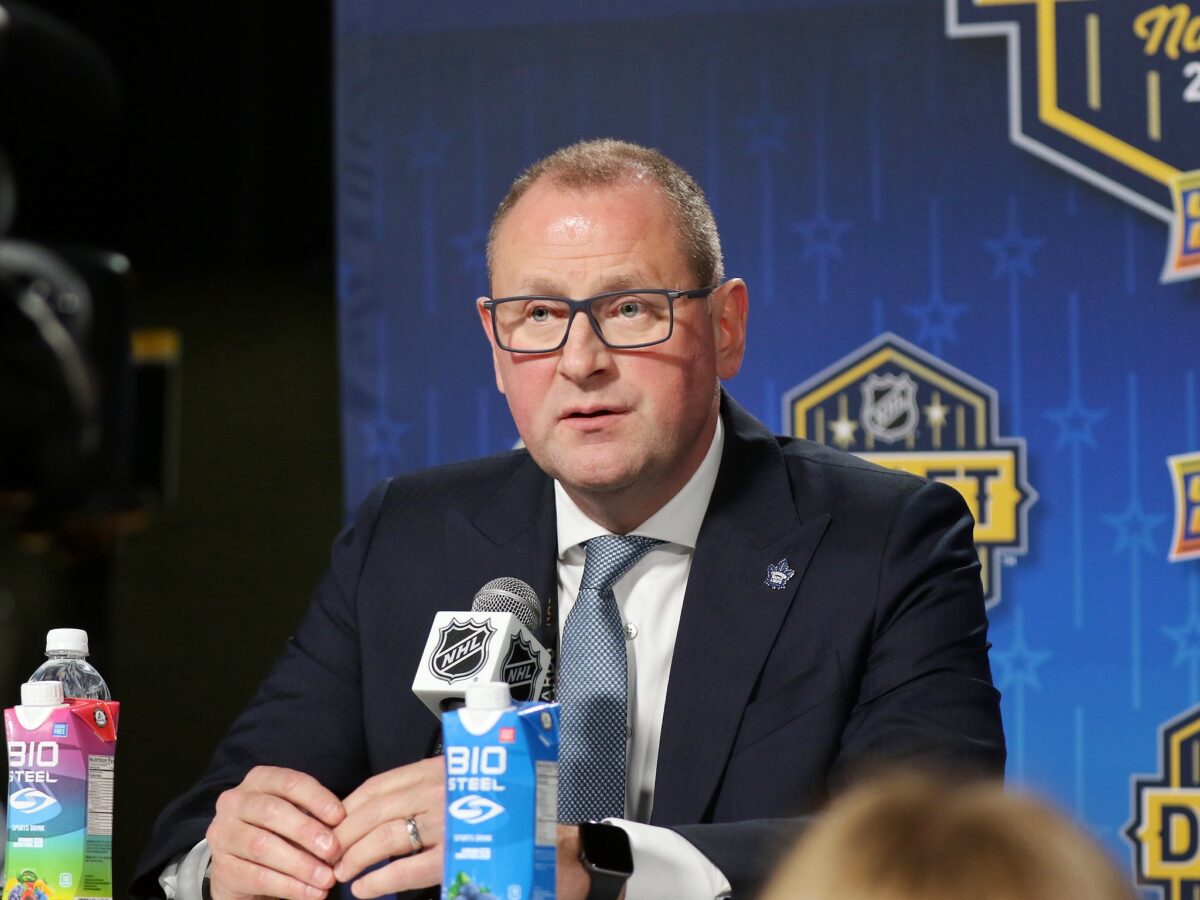
Unlike Dubas, who might have facilitated a trade by now, Treliving has taken a more rigid stance. He has publicly expressed his desire to keep Robertson in Toronto, emphasizing that the team sees value in him moving forward. While he acknowledged Robertson’s frustrations, Treliving seems more willing to hold firm and leverage the team’s power. He hopes to ensure that the Maple Leafs either retain the young forward or receive fair compensation.
Hockey insider Pierre LeBrun recently reported that Robertson has doubled down on his trade request, making it clear he has no intention of signing with the Maple Leafs. Yet Treliving appears to be playing hardball, taking a “you’re with us, or you’re not playing” approach. It contrasts Dubas, who might have moved more quickly to accommodate the player’s wishes and avoid a lingering distraction.
Would Dubas Have Traded Robertson by Now?
Dubas’ reputation as a GM who deeply valued his players’ happiness and well-being suggests that, had he still been in charge, the Robertson situation might have already been resolved. If Dubas felt Robertson would benefit from a fresh start elsewhere, he likely would have facilitated a trade, just as he did with Leivo and other players during his tenure.
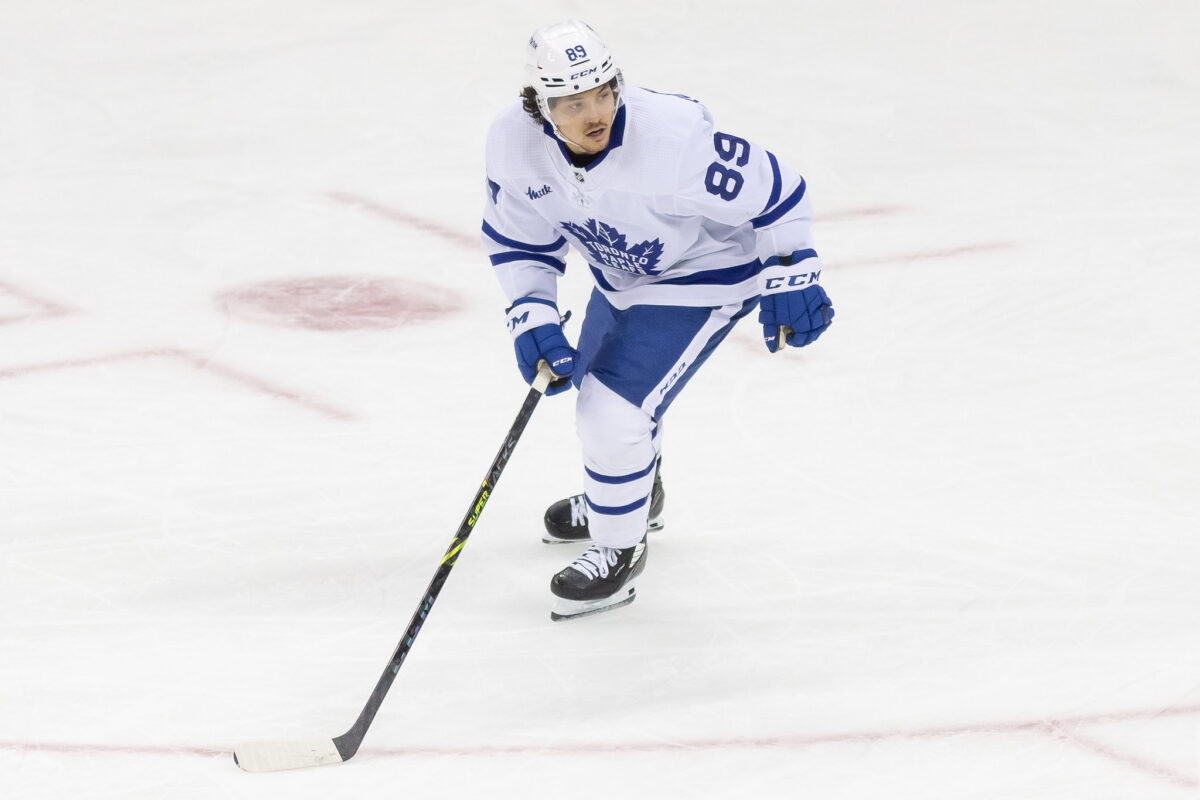
Treliving seems more focused on ensuring the organization gets the most out of its investments, even if it means holding firm with a disgruntled player. His approach prioritizes the team’s long-term goals over individual player satisfaction, contrasting the two management styles. The prevalent mood seems to side with Treliving’s strategy. From what we read, fans seem to have little empathy for Robertson or his dilemma.
A New Era for the Maple Leafs?
As fans, we can only speculate about what’s happening behind closed doors. Perhaps Robertson truly wants to leave Toronto, or maybe the disagreement stems from a contract negotiation tactic. Whatever the case, with training camp just around the corner, the situation could soon resolve itself or become a further distraction for the team.
Under Dubas, this conflict might have already been resolved—likely in favour of finding Robertson a new home. Under Treliving, we’re witnessing a different approach that might test both the player and the GM in the weeks ahead. How this plays out could set the tone for the new Maple Leafs regime under Treliving as the team transitions into a new era of leadership and decision-making.
In a nutshell, it’s different than Dubas would have handled it.
[Note: I want to thank long-time Maple Leafs fan Stan Smith for collaborating with me on this post. Stan’s Facebook profile can be found here.]
Free Newsletter
Get Toronto Maple Leafs coverage delivered to your inbox
In-depth analysis, breaking news, and insider takes - free.
Subscribe Free →