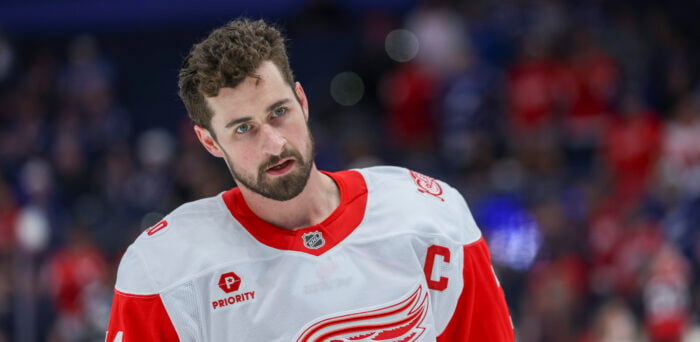
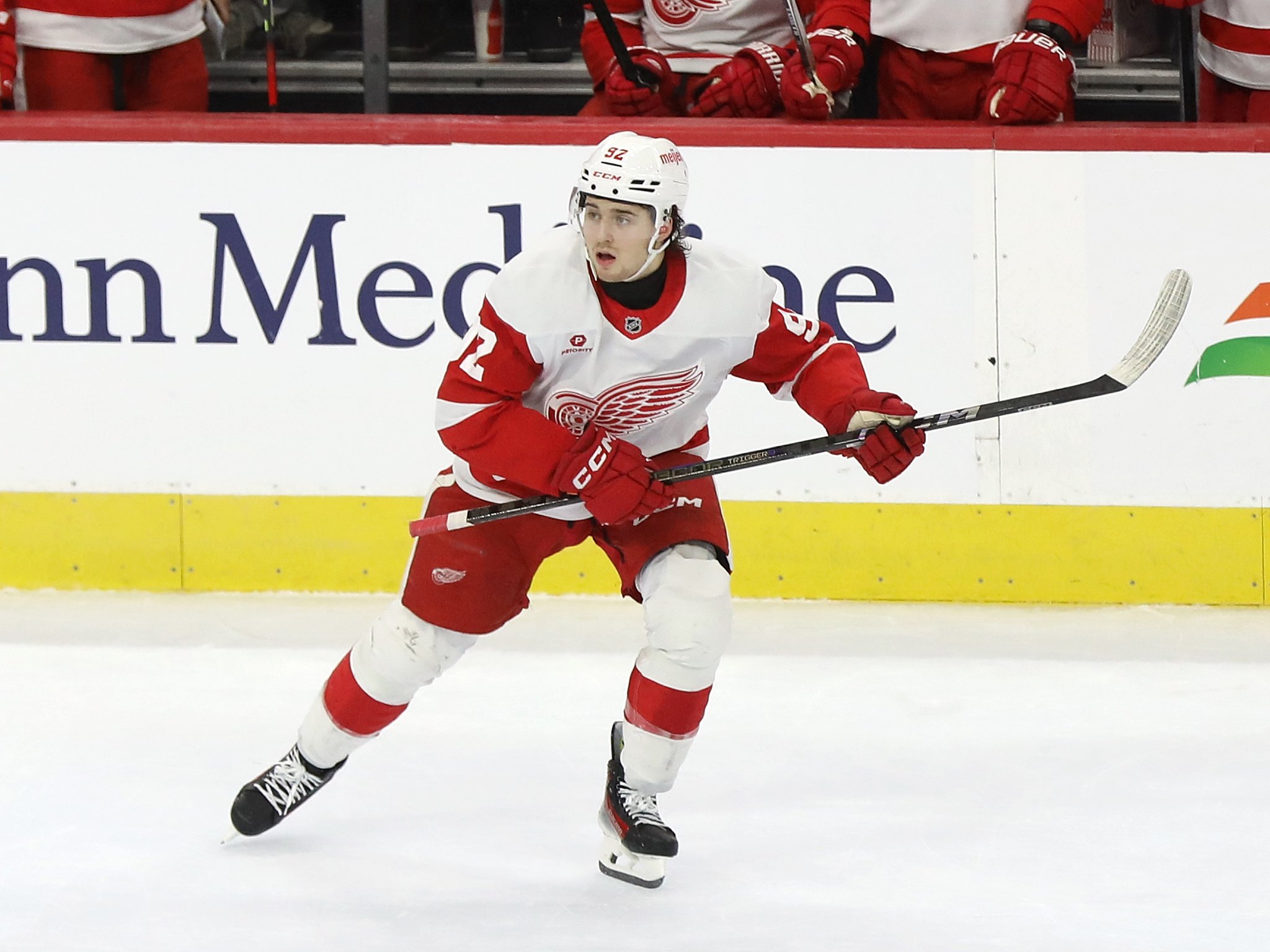
When the Detroit Red Wings’ new general manager steps into Little Caesars Arena, they won’t have the luxury of easing into the job. While the new GM will need time to bring their vision to life, several important decisions are already waiting on their desk, with the Dylan Larkin situation being the most pressing.
Additionally, Simon Edvinsson needs a new contract and Alex DeBrincat’s future needs to be addressed before his current deal expires. At the same time, the new GM will need to finalize the roster, evaluate the existing hockey operations staff, and modernize the front office. Fortunately, these tasks don’t all have to be completed one at a time.
Red Wings’ September To-Do List
Like I said, there’s a lot to do, and several tasks stand out as high priorities. That said, some can be parallel-pathed, allowing the new GM to make progress immediately while building a longer-term plan.
Resolve Dylan Larkin Trade Request
First and foremost, the Larkin situation needs to be addressed. Before deciding whether to honor the trade request, the new GM needs to understand why the captain wants out and whether there is a path toward repairing the relationship. That means sitting down with Larkin, his representatives, and other relevant members of the organization.
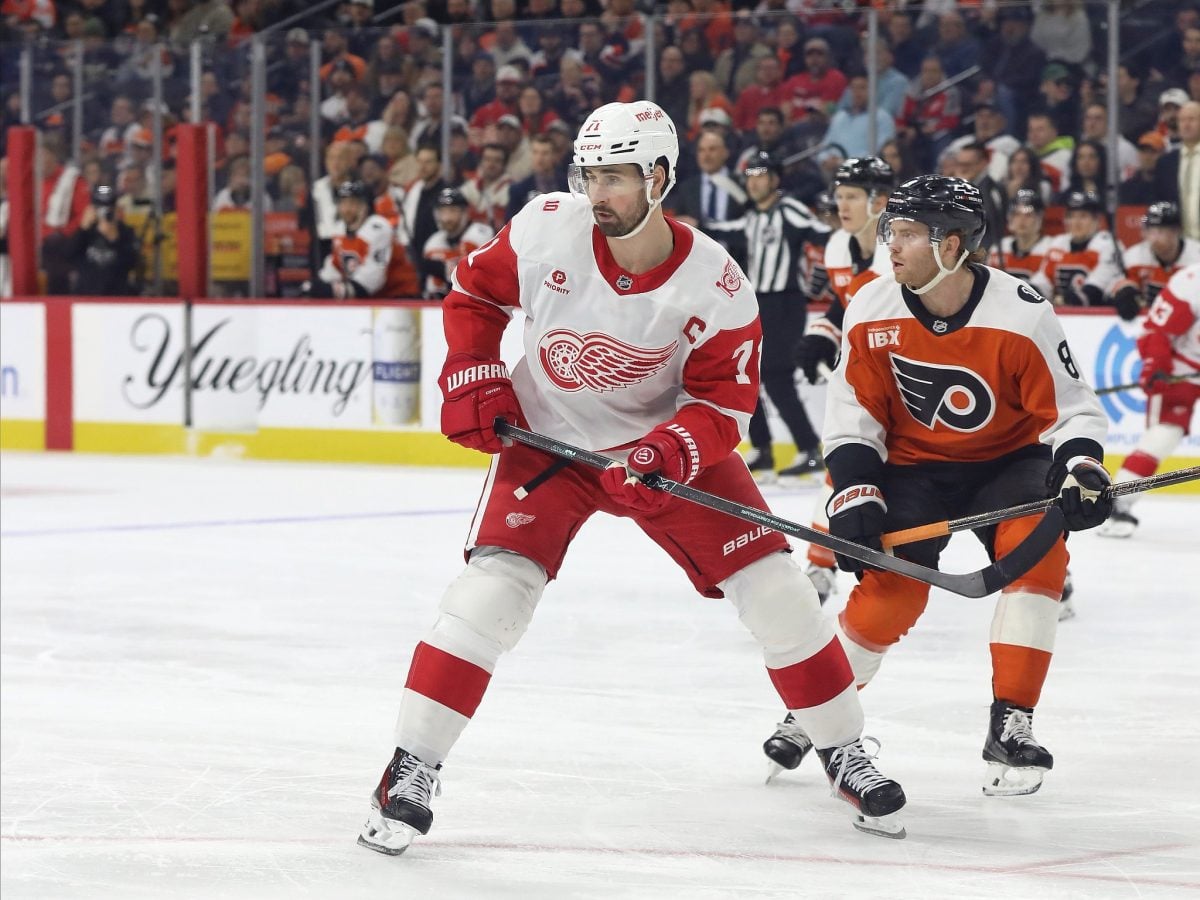
If Larkin remains committed to leaving Detroit, the GM must then determine what type of return makes the Red Wings better both immediately and over the long term. If there is a willingness to stay, the new GM needs to determine whether keeping Larkin fits the organization’s competitive timeline. Either way, this is a decision that cannot linger into the season.
Re-Sign Simon Edvinsson
Another high priority, Edvinsson needs a contract before he can take part in training camp (or any preseason or regular season games for that matter). Fortunately, Detroit’s incumbent front office staff will have some knowledge of the defenseman’s demands and can brief the new GM on the situation. From there, it should be relatively easy to get Edvinsson signed and in the locker room.
That said, there will be a challenge in determining what type of commitment makes sense for both sides. Edvinsson is entering an important stage of his development, and Detroit needs to balance rewarding his potential with maintaining enough salary-cap flexibility to build around him.
Gauge Alex DeBrincat’s Contract Extension Demands
DeBrincat’s situation deserves attention even though his contract doesn’t expire immediately. The new GM should have an early conversation with DeBrincat and his representatives to understand what he expects from his next contract. That information can influence how Detroit approaches the rest of its roster construction.
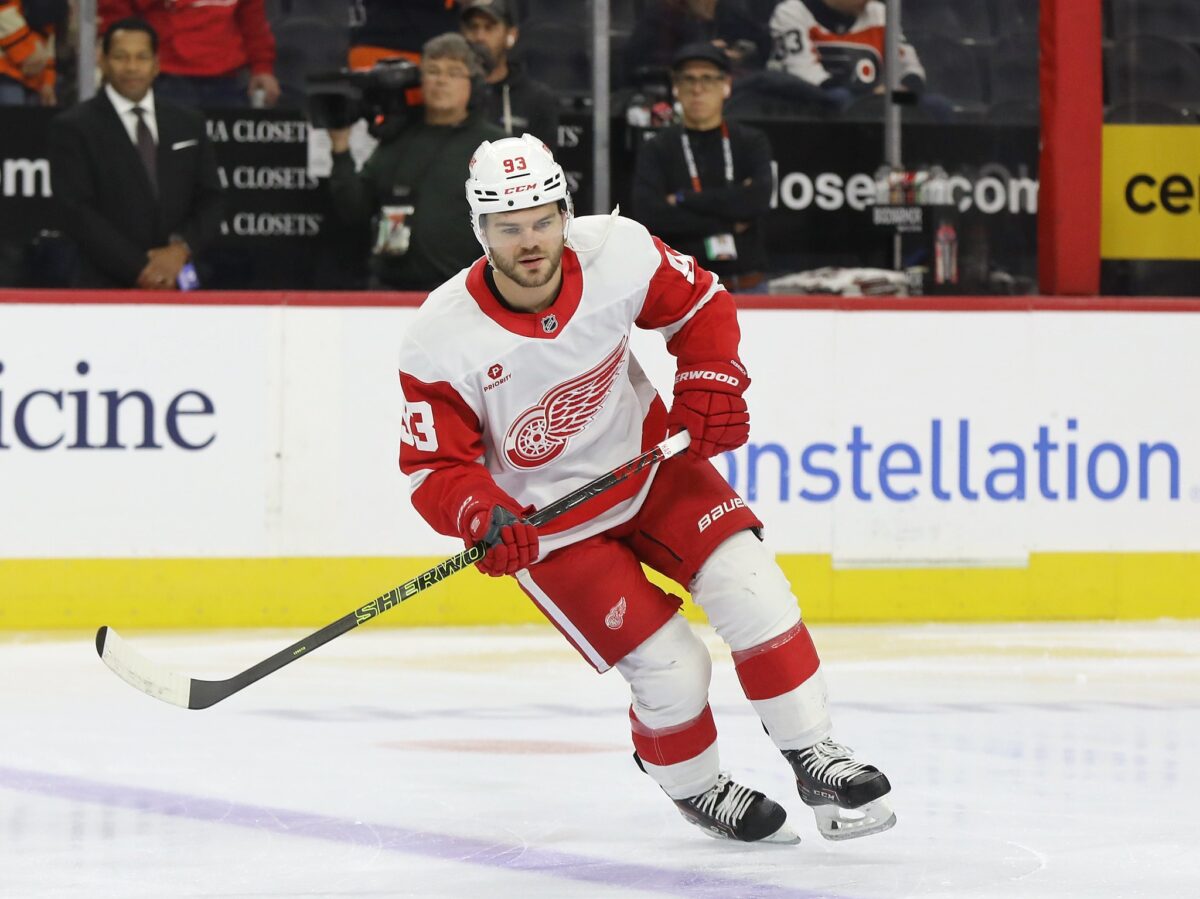
If DeBrincat’s asking price is reasonable, an extension could become a priority. If his expectations are significantly higher than what Detroit is willing to pay, the organization needs to know that sooner rather than later.
This is essentially a fact-finding mission, but it could have significant implications for the team’s long-term salary structure. Fortunately, DeBrincat has expressed interest in staying, so the new GM won’t be starting from scratch.
Finalize the Red Wings’ Roster
Once the GM understands the situations surrounding Larkin, Edvinsson and DeBrincat, the next step is determining what the roster actually needs. Detroit’s defense and goaltending appear to be set, but what about the forwards? Do the Red Wings have enough firepower to compete? And what would be the downstream impacts of Larkin maintaining his stance of wanting out?
Some of this work should already be underway, as this kind of thinking would be expected as part of the interview process. This particular task is more so about executing rather than conducting an entirely new evaluation.
Conduct Stay Interviews
When a new leader joins a department, stay interviews are often conducted. These aren’t interviews to keep your job; rather, they serve as an opportunity for the new leader to get to know their staff, their strengths, their weaknesses, and add more context to the organizational audit that was conducted and shared out during the job interviews.
Detroit’s new GM will need to spend time with Kris Draper, Shawn Horcoff, Todd McLellan, and other staff members to establish relationships and hear how the organization could be improved now that there’s an opportunity to do so.
Communicate Vision to Red Wings Players & Staff
The Larkin decision, DeBrincat extension, roster construction and even front-office staffing should ultimately tie into this. Is Detroit trying to win immediately? Is it willing to sacrifice some short-term performance for a stronger roster two or three years from now? How aggressive should the GM be with prospects, draft picks and long-term contracts?
This vision should be communicated to all stakeholders – from Chris Ilitch on down to the players. This is a good opportunity to introduce a level of transparency that didn’t exist with the previous regime. It also builds relationship equity with everyone in the organization.
Modernize Front Office
Once the stay interviews have been conducted and the vision has been shared, the GM can begin reshaping the hockey operations department. This is perhaps the biggest long-term responsibility on the list.
Detroit needs a front office capable of integrating traditional scouting with analytics, sports science, player development, and modern technology. The GM should establish clearly defined responsibilities while improving collaboration between departments. They should also determine whether the organization has enough expertise in areas such as data analysis, contract valuation, cap management, and decision support.
Staff needs to be hired (and let go), vendor contracts need to be signed, and the actual work needs to begin. Step by step, the new GM will bring their vision to life.
Final Word
The Red Wings’ next GM will have plenty of work waiting, but the sheer size of the to-do list shouldn’t force the organization into a rushed decision-making process. In fact, many of these tasks can happen simultaneously.
The Larkin situation can be investigated while contract discussions with Edvinsson begin. Stay interviews can take place while the roster is evaluated, and the GM can begin identifying front office upgrades without immediately overhauling the department.
The bigger objective is to establish a coherent organizational direction. If Detroit can resolve its immediate problems while building a more modern hockey operations department, the next GM can do more than simply manage the existing roster – they can put the organization on a better long-term path.
Free Newsletter
Get Detroit Red Wings coverage delivered to your inbox
In-depth analysis, breaking news, and insider takes - free.
Subscribe Free →