- 3 Canucks’ Positives Against the Islanders
- Positive #1: A Canucks’ Fourth Line That Actually Did Something
- Positive #2: Lankinen Kept It Competitive
- Positive #3: The Canucks Didn’t Quit
- 3 Canucks’ Negatives Against the Islanders
- Negative #1: The Same Defensive Cracks Hurt the Canucks
- Negative #2: The Canucks’ Veterans Are Feeling the Pressure First
- Negative #3: Vancouver Home Ice Means Nothing
- Where Are the Canucks Now?
There are losses that tell you nothing, and then there are losses that explain everything. Monday night’s 4–3 defeat to the New York Islanders was the latter. It didn’t snap the skid. In fact, it extended it to 11. However, the game offered a fairly honest snapshot of where the Vancouver Canucks are right now.
Related: Grading the Sharks & Canucks’ Kiefer Sherwood Trade
This wasn’t a no-show. It also wasn’t a breakthrough. The Canucks played stretches of decent, organized hockey, showed some life, and still found a way to lose. That combination is becoming familiar. When a season slips past the point of rescue, the details start to matter more than the result, because they tell you what can be carried forward—and what can’t.
3 Canucks’ Positives Against the Islanders
Here are three positives from Monday night’s game against the Islanders.
Positive #1: A Canucks’ Fourth Line That Actually Did Something
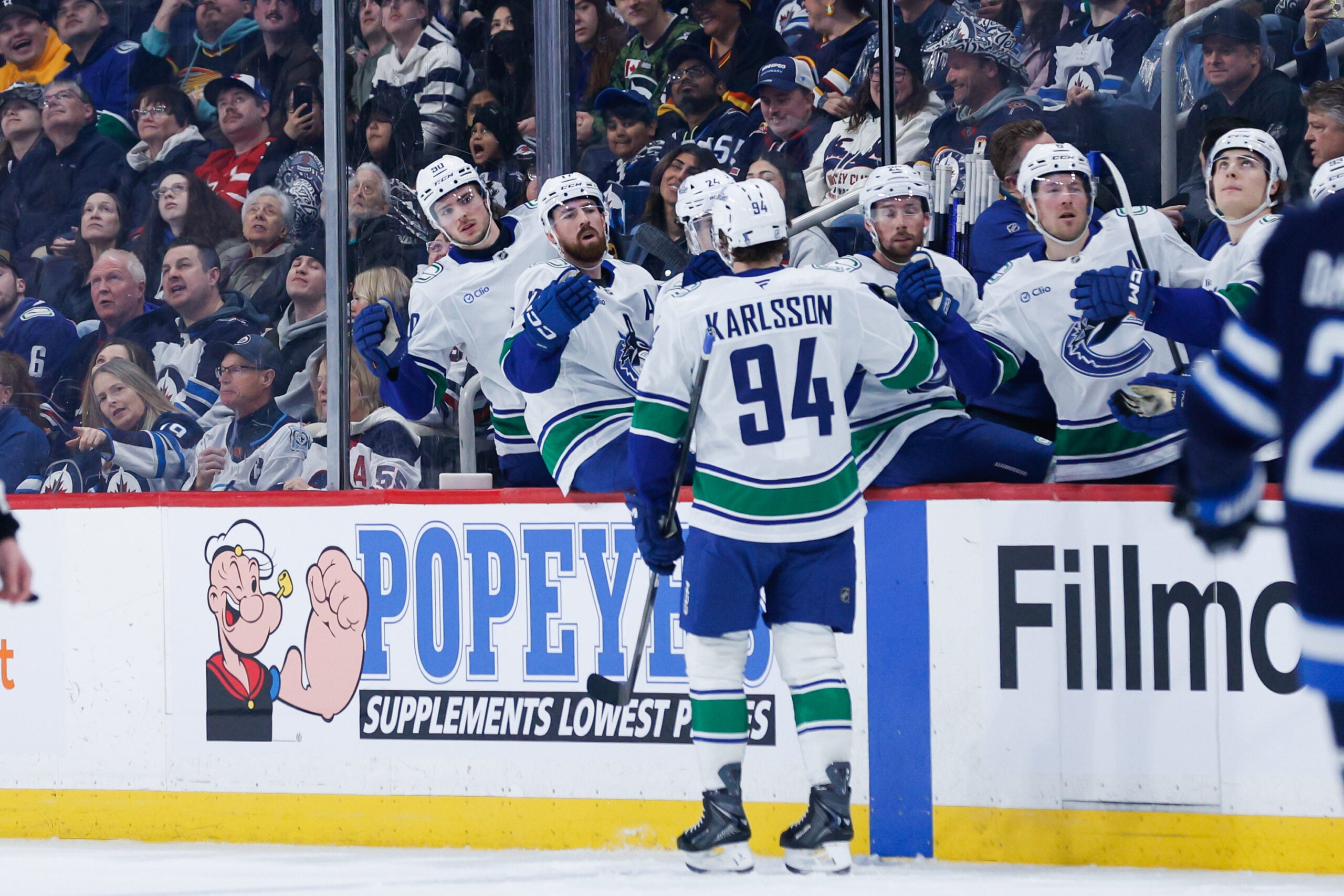
The opening goal mattered, not because it stood up, but because of how it was created. Max Sasson’s goal came off a smart, simple sequence from the fourth line—pressure, a turnover, quick puck movement, and a clean finish. That line gave Vancouver energy early and didn’t try to do too much.

In a season where too many shifts have felt disconnected, this was a reminder that structure still works when players commit to it.
Positive #2: Lankinen Kept It Competitive
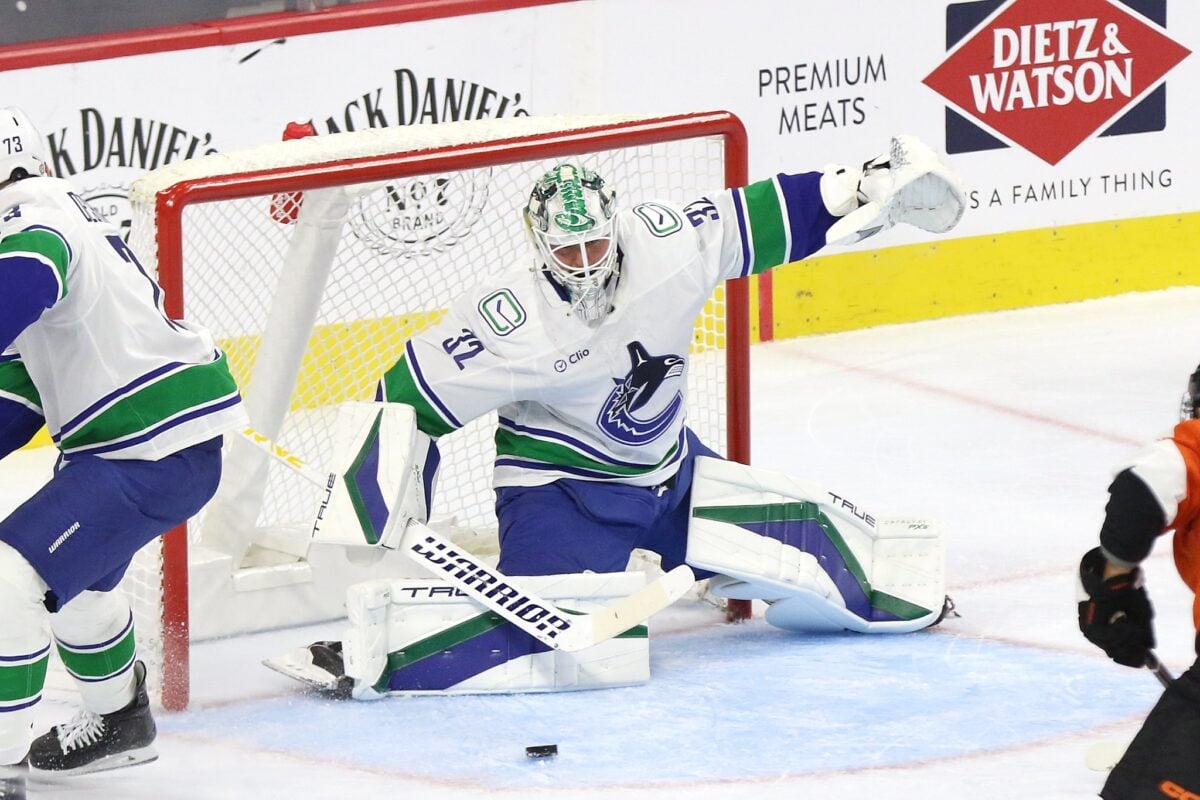
Kevin Lankinen wasn’t perfect, but he was far from the problem. He made 28 saves, several of them at key moments when the Islanders were beginning to tilt the ice. Without him, this game probably gets away early, and nobody’s talking about “good effort” afterward.
Related: Canucks Week Ahead: Schedule & Storylines – Losing Streak, Trade Rumours, Chytil, Blueger and More
Goaltending hasn’t been Vancouver’s main issue this year, but on nights like this, it’s been one of the few things keeping games watchable.
Positive #3: The Canucks Didn’t Quit
Down 4–2 late, the Canucks still pushed. Drew O’Connor’s late deflection didn’t change the outcome, but it did reflect something important: they didn’t fold. That’s a low bar, but it’s an honest one at this stage of the season.
Effort alone doesn’t fix anything, but a lack of it guarantees you’re done. Vancouver hasn’t crossed that line yet.
3 Canucks’ Negatives Against the Islanders
Here are three negatives from Monday night’s game against the Islanders.
Negative #1: The Same Defensive Cracks Hurt the Canucks
Anthony Duclair’s two goals didn’t come out of nowhere. They came from coverage lapses, late reads, and a defence that still struggles to close space quickly enough. Ryan Pulock walking into open ice for the Islanders’ third goal was another example of a problem that’s lingered all season.
Related: Canucks’ Arshdeep Bains Scores Big for the Punjabi Community
The mistakes aren’t complicated. That might be the most frustrating part.
Negative #2: The Canucks’ Veterans Are Feeling the Pressure First
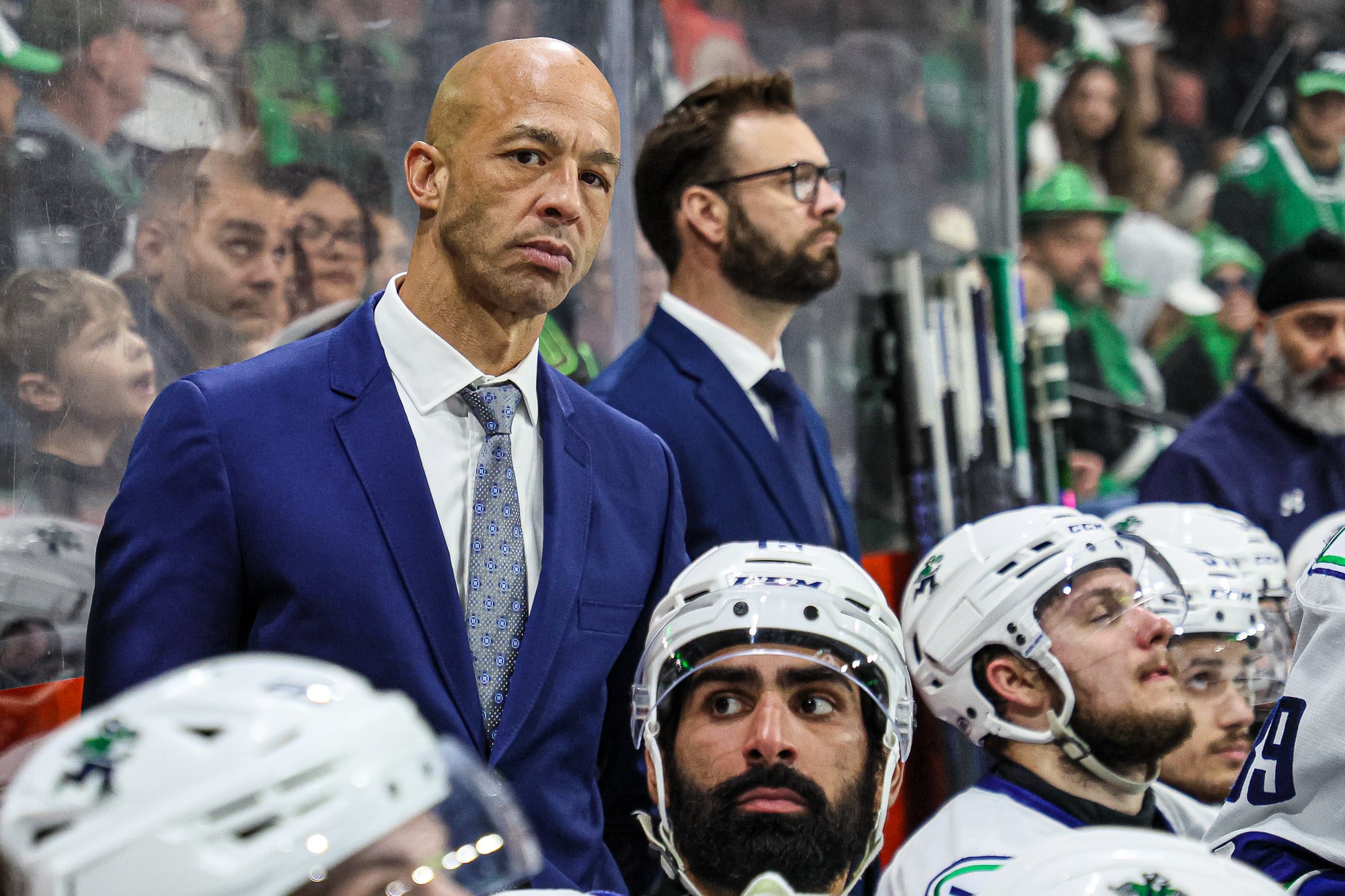
Adam Foote’s postgame comments were telling. He spoke openly about veterans getting frustrated and slipping away from the plan. That’s not an effort issue—it’s an emotional one. When experienced players lose composure, everything unravels faster.

This has been creeping into the Canucks’ identity for a while now, and it’s hard to fix midstream.
Negative #3: Vancouver Home Ice Means Nothing
Rogers Arena used to be a place where the Canucks could lean on familiarity and crowd energy. Now it’s just another building. A 4–14–3 home record doesn’t happen by accident. It reflects a team that tightens up rather than settles in.
That’s a culture issue, not a tactical one.
Where Are the Canucks Now?
With 11 straight losses, the season is effectively over in the standings. What remains is evaluating players, habits, and leadership. Games like this one matter not because they offer hope, but because they strip away illusions.
Related: What Should the Canucks Do With Jake DeBrusk?
The Canucks can still play organized hockey in spurts. They can still compete. But until frustration stops overriding structure—and until mistakes stop repeating themselves—the results won’t change. This wasn’t their worst game. That’s the truth. It also wasn’t close to good enough. At this point, the job isn’t to chase the standings. It’s to figure out who belongs when this finally turns over.

Free Newsletter
Get Vancouver Canucks coverage delivered to your inbox
In-depth analysis, breaking news, and insider takes - free.
Subscribe Free →