This Friday’s NHL Entry Draft will help shape the Vancouver Canucks‘ identity for the future and build an organizational pipeline. But, at the same time, in the background, there are always questions about roster construction that the draft can’t answer.
The question hanging over Vancouver is whether the roster, especially on the wings and in the middle-six scoring picture, is deep enough to survive the long grind of a season where nothing goes exactly to plan. The top end is still the top end. Unless he’s moved, Elias Pettersson drives the bus. Brock Boeser remains a key finishing piece, and the power play still has real structure. But the gap behind that group feels less certain. And in the NHL, that middle space can decide whether a season feels stable or too fragile for comfort.
Would a Patrik Laine Gamble Be Worth a Risk?
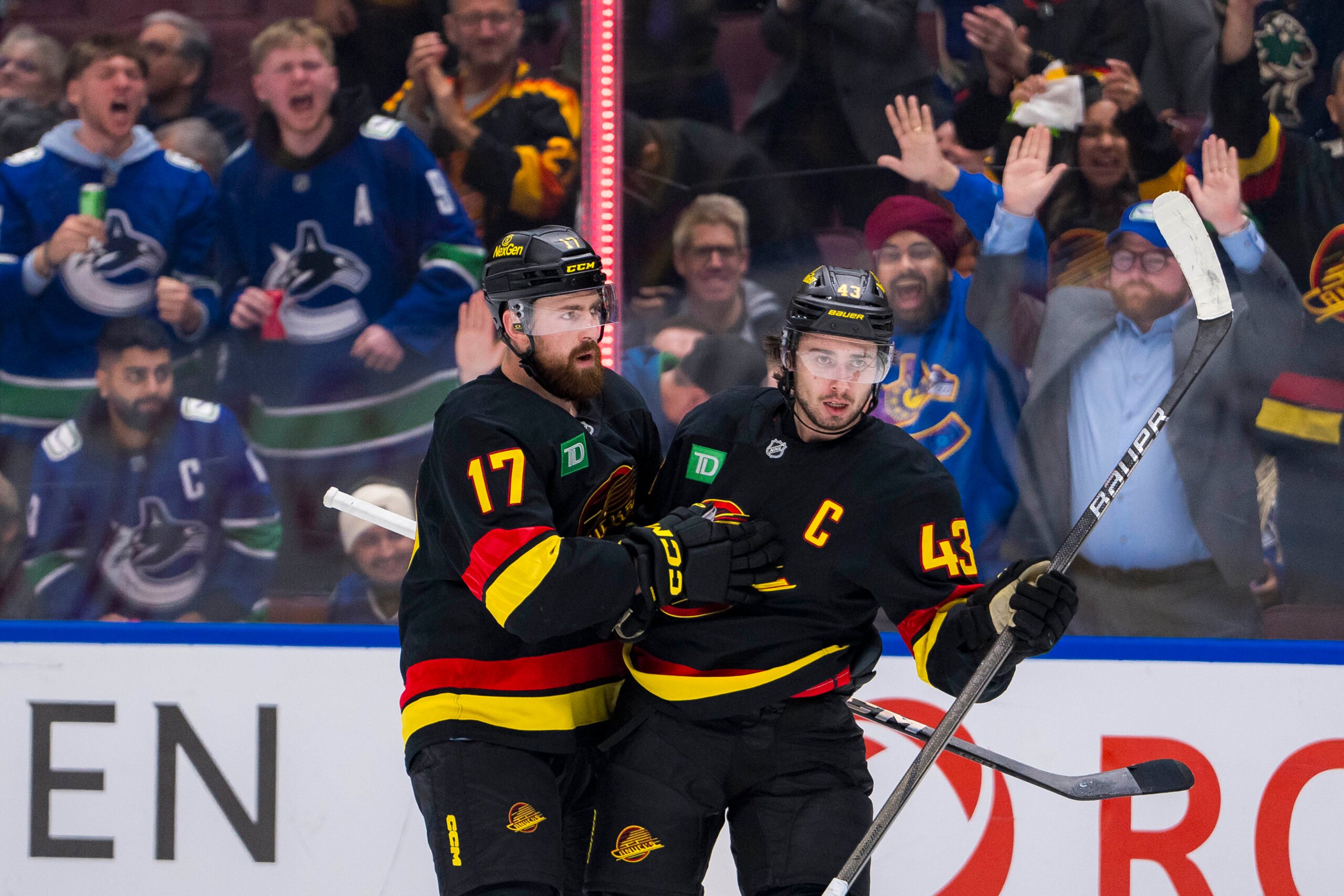
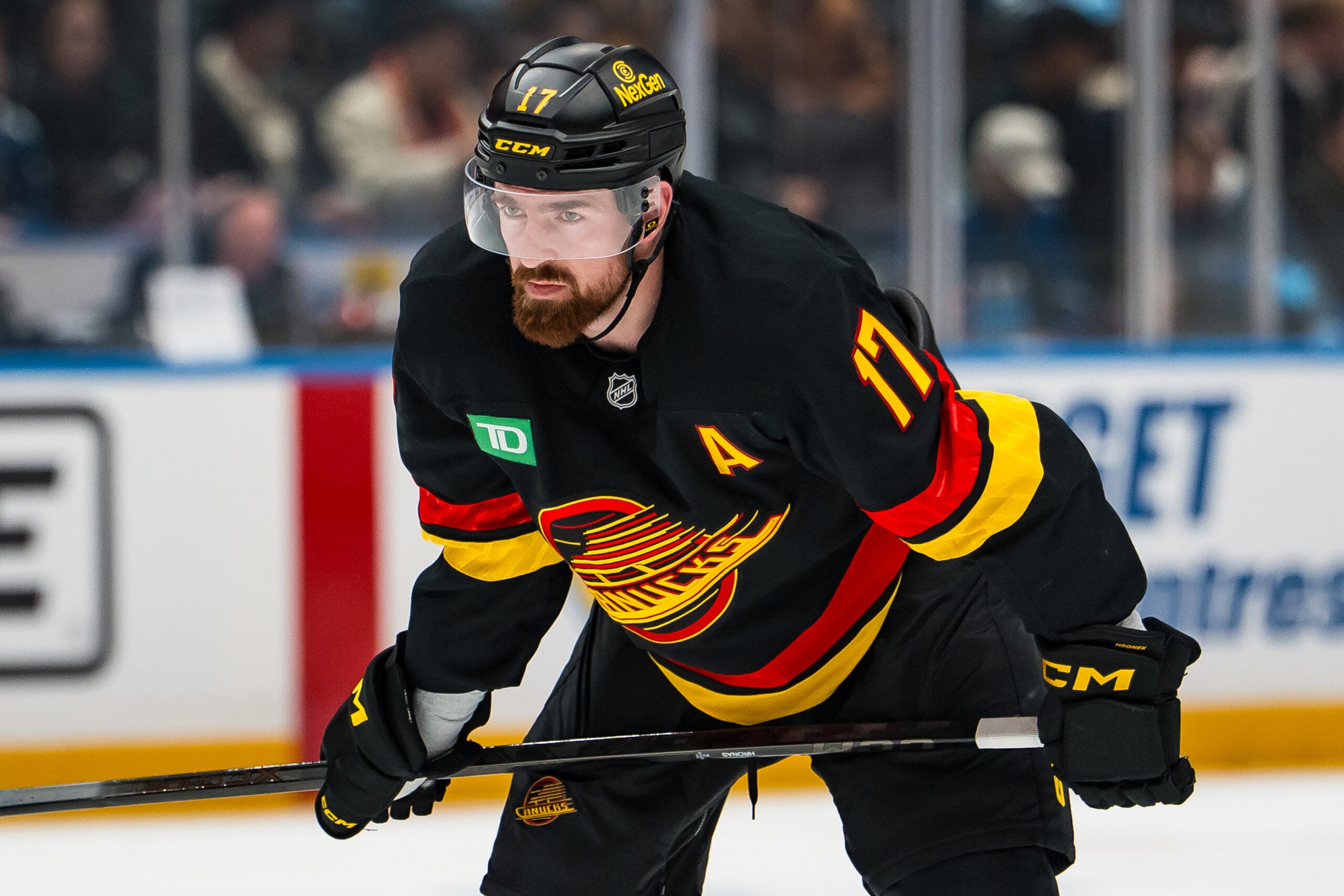
Here’s a thought I picked up from reading the comments to a Canucks post. If Vancouver’s right-wing situation is thin enough to force a conversation about creative options, is Patrik Laine worth thinking about? Beyond Boeser, the depth chart leans heavily on younger, unproven names like Jonathan Lekkerimäki and Danila Klimovich, with Linus Karlsson also in the mix.
It’s the kind of setup where one injury or one underwhelming camp could suddenly make things feel a lot thinner than they already look on paper. That’s where the idea of a player like Laine gets interesting. On the surface, he’s exactly the kind of swing that feels risky for a team trying to stay competitive, but the logic is hard to ignore. If the cost were low enough, a one-year deal would be less about long-term commitment and more about taking a calculated shot at unlocking a player who still has elite scoring talent in his hands.

From a hockey perspective, the fit is pretty easy to picture. If Pettersson is driving the top line and power play, Laine suddenly becomes the finishing winger that Vancouver hasn’t consistently had in that spot. The idea of him sliding into a top-six role—and especially a power-play one—next to Pettersson is the real attraction. It’s the kind of environment where a scorer could theoretically rebuild value quickly if things click.
Of course, the downside is just as obvious. Laine is a volatile bet at this stage of his career, and there’s no guarantee the production matches the contract or the opportunity. But that’s exactly why this type of move gets framed as “low risk, high reward.” If it works, you’ve added a legitimate scoring threat at a position of need. If it doesn’t, it’s a short-term experiment that doesn’t lock the team into anything long-term. In a cap world where windows matter, sometimes those are the only kinds of swings that are available.
Cootes’ Growth From Prospect to Player
While roster speculation tends to dominate this time of year, there’s another story developing that is just as important for the long-term picture. It doesn’t involve a trade, a signing, or a big-name addition. It involves the kind of necessary growth that usually determines how teams evolve.
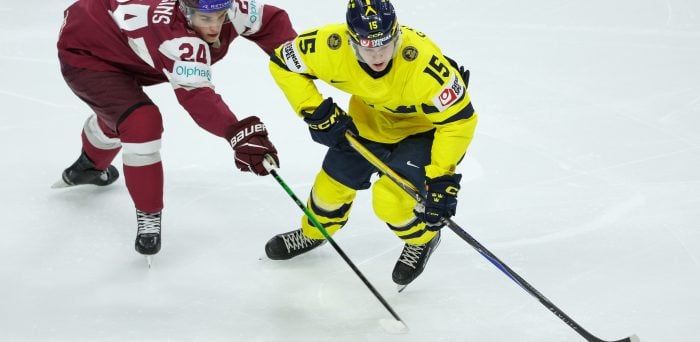
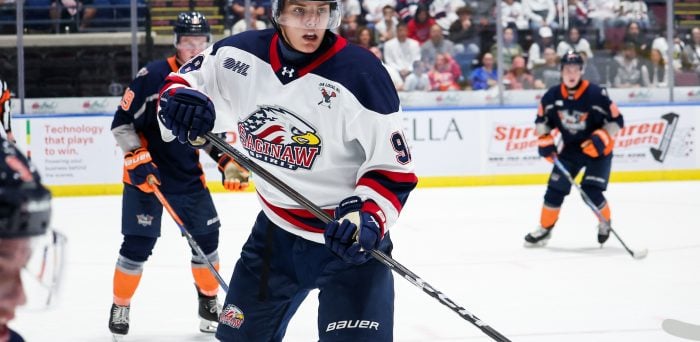
It’s easy to treat Braeden Cootes‘ season as a highlight reel checklist. He got into a few NHL games, a World Juniors appearance, a Western Hockey League playoff run, and a draft-night memory still fresh enough to replay in his head. But the more interesting part of his story isn’t the list of events. It’s what those experiences have started to do to him as a player.
Cootes has gone from “draft pick” to something closer to “daily hockey reality” in a short window. Last season was about figuring out the pace, the expectations, the noise around the organization, and the sudden jump in responsibility. Now, he’s starting to process it and adjust his game around it.
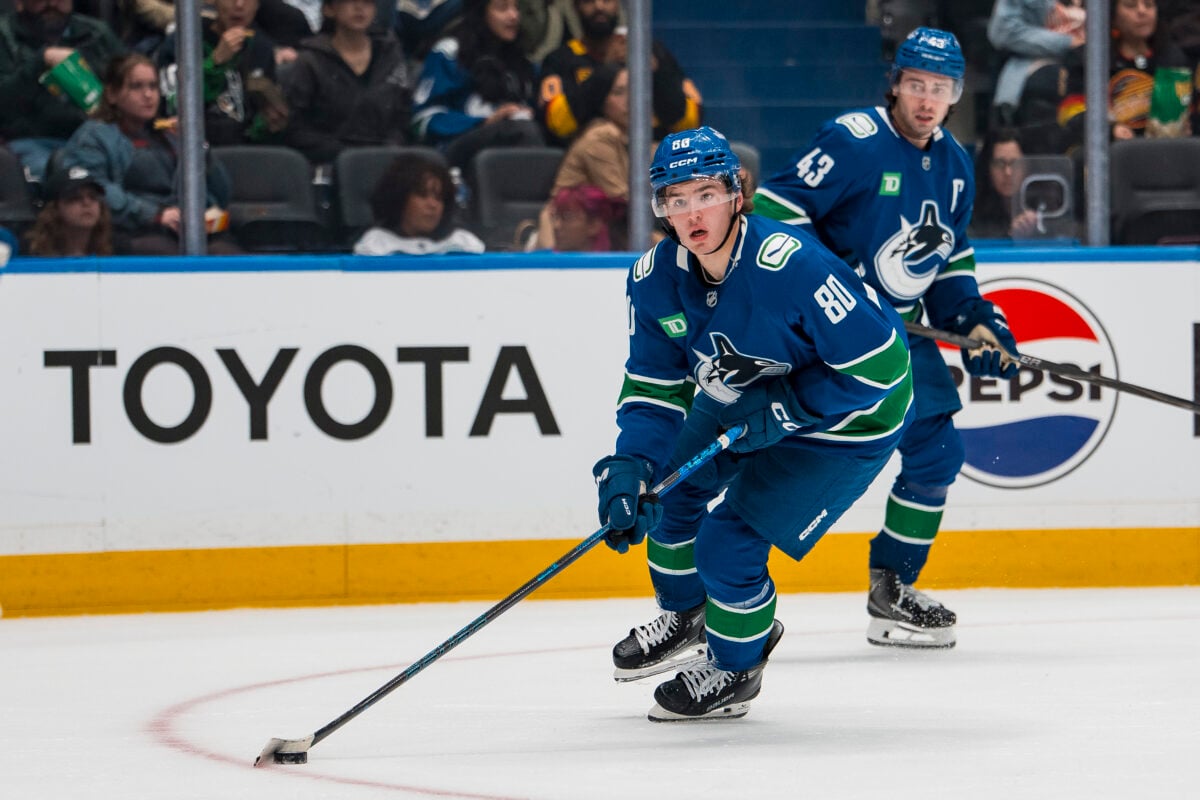
A big part of that growth has come from the people around him. Working with Daniel and Henrik Sedin gave him a clearer understanding of what confidence actually looks like at the NHL level. He learned about playing without shrinking when the moment gets bigger. Their message to him wasn’t complicated. Trust your game, don’t defer, and don’t wait for permission. For a young centre, that kind of simplicity matters.
There’s also a noticeable change in how Cootes talks about the future. Last season, everything was about learning. This season, it sounds more like intent. He’s going into development camp already feeling more comfortable in his own skin, less concerned about mistakes, and more focused on showing he belongs in the conversation. At this stage, growth isn’t just about skill; it’s also about belief catching up to ability.
What’s Next for the Canucks?
Put together, these two stories — a potential roster gamble on a veteran scorer like Laine and the slow, steady rise of a prospect like Cootes — say a lot about where the Canucks are right now. One path is about urgency, trying to add offence through calculated risk. The other is about patience, letting internal development run its course even when it doesn’t always line up neatly with the standings or expectations.
And sitting just ahead of all of this is the draft, which tends to reset the conversation. It’s a moment when optimism, planning, and projection are all compressed into a single weekend. For an organization like the Canucks, it matters just as much who gets selected as what direction it signals.
In reality, teams rarely get to choose one identity. The Canucks, like most NHL teams, will end up somewhere in between. They’ll take a risk here, develop a prospect there, and hope the timing lines up just right. But that tension between urgency and patience is exactly what shapes teams in this league.
Free Newsletter
Get Vancouver Canucks coverage delivered to your inbox
In-depth analysis, breaking news, and insider takes - free.
Subscribe Free →