When a high-profile NHL prospect decides to delay turning professional, a wave of anxiety tends to ripple through a fan base. For Montreal Canadiens fans, the initial reaction to top prospects staying in college can range from impatience to mild panic. However, Michael Hage’s decision to return to the NCAA for another season with the University of Michigan Wolverines should be met with optimism.
Development is rarely a straight line, and the modern NHL has proven time and again that rushing a young centre into the professional ranks can do more harm than good. By returning to Ann Arbor, Hage isn’t stalling his career; he is actively building the foundation required to become an impactful, top-six NHL centre.
Learning From Past Failures
There are several highly positive reasons why another season in the NCAA is the absolute best move for Hage’s long-term trajectory and serves as an example that they have learned lessons from Montreal’s own draft history.
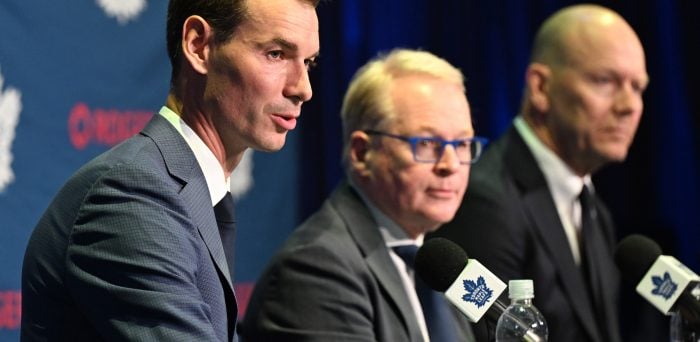
As noted by journalists covering the Canadiens, the deliberate approach to Hage’s timeline is built on mutual trust between the player, the university, and the front office for a deeper context on how this fits into the broader Montreal landscape.
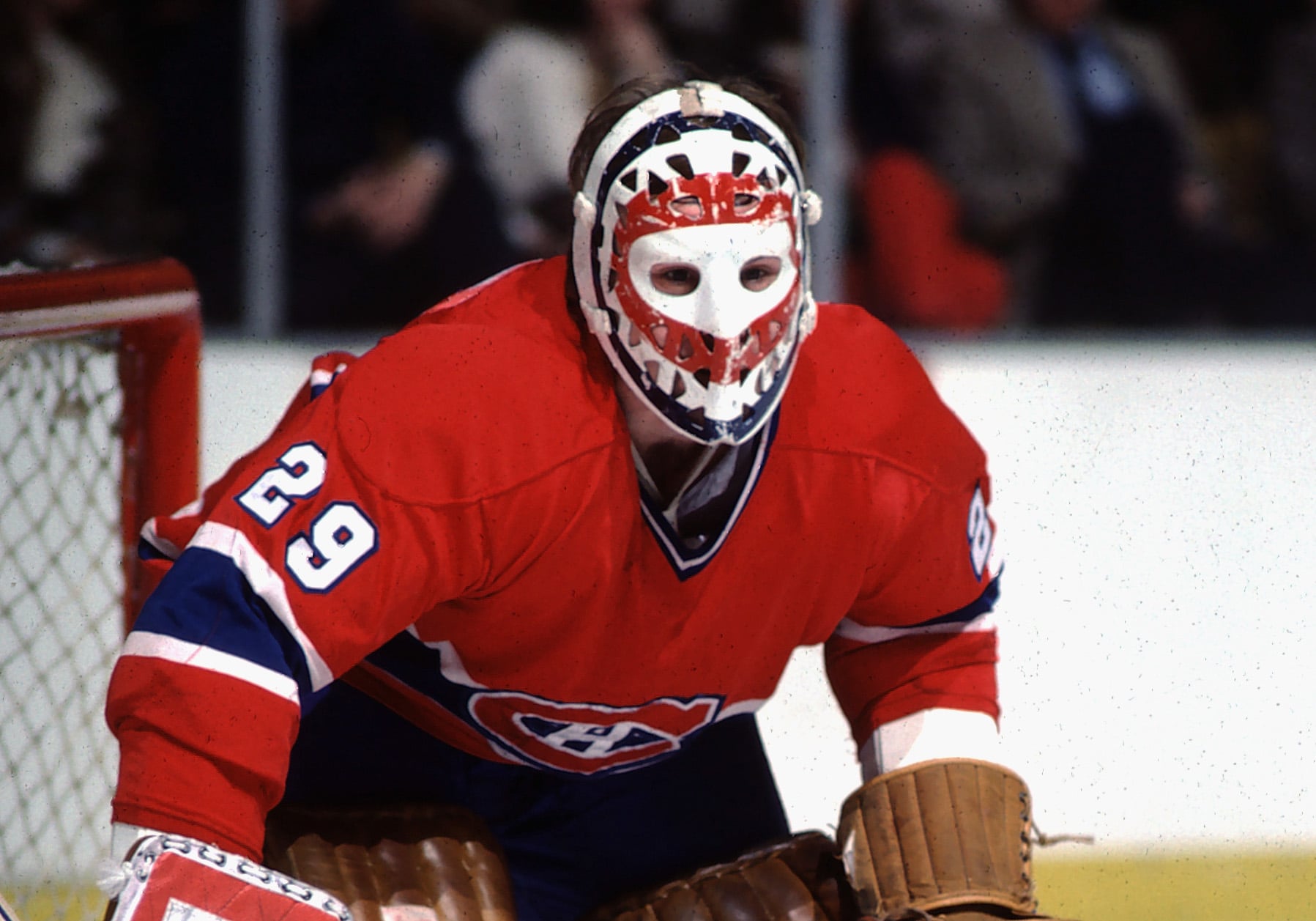
To truly appreciate why Hage’s collegiate return is a massive positive, one must confront the ghost of the Canadiens’ 2009 Draft history. That year, Montreal hosted the NHL Entry Draft and selected local product Louis Leblanc 18th overall. Like Hage, Leblanc was a highly touted centre with a high-end offensive pedigree who chose the NCAA route, enrolling at Harvard University.
However, the organizational philosophy in 2010 was vastly different from today’s patient approach. After just one season at Harvard, where he won Ivy League Rookie of the Year, the Canadiens management group allowed Leblanc to abandon his NCAA path, sign his entry-level contract (ELC), and jump to the major junior ranks before turning pro. Rather than enjoying the stability of a structured development program, Leblanc’s career was derailed by constant turbulence, bouncing across five different teams in a chaotic four-year span across the NCAA, Quebec Maritimes Junior Hockey League (QMJHL), American Hockey League (AHL), and NHL.
This relentless shuffling completely fractured his developmental continuity, forcing a young player to continuously adapt to new systems and coaching staff instead of focusing on honing his own raw talent. In the end, this rushed development left him an incomplete player with fractured confidence, and he ultimately played just 50 NHL games.
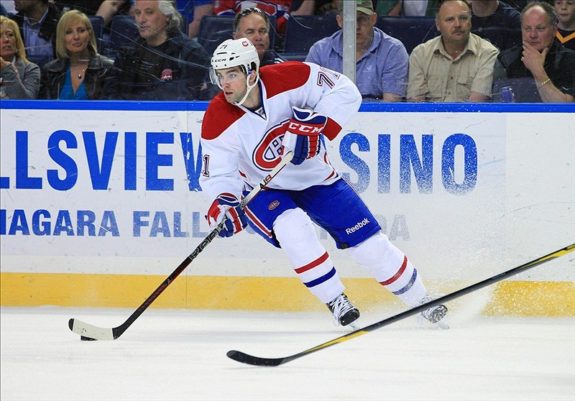
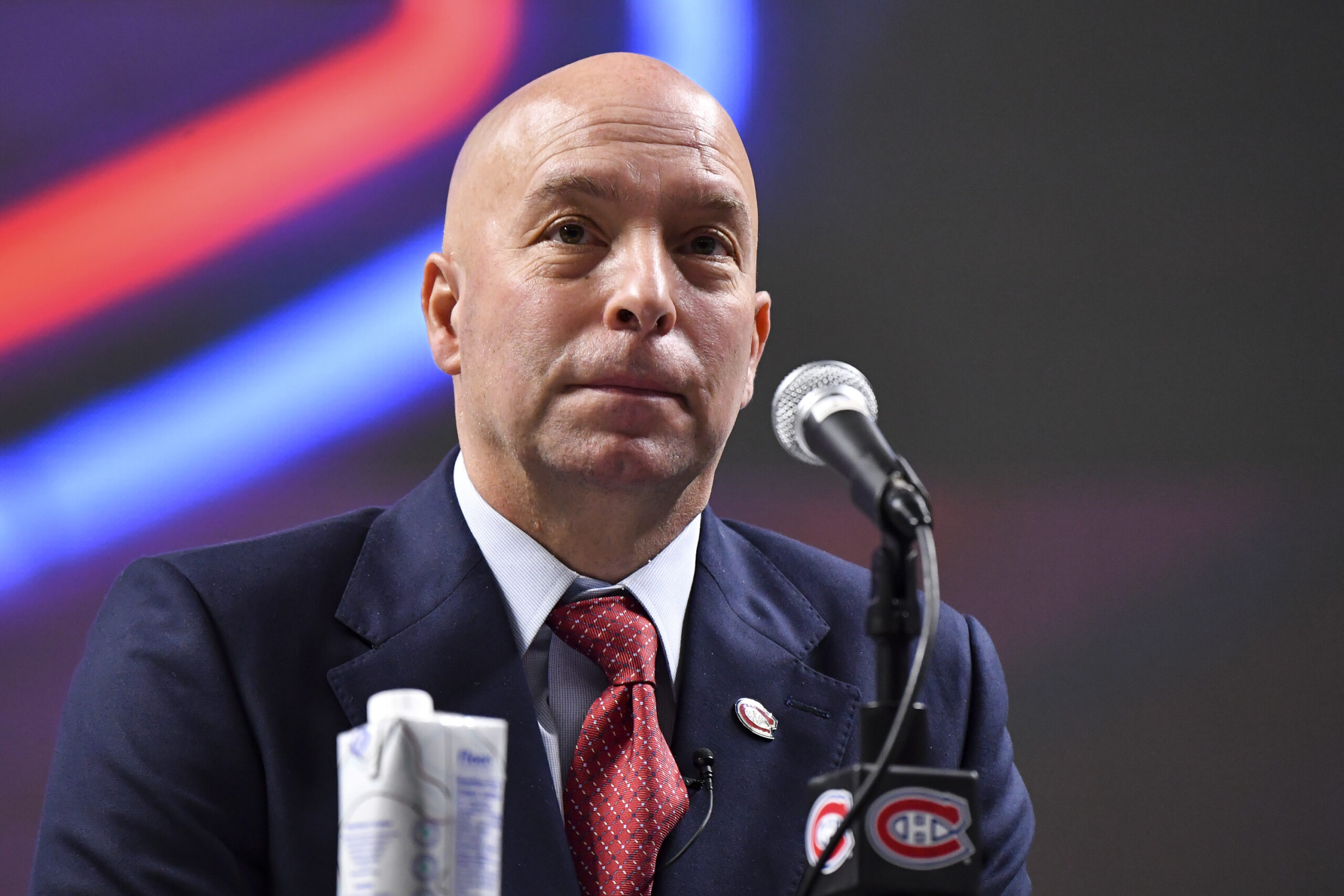
By Hage choosing to stay at Michigan for a third NCAA season, general manager (GM) Kent Hughes and the current front office are actively ensuring that history does not repeat itself. Hage is being insulated from the exact developmental traps that derailed Leblanc.
Meeting the Demands of the Centre Position
Playing centre in the NHL is arguably the most demanding position outside of goaltending. It requires an advanced understanding of defensive positioning, elite spatial awareness, and the physical stamina to battle low in the defensive zone before driving the play up the ice.
In college hockey, Hage is expected to be given the keys to the kingdom. Another year in the NCAA allows him to take crucial defensive zone faceoffs against older, more physically mature opponents. He will also anchor the top power-play unit and serve as a primary penalty killer, a workload that will round out his 200-foot game.
Ultimately, this extended time in college lets him internalize defensive assignments until they become muscle memory, ensuring he won’t be a liability when he eventually transitions to the NHL. Instead of fighting for limited, sheltered minutes in the AHL or fighting for survival in Montreal’s middle-six, as Leblanc was forced to do when he was recalled to a chaotic 2011-12 Canadiens team, Hage will be the top line centre, serving as a key piece in all situations for the Wolverines.
Physical Growth, Literally
One of the greatest benefits of the NCAA schedule is its structure. Unlike the gruelling 84-game marathon of the NHL or the 72-game schedule of the AHL, college hockey teams typically play around 35 to 40 games a season, mostly on weekends. This leaves from Monday to Thursday wide open for intensive off-ice training, weightlifting, and metabolic conditioning.
For Hage, who is already at 205 pounds and somehow still growing into his 6-foot-1 frame, this environment is a goldmine. Hage has the rare opportunity to add more muscle, work on his core strength, and improve his explosive skating power without the constant physical depletion that comes with a pro travel schedule. When he does finally jump to the pro game, he will do so with an NHL-ready body, along with the experience of playing heavy minutes in every situation on a top-ranked team, all while minimizing the risk of early-career injuries that plague rushed prospects.
Building Leadership
Michigan is a powerhouse program, but it is also a program defined by heavy roster turnover as elite talent routinely departs for the NHL. With major departures from the previous season’s roster, Hage is poised to step into an undisputed leadership role. Mentoring incoming freshmen and being the guy the coach leans on when the game is on the line are intangible skills. He is expected to be leading a highly skilled locker room that features defenceman Landon DuPont, forwards Jack Nesbitt and J.P. Hurlbert, and goaltender Jack Ivankovic.
Part of leadership is confidence, and he has it. When asked if he chose to return to the NCAA because of the current iteration of the Canadiens roster, Hage shot that idea down completely.
“It’s never about who’s here or who they’re bringing in. I would bet on myself a hundred times out of a hundred to be able to step in and play the game I want to play and make an impact. It was more about how bad I wanted to go back. I’ve made some decisions like this in my career before that people may have questioned. I’m completely accountable for them, and I’ll own that decision.”
You cannot easily replicate that kind of confidence and psychological growth in the minor leagues. Wearing a letter or simply being the cultural driver for a historic program like Michigan will force Hage to mature as a leader, a trait that Montreal’s management group, led by Hughes and Jeff Gorton, covets immensely.
Chasing a National Championship
There is something profoundly impactful about learning how to win meaningful games, especially in the role of offensive centreman, a role he is expected to fill someday at the NHL level. The NCAA tournament, culminating in the Frozen Four, is a single-elimination pressure cooker. Every shift carries immense weight, and the margins between winning and going home are razor-thin.
Staying an extra year at a program like Michigan isn’t a demotion; it’s an elite finishing school. Giving Hage another crack at a National Championship provides him with invaluable playoff-style experience. The high-stakes environment of college hockey’s postseason forces players to elevate their execution under duress. If Hage can lead Michigan deep into the tournament, he will bring a winner’s pedigree and an elevated level of poise to the Canadiens organization.
Patience Is Key
For the Canadiens, Hage’s return to school aligns perfectly with their modern organizational philosophy. The franchise is focused on building a sustainable contender, avoiding the temptation to rush prospects into the bright lights of Bell Centre before they are fully cooked.

By letting Hage dominate the collegiate ranks for one more season, Montreal ensures that when he signs his entry-level contract, he will be ready to contribute immediately rather than riding the elevator between the NHL and the AHL. It saves a year on his entry-level clock while maximizing his developmental ceiling.
The Canadiens now have their core of Nick Suzuki, Cole Caufield, Juraj Slafkovsky, Noah Dobson, Kaiden Guhle, Lane Hutson and Ivan Demidov signed through at least 2030 at a total cap hit of $47.45 million. With the cap expected to rise for several more seasons, this will mean every one of their contracts will become larger and larger bargains as time moves on. This leaves Hughes with significant cap room to use to graft players like Hage onto this core group in the coming seasons.
Ultimately, Hage’s return to the NCAA is a win-win scenario. Michigan keeps a superstar talent, Montreal gets a more polished prospect a year from now, and Hage gets the time, space, and resources to transform himself into a dominant force. Canadiens fans might have to wait a little longer to see him wear the bleu, blanc, et rouge, but the reward at the end of this patient road will be well worth the wait.
Free Newsletter
Get Montreal Canadiens coverage delivered to your inbox
In-depth analysis, breaking news, and insider takes - free.
Subscribe Free →