Fourteen goals in two games will get anyone talking about the Colorado Avalanche. The more important discussion here starts with how they get the puck back. Artturi Lehkonen gave Colorado a reminder against the St. Louis Blues that a scoring line needs someone willing to spoil the other team’s exit.
Saturday’s 6-1 win offered a promising example of that work paying off. With Nathan MacKinnon and Martin Necas alongside him, Lehkonen can turn an ordinary battle into another chance for two dangerous attackers. Colorado should judge this line by how it earns those extra possessions as the season settles.
Lehkonen Keeps the Top Line Attacking
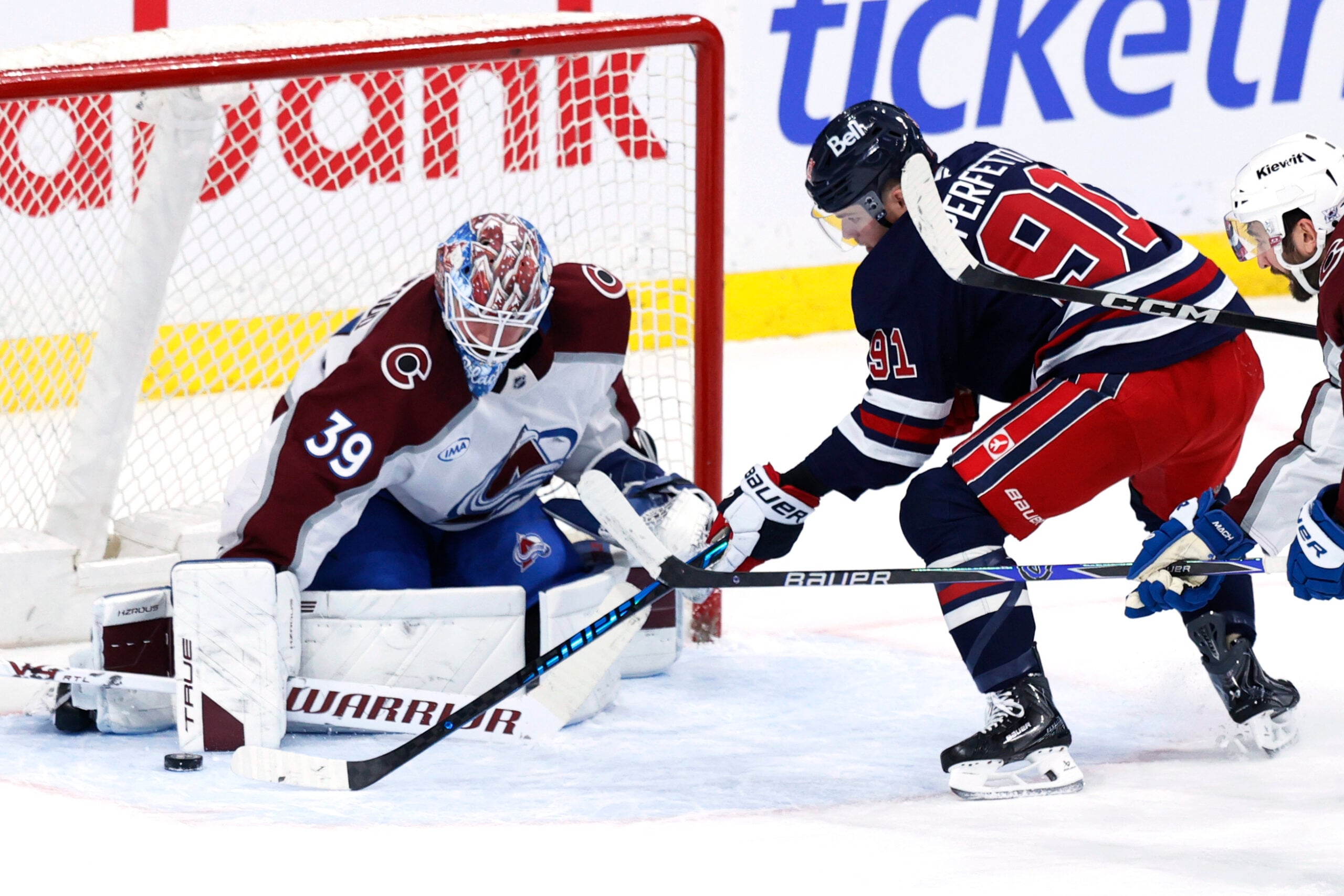
Lehkonen intercepted the puck along the boards before MacKinnon fed Necas for Colorado’s second goal. The finish was spectacular. The interception made it possible. That sequence alone is the case for keeping a skilled puck-winner next to players who can punish a defense before it resets.
There is a difference between getting through the neutral zone and keeping an attack alive once the first chance disappears. A winger who closes an escape route can save his linemates another backcheck. Recover the puck quickly enough, and the next pass arrives while opponents are still thinking about offense. A failed clear can leave defenders stuck through another shift.
Lehkonen supplied his own finish later, taking advantage of Jordan Binnington’s clearing attempt for his third goal in tw games. Colorado Hockey Now’s account of the victory captures both the scoring and the territorial edge (the Avalanche led the shots 15-4 after the first period).
The goals are welcome, but projecting his scoring pace from only two games would miss the point. His value survives a quiet night on the scoresheet. THW’s review of Lehkonen’s last season highlighted the space he creates for his linemates, an important reminder when evaluating this start.
For Colorado, the encouraging possibility is an attack that can stay dangerous after an opponent takes away the rush. The top line should be able to retrieve a dump-in, work below the circles, and make defenders turn again. Those possessions are worth the attention, especially when clean entries become difficult to find.
Avalanche Need to Do the Same Work in Tight Games
None of this makes an October blowout a playoff forecast. THW’s Blues takeaways noted that St. Louis was playing the second half of a back-to-back. That context matters. A tired opponent’s mistakes can make an attack look more repeatable than it really is.
The next test is whether Colorado can create the same pressure against a rested team protecting a tight score. Watch the support around the puck carrier. If Lehkonen gets there first, is there an available teammate? If the pck is lost, is someone positioned to interrupt the breakout?
That is where the line’s chemistry becomes important beyond a highlight reel. A recovered puck needs a quick outlet, and an ambitious pass needs someone behind it. Colorado can encourage that aggression without having all three forwards chase the same play.
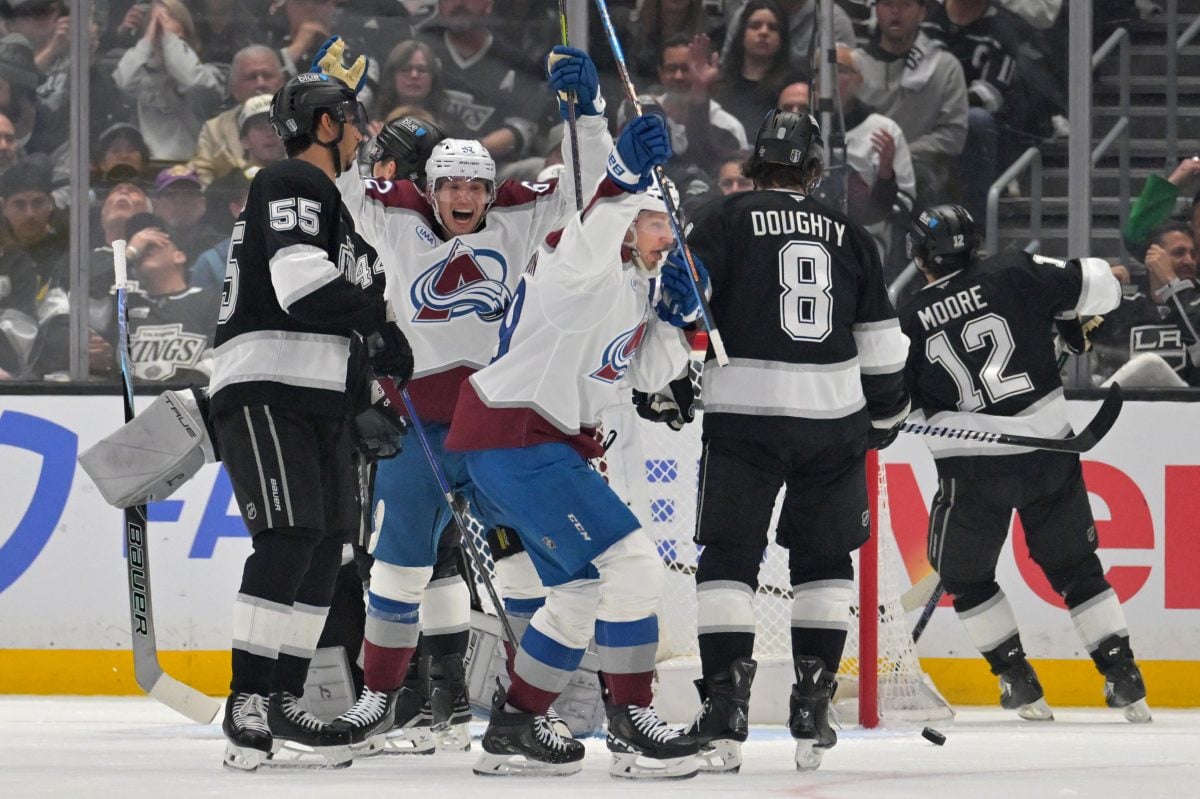
Opening night also showed us the cost of loose puck management. Colorado conceded two shorthanded goals in its 8-4 win over the Los Angeles Kings. Aggression needs support, especially when the team has an extra skater and expects to control possession. A forward staying available behind the play gives the puck carrier a safer option when a lane closes.
That lesson belongs at even strength, too. Winning the first battle helps little if the next pass immediately gives possession away. The Avalanche should measure progress by the shifts they extend and the counterattacks they prevent (especially when the scoring inevitably slows).
Enjoy the goals. Then watch the next clearing attempt. Lehkonen’s ability to keep Colorado attacking deserves attention long after this opening burst cools.
Free Newsletter
Get Colorado Avalanche coverage delivered to your inbox
In-depth analysis, breaking news, and insider takes - free.
Subscribe Free →