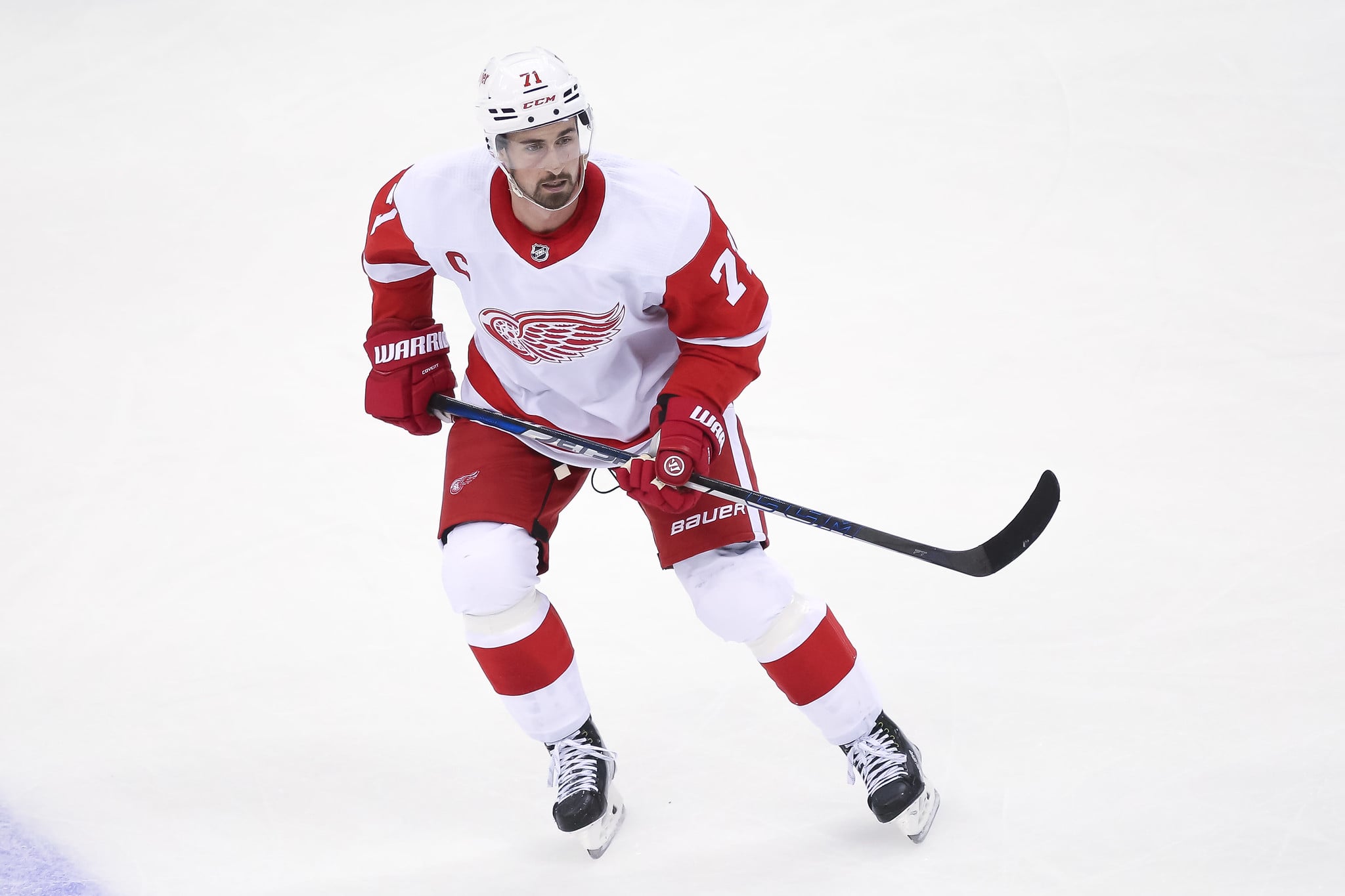
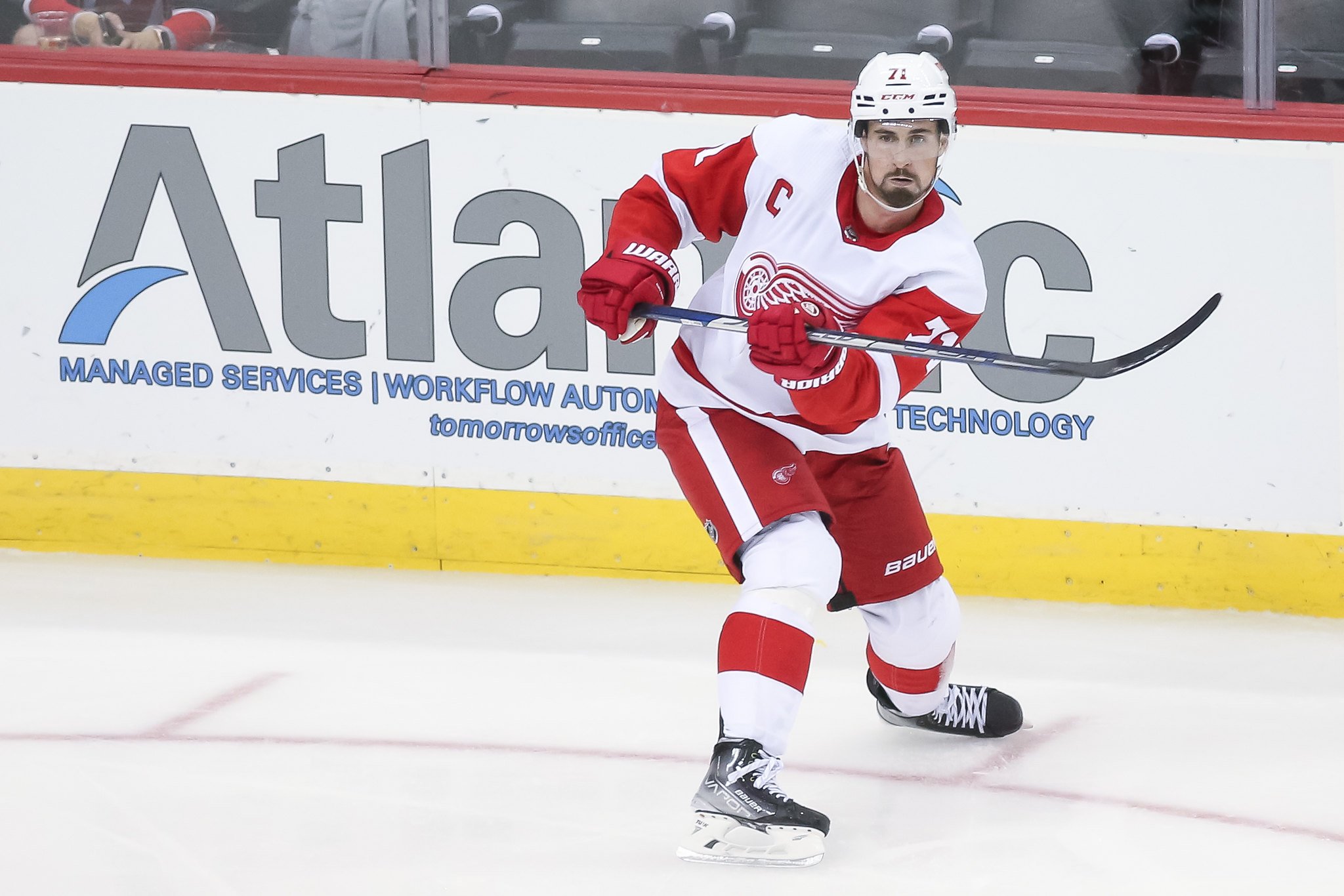
The Matt Duchene trade in 2017 may be the closest thing the Detroit Red Wings have to a roadmap for Dylan Larkin. The Colorado Avalanche faced an unhappy center and a buyer that couldn’t give it what it wanted. General manager (GM) Joe Sakic solved it by changing the shape of the deal and bringing in a third team.
That case returned to the spotlight on Thursday. ESPN analyst Erik Johnson, who was on the Avalanche when Duchene wanted out, criticized Larkin during the ESPN+ broadcast of the Red Wings’ game in Florida and then brought up that old trade saga. His opinion will get the headlines, but the history behind it is more useful for Detroit.
What Erik Johnson Said About Dylan Larkin
Johnson didn’t soften his view. “As a former player, I don’t like these guys abandoning their team midseason, mid-contract,” he said, adding that “this isn’t exclusive to Dylan Larkin,” according to Detroit Hockey Now’s Bob Duff.
![Dylan Larkin Red Wings Duchene trade blueprint]](https://thehockeywriters.com/wp-content/uploads/2026/09/Dylan-Larkin-Red-Wings-3-1200x800.jpg)
He then brought up Duchene’s push to leave Colorado and said the trade worked out for the Avalanche over time, as The Detroit News’ Ted Kulfan reported. That part matters more than the criticism. The Avalanche didn’t solve their problem by taking the best offer from a single buyer. They built a different trade.
How Joe Sakic Turned Duchene Into a Contender’s Core
The process wasn’t quick. Duchene asked his GM for a trade around Christmas 2016, as NHL.com’s Dan Rosen reported, and the deal didn’t come until Nov. 5, 2017. “We’ve said all along that we wanted to be patient and wait for the right deal,” Sakic said that day, as NBC Sports reported.
The structure is what made it work. The Ottawa Senators wanted Duchene and was willing to move Kyle Turris, but a veteran center didn’t fit a rebuilding Colorado team. The Nashville Predators took the veteran, and the Avalanche ended up with Samuel Girard, Vladislav Kamenev, Shane Bowers, Andrew Hammond, and first-, second-, and third-round picks, as CBS Sports detailed.
The first-rounder became the prize. Ottawa’s 2019 pick landed fourth overall, and Colorado used it on Bowen Byram, according to NBC Sports’ review of the return. The young defenseman and Girard were both part of the Avalanche team that won the 2022 Stanley Cup.
Why Larkin’s List Doesn’t Limit a Third Team
This is where the Duchene model fits best. Larkin’s 10-team list controls where he can go, but it doesn’t control which other clubs can join the deal. The Red Wings can pull in a team outside the list to take on salary or supply a young player.
That matters because the list is thin on clean fits. Most of those clubs would struggle to fit his $8.7 million cap hit, as we showed when we broke down why the list has only two real fits. A third team widens the market without asking Larkin to change anything.
It could also fix the main problem with the best offer reported so far. The Minnesota Wild’s reported package leans on Danila Yurov and picks, while the Red Wings’ priority is a young NHL center, as we explained when Minnesota’s reported offer came to light. A third club with a center to move and a need for picks could turn part of that package into the piece they actually want.
Why Minnesota’s Picks Aren’t Ottawa’s Picks
The Duchene return also carries a warning. Colorado hit big because Ottawa’s pick turned into a top-five selection. Picks from a team that is already winning are far less likely to do that.
Minnesota entered Thursday leading the Central Division. Future picks are never a sure thing, but adding Larkin would make the Wild stronger in the near term, which likely pushes their selections later in the first round. Detroit shouldn’t value them as if they could become another Byram.
Wild GM Bill Guerin has stayed quiet on the details, telling WCCO Radio that “nobody knows what I’ve offered, except Detroit,” as NHL.com’s Nicholas J. Cotsonika reported. Whatever the exact terms are, the Red Wings need more certainty than late firsts can provide, and a third team is one way to get it.
Where Larkin’s Case Differs From Duchene’s
The comparison has limits. Duchene kept playing while Colorado shopped him. Larkin left the team on Oct. 29 and has been suspended without pay since, so buyers are judging a center who hasn’t played in more than two weeks.
There is also an emotional difference. Duchene was never Colorado’s captain, while Larkin grew up in Michigan and wore the “C” in Detroit until September. As we wrote earlier this week, that split has turned personal, which makes a clean break harder.
What the Duchene Blueprint Should Teach Detroit
The pressure is building. Detroit blew a 4-1 lead in a 5-4 loss to the Panthers on Thursday, its fifth-straight defeat, as Florida Hockey Now’s game recap detailed. The Red Wings are now 7-10-3.
Colorado’s answer wasn’t simply to wait. It found a structure that turned one buyer’s veteran into another team’s young assets. Detroit doesn’t need a copy of that trade, but it can borrow the method: look beyond Larkin’s list for partners and value picks based on who is giving them.
Free Newsletter
Get Detroit Red Wings coverage delivered to your inbox
In-depth analysis, breaking news, and insider takes - free.
Subscribe Free →