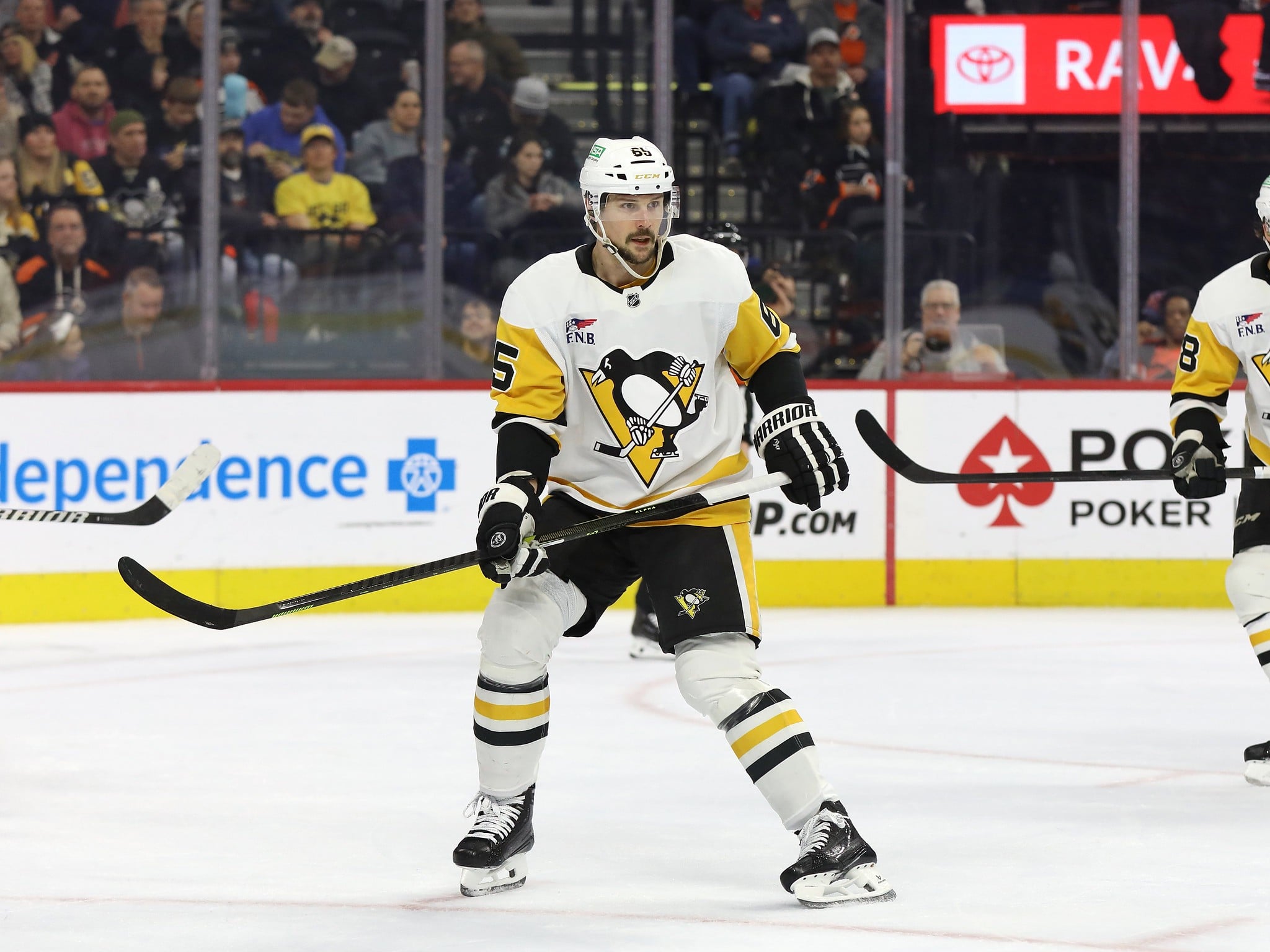
The Pittsburgh Penguins made a calculated move ahead of the stretch run, acquiring defenseman Samuel Girard and a 2028 second-round pick from the Colorado Avalanche in exchange for Brett Kulak.
Related: Avalanche Acquire Brett Kulak from the Penguins
The deal signals a clear philosophical shift from general manager Kyle Dubas, one that prioritizes long-term flexibility, puck-moving ability, and draft capital over familiarity and short-term stability. For a team straddling the line between retooling and staying competitive, this trade speaks volumes.
Penguins Strategic Reset on the Blue Line
Kulak was a dependable presence for Pittsburgh. A steady, veteran left-shot defenseman capable of playing middle-pair minutes, he brought experience, physicality, and a low-maintenance game. But at this stage of the Penguins’ evolution, “steady” wasn’t enough.
The Penguins are walking a tight rope. Sidney Crosby is still playing at an elite level, and the team is trying to get the most out of the final years of its core. Every move they make counts. Yet Dubas has been clear about his commitment to long-term sustainability.
Trading Kulak does two things: it gives the team a different set of skills and draft capital, with a second-round pick in 2028. The Penguins now have 34 draft picks in the next four years, 20 of which are in the first three rounds. It is a staggering number that no other team can match in that time frame.

What Girard Brings to Penguins
Girard is not a physical, heavy, in-your-face defender. He is 5-foot-10 and 170 pounds and must rely on his skating and hockey mind to contribute. He is in his ninth season in the league and has eight years remaining on his contract through 2026-27 with a cap hit of $5 million AAV. This is important for Girard because he is not a rental; he is part of the equation.
The 27-year-old has 37 goals and 235 points in 588 NHL games and 28 points in 67 playoff games. His most productive season offensively came in 2022-23 when he scored 37 points in 76 games for the Avalanche. The best part is that he has shown he can log heavy minutes on a good hockey team – and in the postseason – as was the case in 2022 when Colorado won the Stanley Cup.
In Pittsburgh, Girard immediately becomes one of the team’s most dynamic puck movers on the back end. His ability to exit the zone cleanly and transition the puck up ice fits perfectly with a Penguins identity that has long relied on speed and possession.
Under head coach Dan Muse, defensemen are expected to activate in the rush, move pucks quickly, and support offensive flow. Girard thrives in that style. His edge work allows him to escape pressure, and he’s comfortable quarterbacking breakouts. In many ways, he’s a stylistic match for the Penguins’ DNA.
Why Move on From Kulak?
While Kulak provided stability, he did not necessarily improve the team offensively. The Penguins’ defense has also had some difficulties with puck retrievals and breakouts. However, this is where Girard helps improve.
The Penguins also likely saw a chance to improve the skill level of their defensemen without sacrificing much in the way of cap space. Girard’s cap hit is $5 million. While he is expensive for a bottom-four defenseman, he is also signed for one more season after this one.
Kulak’s trade value was at a high. The Avalanche, a team with its own defensive needs, gave up a second-round draft pick for him, and the Penguins likely saw it as a chance to capitalize on Kulak’s value. This is not meant to be a commentary on Kulak. It is meant to be a commentary on direction. Dubas has always looked for defensemen with the skillset to drive play and control the puck. Girard is a better fit than Kulak in this regard.
Girard’s Fit Moving Forward
Girard’s arrival reshapes the Penguins’ defensive hierarchy. He projects as a top-four option, capable of logging minutes on the second pairing while contributing on the power play. With his mobility, Pittsburgh can afford to pair him with a more physically imposing partner, allowing Girard to focus on transition play. His presence could also ease the workload on other puck-moving defenders, spreading responsibility more evenly across the lineup.
Offensively, Girard won’t replace a 50-point defenseman, but he doesn’t need to. What he provides is efficiency. Quick outlets. Controlled entries. Fewer dump-ins. In a system built around speed through the neutral zone, that’s invaluable.
His playoff experience is another factor. While Pittsburgh is navigating a retool, the expectation in the room is to compete. Girard has played meaningful postseason minutes and understands the demands of a deep run.
Penguins Bigger Picture
Perhaps the most intriguing part of the trade is the second-round pick. The Penguins’ draft capital stockpile is no accident. Dubas has emphasized flexibility — and draft picks are currency.
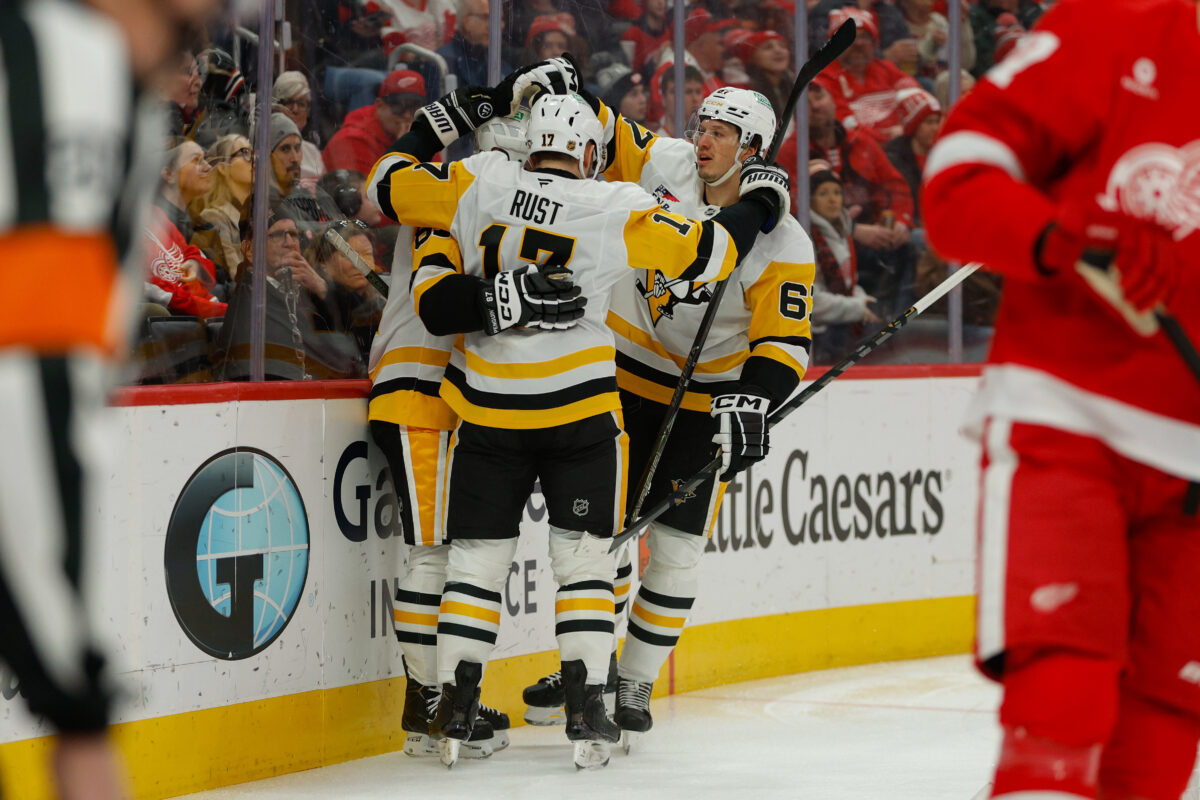
Whether those selections are used to draft prospects or offer a package in a trade, the Penguins are giving themselves options, and that is power in today’s NHL. This move signals that Pittsburgh isn’t standing pat. It’s adapting.
By acquiring a younger, offensively inclined defenseman under contract and adding a premium draft asset, the Penguins improved both their present and their future. They didn’t sacrifice competitiveness; they rebalanced it.
Penguins Have Chosen Their Path
This trade isn’t flashy, but it’s meaningful. Girard brings speed, puck movement, and contractual stability to a Penguins blue line that needed refinement. The added draft capital strengthens an already impressive asset pool. Most importantly, the move aligns with the organization’s dual mandate: compete now, build responsibly.
For Pittsburgh, this isn’t about a one-for-one player comparison. It’s about trajectory. And with this deal, the Penguins have clearly chosen a path — one that leans into skill, flexibility, and forward-thinking roster construction.

Free Newsletter
Get Pittsburgh Penguins coverage delivered to your inbox
In-depth analysis, breaking news, and insider takes - free.
Subscribe Free →