This offseason, the Toronto Maple Leafs went from being a team that might be heading into another difficult season to suddenly having one of the most exciting young players in hockey. Winning the Gavin McKenna lottery changed the conversation around the organization almost overnight.
But it also changed the expectations. New general manager John Chayka isn’t building a team for three or four years from now. Auston Matthews is under contract now. William Nylander is under contract. McKenna is here. Matthew Knies and Easton Cowan are part of the picture. The message is pretty clear: the Maple Leafs are supposed to compete now. And that creates a problem.
The Maple Leafs Don’t Have Their Usual Trade-Deadline Toolbox
Toronto doesn’t have first-round picks in 2027 or 2028. That’s a pretty important detail when you’re talking about a team that may need help at the trade deadline. Normally, if a contender has a hole in its lineup, their general manager can start looking at future first-round picks and prospects to figure out how much it is willing to pay to fix the problem.
The Maple Leafs don’t have that luxury. Of course they can still make trades. They have players, prospects and other draft picks. But those future first-rounders aren’t sitting in the cupboard waiting to be used. And that’s where the construction of the team gets interesting.

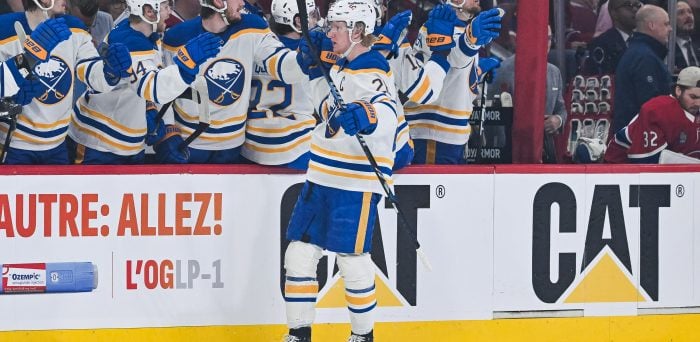
(Nick Wosika-Imagn Images)
The bottom six, for example, might not exactly scream Stanley Cup favourite. Nick Paul, Colton Sissons, Jack Roslovic, Teddy Blueger and Brandon Duhaime are all useful NHL players. But if the team gets to March and discovers they need more scoring depth, they can’t throw a first-round pick on the table and say, “Let’s fix that.” Chayka is going to have to be creative.
This Is Where the McKenna Lottery Really Matters
Winning the lottery didn’t just give Toronto McKenna. It changed the timeline. Had the Maple Leafs missed out on McKenna, perhaps there would have been more temptation to take a step back, accumulate assets and build for the future. That’s not really an option now. You don’t win the first overall pick and then tell Matthews that the organization is going to wait another three years.
McKenna is going to need time, of course. He’s 18. Nobody should expect him to carry an NHL team. But having him on the roster makes the idea of waiting much harder to sell. That’s why Chayka’s job is to build around an elite core without giving away the future just because the team has a weakness today. And that’s a tricky balancing act.
Chayka Has to Get This Roster Building Right
The good news is that Toronto doesn’t need to make a giant trade just because it can. Maybe the current roster is better than expected. Maybe Cowan takes another step. Maybe McKenna hits the ground running. Maybe the bottom six provides more than people expect. Maybe the defence holds together and the goaltending works.
If that happens, Chayka can leave his future assets alone. But if the Maple Leafs reach the deadline with an obvious weakness, things get complicated. They may have to decide whether that weakness is serious enough to sacrifice another important piece of the future.
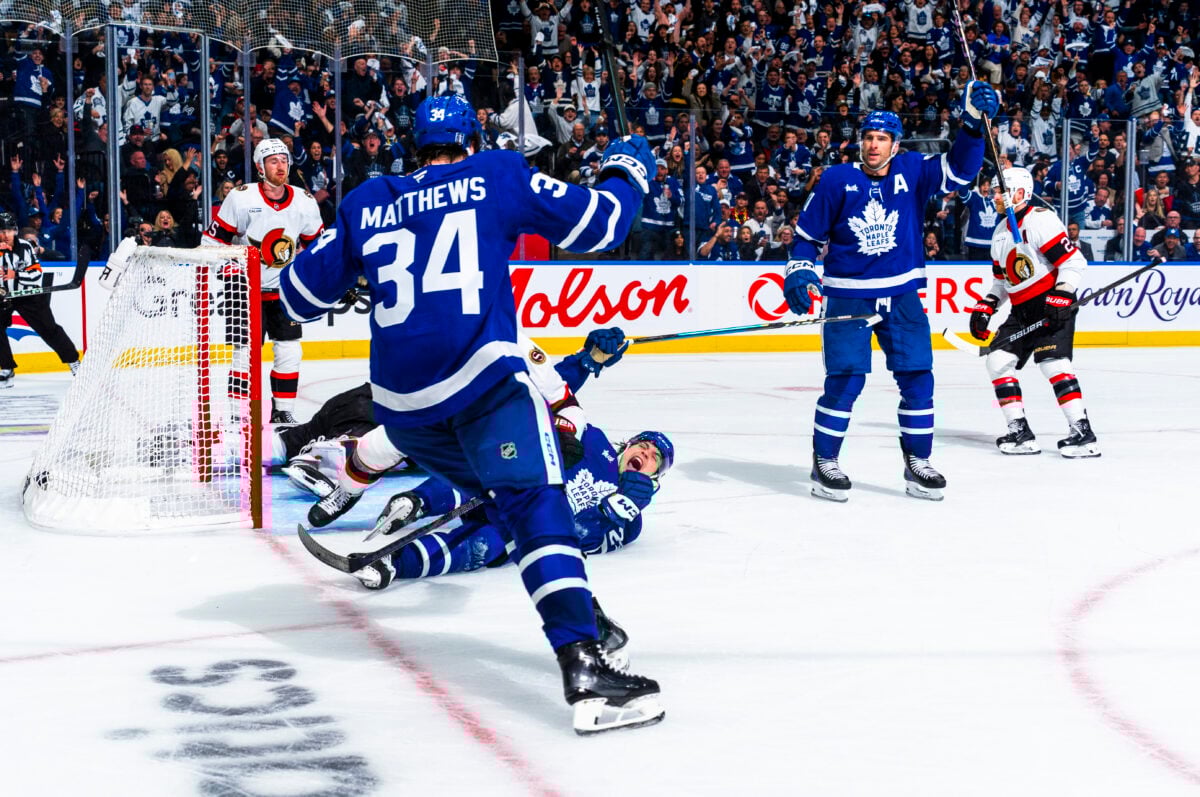
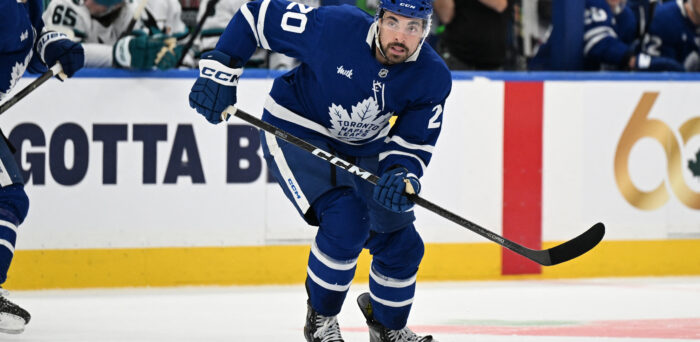
(Photo by Mark Blinch/NHLI via Getty Images)
That’s the danger of building a win-now team without important draft capital. The Maple Leafs have put themselves in a position where they really need to get this right. They have Matthews. They have Nylander. They have McKenna. Now they need to make sure the surrounding players are good enough. And that’s a much harder job when you can’t simply trade your way out of every mistake.
[Note: I want to thank long-time Maple Leafs fan Stan Smith for collaborating with me on this post. Stan’s Facebook profile can be found here.]
Free Newsletter
Get Toronto Maple Leafs coverage delivered to your inbox
In-depth analysis, breaking news, and insider takes - free.
Subscribe Free →