Settling into my recliner, tuned into Team Canada’s first matchup against Latvia at the 2026 World Junior Championship, I found myself rocking along with The Who’s Roger Daltrey as he belted out “Won’t Get Fooled Again”. Later, much to my delight, the arena sound technicians cued “Courage” by the Tragically Hip whenever Team Canada scored.
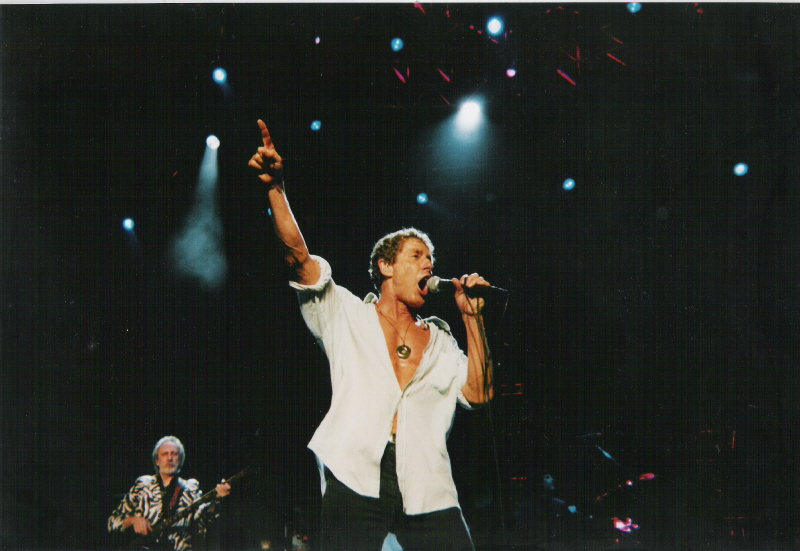
I began to wonder why a hockey tournament for teenagers sounded like a classic-rock station. A rock anthem in its day, Won’t Get Fooled Again was released in 1971, when many of these kids’ grandparents were blasting it in their university dorms. The Hip’s Courage was released in 1993 when their parents were just learning to drive.
Related: NHL’s 5 Best National Anthem Singers of All-Time
It’s not just a Canadian thing, either. The goal song for Team USA in the tournament was Lynyrd Skynyrd’s “Free Bird”, released in 1973. And lest you think Boomer Music is restricted to teenage hockey tournaments, Hockey Night in Canada broadcasts often introduce segments, montages and intermissions with songs like The Rolling Stones’ “Jumpin’ Jack Flash” (1968). Not to be outdone, the Ottawa Senators kick off their games with AC/DC’s “Hells Bells” (1980) while the Calgary Flames celebrate their goals with another of the iconic Australian group’s songs, “T.N.T” (1975).
Hockey Sounds Like It’s the ’70s, But That’s Not the Whole Story
As you’ve probably already guessed, I’m a Boomer, and I’m good with tunes by the Stones and The Who being played as often as possible at hockey games. Their best songs were anthems used forever in all manner of films and sports broadcasts. They are the ideal fit for highlight packages.
Even so, today’s hockey players weren’t born when these songs were new. In fact, Mick Jagger and Roger Daltrey, both knighted and now in their 80s, are older than their grandparents! So, if much of the music played at NHL games and on league broadcasts isn’t for the players or even their parents, then who is it for?
The Real Audience Hockey Is Targeting With Its Music Choices
The painful truth for hockey is that its core audience remains middle-aged or even older. They are men and women 45-70 years old who are cable subscribing, nostalgic hockey fans. They watch full games, stay through intermissions and have money to spend on whatever advertisers are hawking. Their childhood memories of hockey are the many nights they gathered around Hockey Night in Canada broadcasts with their entire family listening to Foster Hewitt and his son Bill call games.
All of this is going to become a problem for the NHL’s business as this core audience is replaced over time by generations of younger fans, many of whom have neither the money, time nor patience to attend live games or watch entire broadcasts. They prefer consuming sports highlights on their phones and don’t devote entire evenings to watching televised games, much less attend live sporting events.
What all of this means for the NHL is that they must keep on appealing to their aging core audience and the advertisers trying to reach them. One of the ways to do that is appeal to their sense of nostalgia, and what better way to do that than play the music of their youth? Yet at the same time, this risks alienating the next generation of hockey fans.
In a nutshell, the NHL’s soundtrack is market research you can hear. It’s also a quiet admission that the league is caught between pleasing a greying core audience and reaching a new one they don’t quite understand.
Hockey’s Cultural Memory Is Locked in the 1970s
For Canadians of a certain age, some of their earliest memories of the game are locked in hockey mythology. They remember the 1972 Summit Series from a time of big voices and big hits – both on the radio and on the ice. Memories of the toughness of the 1970s and 80s still resonate with them.
Classic-rock tunes for this core hockey audience reinforce tradition, cultural confidence and seriousness. The biggest songs of this era possess “this matters” energy, signalling that what they are about to watch is “real hockey” even though at the World Junior Championship it’s played by teenagers. It’s emotional time-travel – nostalgia as cultural glue.
The problem for hockey is that it’s time to move on from this culture. Other sports have modernized theirs. A good example is the National Football League (NFL) hiring controversial Puerto Rican rapper Bad Bunny as the headline act at the 2026 Super Bowl halftime show.
The National Basketball Association’s (NBA) soundtrack is dominated by Hip-Hop and R&B from artists the likes of Nipsey Hussle and others. Pop and electronic beat tunes combined with trending viral songs keep basketball’s vibe fresh and appealing to younger fans.
For Hockey, Classic Rock Is a Safe Bet
Those responsible for marketing hockey and its broadcasts are making the safe bet with classic rock. For the largest segments of the game’s fanbase it’s instantly recognizable and rarely offensive. It’s non-controversial and cross-generational. I saw the proof of this myself when my millennial son took all of my classic rock albums when he discovered them buried in our basement.
In contrast to classic rock, many Hip-Hop and Rap tunes are controversial and, from a business standpoint, very risky. Ironically, that’s what rock and roll music had been once upon a time.
The NFL found this out the hard way when it chose Bad Bunny (aka Benito Antonio Martinez Ocasio) for this year’s Super Bowl halftime show. He has been highly critical of the Trump administration’s immigration policies and is an LGBTQ advocate who sings in Spanish while garbed in gender-fluid outfits.
The booking drew criticism from US President Donald Trump and many of his supporters including American right wing social media activist Robby Starbuk. He seemed to sum up the feelings of many football fans complaining in a Tweet that Bad Bunny “is not a pick designed to unite football fans or let people just enjoy the show. It was a pick designed to divide fans and no doubt Bad Bunny will find some way to push a woke message. This isn’t about music, it’s about putting a guy on stage who hates Trump and MAGA.”
Even so, NFL commissioner Roger Goodell stuck by the league’s decision, seemingly justifying the business case for the choice. As he put it, “He (Bad Bunny) is one of the leading and most popular entertainers in the world. That’s what we try to achieve. It’s an important stage for us. It’s an important element to the entertainment value.”
The NFL knows where its future lies. Evidently, they don’t think it’s with “Good Ol’ Boys” sporting confederate flags and barbecuing hamburgers at tailgate parties. In contrast to the NHL and its broadcasters, the NFL is a trendsetter, not a simple curator of its traditional culture.
What Hockey’s Soundtrack Says About Its Future
The uncomfortable truth is that hockey still depends on an aging fan base. Its emotional centre is still Boomer/Gen X. For the NHL and its broadcasters, cultural innovation feels risky. The challenge for hockey is whether it can attract new, younger fans without alienating the ones who built its audience.
For Boomers sitting in their recliners watching hockey on their big screen TVs, hearing Gord Downie singing “Courage” or “50 Mission Cap” during Hockey Night in Canada broadcasts brings a certain comfort. Maybe things can stay the same despite the march of time.

Yet we all know that’s fantasy. The real question isn’t whether hockey can ever sound different. It’s whether it can afford not to.
