Every draft cycle brings the same temptation for teams sitting in the middle of the first round. Do you stay patient and trust your board, or do you try to force your way into the elite tier of the draft?
For the St. Louis Blues, that question only has one real answer if they are thinking big. Moving up only makes sense if they are getting all the way to No. 2 overall. Anything less than that is not worth the cost.
The gap between picks 11 and 15 and the very top of the draft is massive. If the Blues are going to spend premium assets, it has to be for a player who can change their future, not just improve their depth.
Why No. 1 Is Not in Play
Before anything else, it is important to set the top of the board. The No. 1 pick is essentially locked into place in most projections, with the Toronto Maple Leafs expected to land a generational talent in Gavin McKenna.
Teams in that position do not move on from a player like that. So for St. Louis, the realistic trade market effectively starts at No. 2, not No. 1.
That brings the focus directly to the San Jose Sharks.
The Cost of Getting to No. 2
The Sharks control one of the most valuable assets in hockey. A pick that high is not just about drafting a good player. It is about selecting a potential franchise cornerstone like Ivar Stenberg or defenseman Chase Reid.
The Blues can offer No. 11 and No. 15, which is strong draft capital, but it does not get them into the conversation on its own. To even get San Jose to consider it seriously, a roster player has to be involved.
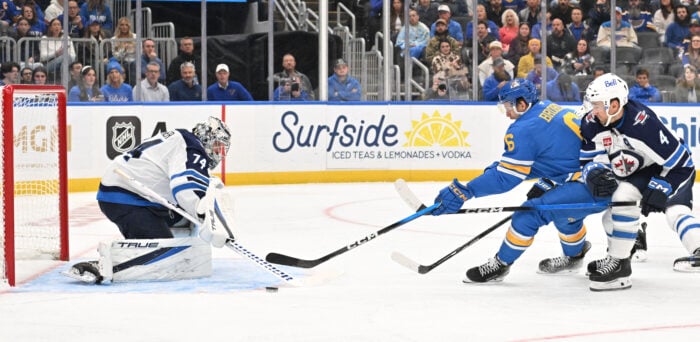
Jordan Kyrou is the most realistic name. He brings speed, scoring, and proven NHL production. For a rebuilding team like San Jose, that fit actually makes a lot of sense. The Sharks already have a wave of young forwards, but they still lack a proven winger who can create offense with speed and finish plays at the NHL level. Kyrou fills that gap immediately while also bringing experience to a young locker room.

One trade scenario looks like this:
- Blues receive No. 2 overall pick
- Sharks receive Jordan Kyrou, No. 11 pick, No. 15 pick
That is the type of deal that at least opens the door. It gives San Jose an NHL scorer plus two first-round selections. Even then, it may not be enough depending on how the Sharks value the player they are drafting.
The Parayko Alternative
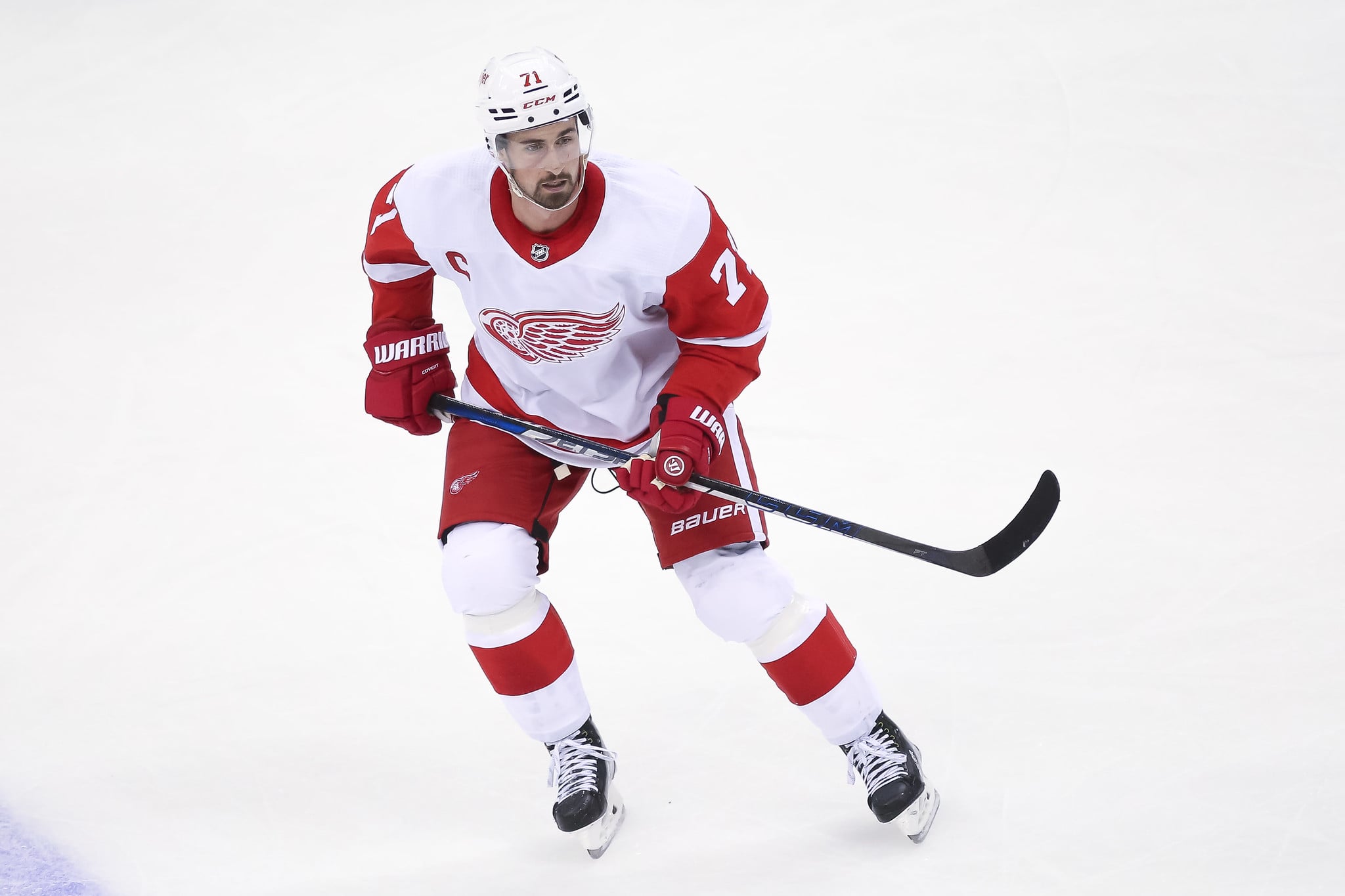
If St. Louis wanted to change the type of return, Colton Parayko would represent a different approach. He is a proven top-pair defenseman with size, experience, and playoff pedigree. For San Jose, that kind of addition could be just as valuable as adding offense. While they have invested heavily in young forwards, they still need stability on the back end. Parayko would give them a reliable presence who can handle heavy minutes and help guide a developing defense group.

There is also leadership value here. Adding an experienced player like Parayko gives the Sharks someone who has been through playoff runs and understands what it takes to win, something that can be important for a young team finding its identity.
But there are complications. Parayko carries a significant contract and has trade protection, which limits flexibility. Even if he is willing to move, San Jose has to decide if adding an older defenseman fits their timeline.
Another similar trade scenario:
- Blues receive No. 2 overall pick
- Sharks receive Colton Parayko, No. 11 pick, No. 15 pick
It is a stronger defensive return, but teams in San Jose’s position usually prefer younger, cost-controlled assets instead of veterans.
Why It Only Makes Sense at No. 2
This is the key point in the entire discussion. It does not really make sense for the Blues to trade up unless it is for the No. 2 pick. Moving up a few spots into the middle of the top 10 would cost valuable assets without delivering a true franchise-changing return. The only scenario that justifies the price is getting into the range where elite talent is still available.
At the same time, there is a real argument for staying put. The Blues can still land two high-quality prospects at No. 11 and No. 15. In a deep draft, that kind of value is not something teams give away lightly.
That is what makes this decision so interesting. It is not about whether the Blues can get good players where they are picking. They can. The real question is whether it is worth passing on that depth and betting everything on one player.
That is what makes No. 2 different. At that point, you are not just adding a prospect. You are trying to secure a cornerstone player who can shift the direction of the franchise.
The Reality for St. Louis
In the end, San Jose does not have to move the pick. If they believe Stenberg or Reid is a true long-term centerpiece, they simply make the selection and continue their build.
For the Blues, that means any serious offer has to be aggressive. Kyrou or Parayko plus both first-round picks would be the starting point, not the finish line. Both players have surfaced in trade conversations before, and this could be the kind of moment where moving one actually makes sense.
It is a high-risk move either way. But that is the nature of trading into the top of the draft. You are not buying certainty. You are betting on upside.
If St. Louis ever decides to make that jump, it will say everything about how they view their future. And it will be one of the most defining decisions the franchise makes in years.
Free Newsletter
Get St Louis Blues coverage delivered to your inbox
In-depth analysis, breaking news, and insider takes - free.
Subscribe Free →