


The Winnipeg Jets didn’t just lose another game on Thursday night — they lost control of the narrative surrounding their season.
Blowing a 4–1 lead to fall 6–5 against the Toronto Maple Leafs wasn’t simply a bad night at Scotiabank Arena. It was a snapshot of everything that has gone wrong for Winnipeg in 2025–26: poor structure, inconsistent execution, fragile confidence, and an organization clinging to an outdated vision of competitiveness.
Related: Jets’ Connor & Hellebuyck Named To U.S. 2026 Olympic Roster
The result dropped the Jets to dead last in the NHL, a place no one inside the organization envisioned when the season began — but one that now demands a serious reckoning.
A 4-1 Lead That Meant Nothing
For nearly half the game, Winnipeg looked like a team capable of dictating play. Goals from Gabriel Vilardi, Dylan DeMelo, Alex Iafallo, and Mark Scheifele built a commanding 4–1 advantage midway through the second period.
But instead of tightening defensively and managing the game, the Jets unraveled.
Toronto slowly clawed back momentum, driven by Auston Matthews, who recorded a hat trick — including the game-winning goal — as Winnipeg’s structure dissolved. Defensive coverage broke down, puck management vanished, and the Jets looked like a team waiting for the next mistake rather than preventing it.
That mindset has defined their season.
Dead Last Isn’t a Fluke — It’s the Truth
Winnipeg currently ranks 32nd overall, and looking at the numbers, it’s unlikely that this will be a blip.
They have difficulties at five-on-five, lack depth scoring, and often find ways to surrender momentum-changing goals at the most inopportune moments. They are a sign of a bigger problem: a lack of the ability to close out games.
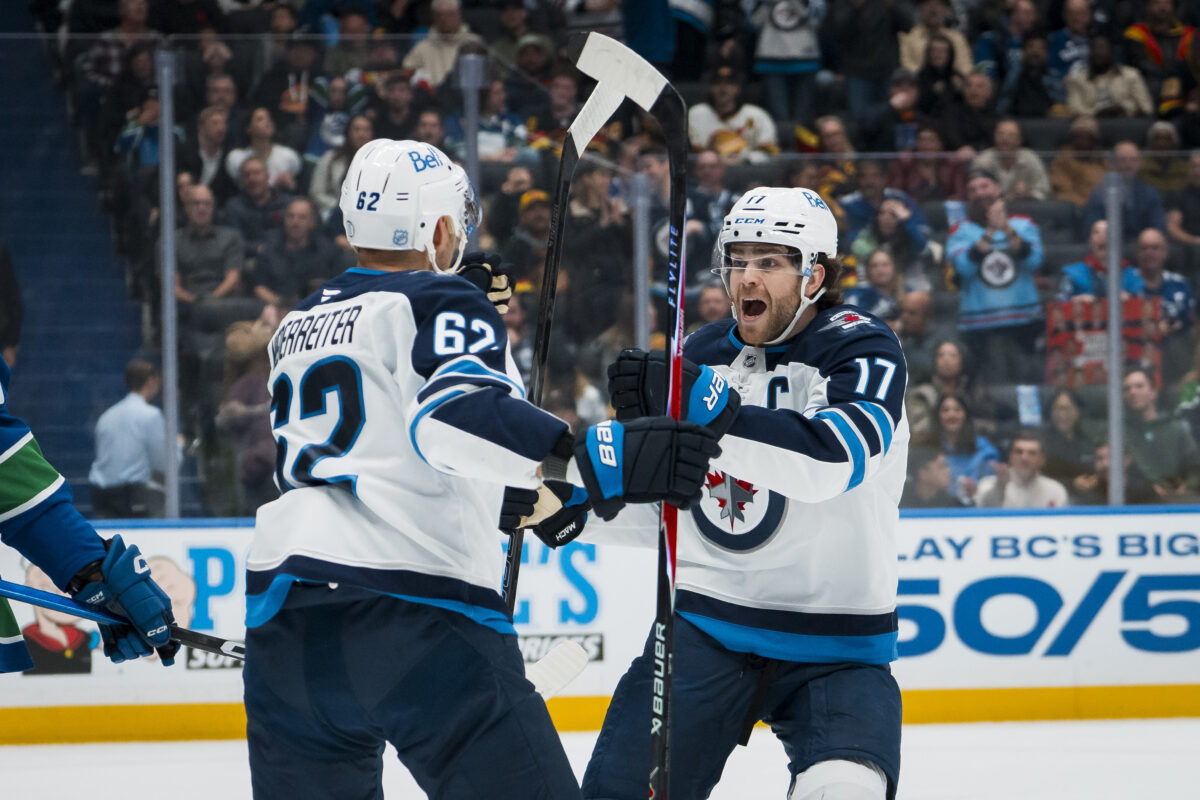
This isn’t bad luck. It’s roster construction meeting reality.
Bad Contracts, Worse Flexibility
One of the biggest issues plaguing the Jets is how locked-in they are financially to declining or underperforming assets. Several contracts on the books no longer align with production, value, or role — and those inefficiencies are now impossible to ignore.
Winnipeg is paying top dollar but not getting top results.
When a team is struggling in their respective league and it also happens to have a rigid budget, the issue at hand is not merely coaching or implementation. It’s a philosophical issue.
And that all brings us directly to the man at the top.
Kevin Cheveldayoff’s Crossroads Moment
This season may define the legacy of general manager Kevin Cheveldayoff.
Cheveldayoff has overseen the Jets for well over a decade, guiding them through competitive windows, playoff runs, and roster overhauls. But what once looked like patience and stability now feels like stagnation.
The Jets have been slow to adapt. Slow to modernize their roster. Slow to acknowledge when a core has peaked.
At this stage, Cheveldayoff faces two options: Embrace a re-tool — not a rebuild — or step aside for someone with new ideas.
Why a Retool Makes Sense
A full teardown isn’t necessary. Winnipeg still has legitimate NHL talent and pieces that can anchor a competitive team if deployed properly.
A retool would mean:
- Selling select veterans for futures
- Clearing cap space strategically
- Re-allocating roles and ice time
- Prioritizing speed, puck movement, and transition play
Most importantly, it would mean acknowledging that this version of the Jets is not competitive enough to justify standing pat.
Trying to “fix it internally” hasn’t worked.
Selling Assets Is No Longer Optional
With the Jets at the bottom of the standings, asset management becomes paramount. Players with term, playoff utility, or retained salary potential must be explored on the trade market.
This isn’t about quitting on the season — it’s about protecting the future. Holding onto assets out of pride or fear of optics would only prolong mediocrity. The league is too fast, too skilled, and too aggressive for indecision.
Offensive Identity: Missing in Action
Perhaps the most alarming trend is Winnipeg’s offensive stagnation. Outside of occasional bursts from top-line players, the Jets lack creativity. Zone entries are predictable. Shot quality is inconsistent. The power play struggles to sustain pressure. This is not a team built to outscore its mistakes — yet mistakes remain frequent.
When offence dries up and defence collapses, confidence disappears quickly. That’s exactly what unfolded against Toronto.
The Cost of Standing Still
The NHL punishes teams that hesitate. Those that fail to evolve are passed by quickly.
Winnipeg has spent too many seasons trying to thread the needle between contending and maintaining comfort. That middle ground no longer exists.
Being dead last removes ambiguity. This is no longer about “one bad stretch” or “getting healthy.” It’s about identity, direction, and leadership.
A Decision That Can’t Be Delayed
The loss to Toronto should be remembered as more than a blown lead. It should be remembered as the night Winnipeg’s reality became undeniable.
Whether Cheveldayoff leads the re-tool or hands the reins to someone else, one thing is clear: Change is no longer optional. Standing still has brought the Jets to the bottom of the league. The next move will determine whether they climb back up — or remain stuck watching others pass them by.

