In today’s NHL, talent is everywhere. Every team’s got speed, structure, and someone who can shoot the lights out. But when the puck drops in April—and even more so in May—it’s not always skill that separates the contenders from the rest. It’s leadership. And in Canadian markets, where the pressure runs deep and the spotlight never dims, leadership isn’t optional. It’s what holds the room together when things get messy.
But here’s the real question: What does effective leadership actually look like in today’s NHL? And does the six-time Stanley Cup champion Mark Messier’s standard still mean something?
An NHL Leadership Moment That Still Teaches
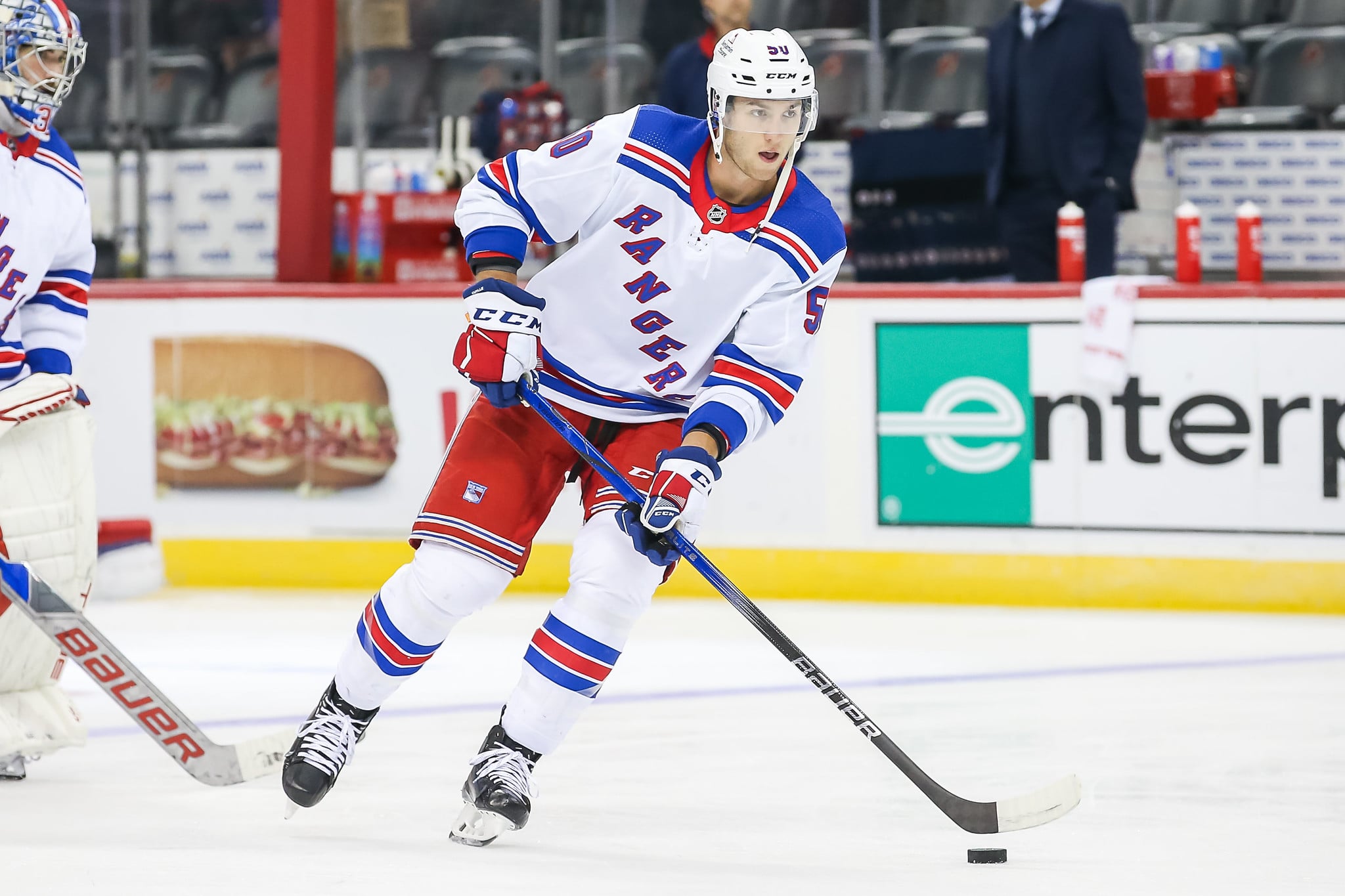
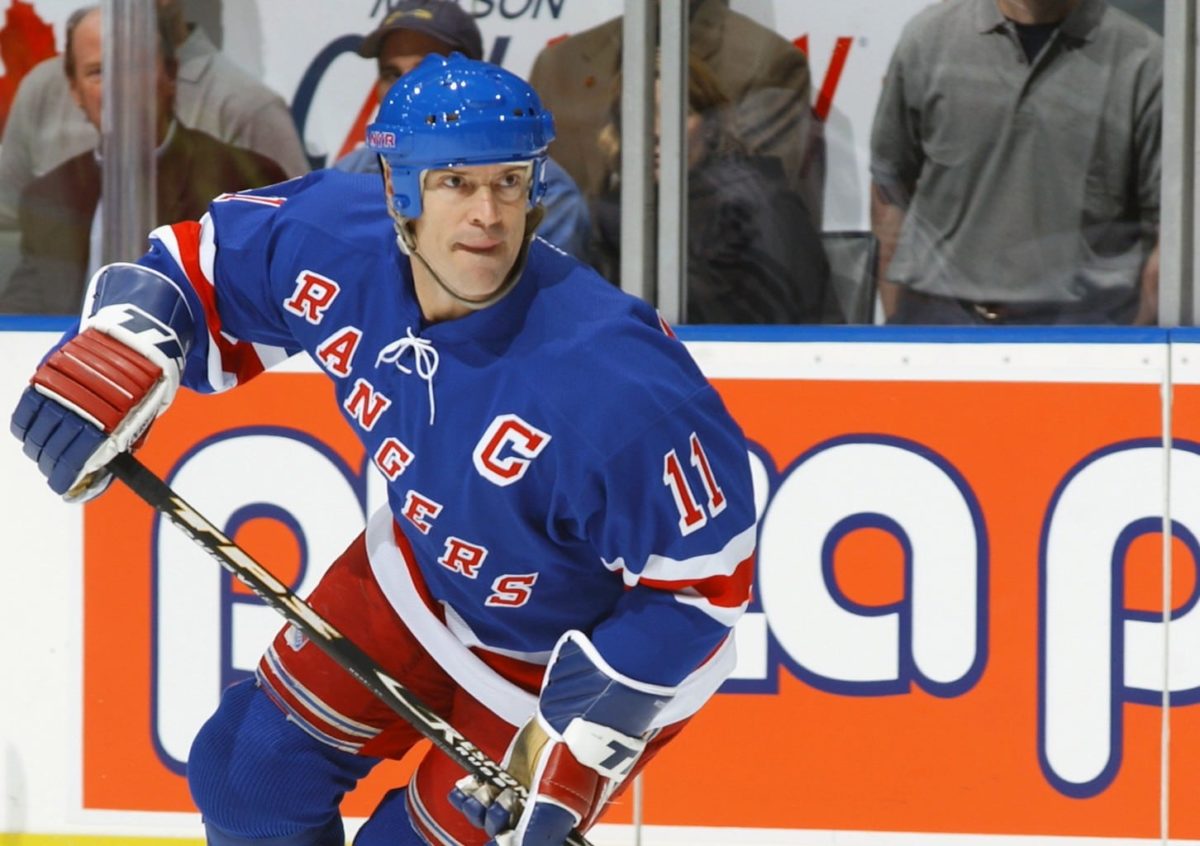
Let’s rewind. Back in the early 1990s, a young player had one of those games with the New York Rangers that every player dreams of. He fought, scored, and was named one of the stars of the night. He walked into the dressing room fired up, expecting high-fives and praise. Instead, he got pulled into the trainer’s room by Messier.
“Tie, come here.”
What followed wasn’t congratulations—it was correction. Messier had seen the youngster showboat after the fight, taunting the opponent on his way to the box. For Messier, that wasn’t toughness. It was disrespectful—to the other team, and worse, to the Rangers logo. The message was simple: you don’t earn respect by embarrassing someone. You earn it by respecting the game, the room, and the standard.
That early-career lesson was never forgotten—the player: Tie Domi.
[Note: This story is shared proudly by Tie Domi in his excellent book, Shift Work (worth a read!).]
What’s Changed in NHL Leadership, and What Hasn’t?
The Messier moment still matters. However, the way leadership presents itself today isn’t always that direct. The NHL has changed. Dressing rooms are younger, more diverse, and more attuned to communication styles that go beyond barking orders. Players are coming in more prepared than ever, but they’re also facing pressure at a younger age—and the noise outside the rink is louder than it’s ever been.
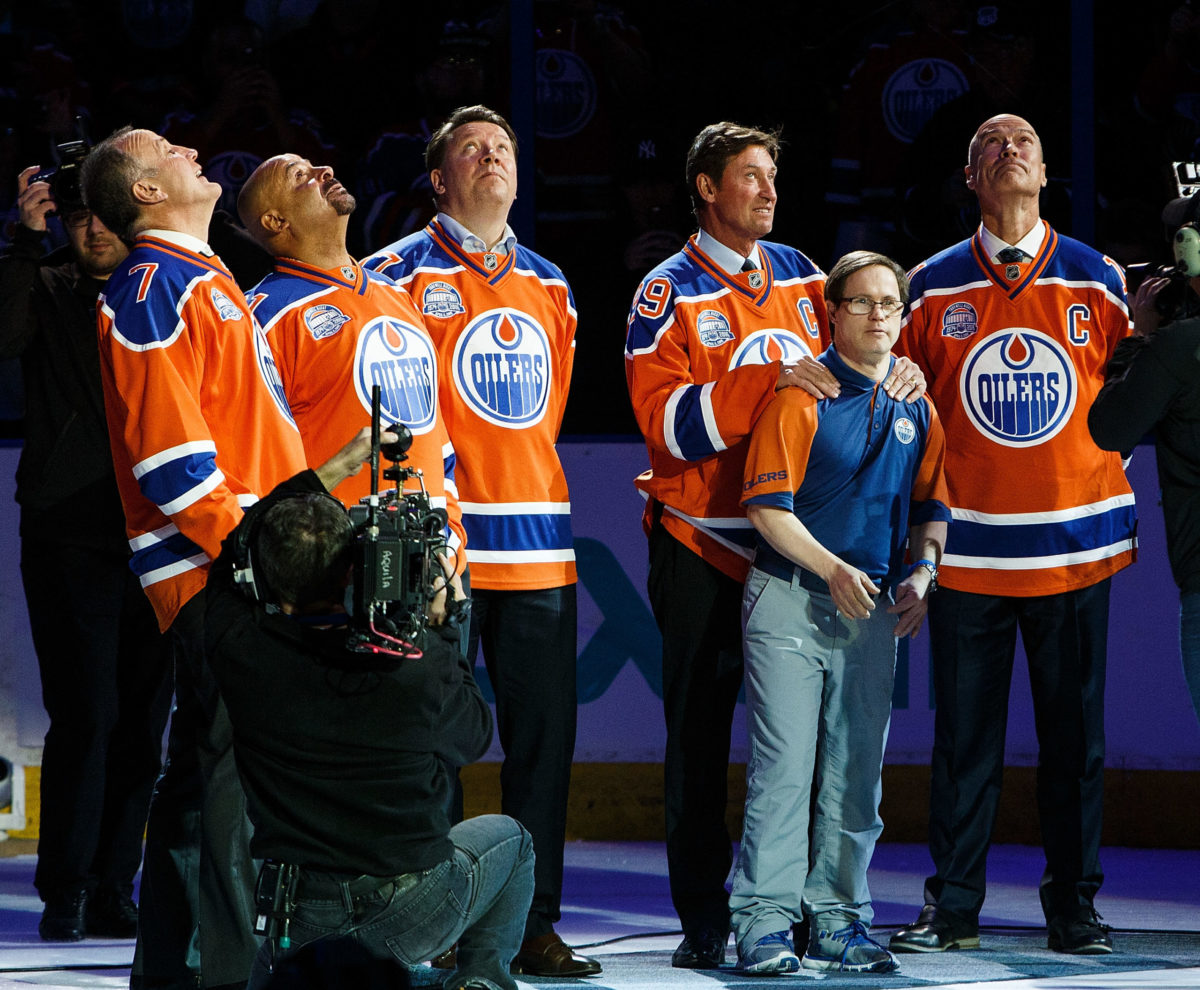
Today’s leaders can’t just be loud or tough. They need to be consistent. They need to be clear. And above all, they need to understand the people around them.
Modern Hockey Leadership Isn’t Softer—It’s Smarter
So what does good hockey leadership look like now? Some guys lead by example—always first on the ice, never cheat a drill, never duck a tough night. Some lead by presence, calming things down when emotions get too high. Others speak when it’s needed, but they choose their moments wisely.
And then there’s culture—the stuff you don’t see on the broadcast. In a good room, leadership makes sure the young guys aren’t afraid to speak up. That the fourth-liner knows he matters as much as the power-play quarterback. That nobody forgets who they’re playing for—each other. It’s not flashy, but it wins.
Does the Messier Standard Still Exist?
You bet it does. It might not always look the same—less shouting across the room, more side conversations or steady, everyday standards—but the core hasn’t changed. Leadership still means keeping people accountable. It still means demanding more when others settle for less. And it still means protecting the values that hold a team together.
The best teams? You’ll hear players say it all the time: “The room policed itself.” That doesn’t happen by accident. It happens when someone in the room ensures that no one gets comfortable coasting.
Why the Messier Standard Still Matters—Especially Here in Canada
Canadian teams don’t just play under the spotlight—they live in it. Fans know when something’s off. They can feel when a team has heart, or when it’s just going through the motions. Leadership doesn’t guarantee a Stanley Cup run, but without it? You’re not going anywhere.
Hall of Famer Messier’s message—that real leaders make the room better, not louder—still holds up. It’s not about volume. It’s about the weight behind what’s said, and how it’s lived. And across Canada, where hockey still means something more, that kind of leadership doesn’t just matter. It lasts.

[A Brief Epilogue: If you haven’t picked it up yet, Domi’s Shift Work is worth a read. Beyond his record 333 NHL fights, Domi shares his upbringing in Belle River, the values his immigrant parents instilled, and the mental toughness it took to succeed. He reflects on life after hockey and shows respect for the “unsung” people who make the game possible: the ticket seller, the equipment guy, and the fans. It’s a surprisingly thoughtful look at a Toronto Maple Leafs iconic player many only knew as a fighter.
And it’s interesting to see that leadership thread continue in the next generation: his son Max Domi talks about wanting the Maple Leafs to be a team “feared throughout the NHL,” hinting that some of Tie’s lessons about respect, toughness, and accountability might be influencing him too.]
Free Newsletter
Get New York Rangers coverage delivered to your inbox
In-depth analysis, breaking news, and insider takes - free.
Subscribe Free →