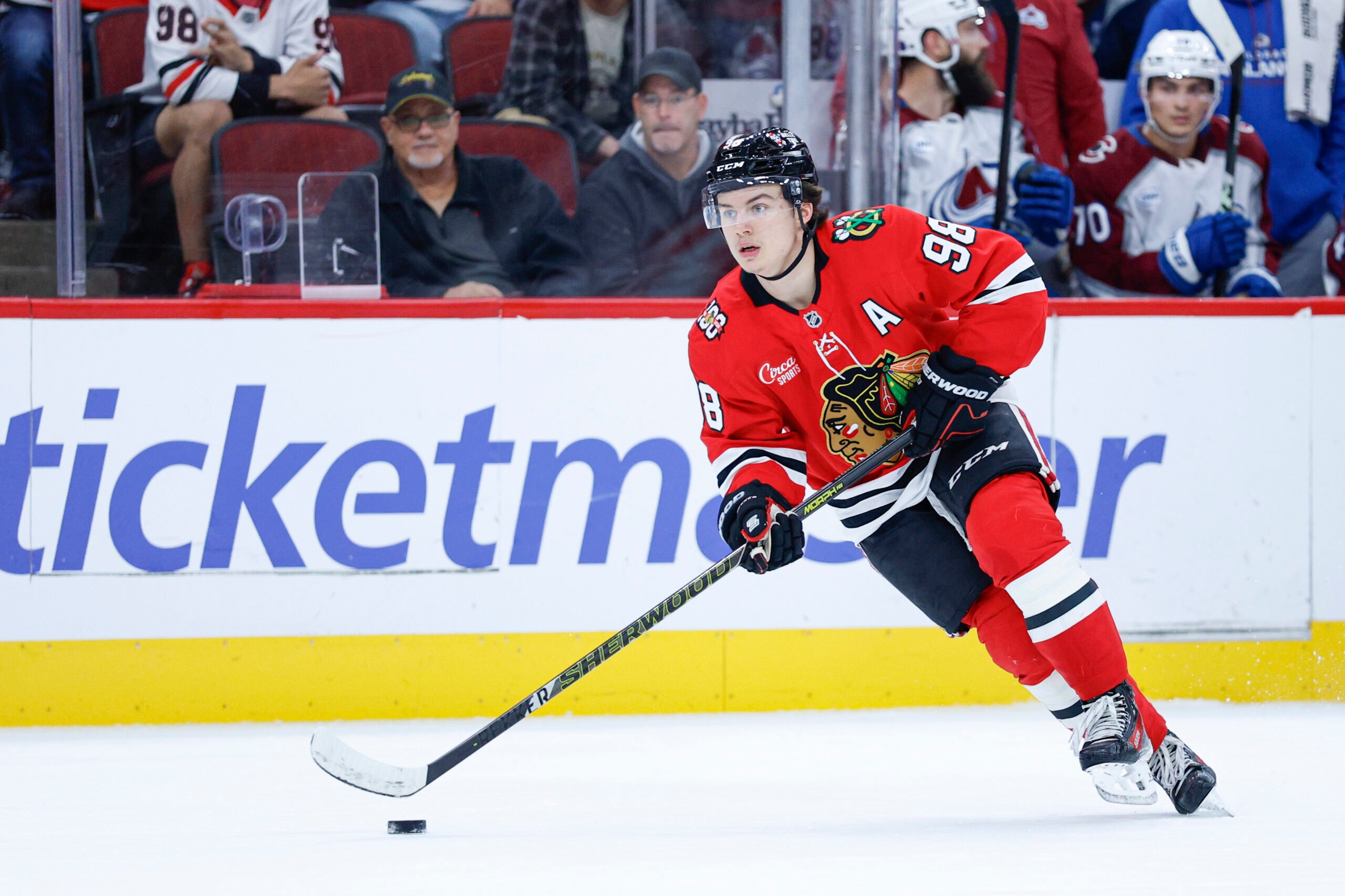
When the Vancouver Canucks finally pulled the trigger and traded Quinn Hughes, most of the attention—understandably—was on who was leaving, not who was coming back.
That’s only natural. Hughes wasn’t just a great player; he was easy to love. He carried himself like a captain, embraced the role, and gave fans something steady to believe in. By the time the trade actually happened, we started hearing whispers that a move might have been coming anyway—that maybe this was always where things were headed.
Still, in the moment, it felt like a loss. To be honest, the return was a bit of a mystery. Prospects and young players. The kind of pieces you nod at politely but don’t fully understand yet. But sometimes those are the deals that take time to reveal themselves.
Because as the season went along, one name started to quietly emerge. A player who arrived injured, barely noticed at first, but who has slowly begun to show something worth paying attention to. That player is Marco Rossi.
Who Knew Anything About Rossi When He Came to the Canucks?
Back in December, when Vancouver moved Hughes to the Minnesota Wild, Rossi arrived with a bit of curiosity attached to him. Was he talented? Who knew? Was he a proven asset? Not really. He was injured. Right away, Canucks’ fans could see the challenge—a new team, a new system, and a body that wasn’t quite right.
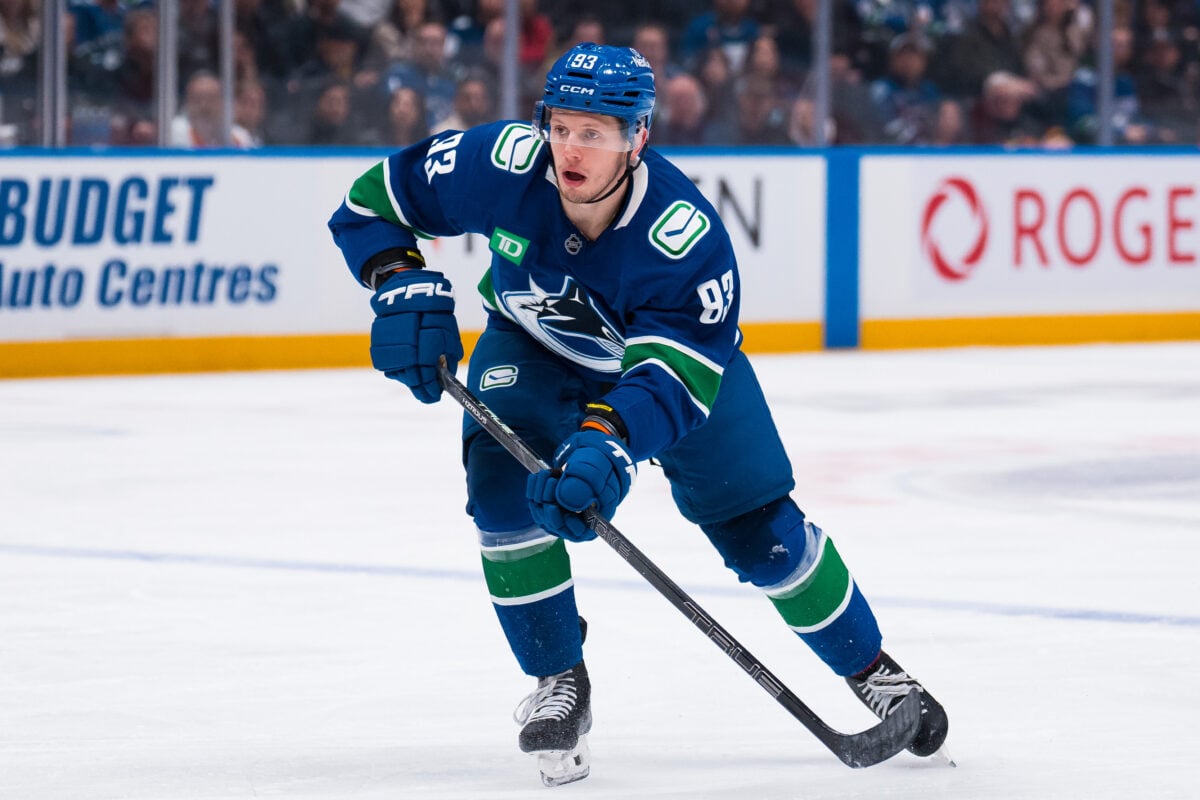
That’s never an easy way to start. So, he stepped into the lineup mid-December, still shaking off a lower-body issue, and the early returns were quiet. A point here, a goal there, but nothing that screamed “difference-maker.” Then, just as he starts to get his feet under him—bang—he’s hurt again.
January comes, and he’s on the shelf. Then longer through the Olympic break. One thing I’ve noticed about young players over the years is that you give them space to figure it out and show what they have. It was worth waiting for Rossi.
Finding His Game, One Shift at a Time
When he came back in late February, something had shifted. It wasn’t all at once. But it was enough that you started to notice. He wasn’t trying to do too much anymore.
Even on a team that was struggling, you could see things coming together by early March. A goal and two assists one night. Then another multi-point game. Then a stretch—three goals, four assists—where he looked like a player who finally understood where he fit.
That matters because, to repeat the obvious, this Canucks team wasn’t a good one. They were inconsistent, leaky, and asking a lot from players still figuring things out. But Rossi kept showing up. He played second-line minutes. His power-play time increased, and he became increasingly comfortable.
Rossi Brings a Strong Finish and a Glimpse of What’s Next
By April, fans were seeing something a little more interesting with Rossi. He finished strong. He could pick up points in bunches. He started making plays with a bit of authority. Then came that overtime moment against the Anaheim Ducks. Sets one up early, then buries the winner himself.
That’s a player who is showing he can take ownership of a game. Right now, Rossi’s numbers won’t blow you away. But the story underneath them should.

Imagine Rossi’s season. He moved from uncertainty… to injury… to adjustment… to contribution—that’s really the story here. The 24-year-old didn’t just have a season; he went through a huge move. One day you’re in Minnesota; the next you wake up in Vancouver with a new team, in a new country, and with new and bigger expectations. But before you can even settle in, your body isn’t cooperating.
That kind of stretch can knock a player off track. But to his credit, it didn’t. By the end of the season, you could see it starting to come together. The pace made more sense, the confidence crept in, and the production followed. Not in a headline-grabbing way, but in a steady, “something’s building here” kind of way.
Rossi Has the Tools to Make a Difference for the Canucks’ Future
That’s where it gets interesting for the Canucks going forward. Rossi has the tools—good hands, vision, and power-play instincts—but it’s the way he got there that stands out. He worked through it. He didn’t cheat the process.
He could be a difference-maker on a team that’s still trying to figure it out. He gives them a legitimate top-six option down the middle, fits the age group of where this team is headed, and now has a feel for just how tough this market can be. There’s value in that kind of experience, even if it doesn’t show up on the stat sheet.
Is he the centrepiece of a rebuild? Maybe not. But could he be part of the engine that drives it? You have to like that direction. You have to love that Rossi’s growing into his place. For Vancouver fans looking for a little hope, keep an eye on him. Because by the end of this season, he didn’t just find his game—he may have found his place.
Free Newsletter
Get Editor Picks coverage delivered to your inbox
In-depth analysis, breaking news, and insider takes - free.
Subscribe Free →