The Edmonton Oilers enter the 2026-27 season with one goal in mind: finally getting over the hump and winning the Stanley Cup.
After another summer filled with change, the roster looks different, the coaching staff has a new voice behind the bench, and several key players will be under the microscope from opening night. The core led by Connor McDavid and Leon Draisaitl remains intact, but there are legitimate questions surrounding the supporting cast that could determine whether Edmonton is merely another contender or the team that finally lifts the Cup.
Here are the five biggest questions facing the Oilers heading into the new season.
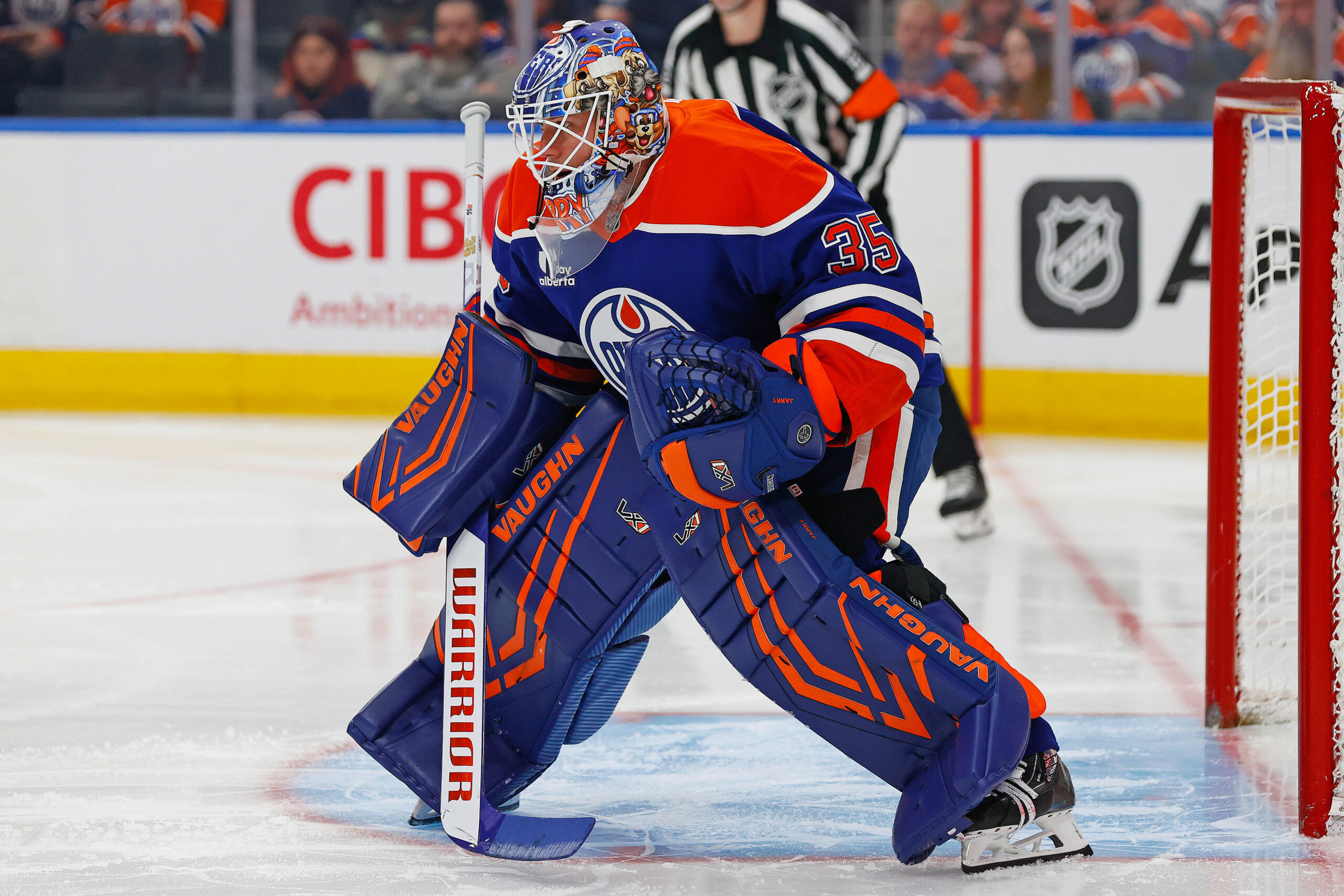
Can Tristan Jarry Bounce Back and Solve Edmonton’s Goaltending?
Goaltending will once again dominate the conversation. The Oilers will open camp with Tristan Jarry, Frederik Andersen and Devon Levi, giving them one of the deepest goalie groups they’ve had in years. The challenge isn’t simply who starts Opening Night it’s how Edmonton deploys all three throughout an 82-game schedule.
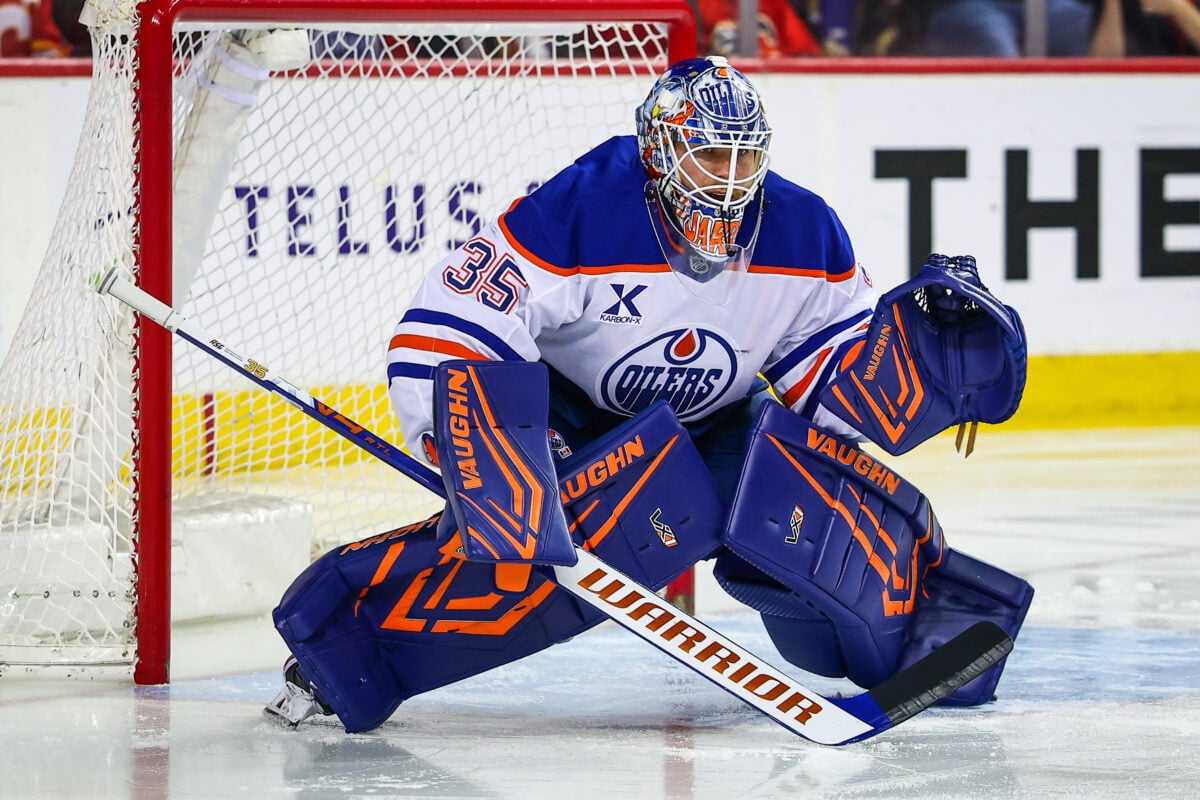
Jarry may ultimately be the most important player on the roster outside of Connor McDavid and Leon Draisaitl.
His 2025-26 season was a tale of two halves. Injuries and inconsistent play limited him to just 33 appearances, but the overall numbers don’t tell the full story. Before being traded to Edmonton, Jarry had regained Pittsburgh’s starting job and was playing some of his best hockey of the season. After arriving with the Oilers, however, he struggled to adjust, posting an .857 save percentage in 19 games while never finding much consistency. Despite that finish, his track record still suggests he can handle a starter’s workload, having played 58, 47, 51 and 36 games in four of the previous five seasons.
The Oilers aren’t asking Jarry to be a Vezina candidate, they simply need him to rediscover the steady, reliable game he showed in Pittsburgh. If he can return to that level, Edmonton may finally have the dependable No. 1 goaltender it has been searching for.
Andersen gives the Oilers another experienced veteran, but expecting him to play 50-plus games isn’t realistic. He has started 34, 16, 22 and 35 games over the past four seasons, and Edmonton would be wise to manage his workload similarly. A fresh Andersen in April is far more valuable than one worn down after carrying the team through the winter.
Then there’s Levi.
The former Buffalo Sabres prospect is entering a pivotal season. He no longer has waiver flexibility, making it difficult for Edmonton to move him between the NHL and AHL. Carrying three goaltenders early in the season appears to be the most logical solution, but eventually the Oilers will need to decide whether Levi deserves meaningful NHL starts or if one of the veterans has separated himself.
A realistic workload could see Jarry start around 45-50 games, Andersen around 25-30 and Levi receive 10-15 opportunities. However, that distribution depends almost entirely on Jarry proving he can stay healthy and play consistently.
If he does, Edmonton may finally have the stability in net they’ve lacked during the McDavid era.
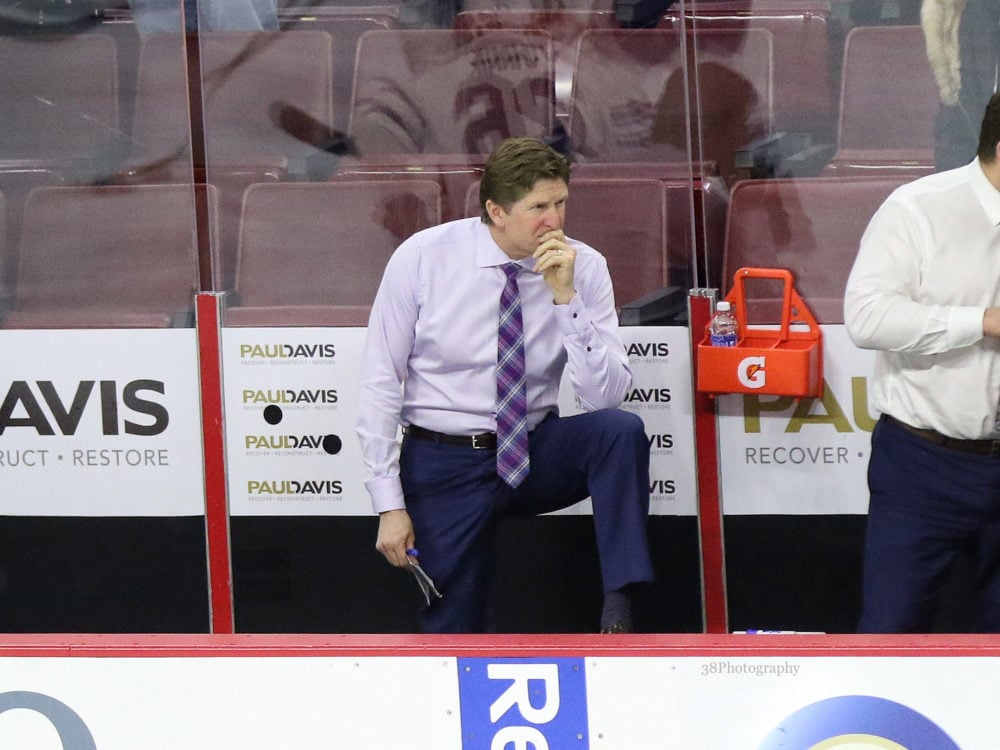
Will the Mike Babcock Gamble Pay Off?
No storyline carries more intrigue than Mike Babcock’s return behind an NHL bench. The veteran coach has been away from the league for several years following the controversy surrounding his departure in Columbus. His hiring immediately became one of the biggest stories of the offseason because nobody questions his hockey IQ, it’s whether today’s players will respond to his methods.
That will define Edmonton’s season. Babcock has built championship-calibre teams before and understands how to demand accountability from elite players. He has never been afraid to challenge stars, and that approach could benefit an Oilers team that has repeatedly come close but fallen just short.
The biggest adjustment won’t be tactical. It will be cultural. Today’s NHL locker rooms operate differently than they did a decade ago. Communication, trust and player relationships matter more than ever. Edmonton’s leadership group, led by McDavid, Draisaitl and Zach Hyman, will play a major role in bridging that relationship between coach and players.
If Babcock adapts his communication while maintaining the demanding standards that made him successful, the Oilers could become a more structured and disciplined hockey club. If those relationships deteriorate, however, the coaching change could become a distraction the organization simply cannot afford.
How Will Edmonton’s Defence Respond Without Darnell Nurse?
For the first time in years, Darnell Nurse is no longer patrolling Edmonton’s blue line. Regardless of how fans viewed his contract, replacing the minutes he logged won’t be easy. Nurse routinely handled the toughest defensive assignments, penalty-killing responsibilities and difficult matchups against opposing top lines. Those minutes now have to be absorbed elsewhere.
Jake Walman suddenly becomes one of the most important pieces on the roster. Can he consistently play top-four minutes while moving the puck efficiently? Can Evan Bouchard continue his evolution into one of the NHL’s elite offensive defencemen while improving defensively? Can Mattias Ekholm continue handling difficult matchups as he moves further into his mid-30s?
Those questions become even more important under new defensive coach D.J. Smith. Smith has built a reputation for emphasizing structure, physicality and defensive accountability. While Edmonton’s defence has often relied on its offensive talent to outscore mistakes, Smith will likely demand a more disciplined approach inside the defensive zone.
That could benefit players like Walman and Ryan Shea while helping simplify responsibilities for younger defencemen. The Oilers don’t necessarily need one player to replace Nurse. They need their defence as a whole to become more efficient.
Can the Penalty Kill Become a Strength Again?
Edmonton’s power play will always generate headlines, but it probably isn’t their biggest concern. Even with some personnel changes, it’s difficult to imagine a unit featuring McDavid, Draisaitl and Bouchard finishing anywhere outside the league’s top five.
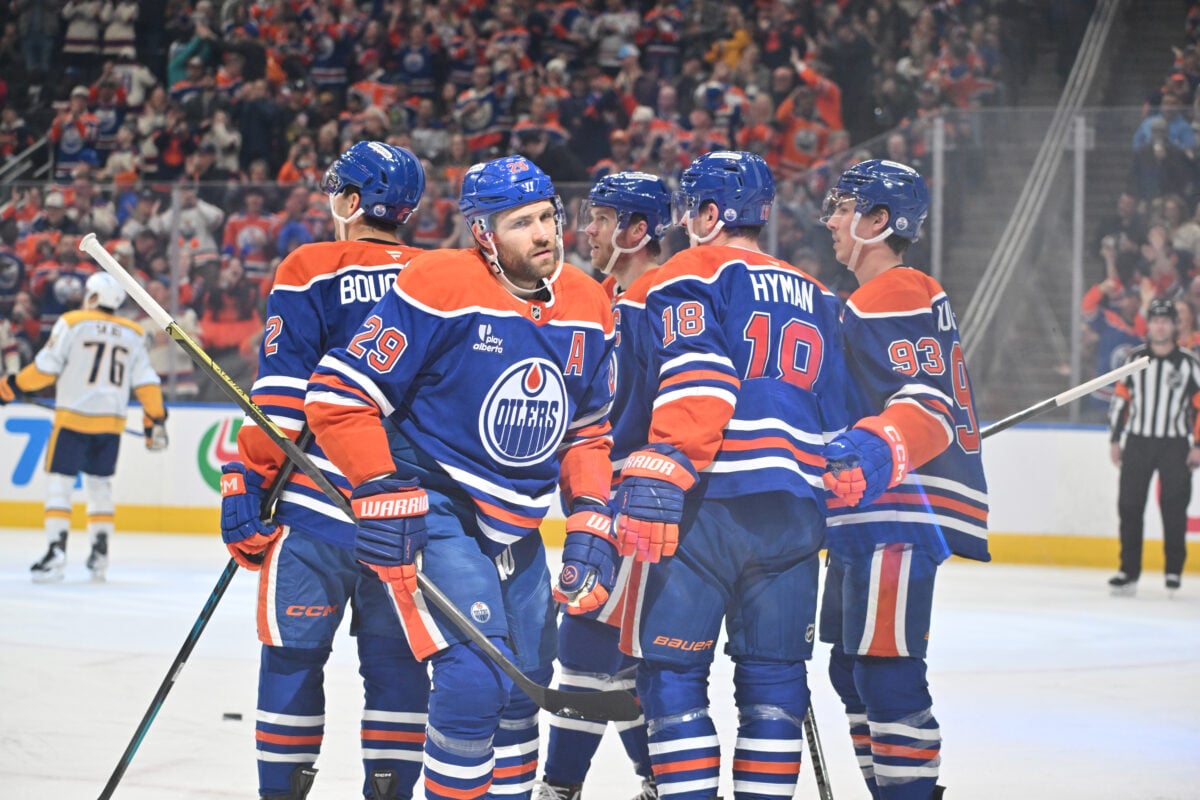
The penalty kill is where Edmonton has the most room for improvement. It consistently let the Oilers down in crucial situations last season, with defensive-zone coverage breaking down too often and opponents finding seams through the penalty-killing formation. Edmonton also struggled to clear rebounds and control the front of the net, turning routine saves into second-chance opportunities. To address those shortcomings, the organization brought in associate coach Smith, whose defensive-minded approach is expected to play a major role in overhauling the team’s structure and penalty-killing system.
Improvement doesn’t necessarily require becoming the NHL’s best penalty kill. It simply needs to become reliable enough to avoid swinging playoff series. Championship teams consistently receive timely saves and kill important penalties. Edmonton has experienced too many momentum-changing goals against over the past several postseasons. If the penalty kill returns to being above average, it could quietly become one of the biggest reasons the Oilers finally reach hockey’s ultimate goal.
Is This Finally the Year Edmonton Wins the Pacific Division?
For all of Edmonton’s recent playoff success, one statistic continues to stand out. The Oilers haven’t won their division since 1987. It’s a remarkable drought for an organization that has featured McDavid and Draisaitl for nearly a decade and has reached multiple Stanley Cup Finals during that stretch. Winning the Pacific Division won’t guarantee playoff success, but it would represent something important. Consistency.
Too often the Oilers have spent portions of the regular season trying to recover from slow starts or extended slumps. Finishing first would likely provide home-ice advantage through at least the opening rounds while allowing the club to avoid a difficult first-round matchup against another elite Western Conference contender.
The competition won’t be easy. Vegas remains among the NHL’s premier organizations, San Jose continues to improve, and Los Angeles always finds a way to remain competitive. Still, on paper, Edmonton possesses enough talent to finish atop the division. If Jarry stabilizes the crease, Babcock successfully implements his system, the defence thrives without Nurse and the penalty kill rebounds, there may finally be no excuses left.
The Oilers have spent years proving they can contend. The biggest question entering the 2026-27 season is whether they can finally prove they’re the NHL’s best team when the regular season—and ultimately the playoffs—come to an end.
Free Newsletter
Get Edmonton Oilers coverage delivered to your inbox
In-depth analysis, breaking news, and insider takes - free.
Subscribe Free →