- 1. Artūrs Šilovs vs. Sergei Murashov vs. Joel Blomqvist
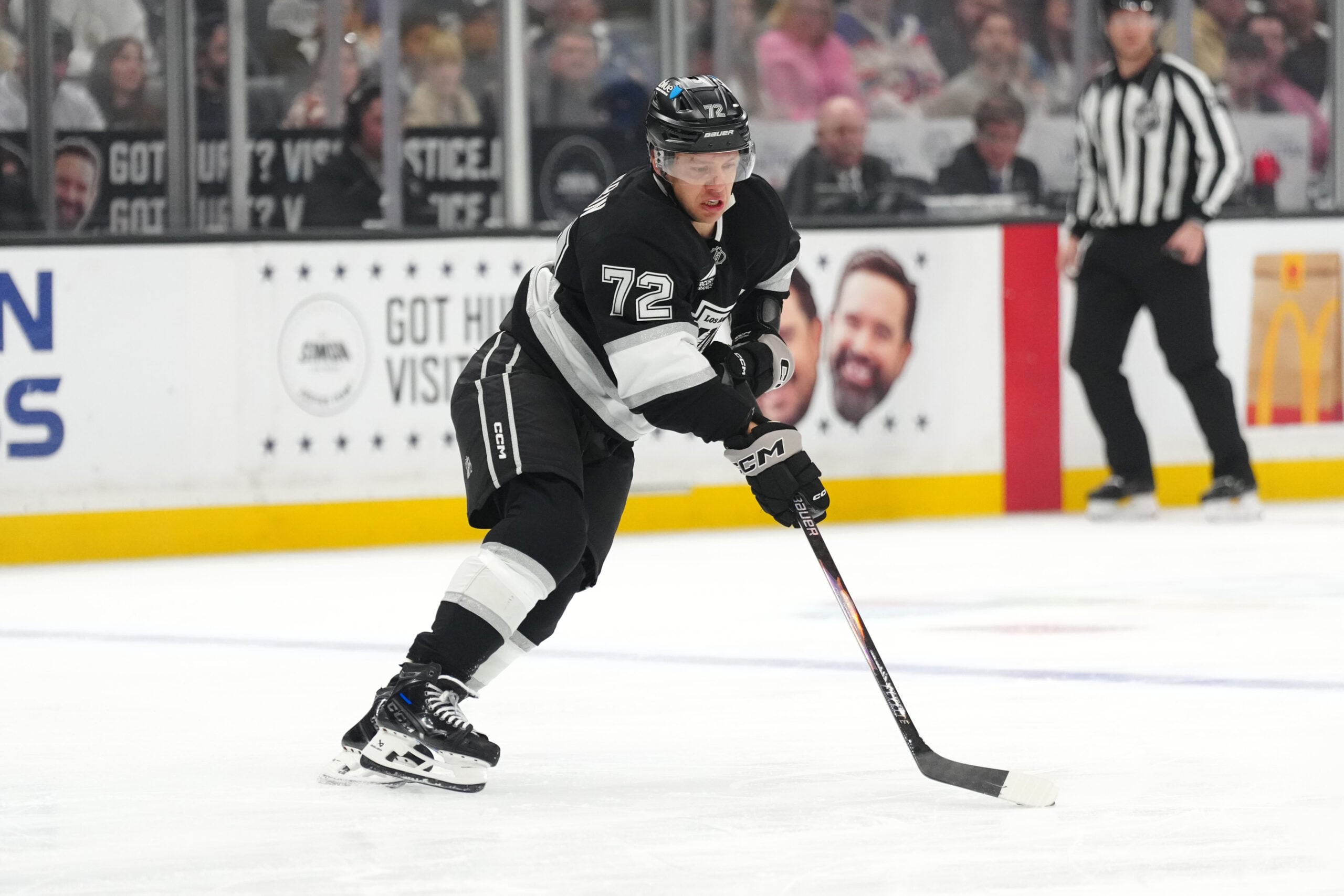
- 2. Ben Kindel vs. Tommy Novak vs. Hendrix Lapierre
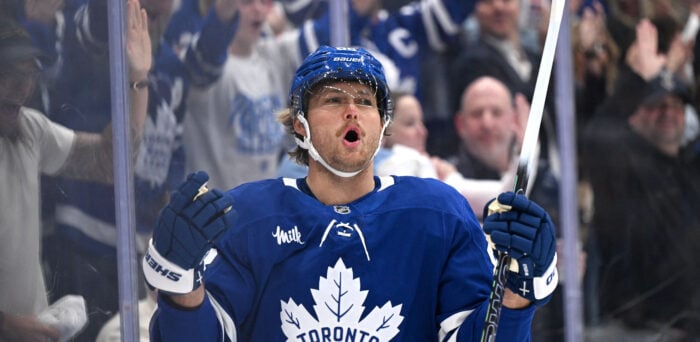
- 3. Nicholas Robertson vs. Rutger McGroarty vs. Ville Koivunen
- 4. Ryan Graves vs. Owen Pickering vs. Declan Carlile
- 5. Kaedan Korczak vs. Trevor van Riemsdyk
- Penguins Need Camp to Create Answers
The Pittsburgh Penguins have more options than they did a few months ago. Training camp has to turn those options into roles.
That is where the next phase of the offseason becomes important. President of hockey operations and general manager Kyle Dubas has added forwards, changed the blue line, rebuilt part of the goalie picture, and kept the roster flexible. Those moves made Pittsburgh deeper, but they also created several competitions that head coach Dan Muse will have to sort through quickly.
The Penguins’ current roster depth chart already shows the problem. There are more NHL-caliber names than clean lineup spots. Some players need larger roles. Others are trying to hold off younger challengers. In goal, Pittsburgh has upside, but not much proven full-season certainty.
That makes this camp more than a formality. The Penguins are not only choosing scratches and call-up options. They are deciding how their reworked roster actually fits.
Here are Pittsburgh’s five biggest roster battles entering training camp.
1. Artūrs Šilovs vs. Sergei Murashov vs. Joel Blomqvist
The goalie battle is the most important competition because it could define Pittsburgh’s floor.
Artūrs Šilovs enters camp as the most NHL-tested option. His one-year, $2.8 million contract gives the Penguins a short evaluation window, and his experience should give him the inside track for the largest role. Still, he has to prove he can be steady enough to handle regular NHL responsibility.
Sergei Murashov is the wild card. He has the most exciting long-term upside in the organization, but Pittsburgh has to decide whether his American Hockey League (AHL) success is ready to translate. Young goalies can force timelines quickly, although rushing one into the wrong setup can create more problems than it solves.

Joel Blomqvist is not out of the picture either. His new deal keeps him close to the NHL conversation, and he gives Pittsburgh another layer of protection if Šilovs struggles or Murashov needs more time. The Penguins’ young goalie situation is one of the roster’s biggest swing factors because the group has talent without a proven No. 1.
The cleanest outcome would be Šilovs stabilizing the top job while Murashov pushes hard enough to create a real tandem conversation. If the battle stays muddy, Pittsburgh could spend the opening months chasing consistency in the crease.
2. Ben Kindel vs. Tommy Novak vs. Hendrix Lapierre
The Penguins’ center battle is not about replacing Sidney Crosby. Nobody on this roster is doing that. The real question is who can stabilize the middle behind him.
Ben Kindel is the most intriguing option because of his age, versatility, and upside. He can play center or wing, and Pittsburgh has to decide whether putting him down the middle helps his development or creates too much early responsibility. The Penguins need young players to grow, but they cannot put every structural problem on Kindel before he is ready.
Tommy Novak brings a more experienced offensive profile. He may not solve the long-term center question, but he gives Pittsburgh a skilled option who can help the middle six. Blake Lizotte will also be involved in the broader center picture, especially in defensive and energy minutes, even if this specific battle is more about who claims the more valuable role.
Hendrix Lapierre adds another layer. Pittsburgh signed him to a new two-year contract, giving the organization a younger center option at a manageable number. He does not need to become a top-six player for the deal to work, but he has to show he is more than a spare forward.
The Penguins’ center problem remains unresolved because the team has possibilities rather than certainty. If Kindel grabs the job, the lineup becomes more exciting. If Novak or Lapierre looks steadier, Pittsburgh may choose structure over upside. Either way, camp has to create a clearer pecking order before the season begins.
3. Nicholas Robertson vs. Rutger McGroarty vs. Ville Koivunen
The wing battle may be the most crowded competition on the roster.
Nicholas Robertson enters camp with a new contract and real pressure to turn his scoring profile into a defined role. His two-year Penguins contract avoided arbitration and gave him a fresh start, but the deal also raises expectations. Pittsburgh did not acquire him simply to create another roster logjam.
Rutger McGroarty has a different case. He is heavier, more direct, and more physically projectable than some of the other young forwards trying to break through. His American Hockey League (AHL) production suggests he is close, but the NHL path is tight. McGroarty’s crowded path to Pittsburgh remains one of the most important development stories entering camp.
Ville Koivunen brings skill and playmaking, but he may be facing the hardest squeeze. The Penguins have added short-term scoring, committed to Robertson, kept Egor Chinakhov in a meaningful role, and still have veteran wingers ahead of the younger group. Koivunen’s uncertain Penguins role will not become clearer unless he forces the coaching staff to notice him.
This battle is not only about who makes the team. It is about what kind of winger Pittsburgh wants in the top nine. Robertson has the shot. McGroarty has the edge. Koivunen has the offensive feel. The Penguins may have room for one early. They probably do not have room for all three in meaningful roles.
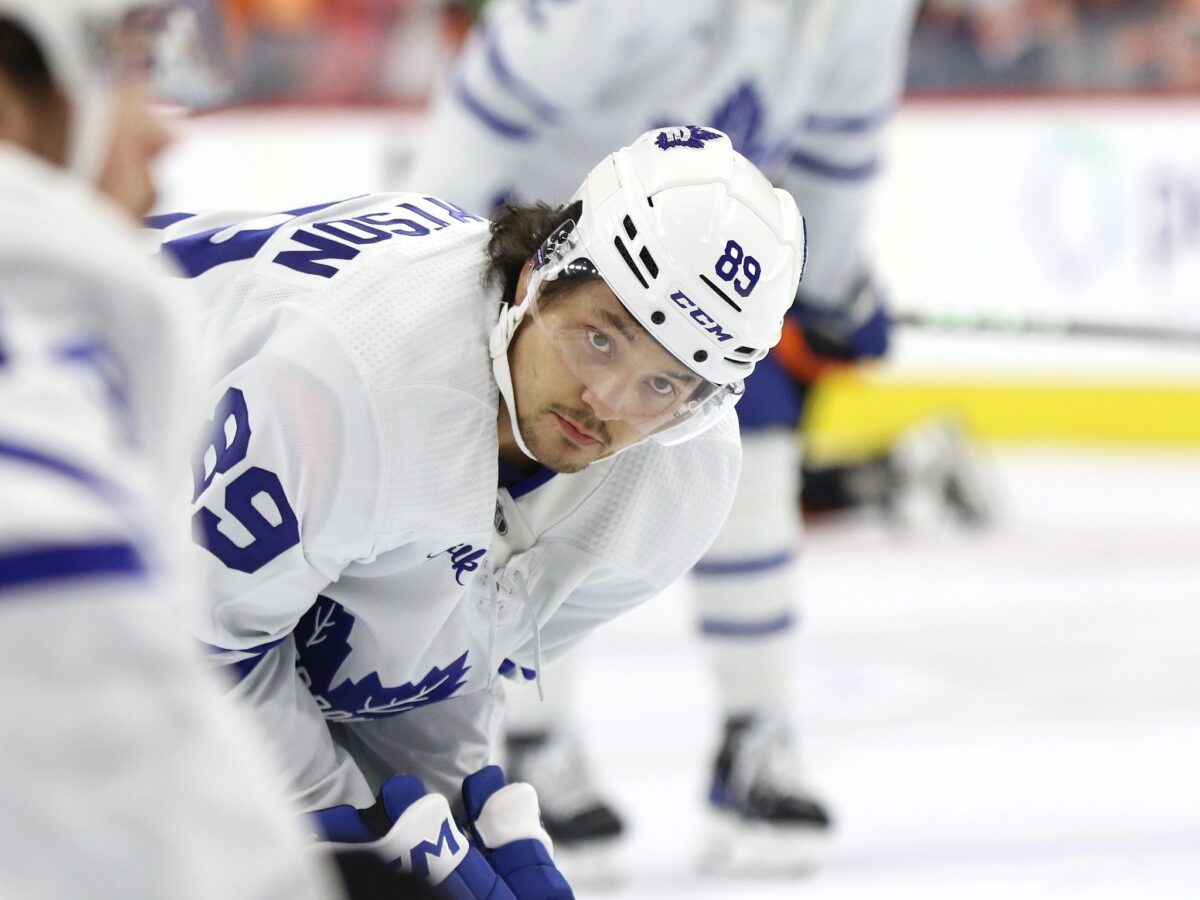
That makes the first preseason games critical. A strong camp could change the entire forward picture, while a quiet one could send a young player back to Wilkes-Barre/Scranton.
4. Ryan Graves vs. Owen Pickering vs. Declan Carlile
The left side of the blue line is still one of Pittsburgh’s least settled areas.
Ryan Graves has the most pressure because of his contract. His $4.5 million cap hit runs through 2028-29, which is a problem if he cannot claim a regular role. This camp may be his best chance to prove he can still be useful rather than becoming an expensive leftover.
Owen Pickering is the upside play. His size, age, and left-shot profile give Pittsburgh something it needs, but he has to prove he can handle NHL pace. The opportunity exists because the Penguins need more clarity on that side. Opportunity alone is not enough for a young defenseman.
Declan Carlile is the practical depth option. He may not carry Pickering’s ceiling, but he gives the Penguins another left-shot defenseman who can compete for minutes. If he is steady, he could make the coaching staff more comfortable than a higher-upside player who still needs more development time.
Pittsburgh’s left-side defensive problem will not disappear unless someone separates. Samuel Girard gives the Penguins a top option on that side, but the rest of the group has to settle into jobs that make sense.
This battle could shape more than the third pair. It could determine whether Pittsburgh needs another defenseman before the season or whether one internal answer is ready to make the group easier to organize.
5. Kaedan Korczak vs. Trevor van Riemsdyk
The right side has the opposite problem. Pittsburgh has names, but not everyone can have the same role.
Kaedan Korczak gives the Penguins a younger right-shot defenseman with size, term, and room to grow. His $3.25 million cap hit is not a throwaway number, and the trade that brought him from the Vegas Golden Knights suggested Pittsburgh sees more than a depth piece.
Trevor van Riemsdyk brings the veteran side of the battle. His two-year Penguins deal gives Muse an experienced defenseman who can handle defensive minutes, kill penalties, and bring some structure to the bottom four. He is not flashy, but he is the type of player coaches often trust.
The challenge is role allocation. Erik Karlsson and Kris Letang already occupy major right-side space. Korczak and van Riemsdyk may both play, but the more important defensive role could come down to camp performance. Pittsburgh has to decide whether it wants the younger player’s upside or the veteran’s reliability in tougher minutes.
This is also a roster-building test for Dubas. Korczak fits a longer timeline. van Riemsdyk fits a shorter one. The Penguins need both kinds of players, but camp will help reveal which one deserves more responsibility right away.
Penguins Need Camp to Create Answers
The Penguins’ biggest camp battles all come back to the same idea. Pittsburgh has options, but it needs answers.
The goalie room has upside, although none of the three main names is a proven full-season solution. The center group has versatility, but the structure behind Crosby still needs definition. The wing picture has several young players fighting for limited offensive opportunity. The left side of the blue line needs stability. The right side has to sort out how much trust Korczak and van Riemsdyk have earned.
Those competitions should make camp more interesting than usual. They should also make it more important.
If the right players separate, the Penguins can enter the season with a roster that feels deeper, younger, and more flexible. If too many battles remain unresolved, Pittsburgh may begin the season with the same uncertainty that followed it through the offseason.
Dubas has created the competition. Muse has to sort through it. The players have to make the decisions easier. That is what training camp is supposed to do.
Free Newsletter
Get Pittsburgh Penguins coverage delivered to your inbox
In-depth analysis, breaking news, and insider takes - free.
Subscribe Free →