The Pittsburgh Penguins have added defensemen this offseason, but they still may not have fixed the actual problem. President of hockey operations and general manager Kyle Dubas has clearly worked on the blue line by moving Parker Wotherspoon, adding Kaedan Korczak, signing Trevor van Riemsdyk and giving the group more NHL experience. On paper, that looks like a lot of movement for one position group.
The issue is not whether the Penguins have enough defensemen. The issue is whether they have the right balance. Pittsburgh’s current defensive depth chart looks much stronger on the right side than it does on the left, and that could become one of the more important roster questions before training camp.
The right side has Erik Karlsson, Kris Letang, van Riemsdyk, and Korczak. The left side has Samuel Girard, Declan Carlile, Ilya Solovyov and a much longer list of questions. That does not automatically make the defense a disaster, but it does make the group feel unfinished for a team trying to stay competitive through an 84-game regular season.
Penguins’ Right Side Looks Crowded
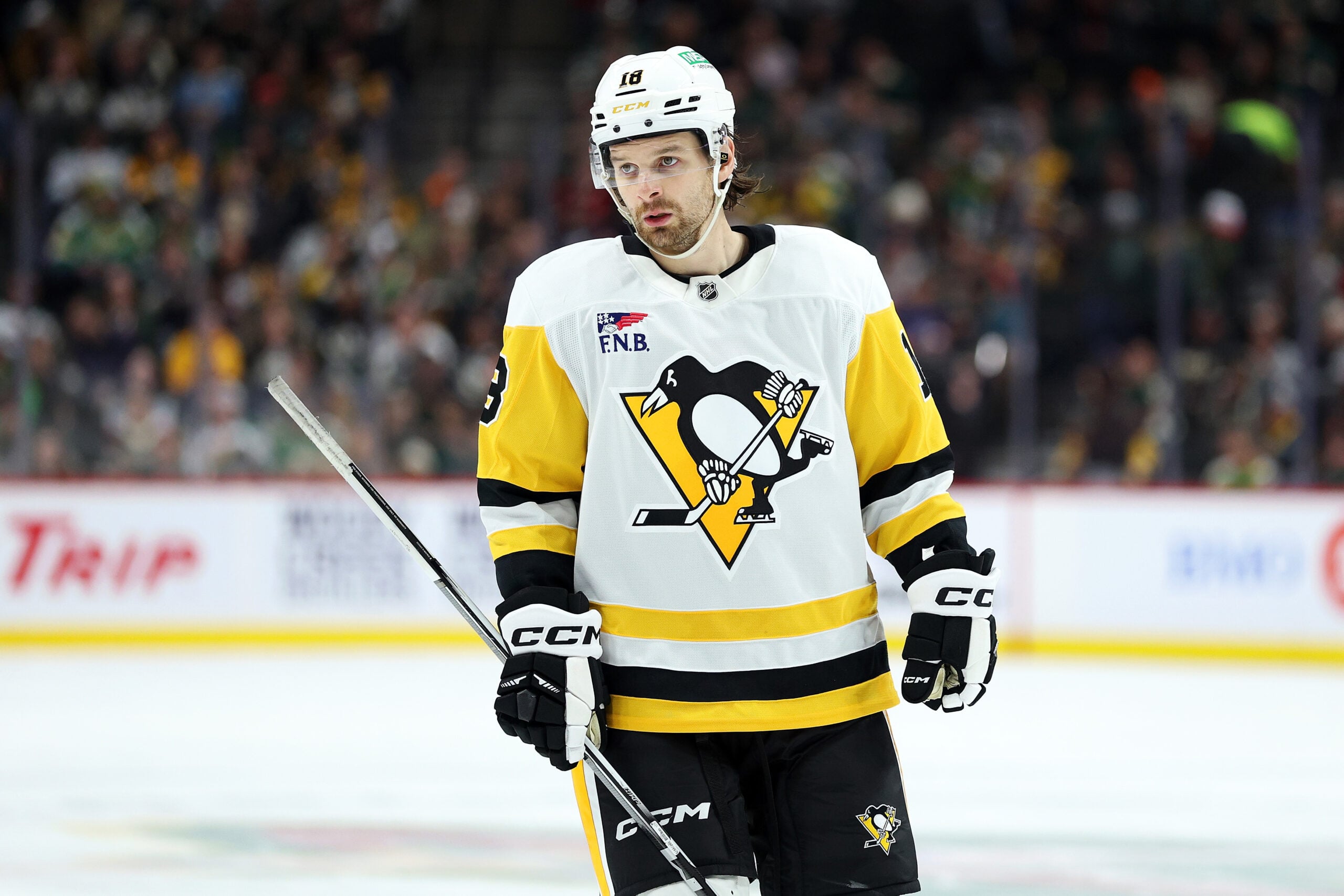
The right side of Pittsburgh’s defense is not short on names. Erik Karlsson and Kris Letang still headline that group, and both remain central to how the Penguins want to move the puck. Even if both veterans are past their prime years, Pittsburgh is not treating either player like a depth option.
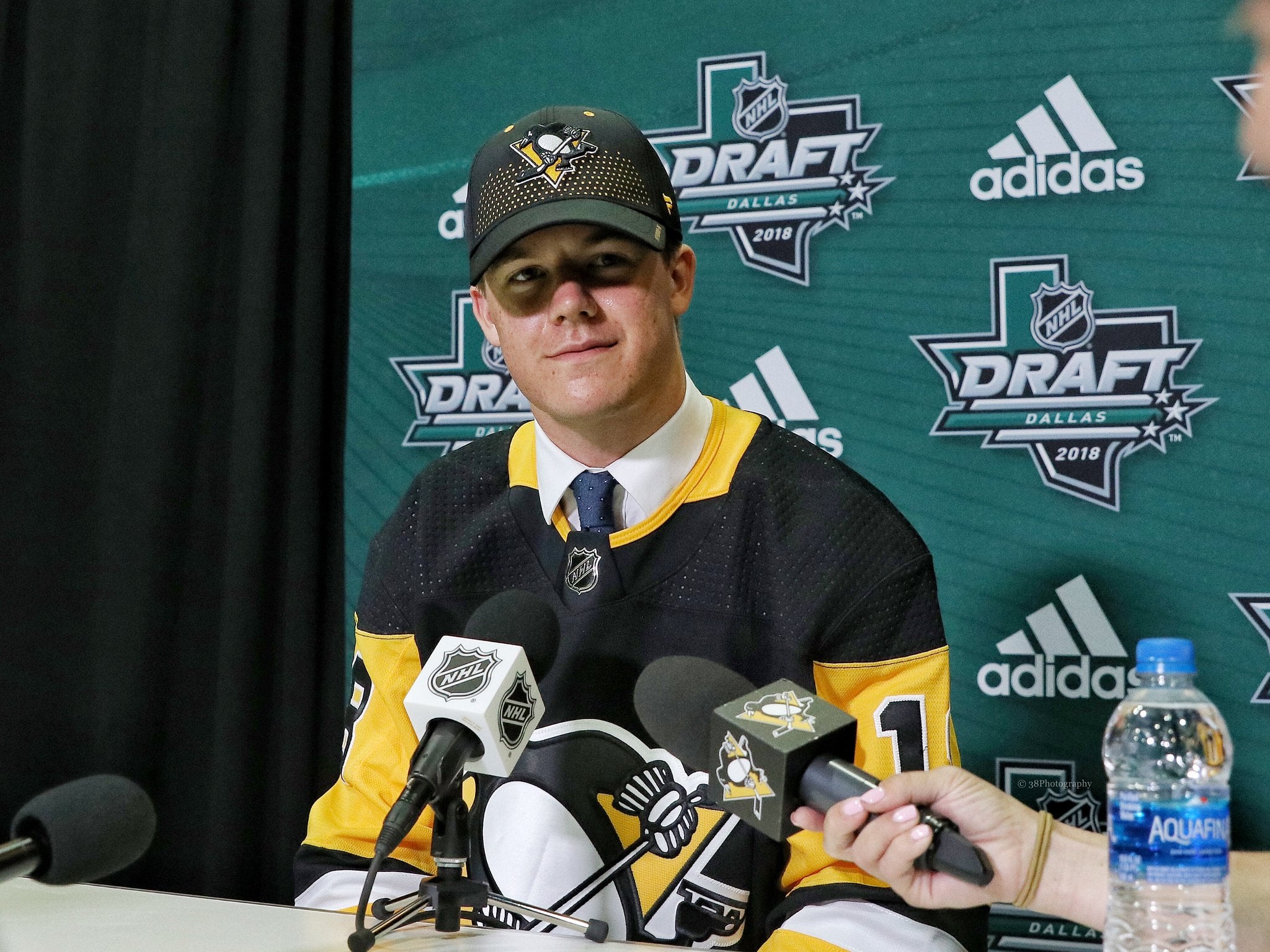
With Trevor van Riemsdyk on a two-year deal, Pittsburgh added another veteran who can handle defensive minutes and give head coach Dan Muse a more stable option. Korczak gives the Penguins something different: a younger right-shot defenseman with size, term and room to grow into a larger role.
Both moves make sense on their own. Van Riemsdyk gives the Penguins experience, penalty-killing ability and another player who can be trusted in defensive situations. Korczak’s arrival gives Pittsburgh a younger defenseman who better fits the long-term roster timeline. The problem is that both naturally fit on a side that already had two established veterans.
That does not mean one of them cannot play the left side. Van Riemsdyk has enough experience to move around, and teams often ask defensemen to adjust when the roster requires it. Still, building a blue line around players on their natural side is usually cleaner than forcing a solution after the fact.
Penguins’ Left Side Lost Real Stability
The left-side problem became much clearer after Wotherspoon and Ryan Shea left the picture. Wotherspoon was not a star, but he gave Pittsburgh reliable minutes, defensive structure and a left-shot partner who could handle real responsibility. Losing that type of player matters more than his name value might suggest.
Wotherspoon’s 2025-26 season gave the Penguins exactly the kind of steady presence they needed. He became a useful part of the defense, helped stabilize minutes and gave Pittsburgh a left-shot option that did not require much guesswork. The Penguins may have sold high by turning him into Korczak, but that does not erase the hole his exit created.
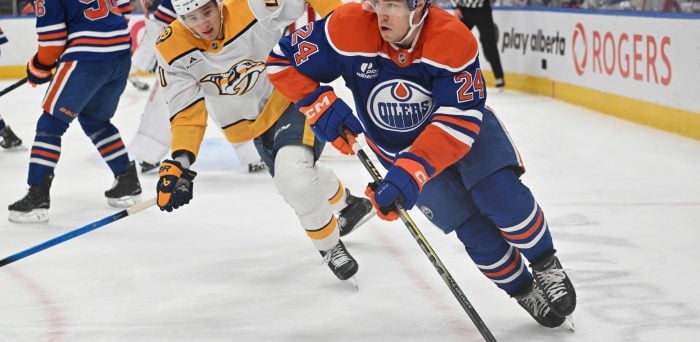
Shea’s departure adds to the same issue. After a strong season in Pittsburgh, Shea landed a five-year deal with the Edmonton Oilers, which removed another left-shot defenseman from the Penguins’ depth chart. Losing one left-side player can be manageable. Losing two while adding more right-shot options creates a different roster problem.
Girard is the obvious top left-side name. Samuel Girard’s fit in Pittsburgh still makes sense because his skating and puck movement give the Penguins a legitimate NHL option on that side. The question is what comes after him, and that is where the group starts to feel thinner.
Penguins Need More Than Bodies
The Penguins have bodies. They can create three defensive pairs, move a right-shot defenseman to the left if needed and let Carlile, Solovyov or Owen Pickering push during training camp. That gives Pittsburgh options, but options are not the same as certainty.
The concern is not only opening night. It is what happens across a longer regular season when injuries hit, matchups tighten and Muse needs reliable defensive minutes. The NHL’s new CBA structure creates an even bigger regular-season workload, which makes defensive balance more important for teams that are leaning on older blue liners.
Girard can help drive play, but Pittsburgh still needs someone who can absorb difficult shifts, defend well enough behind Karlsson or Letang and avoid turning every second or third pair into an experiment. That is why Wotherspoon’s exit stings. He gave the Penguins a player who could do enough of the simple things well, and replacing that with uncertainty on the left side is not a small thing.
Carlile could become part of the answer. He is a left-handed defenseman on an affordable deal, which gives Pittsburgh a reasonable depth option. That matters, but there is still a difference between being useful depth and being someone the Penguins should count on as a steady top-four or strong third-pair solution.
Penguins Could Still Need Another Move
The Penguins’ current cap space gives Dubas room to keep working, and the left side is one area where another move would make sense. Pittsburgh does not have to chase a major name or overpay just because the roster looks uneven in July, but the current mix still feels like it needs another stabilizing piece.
A smaller trade, late free-agent signing or camp battle could change the picture before the regular season begins. Still, the Penguins should be careful about assuming the answer is already in the room. Playing four right-shot defensemen might be workable for short stretches, but it is not ideal as a long-term plan.
Asking van Riemsdyk to shift sides could help, but it also changes the value of adding him in the first place. Pushing Pickering too quickly could help the future, but it could also create problems if he is not ready for regular NHL minutes. Hoping Carlile or Solovyov becomes more than depth is reasonable, but hope should not be the entire plan.
The cleanest answer would be another reliable left-shot defenseman who can give the coaching staff more flexibility. That type of player does not have to be expensive or exciting. He just has to make the blue line easier to organize.
Penguins’ Blue Line Still Feels Unfinished
The Penguins have done work on defense, but the job does not feel complete. They have improved the right side, added size, experience and longer-term control, and created more competition across the blue line. That matters for a team trying to remain competitive while still reshaping an older roster.
The left side is different. Girard gives Pittsburgh a legitimate starting point, but the rest of the group comes with more uncertainty than comfort. Carlile, Solovyov, Pickering and Ryan Graves all have different cases, but none of them removes the larger question by himself.
That is why the blue line still feels unbalanced. The Penguins are not short on defensemen. They are short on clarity, especially on the left side.
Dubas does not need to panic, but he should not ignore the issue either. Pittsburgh’s defense may be deeper than it was before, but the left side still needs a more convincing plan before the group can feel like a finished product.
Free Newsletter
Get Pittsburgh Penguins coverage delivered to your inbox
In-depth analysis, breaking news, and insider takes - free.
Subscribe Free →