- Forward Pairings
- First Line: Timo Meier – Nico Hischier – Dawson Mercer
- Second Line: Jesper Bratt – Jack Hughes – Anthony Mantha
- Third Line: Arseni Gritsyuk – Evan Rodrigues – Connor Brown
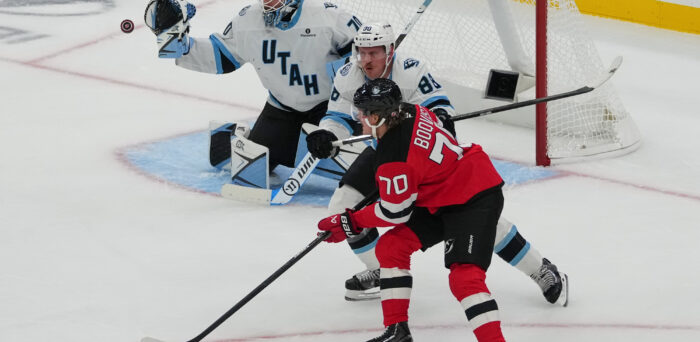
- Fourth Line: Jesper Boqvist – Nick Bjugstad – Cody Glass
- Extra Forward
- Defensive Pairings
- Jonas Siegenthaler – Dougie Hamilton
- Luke Hughes – Brett Pesce
- Brenden Dillon – Johnathan Kovacevic
- Goaltending Tandem
- Final Thoughts
The New Jersey Devils will enter the 2026-27 season looking much different than they did just a few months ago. After missing the Stanley Cup Playoffs in 2025-26, new general manager Sunny Mehta wasted little time reshaping the roster. Rather than making one blockbuster move, he focused on improving depth, adding proven veterans, and creating a lineup capable of rolling four competitive lines every night.
The additions of Anthony Mantha, Evan Rodrigues, Jesper Boqvist and David Rittich have given New Jersey more experience throughout the lineup, while younger players like Arseny Gritsyuk are expected to take on larger roles. Combined with a healthy Jack Hughes and an established core led by Nico Hischier, Jesper Bratt and Timo Meier, the Devils appear much deeper heading into training camp than they were a year ago.
Here’s how the Devils’ lineup could look when they open the season on Oct. 1.
Forward Pairings
First Line: Timo Meier – Nico Hischier – Dawson Mercer
One line that will likely stay the same from last season is the Meier, Hischier and Dawson Mercer line. The three forwards developed great chemistry, and consistently handled tough opponents while still producing on offense.
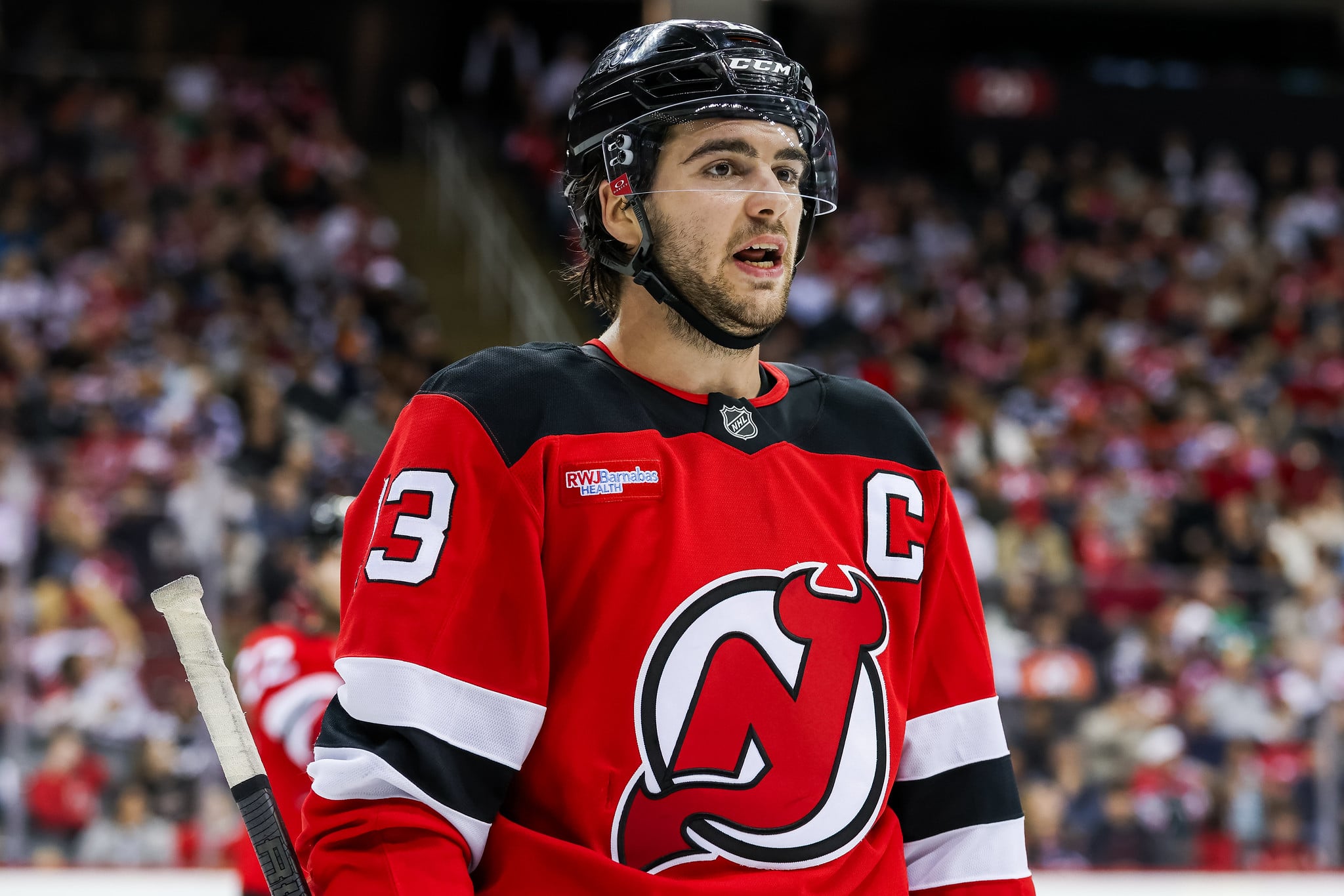
Meier continues to be one of the NHL’s premier power forwards. His combination of size, physicality and goal-scoring ability makes him difficult to defend below the faceoff circles, and he’ll once again be expected to eclipse the 30-goal mark. Hischier remains the club’s captain, top defensive center and all-around leader after signing a long-term extension earlier this offseason.
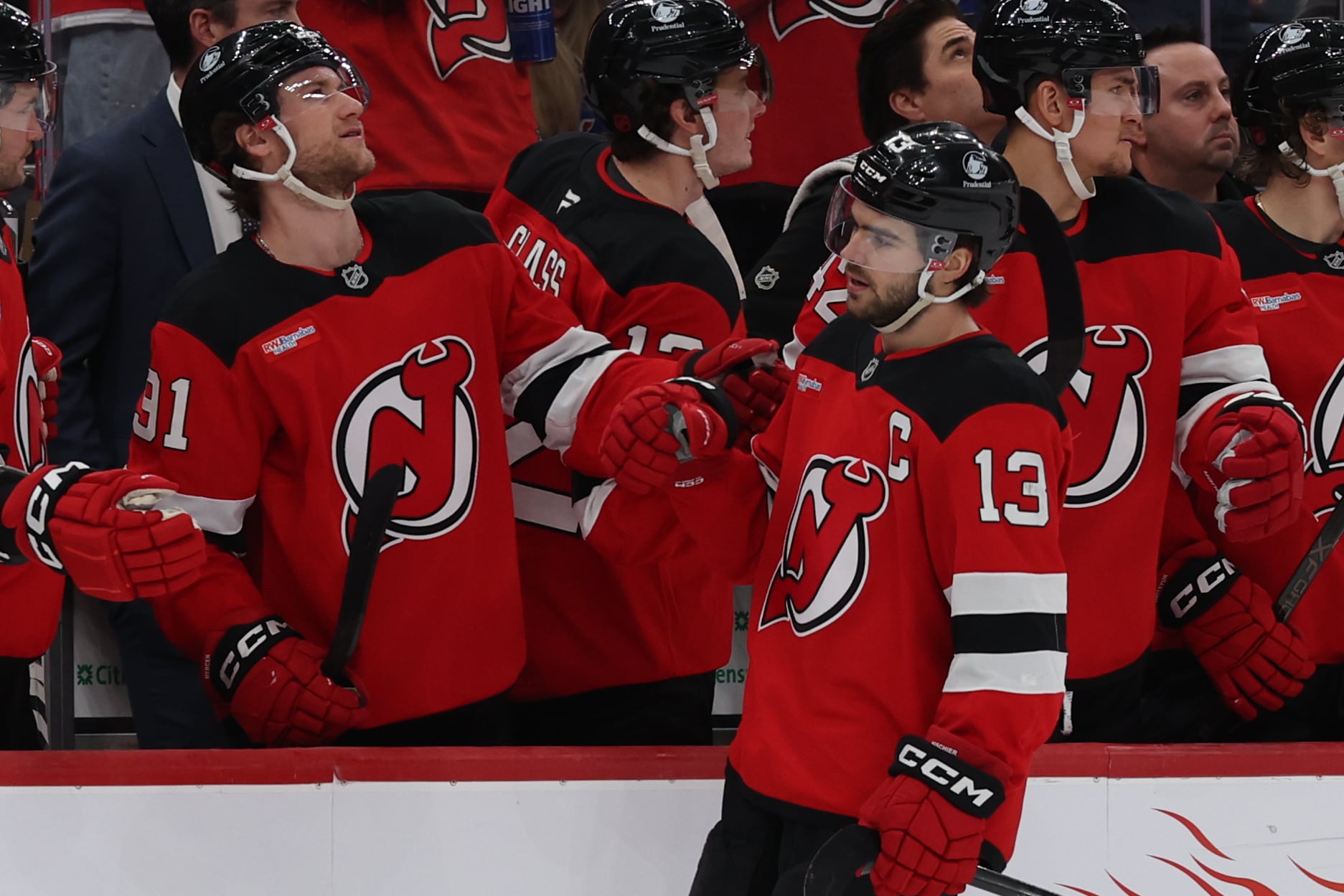
Mercer rounds out the trio well and gives the line another reliable two-way presence. While some of his underlying numbers dipped during the 2025-26 campaign, including a 12.7% shooting percentage, he still managed to post 42 points (20 goals, 22 assists) while extending the longest Ironman streak in Devils history. The 2026-27 season will be an important one for the 24-year-old, as it could determine whether he cements himself as a permanent top-six forward or shifts into a bottom-six role.
At his best, Mercer excels on the forecheck, wins puck battles, and plays responsible two-way hockey. If he can bring that same relentless style consistently this season, he’ll give the Devils exactly the complementary winger they need alongside their top talent.
Second Line: Jesper Bratt – Jack Hughes – Anthony Mantha
The second line for the Devils could become one of the more exciting ones in the Eastern Conference.
Jack Hughes remains the engine of New Jersey’s offense. Despite missing time last season, he still finished with 77 points (27 goals, 50 assists) while producing at one of the NHL’s highest points-per-game rates after returning from injury. When healthy, few players can match his combination of speed, creativity and hockey IQ.
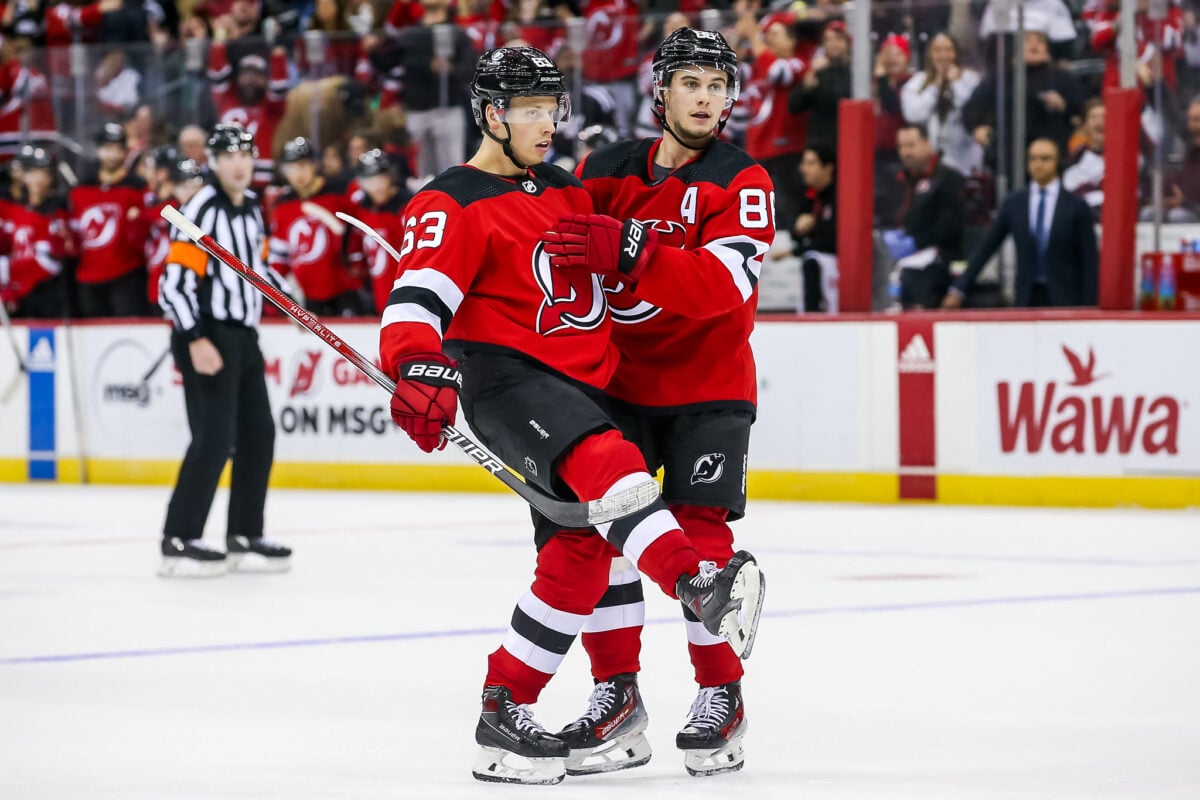
Alongside him is Bratt, whose elite vision and playmaking ability perfectly complement Hughes’ attacking style. Dubbed “PB&J” by Devils fans, the duo has built outstanding chemistry over several seasons and continues to fuel one of the NHL’s most dangerous transition games. Their offensive ceiling was on full display last April when both Hughes and Bratt recorded career-high five-point performances in a win over the Washington Capitals, showcasing just how dynamic they can be when they’re playing together.
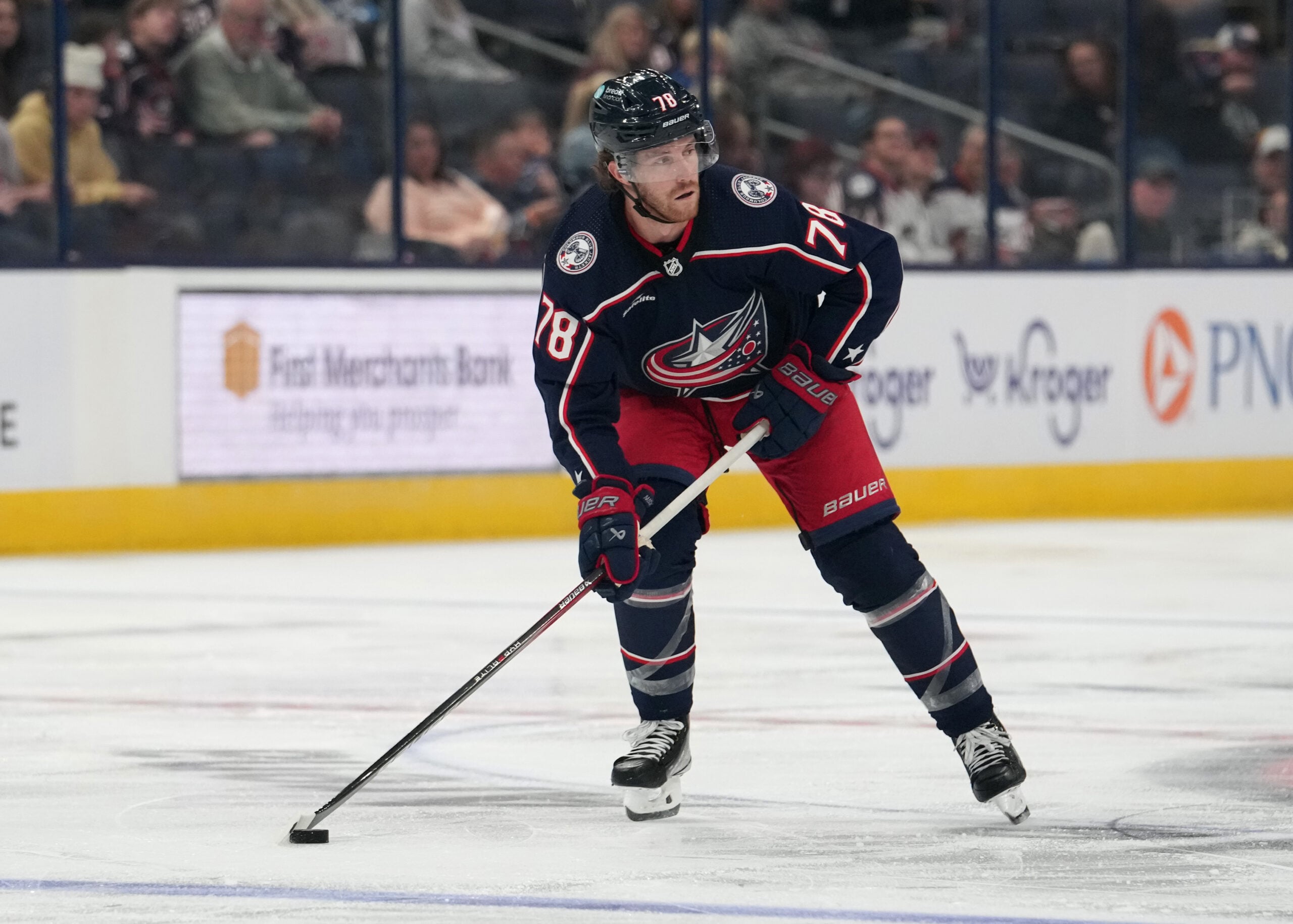
The newcomer who will likely join them on the line is Mantha. Coming off a career season in Pittsburgh, where he recorded 33 goals and 31 assists, he gives the Devils something they have been lacking: a true power winger capable of finishing scoring chances around the net. Standing 6-foot-5 and over 240 pounds, he brings a physical element that should create additional space for Hughes and Bratt while also adding another dangerous shooting option.
If Mantha can replicate even close to last season’s production, this line has the potential to become one of New Jersey’s primary offensive weapons.
Third Line: Arseni Gritsyuk – Evan Rodrigues – Connor Brown
The third line is where the Devils’ improved depth becomes evident.
After signing a new contract earlier this summer, Gritsyuk is expected to take another significant step in his NHL development. The skilled winger brings outstanding speed, creativity, and offensive instincts, and he has the potential to become one of New Jersey’s breakout players this season following an impressive rookie campaign.
The likely center for this line will be Rodrigues, who brings valuable leadership and championship experience to a younger group. His versatility is another major asset, as he’s capable of playing both center and wing. That flexibility will allow him to move throughout the lineup as needed, whether it’s filling in for injuries, adjusting to different matchups, or providing stability wherever the Devils need him most.
Connor Brown provides another veteran presence on the opposing wing. Known for his relentless work ethic, defensive reliability and penalty-killing ability, Brown should help this line take difficult defensive assignments while still providing secondary scoring.
Instead of simply surviving third-line minutes, this trio has the potential to tilt the ice in New Jersey’s favor and give opposing teams matchup problems throughout all 60 minutes, adding necessary depth that the Devils have desperately needed.
Fourth Line: Jesper Boqvist – Nick Bjugstad – Cody Glass
Boqvist returns to the organization after being acquired from the Florida Panthers this offseason. Since leaving New Jersey, he developed into a responsible depth forward while winning a Stanley Cup in Florida. His speed and familiarity with the Devils should make for an easier transition back to the lineup.
Center Nick Bjugstad adds size, faceoff ability and penalty-killing experience down the middle. His leadership should help stabilize the bottom six while giving the coaching staff another trusted defensive option.
Cody Glass rounds out the line after quietly rebuilding his game over the past few seasons. Still just 27 years old, the 2017 first-round pick has the offensive skill to move up the lineup when needed while remaining a dependable two-way forward. Despite missing time with an injury last season, Glass recorded 26 points, including 19 goals, finished with a plus-3 rating, and scored eight game-winning goals. If he can stay healthy, he’ll provide the Devils with valuable depth and versatility in the bottom six.
Extra Forward
Stefan Noesen appears to be the odd man out entering training camp, though that could quickly change. He was limited by injuries last season, and easing him back into the lineup would be understandable. When healthy, however, he remains one of the Devils’ stronger net-front players and a valuable option on the power play. Given his physical style, it would be surprising if he didn’t eventually work his way into regular action during the season.
Defensive Pairings
Jonas Siegenthaler – Dougie Hamilton
This pairing should once again handle many of the toughest defensive assignments.
Jonas Siegenthaler remains one of the Devils’ most dependable defensive defensemen and should continue to play a key shutdown role. Last season, he led all New Jersey defensemen with 135 blocked shots and ranked second among the group’s blueliners in hits, consistently sacrificing his body and providing a steady presence in the defensive zone. While his offensive production isn’t what defines his game, his steadfastness, physicality, and penalty-killing ability make him an important part of the blue line.
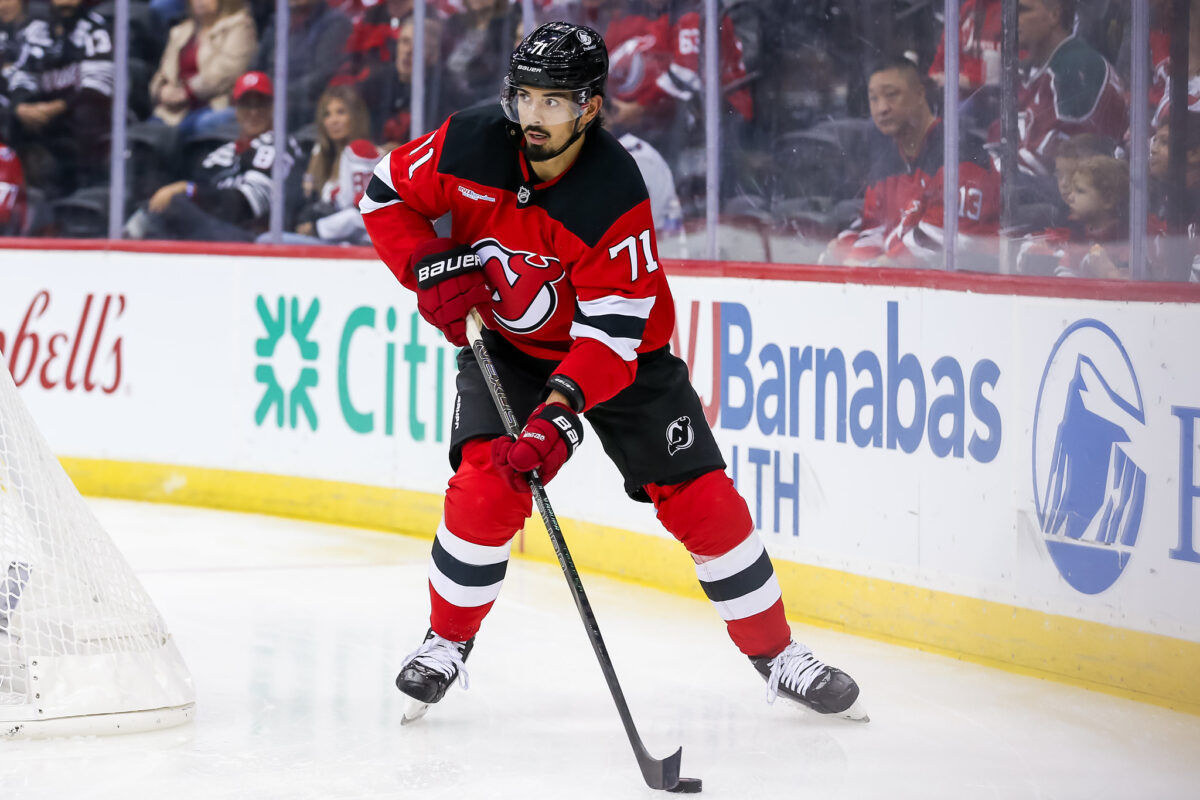
Alongside him is Dougie Hamilton, who experienced an up-and-down 2025-26 season. After a difficult first half that saw him held out of the lineup amid trade speculation, the blueliner rediscovered his game down the stretch and looked much more like the player the Devils have relied on for years. His offensive instincts remain among the best on the roster, as he led all New Jersey defensemen with 39 points last season. When Hamilton is playing with confidence, he adds another dimension to the Devils’ attack with his puck-moving ability, booming shot, and power-play presence.
Luke Hughes – Brett Pesce
Luke Hughes continues to develop into one of the NHL’s brightest young defensemen. His elite skating and puck-moving ability make him a threat every time he has the puck, allowing him to create scoring chances both in transition and from the blue line. While he is still refining certain aspects of his game, particularly adding strength on the puck, winning more battles along the boards, and becoming more consistent in his own zone, his upside remains incredibly high.
The presence of Brett Pesce alongside him creates an ideal pairing. Pesce’s veteran leadership, defensive awareness, and shutdown talent allow Hughes to play to his strengths without having to shoulder every defensive responsibility. A calm, positionally sound defender, Pesce excels at breaking up plays, killing penalties, and making smart decisions with the puck, giving Hughes the freedom to activate offensively. Together, they form a well-balanced pairing that combines Hughes’ dynamic offensive talent with Pesce’s steady, reliable defensive game.
Brenden Dillon – Johnathan Kovacevic
Brenden Dillon and Johnathan Kovacevic project to form the Devils’ most physical defensive pairing, bringing size, toughness, and a defense-first mentality to the blue line. Dillon set the tone in that regard last season, leading all Devils defensemen in hits, ranking third in blocked shots, and finishing with the most penalty minutes. His willingness to play a hard, physical game adds an element New Jersey has lacked in recent years, making life more difficult for opposing forwards around the crease and along the boards.
Although Kovacevic appeared in just 34 games after returning from injury, he quickly re-established himself as a reliable presence on the back end. Averaging nearly 18 minutes of ice time per game, he handled meaningful defensive responsibilities and provided steady, low-risk play. His reach, positioning, and calm decision-making complement Dillon’s physical style well, giving the Devils a dependable third pairing that can match up against bigger, heavier opponents while providing valuable depth throughout the season.
Goaltending Tandem
Following Jacob Markstrom’s trade to the Panthers earlier this offseason, goaltending is the position expected to undergo the biggest change heading into the 2026-27 season. As it stands, Jake Allen and Nico Daws appear to be the most likely tandem entering training camp, with Allen projected to take over as the Devils’ starting goaltender.
While Allen may not be expected to handle the workload of a traditional starter, he has consistently proven capable of delivering quality performances when healthy. His experience and steady play should provide stability as New Jersey transitions to a new era in net.
Daws, meanwhile, appears poised to earn the backup role after steadily progressing through the Devils’ system. The 25-year-old has shown flashes of high-end potential during his NHL opportunities, displaying athleticism and composure that suggest he could develop into a long-term option for the organization. Mehta has also expressed confidence in Daws, signaling they believe he is ready for a larger role if this tandem opens the season together.
The new signing of veteran Rittich provides experienced insurance as a potential third goaltender. His addition gives the Devils valuable depth and another reliable option should injuries arise or additional support be needed over the course of the NHL’s new 84-game regular season.
Final Thoughts
On paper, this looks like a significantly deeper New Jersey roster than the one that finished seventh in the Metropolitan Division last season.
Training camp will undoubtedly feature battles for several roster spots, and injuries will inevitably force adjustments throughout the season. Still, if this projected lineup stays healthy and develops the chemistry many expect, the Devils should be in a much stronger position to compete in the Metropolitan Division than they were one year ago.
Free Newsletter
Get New Jersey Devils coverage delivered to your inbox
In-depth analysis, breaking news, and insider takes - free.
Subscribe Free →