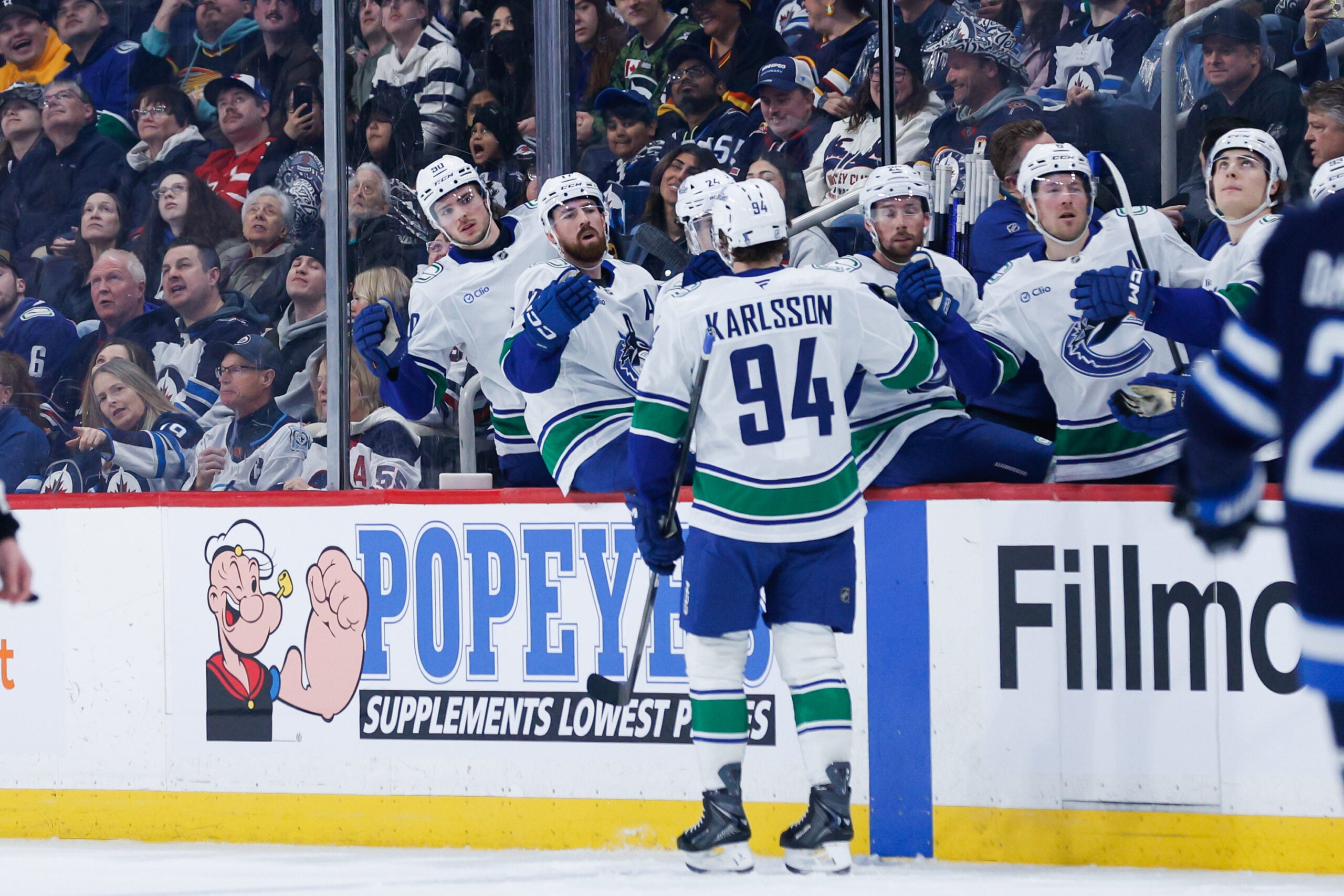
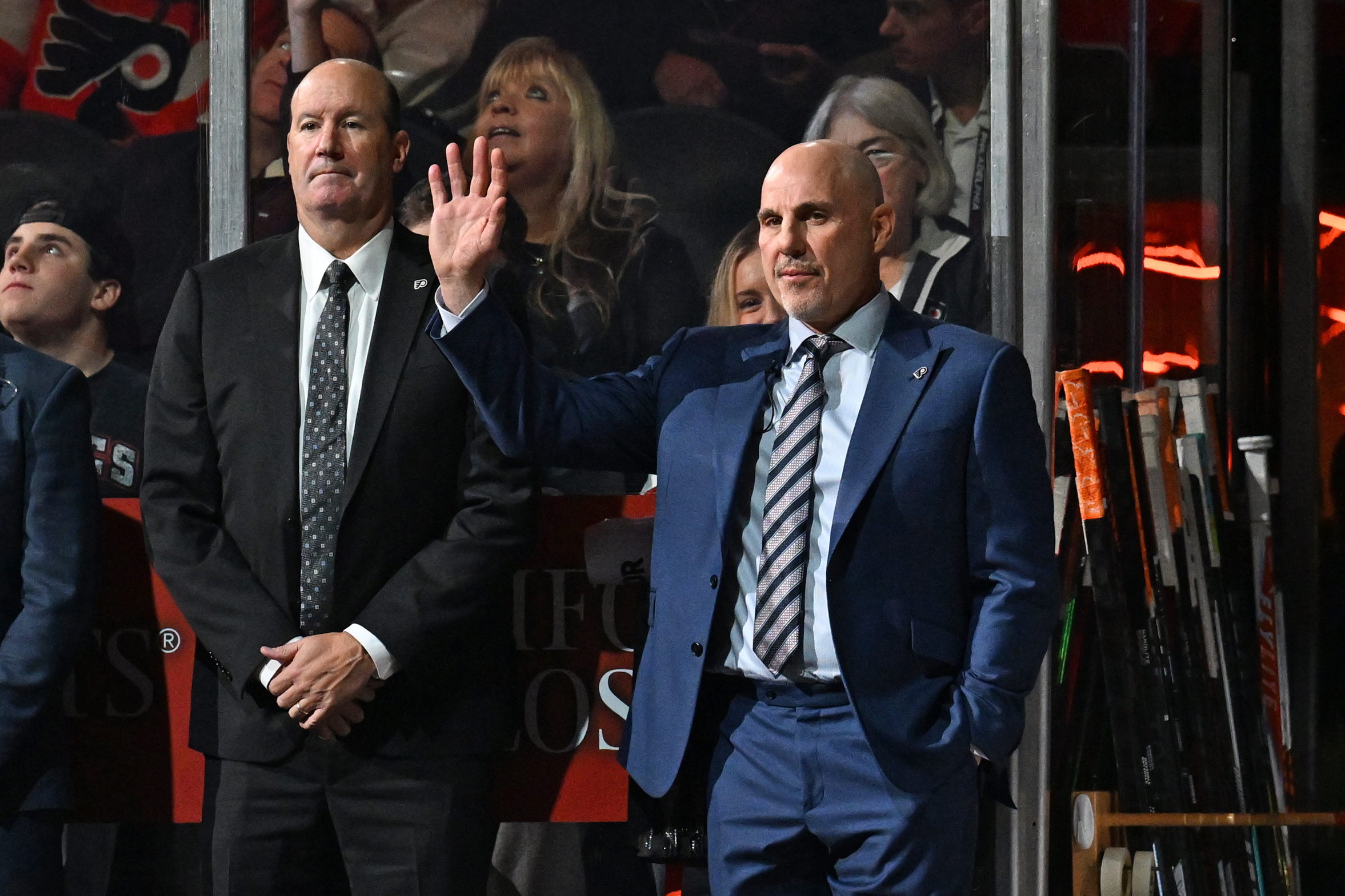
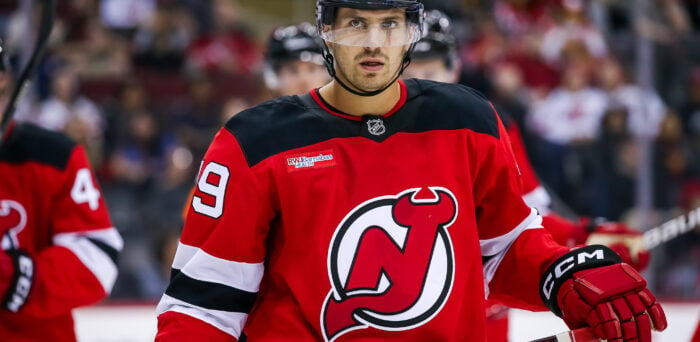
Heading into the offseason, the Vancouver Canucks were clear about their priorities. Management knew they needed help down the middle. After last year’s playoff exit, both Patrik Allvin and Jim Rutherford suggested the club would do “whatever it takes” to land a legitimate second-line centre. The urgency was apparent. Without a strong 1–2 punch behind Elias Pettersson, the team risks being thin in one of the most critical areas of the game.
But here we are in September, and the Canucks look a lot like the same team. No new centre. No deal. Just questions.
The Market the Canucks Expected
As Halford and Brough see it, the Canucks misread the market for second-line centres heading into the offseason, and are struggling to find one because of it. Their plan, judging by their public comments, was to package futures—draft picks and prospects—to acquire a proven NHL centre. Historically, that kind of approach has worked. Many teams are open to trading roster players for cap relief and young assets.
Yet this offseason was different. Across the league, general managers weren’t looking to punt their established players for future considerations. Teams like the Minnesota Wild, for instance, were open to listening to Marco Rossi, but the asking price wasn’t picks. They wanted NHL players in return. That wasn’t unique to the Wild—most teams wanted present-day help, not a pile of lottery tickets.
For a Canucks team light on expendable roster talent and already tight against the cap, that left few options.
Were the Canucks Too Confident or Complacent?
Halford and Brough also believe there’s a philosophical layer to this story. Rutherford and Allvin have pulled off plenty of moves since taking over. They rebuilt the defence, resolved the J.T. Miller contract situation, and stabilized a roster that looked shaky not long ago. Their track record has earned them confidence—maybe even overconfidence—that they could reshuffle the pieces this summer.
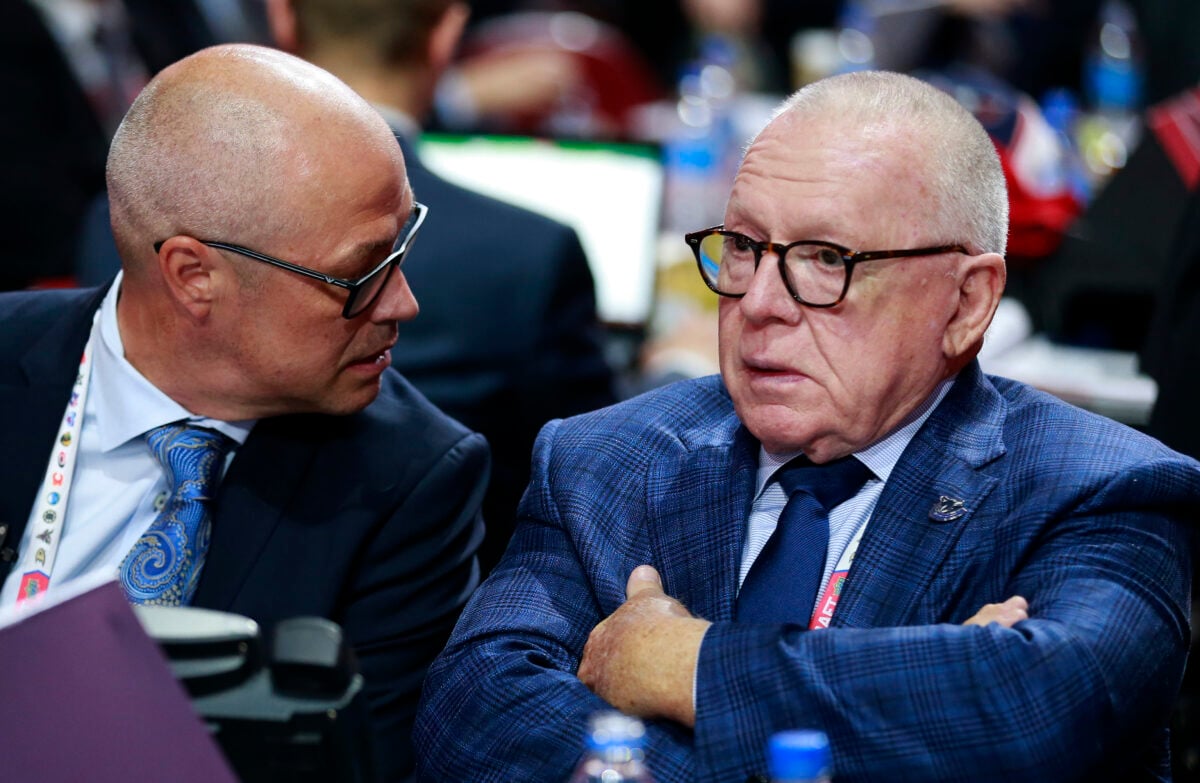
(Photo by Jeff Vinnick/NHLI via Getty Images)
But the landscape shifted. The “currency of the day” was no longer futures. It was win-now players. That’s a tougher equation for Vancouver, because subtracting meaningful roster talent to add a centre creates a new hole somewhere else.
It’s possible the Canucks bet on a market correction that never came. They waited for sellers that didn’t exist. Unlike past years, no one blinked.
What This All Means for the Canucks Now
So where does that leave the team? In many ways, Vancouver is stuck in the middle. Pettersson is a bona fide number one, but without reliable centre depth behind him, the Canucks risk leaning too heavily on him and – well – then who? Injuries or slumps could expose the team’s thin foundation.

(Bob Frid-Imagn Images)
It also raises broader questions. Did the Canucks overestimate their ability to maneuver in any market? Did they underestimate how competitive and buyer-heavy the league has become? Or are they simply playing a longer game, content to wait for the right deal rather than force a bad one?
The Big Picture for Vancouver Headed Into 2025-26
The frustrating part for fans is that management clearly recognized the issue. They didn’t dodge it. They said, flat out, that a second-line centre was a priority and that not addressing it would be more expensive in the long run. Yet despite that awareness, the offseason passed without a solution.
Maybe the lesson here is that the NHL market isn’t static. What worked in previous years doesn’t guarantee results now. Teams are holding onto talent longer. Cap space is more precious than ever. The cost of acquiring help isn’t just high—it’s different.
For the Canucks, the risk is obvious. If centre depth proves to be their undoing again, the “whatever it takes” promise will come back to haunt them.
Free Newsletter
Get Vancouver Canucks coverage delivered to your inbox
In-depth analysis, breaking news, and insider takes - free.
Subscribe Free →