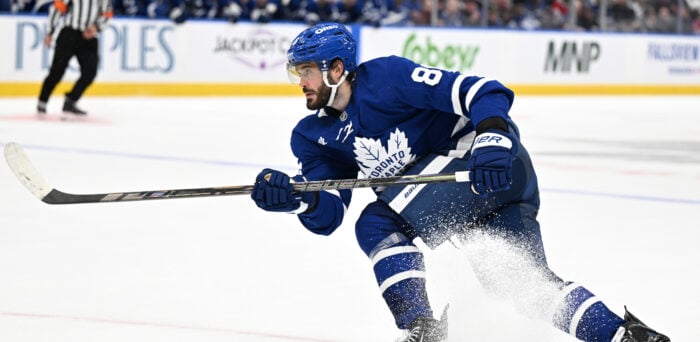
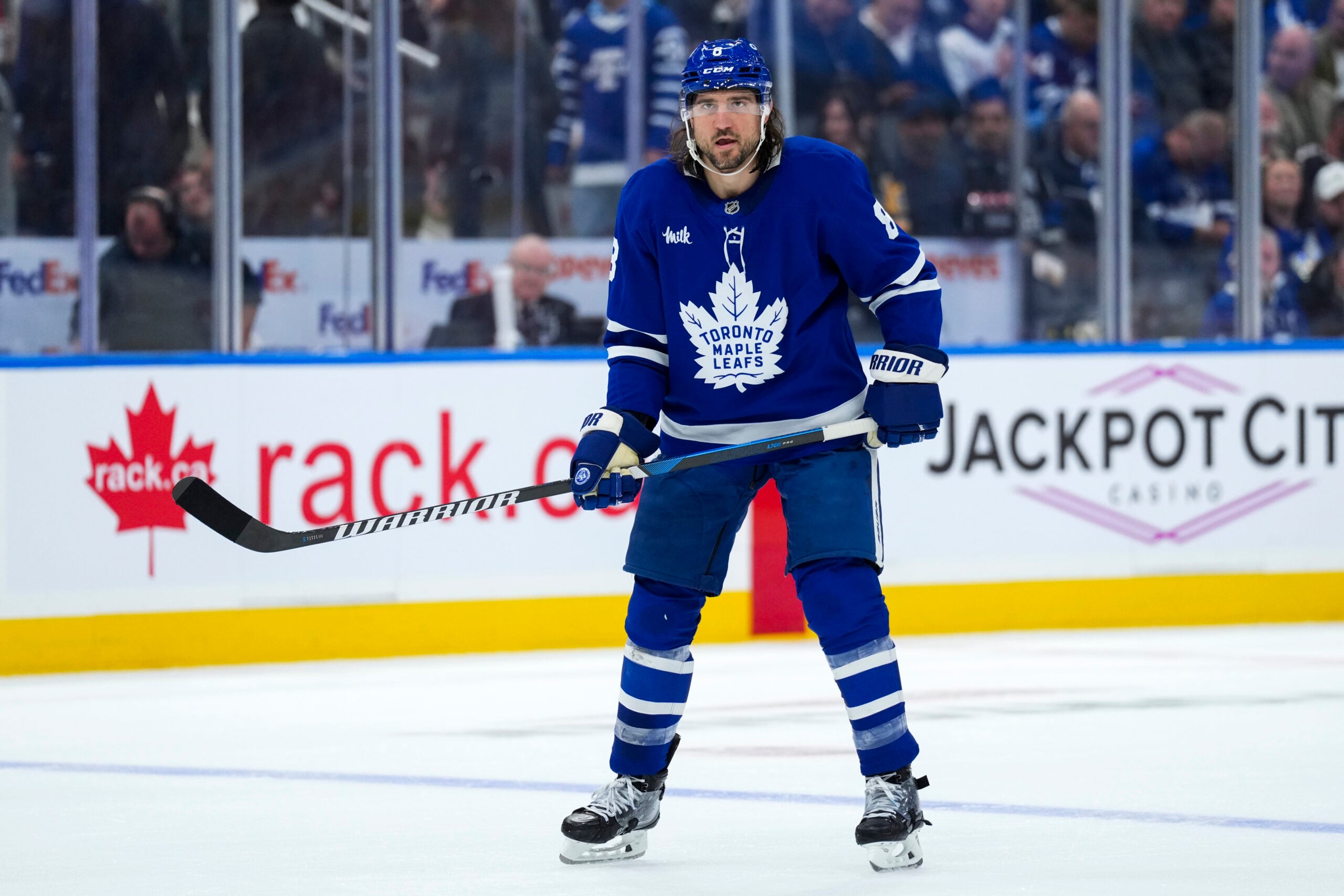
One of the most interesting parts of this playoff run for the Montreal Canadiens has been watching how many different players have stepped into important moments. This hasn’t just been a postseason carried entirely by stars or highlight-reel skill. Instead, Montreal keeps getting meaningful contributions from players whose games seem naturally designed for playoff hockey.
Josh Anderson might be the best example of that. When the Canadiens needed life late against the Carolina Hurricanes, Anderson was right in the middle of the chaos again. In some ways, that perfectly sums up who he is as a player. Over a long 82-game regular season, there are stretches where fans understandably want more consistency, more offence, or cleaner execution from him. But once the playoffs arrive and games turn into survival battles, Anderson suddenly starts looking far more valuable.
There’s just something about his style that fits playoff hockey naturally. His coach, Martin St. Louis, speaks of how well he’s bought into the team’s growth.
Josh Anderson Plays Straight-Line Hockey
The first reason Anderson becomes so effective this time of year is pretty simple: he attacks the game directly. There’s very little hesitation in how he plays. He drives wide through defenders, crashes toward the net, and forces opposing teams to physically deal with him every single shift. In playoff hockey, where time and space disappear almost instantly, players who simplify the game often become more dangerous.
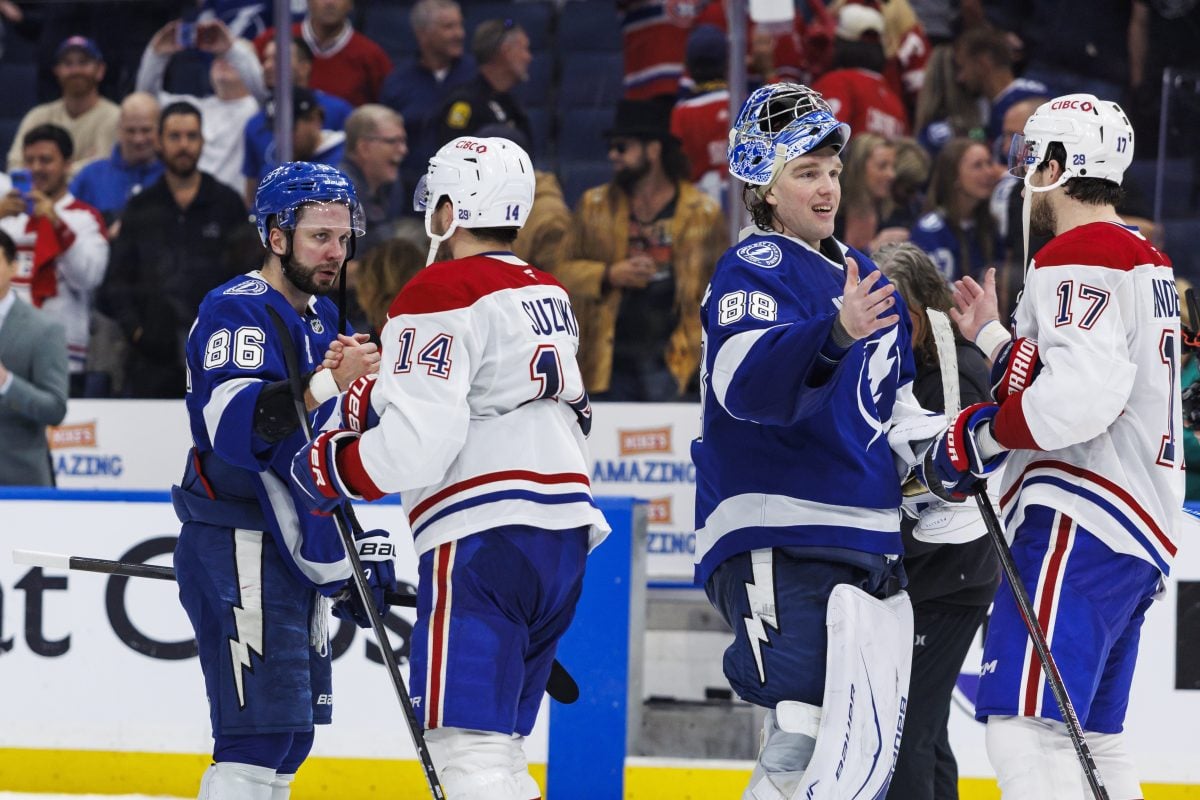
That’s Anderson in a nutshell. He may not always create the prettiest offensive sequences, but he constantly applies pressure. Defenders know they are going to get leaned on physically. Goaltenders know traffic is coming to the crease. Even when Anderson doesn’t register a point, he changes the emotional tone and shifts simply because of how hard he plays around the net and along the boards.
Anderson’s Physical Style Actually Gets Better in the Playoffs
A lot of regular-season offence disappears once playoff hockey starts. The ice shrinks. Officials allow more physical contact. Teams collapse into the middle, making clean puck movement far more difficult. That environment actually works in Anderson’s favour.
His combination of size, speed, and strength becomes more valuable as games get heavier. One sequence against Carolina really captured that. Anderson briefly lost the puck in traffic but refused to quit on the play. Instead of circling away or resetting, he stayed engaged physically, fought through contact, and helped keep the chance alive near the crease.
That’s playoff hockey. Not every shift becomes a clean passing play or a perfect scoring chance. Most playoff shifts eventually turn into ugly little battles around loose pucks, rebounds, and bodies piled near the net. Anderson embraces that chaos instead of trying to avoid it.
Anderson Brings Emotional Momentum Into Games
Emotion might honestly be the biggest thing Anderson provides. Playoff hockey is emotional hockey. Momentum swings matter. One heavy shift can completely change the pace of a game inside a building. A big hit, a won puck battle, or a hard drive to the crease can suddenly wake up teammates and energize an entire bench.

Anderson has a real knack for creating those moments. He brings urgency into games, and teammates tend to feed off it. Coaches love players like that because even when they are not scoring, they still influence games emotionally and physically. There’s value in players who make opponents uncomfortable over and over again.
Why Players Like Anderson Matter So Much
The Canadiens are learning something important during this playoff run: not every valuable postseason player has to be a superstar. Some players are built for regular-season skill hockey. Others are built for playoff survival hockey.
Anderson clearly falls into that second category. When games become messy, physical, emotional, and exhausting, his value climbs quickly. He forces defenders to work. He creates chaos around the crease. And maybe most importantly, he never seems uncomfortable playing hard hockey.
That’s exactly why players like Josh Anderson become so important this time of year.
Free Newsletter
Get Montreal Canadiens coverage delivered to your inbox
In-depth analysis, breaking news, and insider takes - free.
Subscribe Free →