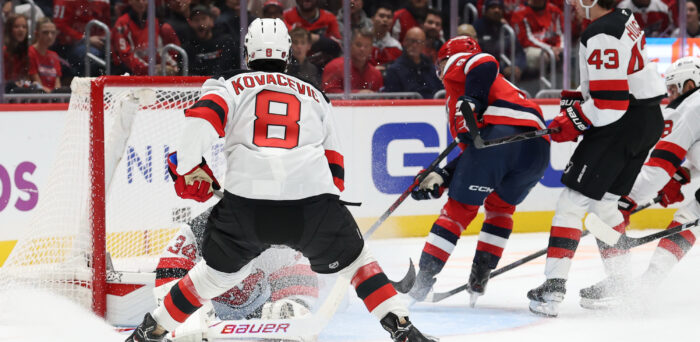
When president of hockey operations Jeff Gorton and general manager (GM) Kent Hughes took the reins of the Montreal Canadiens in the winter of 2022, they inherited a historic franchise in absolute freefall. Months removed from an improbable, magical run to the 2021 Stanley Cup Final, injuries, aging stars, and cap mismanagement had cratered the roster to the absolute bottom of the NHL standings. The long-term absences of franchise icons Carey Price and Shea Weber signaled the definitive end of an era.
For the first time in modern franchise history, management explicitly committed to a thorough, ground-up rebuild. Rather than looking for quick fixes or short-term free-agent patches, Hughes implemented a methodical strategy rooted in asset accumulation, developmental patience, and strict salary-cap discipline.
By May 2026, this blueprint has completely revitalized the franchise and the city. Following an Eastern Conference Final berth, it is undeniable: the Canadiens’ rebuild is significantly ahead of schedule.
Part I: The Four Steps of the Hughes Blueprint
The transformation of the Canadiens under Hughes was executed across four distinct, overlapping phases. Each phase prioritized maximizing asset value while instilling a modern team culture under head coach Martin St. Louis.
Step one, liquidating for draft capital. The first order of business in early 2022 was maximizing the value of remaining legacy veterans. Hughes recognized that a roster tailored for a low-event, heavy-checking game could not support the modern, high-tempo, skill-based system he envisioned. Through a series of clinical trade deadline deals, Hughes weaponized his active roster:
- Tyler Toffoli was sent to the Calgary Flames for prospects and a first-round draft pick.
- Ben Chiarot was traded to the Florida Panthers for a package centred around a prized unprotected 2023 first-round selection.
- Artturi Lehkonen and Brett Kulak were moved to contenders, netting premium draft picks and building blocks.
Crucially, the Kulak trade to the Edmonton Oilers yielded a second-round choice that would be used to select elite puck-moving defenceman Lane Hutson at 62nd overall in 2022. These trades cleared out close to $5.2 million in cap space and established a far greater depth of draft picks that laid the foundation for future maneuvers.
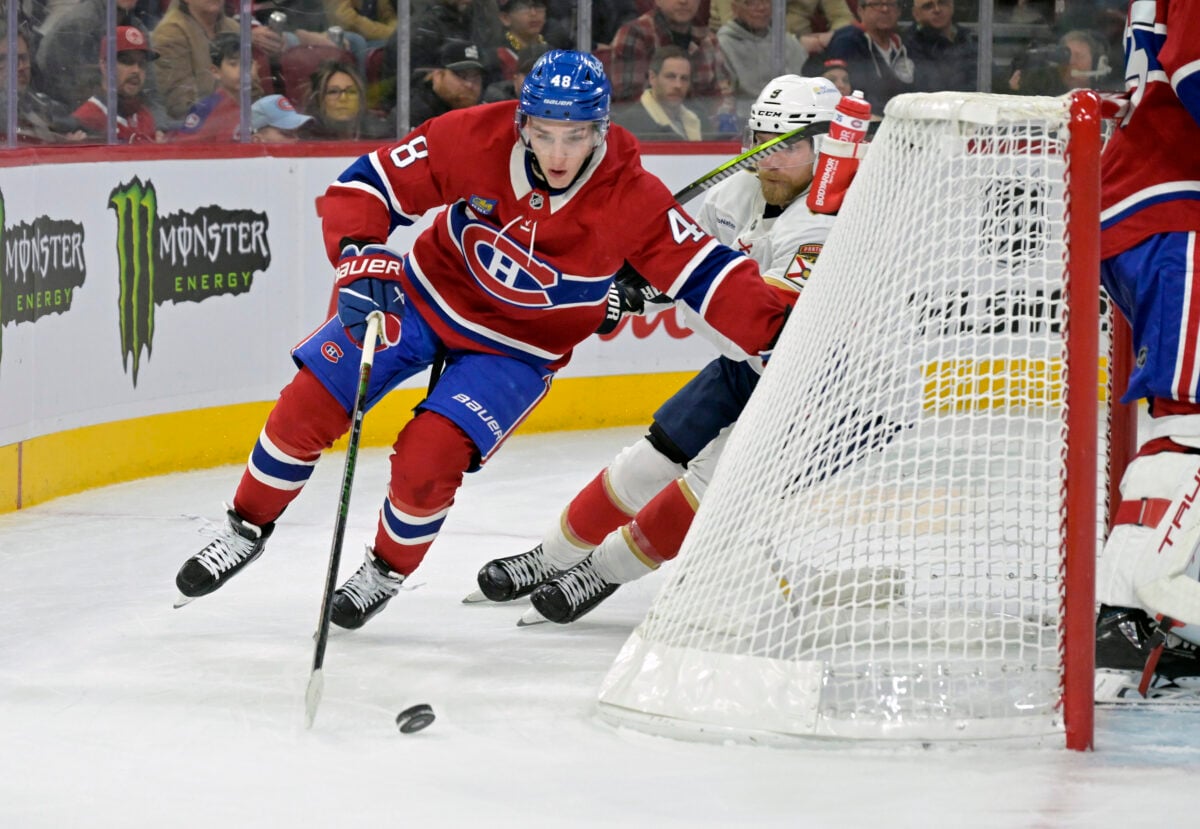
Step two, high-stakes draft floor decisions. Armed with that newly acquired draft depth, Hughes defied conventional consensus, building the core of the team on traits rather than public scouting rankings. At the 2022 NHL Draft in Montreal, the Canadiens shocked the hockey world by selecting Slovak winger Juraj Slafkovsky first overall over the expected consensus selection, centerman Shane Wright. Hughes valued Slafkovsky’s massive physical profile, relentless puck-protection abilities, and high competitive drive, attributes that have since blossomed under St. Louis’s mentorship.
In 2023, the front office focused on blue-line infrastructure by drafting right-handed Austrian defenceman David Reinbacher at fifth overall, which seemed to upset some fans who instead wanted the Russian winger Matvei Michkov, yet Hughes may have seen some red flags that ensured he went with the defenceman. They followed up that selection with a third-round pick that may provide another foundational piece, selecting goaltender Jacob Fowler. After a third season finishing in the NHL’s cellar in 2024, they then took a dynamic Russian winger, selecting phenom Ivan Demidov with another fifth-overall choice. This high-leverage drafting created a balanced, top-tier talent pipeline spanning all positions.
The third step was trading for refurbished talent to add depth. While traditional rebuilds rely solely on drafting teenagers, Hughes expedited the timeline by executing what became his trademark: trades for skilled, yet underused players during draft week. He targeted former high-draft-pick forwards who had fallen out of favour with their original clubs or were squeezed by cap-strapped organizations.
At the 2022 Draft, he acquired the oft-injured Kirby Dach from the Chicago Blackhawks. The following draft, in 2023, he pulled off a similar maneuver that brought in 2026’s Mr. Game 7, Alex Newhook. Hughes also masterfully leveraged Montreal’s cap space to absorb veteran contracts paired with premium draft assets. The most notable example was taking on Sean Monahan’s contract from Calgary, which netted an additional 2025 first-round pick simply as a sweetener. Monahan was later flipped to the Winnipeg Jets for another first-round selection, highlighting a highly efficient cycle of asset extraction.
The fourth step was establishing a progressive team culture. The culture that Montreal is cultivating fosters optimism and provides opportunity and possibility rather than being fixated on problems. In other words, it inspires a strong problem-solving mindset and a certain fearlessness about the future. On-the-fly roster adjustments fail without an environment designed for young players to thrive.
The hiring of St. Louis as head coach was the catalyst for this cultural shift. He replaced rigid, defensive systems with a concepts-based approach focused on read-and-react offensive play, high-level puck possession, and individual development plans. More importantly, instead of punishing mistakes, St. Louis encouraged elite young talents like Caufield to take creative risks within the game plan. This modern culture has transformed Montreal into an incredibly attractive destination, enabling Hughes to sign core pieces to highly favourable, long-term extensions.
Part II: Why the Rebuild Timeline Is Ahead of Schedule
When Hughes laid out his multi-year plan, internal projections pointed to a slow ascent out of the Atlantic Division basement. However, a combination of rapid internal development and elite cap management has catapulted the Canadiens into Eastern Conference contention far sooner than anticipated.
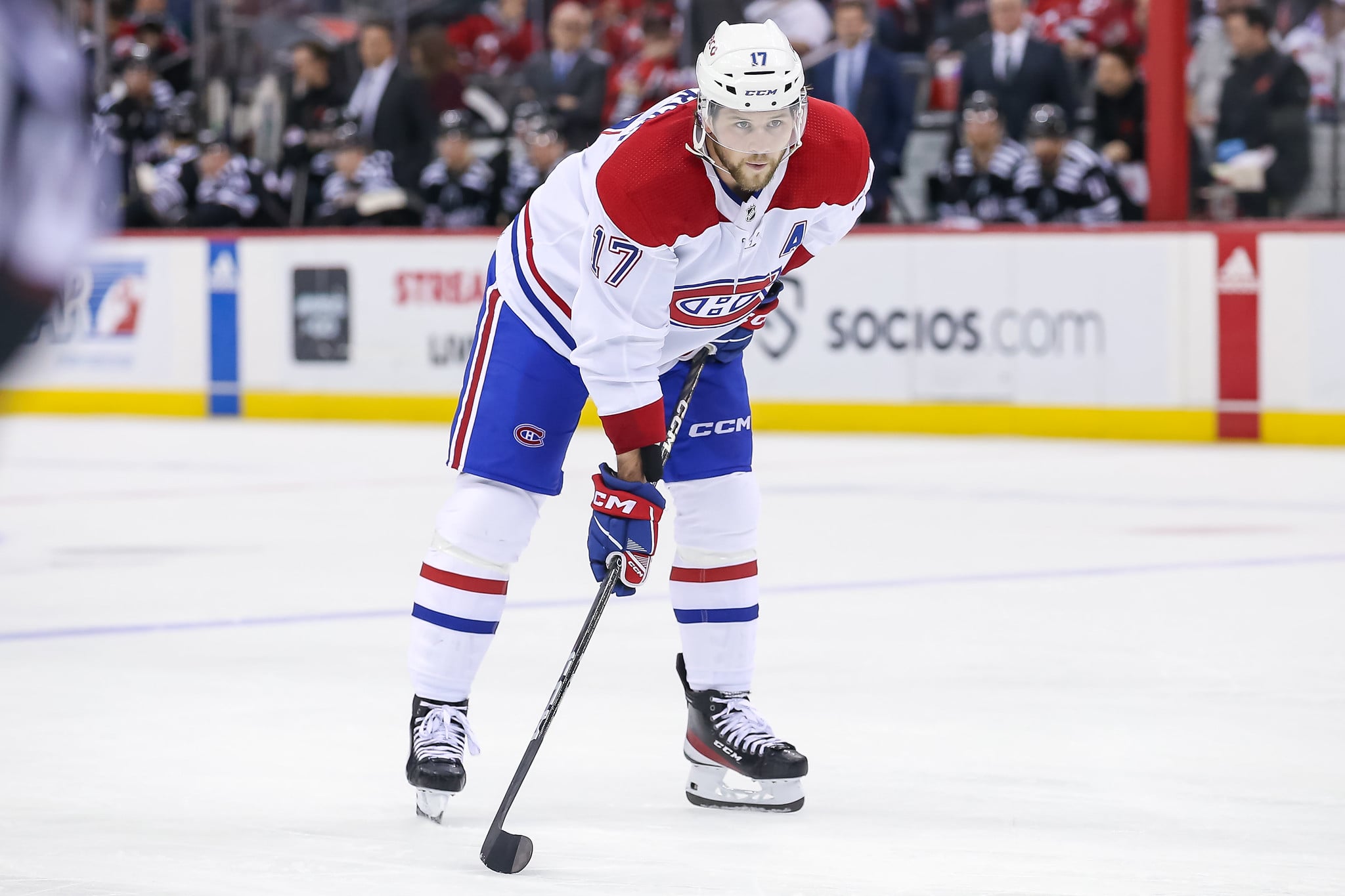
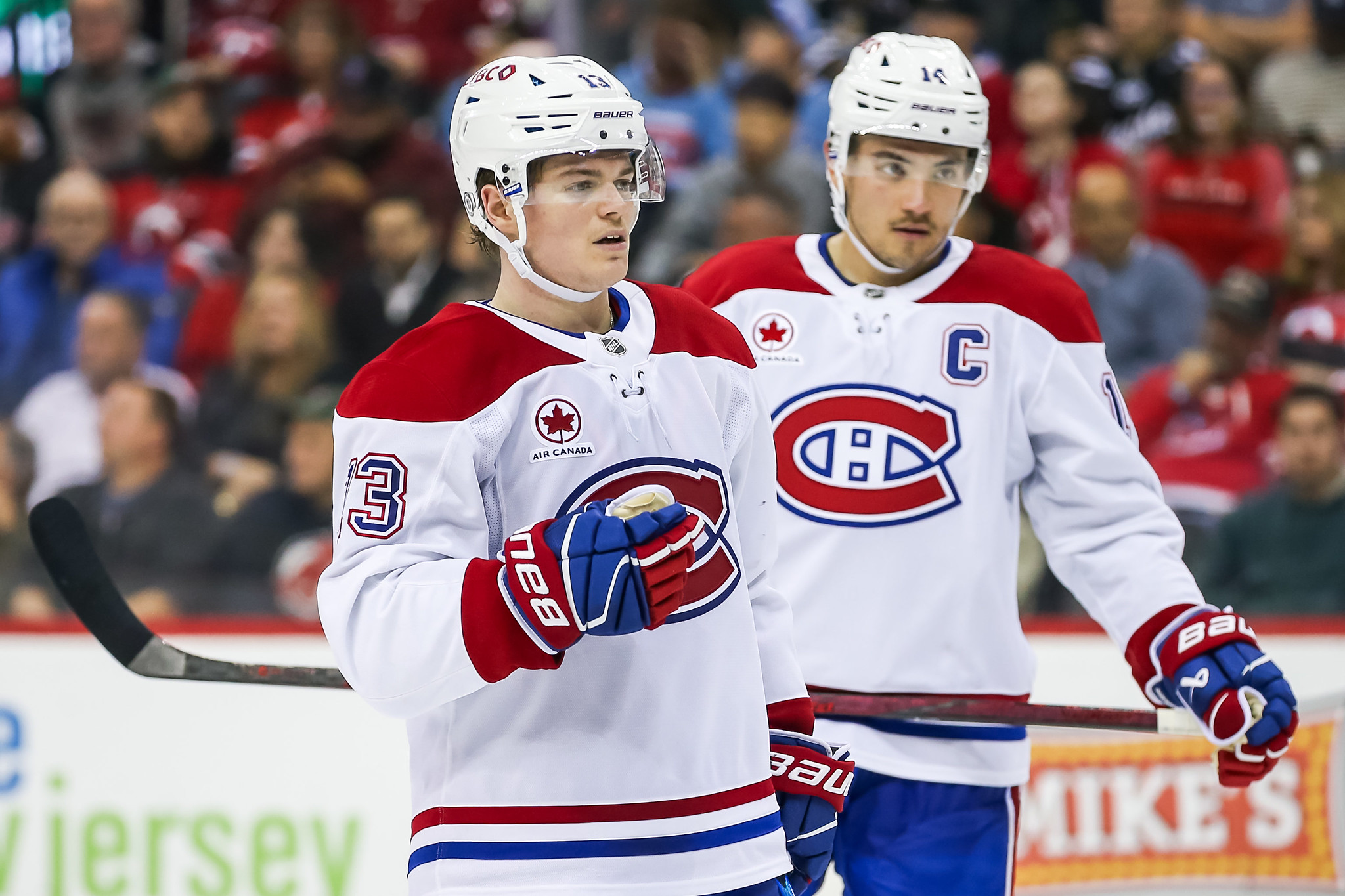
The main driver of this accelerated timeline is the exponential growth of the team’s young leadership group. Captain Nick Suzuki has solidified his role as an elite, durable, two-way top-line centre after recording 101 points and is now a Selke Trophy favourite. Alongside him is Caufield, who has evolved into a premier sniper, scoring 51 goals this past season.
Both finished with more than a point per game. Slafkovsky completes the top line, and he had a career season scoring 30 goals and 72 points. Hutson followed up his Calder Trophy rookie season by doubling his goal total (12) and recording 78 points in his sophomore season, a 12-point jump. Demidov’s arrival added another layer of elite skill to the top six. The young Russian led all rookies in points with 62 and finished second in Calder Trophy voting. The progression of these dynamic young players allowed the team to bypass the traditional bubble-team phase, culminating in their current 2026 Playoff run to the Eastern Conference Final.
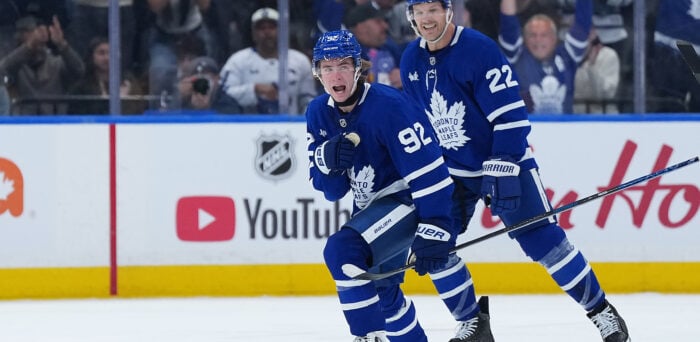
A major pitfall of modern NHL rebuilds is the cap crunch caused by overpaying young talent based on potential rather than production. The Toronto Maple Leafs are a prime example of this failure to manage properly with their so-called “Core Four,” according to Kyle Dubas, the architect of that plan.
Hughes, a former high-profile player agent, avoided this mistake entirely. He had a signed Suzuki ($7.875 million average annual value/AAV) already in place, then added Caufield ($7.850 million AAV), Slafkovsky ($7.600 million AAV), and Hutson ($8.85 million AAV) to long-term, fixed-cost extensions before inflation hit the league’s salary cap, providing one of the NHL’s best salary structures and providing long-term financial stability. By locking in most of his core to team-friendly contracts, Hughes established a highly sustainable financial landscape. Even with the blockbuster acquisition of Noah Dobson, who signed at a $9.5 million cap hit, the team remains in an excellent position to navigate the rising salary cap.
Part III: The Final Pieces of the Stanley Cup Puzzle
Despite the Canadiens’ rapid rise to the upper echelon of the Eastern Conference, the roster is not yet a finished product. To transition from an exciting, young upstart team into a perennial Stanley Cup favourite, Hughes must address three critical organizational gaps.
1. Assessing Goaltending for Sustained Playoff Runs
An elite championship window requires true elite-tier goaltending depth. While young prospect Jacob Fowler has shown flashes of brilliance in his NHL debut season, his timeline to becoming an impactful NHL starter is still a few seasons away. The expectation was that it would take a few seasons to solve the goaltending question as the position loomed as an unresolved variable heading into the 2025–26 season, but the meteoric rise of Jakub Dobes has completely transformed the conversation.
The 24-year-old Czech netminder took over the role during a sensational rookie campaign, leading all NHL rookie goalies with 29 wins across 43 games. While his regular-season metrics reflected typical freshman adjustment periods, his ability to win hockey games solidified his status as Montreal’s undisputed starter, turning a position of uncertainty into an organizational strength.
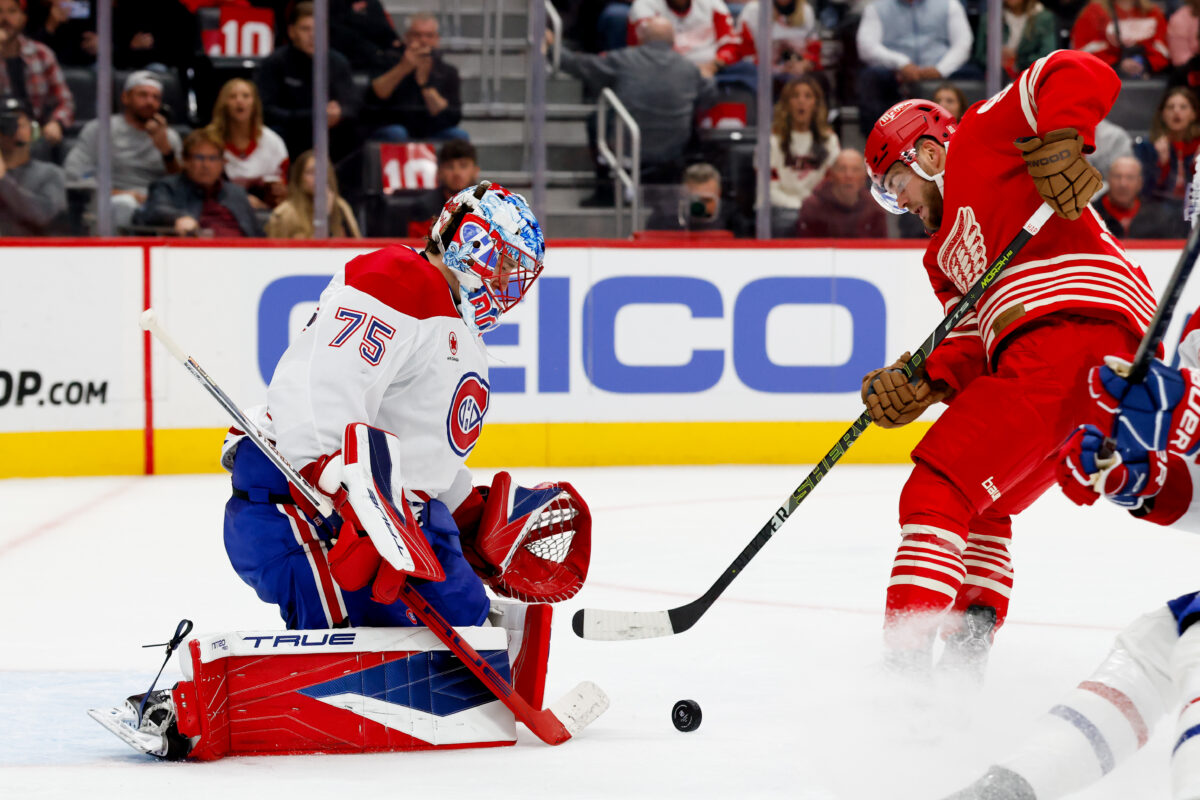
It is in the crucible of the 2026 Stanley Cup Playoffs where Dobes seems to have evolved into a franchise cornerstone. He carried an underdog Canadiens to the Eastern Conference Final as a legitimate Conn Smythe Trophy candidate, posting a perfect 6-0 record coming off a loss with a staggering 1.77 GAA and .942 save percentage. By winning two separate Game 7s, on the road no less, against the Tampa Bay Lightning and Buffalo Sabres with a combined .956 save percentage, he joined legendary Hall of Famer Ken Dryden (1971) as the only rookie goaltenders in NHL history to win multiple Game 7s on the road in a single playoff run. The only question facing Hughes now is whether this can be sustained over the long term.
2. The Search for a True Second-Line Centre
While Suzuki has proven he can match up against the league’s top opposition, the lack of centre depth behind him remains a pressing concern. The gamble on Dach has been severely disrupted by persistent, long-term injuries, preventing him from locking down the second-line centre spot. Newhook has provided exceptional versatility and clutch scoring, notably becoming the team’s “Mr. Game 7” during the 2026 Playoffs, but his skill set is much more naturally suited for the wing rather than the grueling defensive duties required at centre.
Following a regular season spent largely driving play as the team’s second-line centre, Oliver Kapanen, who finished second in goals scored by rookies (22), has shown flashes of the high-end hockey IQ and reliable two-way structure needed to stick in a top-six role. His rapid adaptation to the defensive responsibilities and physical demands of the position suggests he could be an internal solution, or at worst, the trade capital Montreal needs to solidify their centre depth behind Suzuki.
Currently, Jake Evans has been deployed as the second line centre, and with all due respect to him, despite his strong defensive play, he is not a top-six centre. With the NHL salary cap rising past $100 million in the next season or two, Hughes will likely look to weaponize his remaining draft capital or target a top-tier centre via trade. Adding a reliable, high-end second-line pivot would alleviate match-up pressure from Suzuki and give Montreal a formidable one-two punch down the middle.
3. Clearing Cap Inefficiencies
The final phase of any successful rebuild involves purging the final remnants of inefficient veteran contracts to free up cap flexibility for critical additions. Hughes has done a good job of avoiding this issue, as there are only two contracts that could fit in this category, even though both provide important aspects to the roster. They are forwards Brendan Gallagher ($6.5 million AAV) and Josh Anderson ($5.5 million AAV), who both have only one more season under these contracts.
While both players provide invaluable veteran leadership and essential postseason physicality, their on-ice production has declined significantly relative to their cap hits. As the team prepares for the 2026-27 season, Montreal faces a surprisingly tight $9.24 million in active cap space with some key players to extend or re-sign; however, there isn’t a pressing need as of yet to shed either player’s contract for the final season.
Allowing these contracts to naturally expire creates a financial windfall at the perfect moment. Wiping $12 million off the books as the salary cap continues to rise ($113.5 million by 2027-28) will grant Montreal true fiscal power by the summer of 2027. Instead of being tied up in aging depth, this massive pool of liberated cash can be weaponized to sign or trade for a legitimate, elite second-line centre if Michael Hage isn’t seen as the immediate solution. Adding a young top-six star down the middle will permanently solidify Montreal’s centre depth behind Suzuki and establish a sustainable, multi-year Stanley Cup window.
The Canadiens’ rebuild will likely be studied for years as a premier example of how to execute a modern, cap-era franchise overhaul. By refusing to take shortcuts, capitalizing on clever trade opportunities, establishing an elite player development system, and securing long-term cost certainty for his core players, Hughes has restored the pride and prestige of hockey’s most passionate market. The days of pleading for patience in Montreal are officially over. The foundation of this team is set, the championship culture is firmly established, and the breakthrough has arrived much faster than anyone anticipated. With just a few final adjustments to the roster, Montreal is poised to become a dominant force in the NHL for the next decade.
Free Newsletter
Get Montreal Canadiens coverage delivered to your inbox
In-depth analysis, breaking news, and insider takes - free.
Subscribe Free →