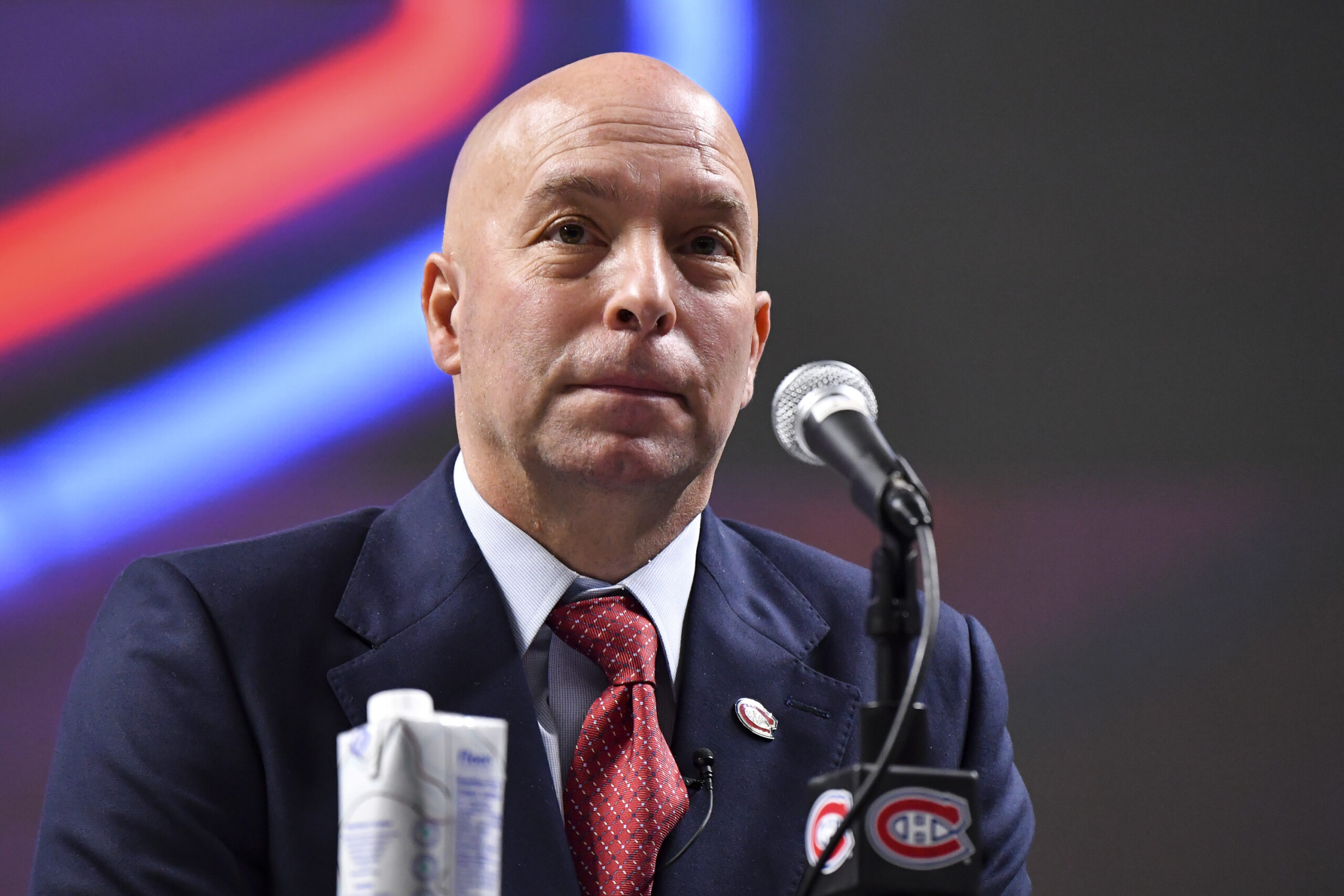
The Seattle Kraken entered the offseason determined to take a step forward after another disappointing campaign that left them out of the playoff picture. General manager Jason Botterill has made it clear that the organization wants to build toward sustained success rather than chasing a quick fix.
As the summer stretches on, the Kraken have had a relatively quiet offseason. Veterans are sticking around to provide stability, quite a few prospects are knocking on the NHL’s door, and Seattle should have enough talent to compete on most nights. The challenge now is putting everything together over an 84-game season.
If the Kraken hope to climb back into the playoff race — and maintain that position — three things will be especially important this season.
Avoiding the Injury Bug
Staying healthy sounds easier than it really is, but one of Seattle’s biggest obstacles over the past few seasons has been staying healthy. The Kraken frequently switched up the lineup, not just to see what worked, but because of the amount of injuries key players faced. This forced players into unfamiliar roles and disrupted chemistry throughout the lineup. Of course, every team deals with injuries, but Seattle struggled to maintain consistency whenever key contributors were unavailable.
That consistency matters, especially for a team still trying to establish an identity under a relatively new coaching staff. Offensive lines generally need time to build chemistry, defensive pairings become more effective with repetition, and special teams often suffer when personnel changes become routine.
While a healthy core would provide a much stronger foundation than the club has enjoyed in recent seasons, injuries are impossible to predict. However, if the Kraken can avoid the lengthy absences that plagued portions of last season, they’ll be better positioned to build momentum instead of constantly trying to replace it.
Letting the Kids Play
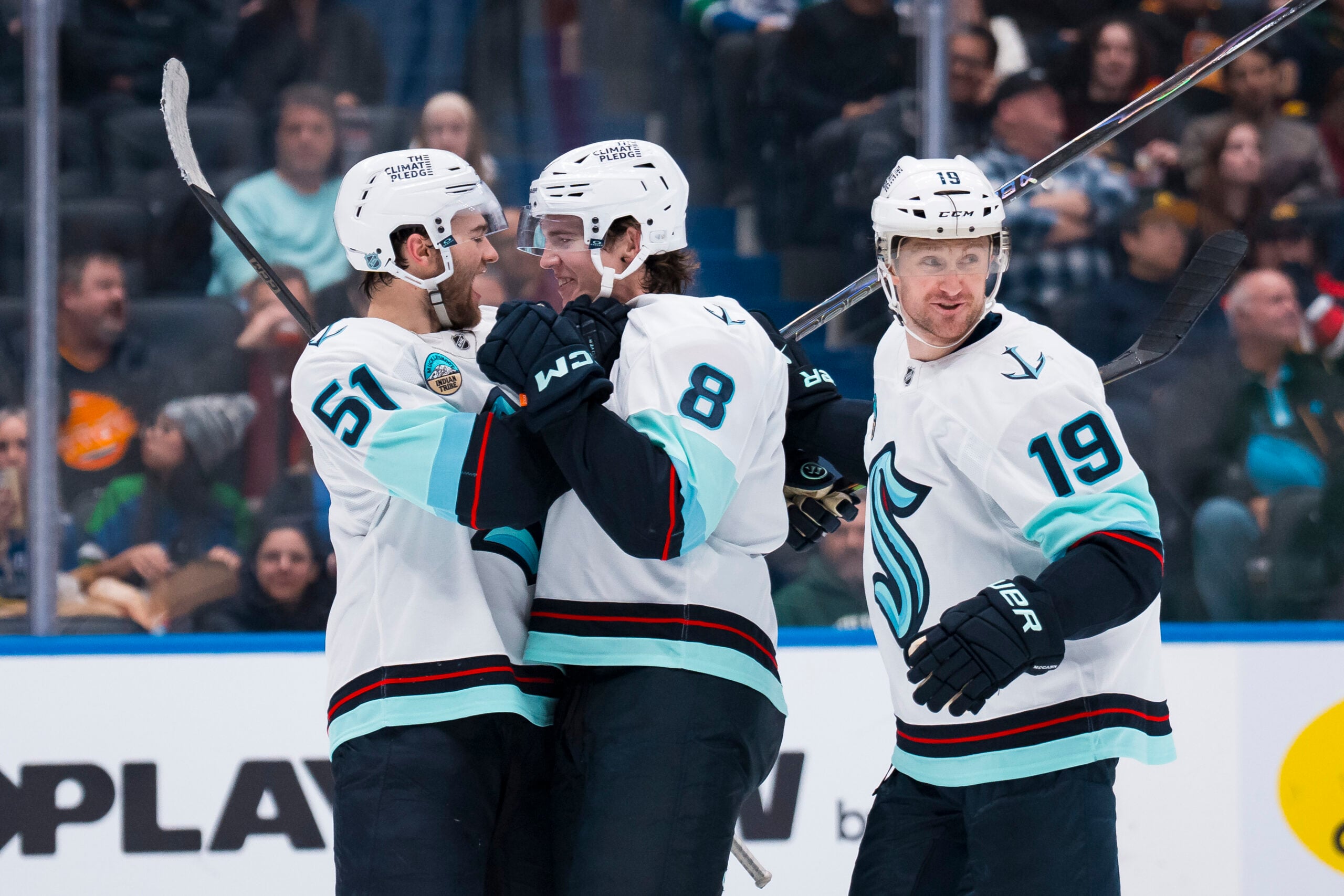
One of the most exciting storylines entering this season involves Seattle’s youth movement. Berkly Catton had a solid rookie season and should be gearing up for another full season in the NHL, while Shane Wright, despite the trade rumors, enters another season with expectations continuing to rise.
Rather than relying almost exclusively on veterans, the Kraken should embrace the next wave of talent. That doesn’t mean handing young players top-line minutes without earning them. Instead, it means giving them meaningful opportunities to grow through NHL experience. Catton’s offensive creativity could provide a spark to Seattle’s middle six, while players like Wright have another opportunity to establish themselves as long-term building blocks. Young players inevitably make mistakes, but organizations only discover what they truly have by allowing prospects to play through those growing pains.

In addition to the young players that are already set to return to the NHL, prospects such as Chase Reid, Blake Fiddler and Clarke Caswell continuing their development in the NCAA represent the next wave of talent. Seattle doesn’t need to rush their prospects, but seeing the organization’s pipeline start to move is an encouraging sign for both the present and the future.
Improving the Penalty Kill
The Kraken finished the 2025-26 season 31st on the penalty kill, dropping ten spots from the 2024-25 season where they finished 21st, so there is plenty of room to grow in that aspect.
The team allowed opponents to capitalize far too often, especially in a league where games are frequently decided by one goal; an ineffective penalty kill can erase an otherwise strong performance in a matter of minutes.
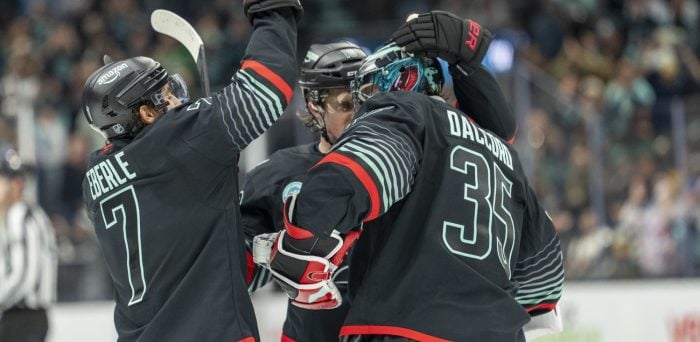
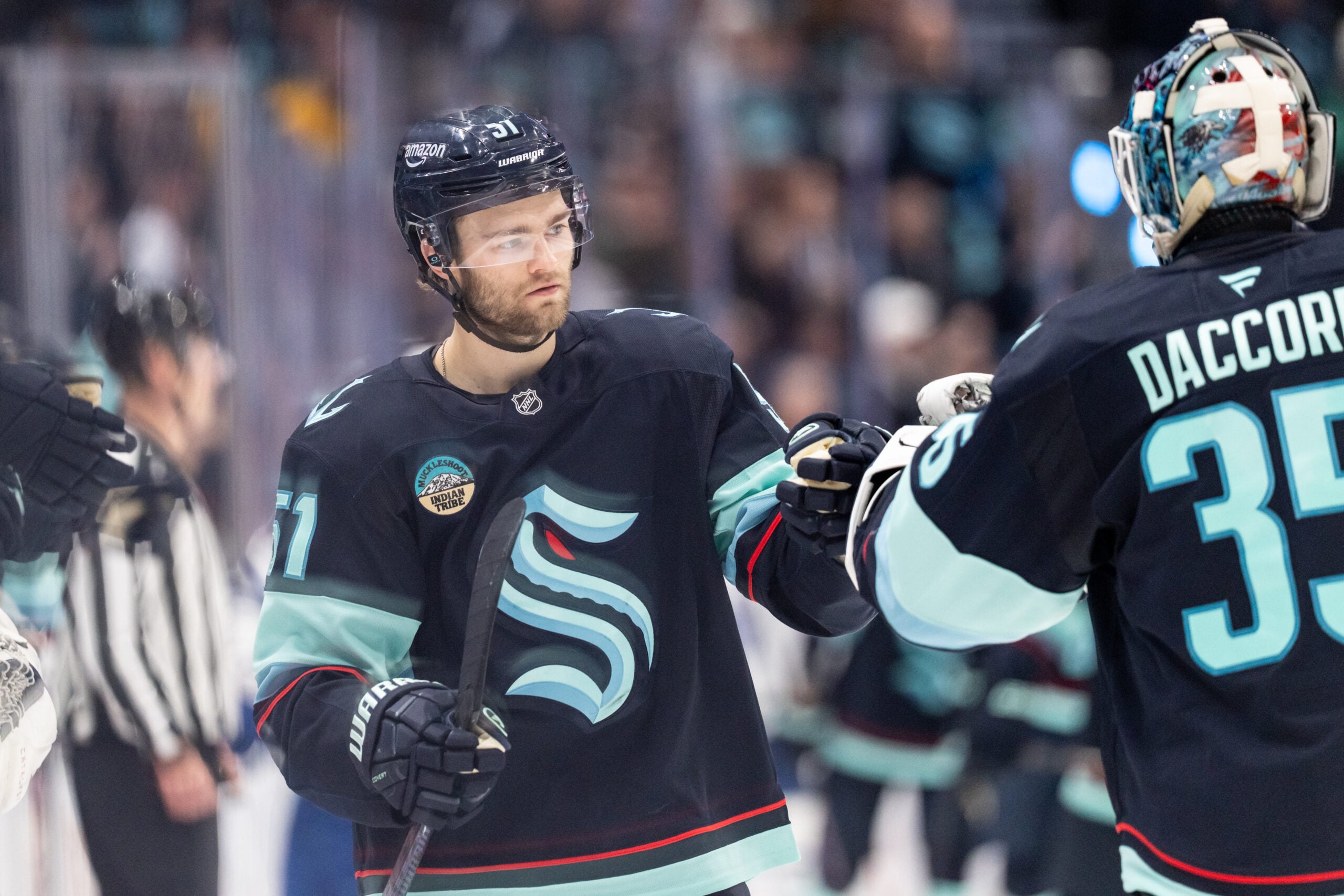
The Kraken have the personnel to be better. Veterans like Adam Larsson and Vince Dunn have long been trusted defensive players, while Matty Beniers and Chandler Stephenson have shown they can be reliable in defensive situations. Joey Daccord and Philipp Grubauer also proved capable of keeping Seattle in games, but even strong goaltending can only do so much when opposing power plays are consistently generating high-danger opportunities.
Improving the penalty kill starts with better structure and execution. Winning faceoffs, clearing rebounds, limiting cross-ice passing lanes, and putting more pressure on puck carriers would all help Seattle become a more effective shorthanded team. Just as importantly, staying out of the penalty box altogether would reduce the strain on a unit that struggled throughout the season.
The Kraken don’t need to transform into the NHL’s best penalty-killing team overnight. But turning one of their biggest weaknesses into even a league-average unit could be worth several wins over the course of the season. In a competitive Western Conference, those extra points could make all the difference in the playoff race.
While a blockbuster move ahead of opening night would be a nice change of pace for the Kraken, they don’t necessarily need to make one. Instead, their luck may be able to come from within. Maximizing the talent already in the organization, staying healthier than they have in recent seasons, trusting young players like Catton and Wright with larger roles, and finally turning the penalty kill into a consistent strength would go a long way toward closing the gap in the Western Conference.
With a promising prospect pipeline, an established veteran core, and a new season on the horizon, Seattle has the pieces to take a meaningful step forward. Now, it’s about putting them together over the course of 84 games.
Free Newsletter
Get Seattle Kraken coverage delivered to your inbox
In-depth analysis, breaking news, and insider takes - free.
Subscribe Free →