The Toronto Maple Leafs have had a very busy summer, and if there is one thing that stands out, it is that this is not the same team that finished last season. John Chayka and the new-look front office have been busy reshaping the roster, adding players with different skills and, perhaps more importantly, different attitudes.
The big question around Toronto now is whether all these changes actually fix the problems that have bothered the team for years. The Maple Leafs didn’t simply add another scoring winger or chase the biggest name available. They went in a different direction. They added size, experience, defensive responsibility, and players they believe can handle the physical demands of playoff hockey.
But as always in Toronto, the questions are already starting. Are these changes enough? And did the organization fix the right problems?
Can Brandon Duhaime Become the Maple Leafs’ Missing Energy Player?
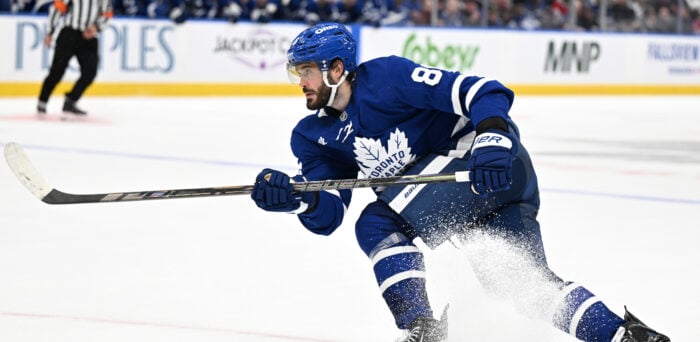
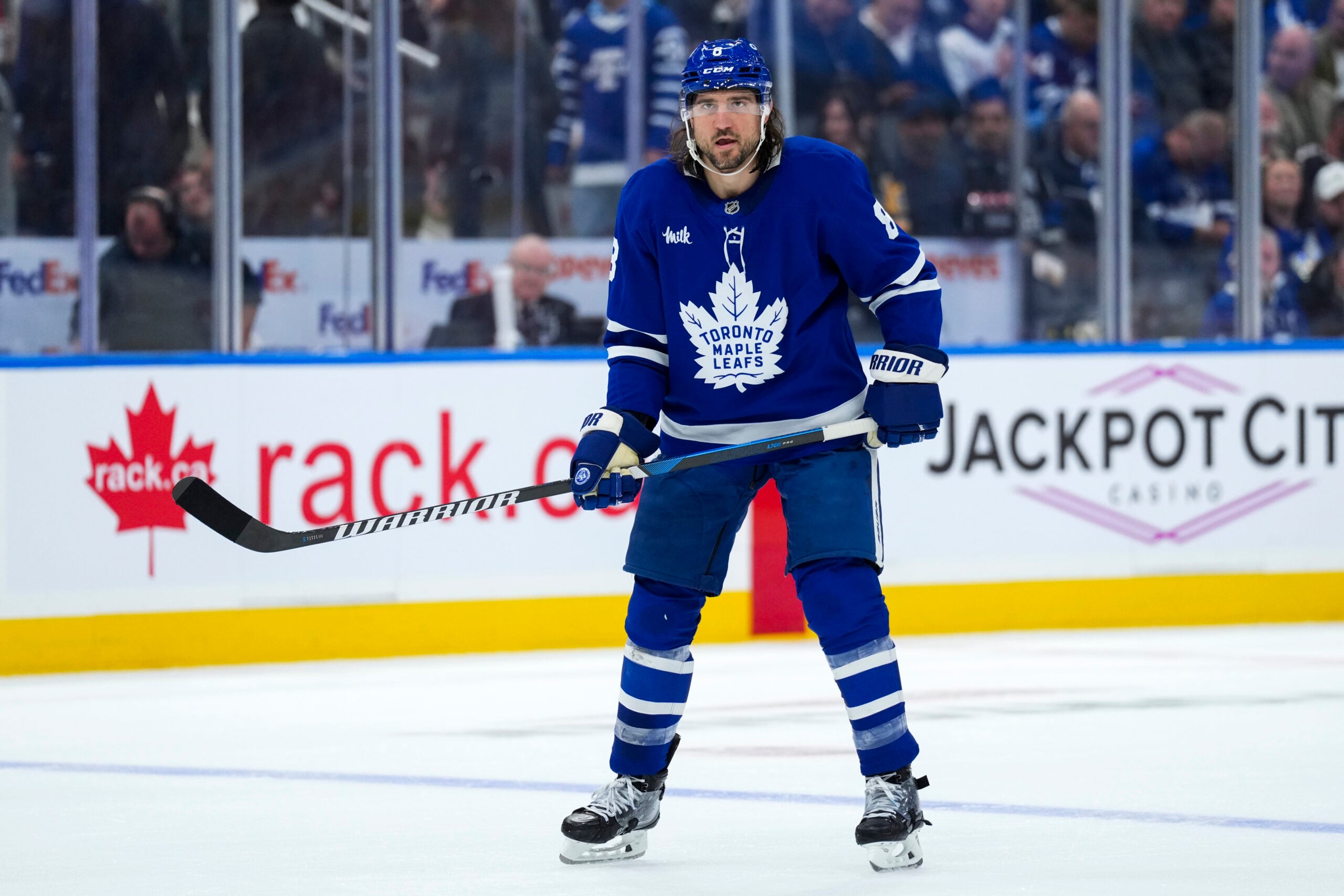
When the Maple Leafs signed Brandon Duhaime to a three-year, $7.8 million contract on July 1, they weren’t expecting a 30-goal scorer. That was never the point. What Toronto needed was something that seemed to disappear too often last season: energy, physicality, and someone willing to make opponents uncomfortable every night.
Duhaime only put up nine points in 82 games with the Washington Capitals, so clearly his value won’t come from the offensive side. Instead, the team is hoping he brings the kind of edge that changes the feel of a game. He is the kind of player who can finish checks, protect teammates, and provide some bite in the bottom six.

Former NHL coach Bruce Boudreau, who coached Duhaime in Minnesota, believes fans will appreciate what the winger brings. “They are getting a physical and tough player who will stick up for his teammates,” Boudreau said. He did offer a warning, though, pointing out that Duhaime’s consistency has been an issue at times. There are nights when he looks exactly like the player a team wants on its fourth line, and other nights when his decision-making can be frustrating.
That is probably the fair evaluation of Duhaime. He won’t carry the offence. But after watching the Maple Leafs get pushed around at times last season, that ingredient was clearly something the organization felt was missing.
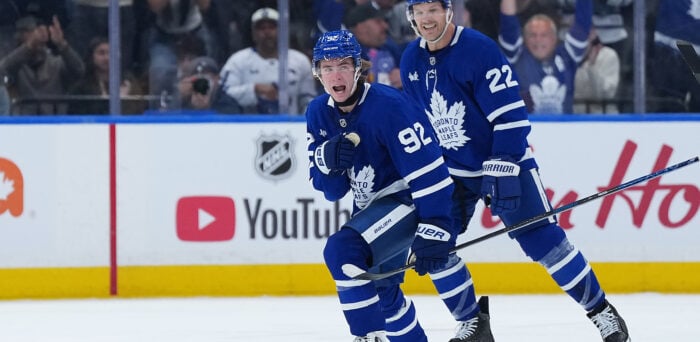
Duhaime is just one part of a much larger offseason plan. Toronto also added Darren Raddysh, Colton Sissons, Jack Roslovic, Nick Paul, Teddy Blueger, Emil Andrae, and Sergei Bobrovsky while selecting Gavin McKenna first overall in the 2026 NHL Draft. The team has been trying to build a deeper, tougher, and more balanced team. But, have they done it?
Boudreau Might Have Identified the Maple Leafs’ Achilles Heel
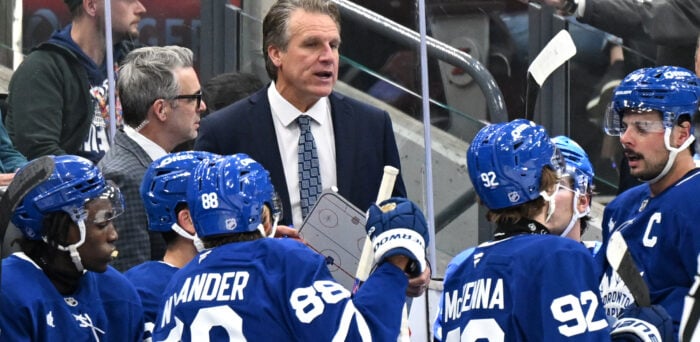
While Boudreau liked what Duhaime could bring, he was much less optimistic about Toronto’s chances of making the postseason. His biggest concern? The defence.
Boudreau believes the team’s blue line might not be good enough to survive a long season. Specifically, he questioned whether the defence can consistently move the puck effectively enough to get it to the forwards and create offence from the back end.
That criticism is worth watching because puck movement was actually one of the areas Toronto seemed determined to improve this summer. The additions of Emil Andrae and Darren Raddysh suggest the Maple Leafs wanted more mobility and better transition play. The forward additions also fit that idea, with players who can support a faster, cleaner breakout.

The challenge for Chayka is simple: did he actually fix the problem? If the Maple Leafs can get the puck out of their own zone quickly and spend more time attacking, Boudreau’s concerns may disappear quickly. But if Toronto struggles with turnovers, slow breakouts, and spending too much time defending, then this could become the team’s biggest weakness.
What’s Next for the Maple Leafs?
The interesting part about this offseason is that the team is no longer trying to be the same team they were before. They have changed the supporting cast, their style of play, and the expectations around what success looks like.
Now comes the difficult part: proving it works. Duhaime doesn’t have to become a star. Sergei Bobrovsky doesn’t have to be a Vezina-level goaltender every night. The new additions don’t have to be perfect. But collectively, they have to make the Maple Leafs harder to play against and better prepared for the kind of hockey that arrives in April.
The next season will tell us whether Chayka’s vision was the right one. The Maple Leafs have made their changes. Now they have to show those changes actually matter.
Free Newsletter
Get Toronto Maple Leafs coverage delivered to your inbox
In-depth analysis, breaking news, and insider takes - free.
Subscribe Free →