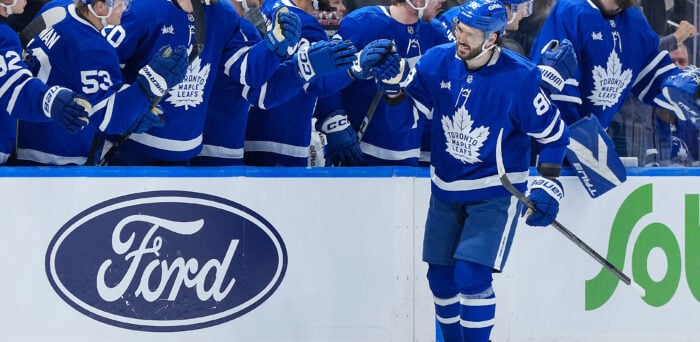
Nick Kypreos didn’t sugarcoat it. After the Toronto Maple Leafs fell 6–1 in Game 7 to the Florida Panthers, he joined Sportsnet Central and offered a blunt but honest postmortem: “The better hockey club won.” In his words, this wasn’t about one bad bounce, a missed call, or a single costly turnover. This was about being outplayed, outmuscled, and outclassed by a deeper, tougher, more cohesive hockey team.
And who’s to argue with Kypreos? From the get-go, the Panthers were the sharper, hungrier team, beating the Maple Leafs to every puck, winning nearly every battle, and breaking out of their zone at will. It was as if Florida had a jolt of espresso to Toronto’s decaf. They were relentless, structured, and completely in sync. The Maple Leafs, by contrast, never found their footing. Florida won faceoffs, clogged shooting lanes, and seemed to be everywhere at once. They wanted it more, and it showed in every shift. They are now moving onward toward the Stanley Cup.
A Clear Gap Between the Panthers and the Maple Leafs
Kypreos opened with a simple point: the Panthers were the bigger, stronger, and more structured team, and it showed over seven games. While the Maple Leafs may have had stretches of energy or desperation, Florida played a perfect or near-perfect game in Game 7, keeping things simple, sticking to their plan, and executing with precision. Their forecheck, he said, was relentless: “like a wet blanket,” constantly pinning the Maple Leafs in their own zone.
That kind of pressure doesn’t just lead to scoring chances. It wears a team down, mentally and physically. Toronto struggled to handle Florida’s layered attack and couldn’t establish anything close to sustained zone time. “One and done” was how Kypreos described the Maple Leafs’ offensive zone play — a single touch, a hopeful dump-in, and then the puck would be right back out as quickly as it went in.
Florida’s Identity Is Set. Toronto’s Is Not.
Kypreos credited head coach Paul Maurice for instilling a clear identity in his team. Whether they’re up by three or trailing late, Florida plays the same way — they keep coming at you. There’s no panic in their game, no second-guessing. And from the top of the lineup to the fourth line, every player understands their role and plays it with discipline and intensity.
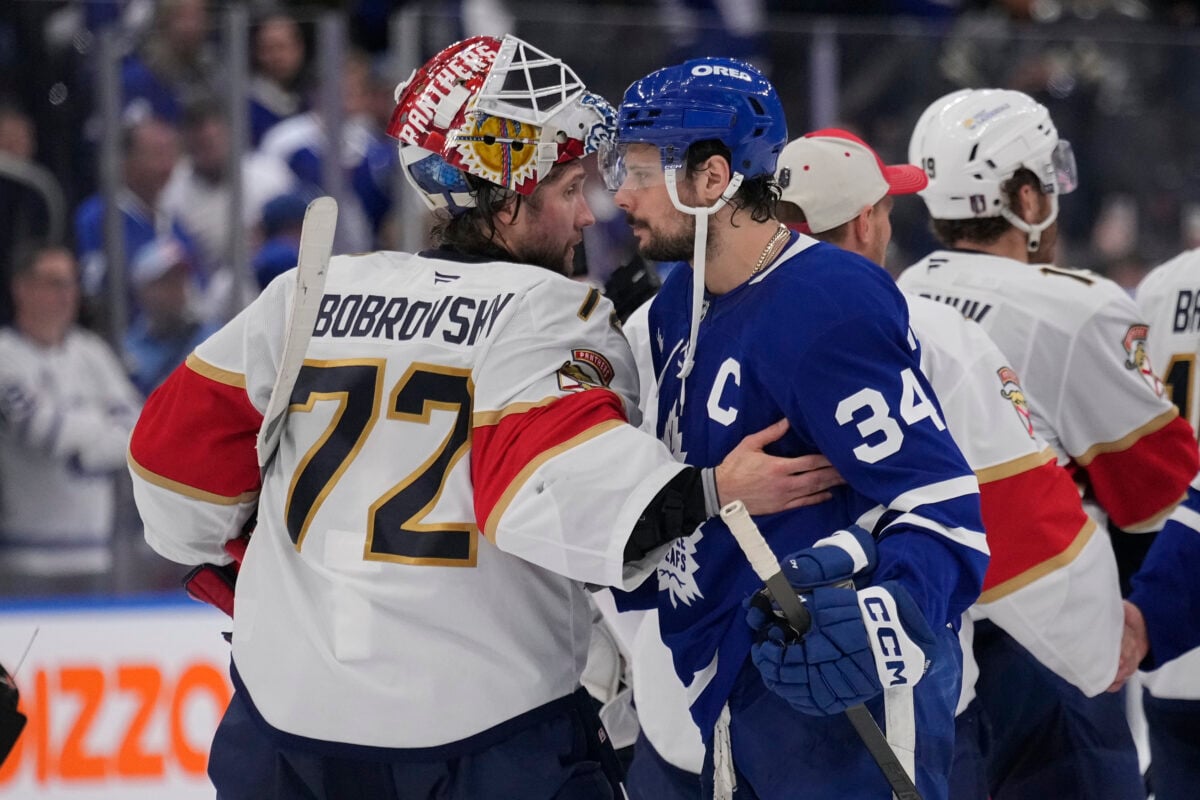
Compare that with the Maple Leafs, whose style remains in flux, even after several postseason appearances with this core group. They have talent, no question. But their high-end offence too often disappears when games get tight and physical. There was no consistent forecheck, little support on retrievals, and an inability to counter Florida’s pressure in transition.
The Weight of a Maple Leafs Decade (Well, Nine Years)
Kypreos also acknowledged the broader context — that this loss won’t be viewed in isolation. With Toronto’s Game 7 loss, the focus will once again turn to nine years of playoff disappointments. But before getting lost in that narrative, he asked fans to recognize what happened on the ice: Florida was better, in every meaningful area of the game.
Toronto’s stretch passing and hope plays weren’t enough against a team that thrives in tight-checking games. And when the pressure mounted in the second period, the Panthers didn’t let up. They just hit another gear, and the Maple Leafs had no answer.
What’s Next for Toronto?
It’s a fair question. This felt like a step backward for a team that’s spent years trying to push over the top. The Panthers exposed the Maple Leafs’ biggest flaws: lack of physicality, inability to respond under pressure, and a top-heavy roster that struggles to generate depth offence when it matters most. The team was better with new coach Craig Berube, but not better enough.

Toronto may need to redefine its identity to compete with teams like Florida, much like the Panthers did after their 2022 Presidents’ Trophy season ended in a sweep. That transformation came through hard choices, structural commitment, and a coach who demanded accountability.
They may remain stuck in this cycle until the Maple Leafs find their version of that — a game that works in April and May.
The verdict is clear for now: the better team is moving on.
Free Newsletter
Get Toronto Maple Leafs coverage delivered to your inbox
In-depth analysis, breaking news, and insider takes - free.
Subscribe Free →