- The Dec. 11 San Jose Sharks Game That Sparked This Thought
- North-South Hockey in Theory: Efficient, Direct, and Simple
- North-South Hockey Turned Low-Event With a Skilled Maple Leafs Roster
- Jacques Lemaire’s Minnesota Wild: Low-Event Hockey Fitted His Roster
- The Maple Leafs’ Talent Matters
- Do the Maple Leafs Believe in Themselves?
Tuesday night’s tribute to Toronto Maple Leafs announcer Joe Bowen made me think about how much of my hockey education has come from listening to Bowen and sidekick Jim Ralph call games on the radio. No highlights. No panels. Just Bowen and Ralph, bantering and calling the game, letting the pauses do some of the work. There’s a rhythm to it, a patience. You learn to hear the game in the silences as much as the goals.
The Dec. 11 San Jose Sharks Game That Sparked This Thought
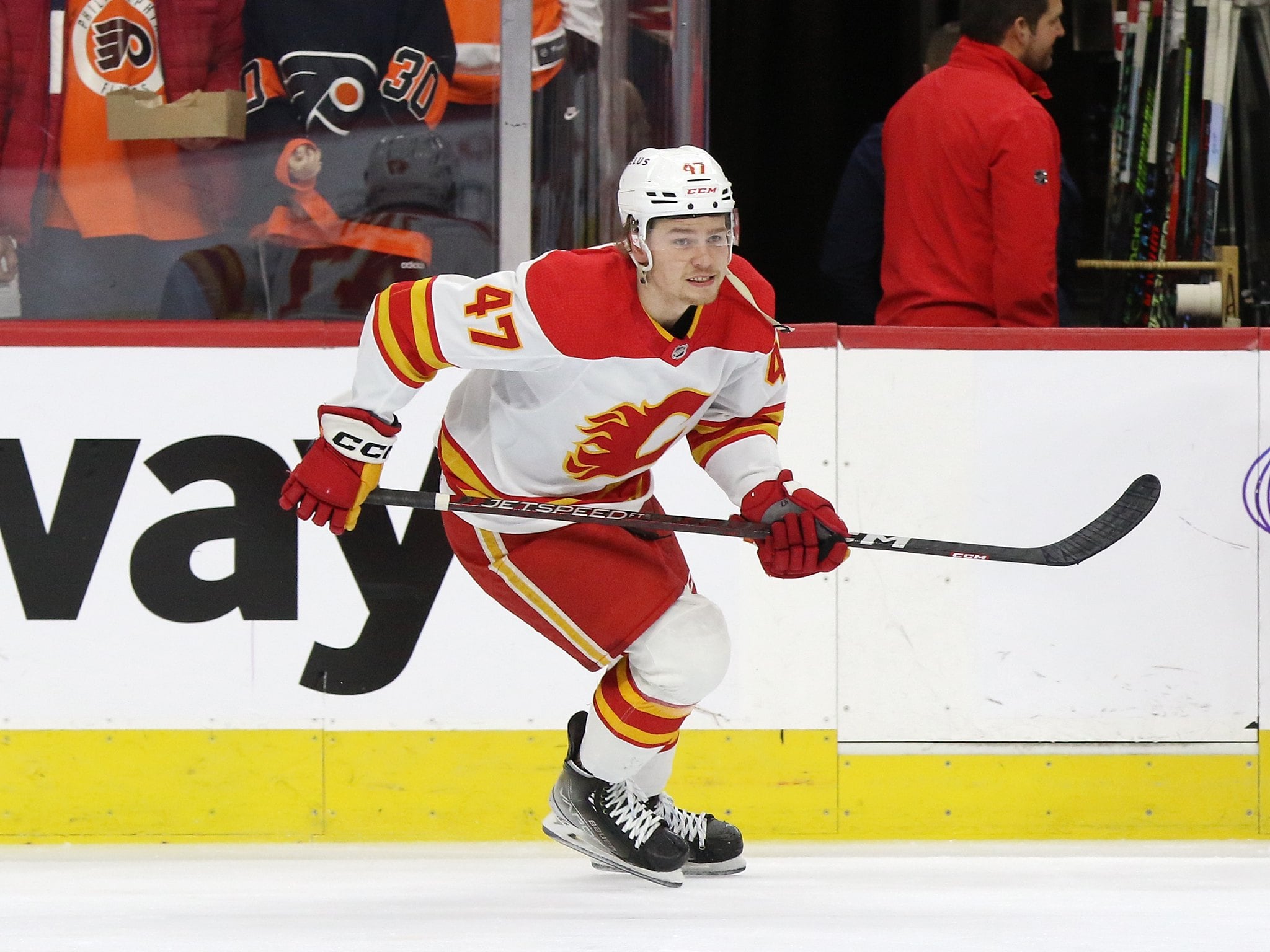
This post started during the second period of the Dec. 11 game against the San Jose Sharks. The Maple Leafs were up 2–0. Nothing much was happening on the ice. As I was listening, Ralph made an offhand comment that caught my attention. He said the person enjoying the way the Maple Leafs were playing was their coach, Craig Berube.
Related: 4 Takeaways From Maple Leafs’ 3-2 Win Over Blackhawks
He liked the low-event nature of the game. At the time, it didn’t sound controversial. It sounded observational. But it stuck in my head. Because a few minutes later, the Sharks pushed back. Three straight goals later, the game was over. And that quiet, controlled game the Maple Leafs were supposedly managing went the way of the dodo without much resistance.

(Photo by Kevin Sousa/NHLI via Getty Images)
What struck me most about that comment wasn’t the score. It was the philosophy it revealed. A muted, restrained, low-event style is what the Maple Leafs are being asked to aim for. And that raises a question that gets to the root of why the Maple Leafs are struggling this season: Why does a team built around Auston Matthews, William Nylander, and John Tavares want to play a style that turns down the volume on who they are?
North-South Hockey in Theory: Efficient, Direct, and Simple
I understand the theory behind north–south hockey. On paper, it’s logical. It’s direct. You get pucks deep, finish checks, shorten shifts, and limit mistakes. In theory, it shoves the puck straight down the other team’s throat and forces errors.
Related: Maple Leafs’ Clock Is Ticking on Matthews and Berube
On the whiteboard, it can feel like a high-event system. For teams that lack skill, it’s a lifeline. It shortens games. It protects margins. It keeps scorelines respectable while you wait for a chance to deliver a lucky bounce. In that context, a north–south game isn’t identity. It’s a life raft.
North-South Hockey Turned Low-Event With a Skilled Maple Leafs Roster
The trouble starts when the emphasis quietly shifts from pushing the game to avoiding mistakes. Players stop making reads and start guessing what won’t get them benched. Lanes that could be attacked get bypassed. Possession becomes relief instead of opportunity.
And before you know it, north–south hockey becomes low-event hockey. It’s not aggressive or imposing. It’s just careful. The game gets smaller. Pucks move safely instead of purposefully. Players stop pushing to see what’s there and start defaulting to what won’t get them in trouble. They chip pucks rather than carry them.

(Jess Starr/The Hockey Writers)
It doesn’t feel dramatic when it happens — it feels responsible. But over time, the opponent stops feeling pressure, and the team with the talent starts sounding like it’s playing with the volume turned down. The third period against the Edmonton Oilers on Saturday was a perfect example of how that worked against the Maple Leafs.
Jacques Lemaire’s Minnesota Wild: Low-Event Hockey Fitted His Roster
This isn’t new. When Jacques Lemaire coached the expansion Minnesota Wild from 2000–01 to 2008–09, he employed a low-event philosophy that fit the roster perfectly. It worked because the roster demanded it. Lemaire’s Wild didn’t have high-end skill. They weren’t built to trade chances or out-skill opponents.
Related: What Nylander and Matthews Reveal About the Maple Leafs
So Lemaire stripped the game down to rules, lanes, and patience. He wasn’t suppressing creativity because there wasn’t much to suppress. He was covering for what wasn’t there with something he believed was reliable for the team that he had. It was a philosophy he could trust his players to execute. That’s the difference: north–south hockey works when the system fits the roster.
The 2025–26 Maple Leafs are not the 2001–02 Wild.
The Maple Leafs’ Talent Matters
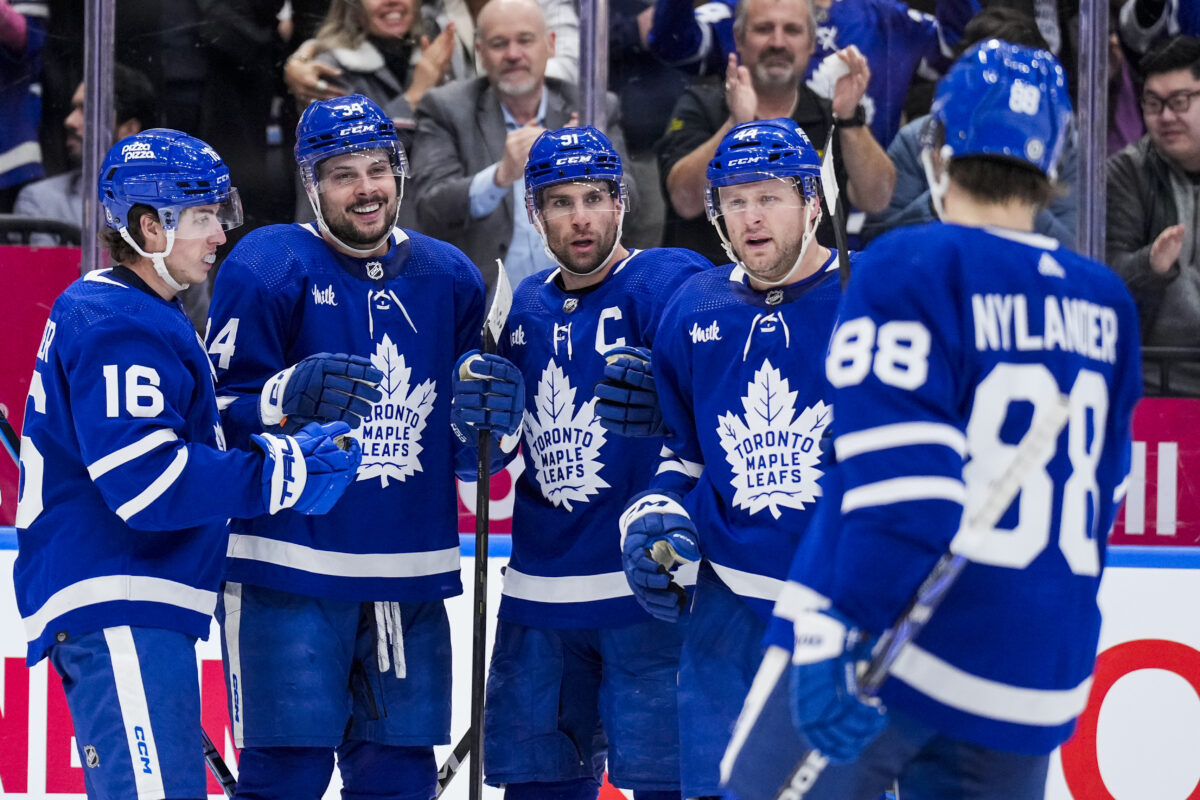
Low-event hockey stops working when talented players are asked to play against their instincts. Matthews, Nylander, Tavares — these are rhythm players. Improvisers. Artists of space and timing. They have high hockey IQs and the corresponding skills that help them thrive in chaos, in flow, and in reading the ice and reacting before anyone else.
Ask them to play cautious, low-event hockey, and you don’t get discipline. You get hesitation. You get a team that’s quieter than its talent allows. You take a violin and play it like a drum: technically competent, emotionally muted, and ignoring what it could already do.
(Photo by Kevin Sousa/NHLI via Getty Images)
The irony is that the Maple Leafs’ effort isn’t the problem here. The team works hard. They skate hard. They try to compete. But the system is asking them to suppress what made them effective in the first place. Low-event hockey, in this case, isn’t about teaching the team to defend better.
With this Maple Leafs team, it’s about controlling what the players do. And control, when it runs against instinct, becomes the enemy of skill.
Do the Maple Leafs Believe in Themselves?
That’s why Jim Ralph’s comment matters more than it sounded in the moment. Not because low-event hockey is inherently wrong, but because it exposes a choice. The Maple Leafs are asking their best players to play carefully, to suppress the instincts that built the roster. The game is still theirs to take, but only if they trust themselves to take it.
Related: Auston Matthews’ Fall-Off Is Forcing an Uncomfortable Conversation in Toronto
And when they do, like in the third period of last night’s game against the Chicago Blackhawks, they can come back from 2–0 to score three goals in seven minutes. That’s the kind of hockey this team can play when it trusts itself. Right now, the question hangs: do they believe in themselves, or are they just being careful not to lose?

Free Newsletter
Get Toronto Maple Leafs coverage delivered to your inbox
In-depth analysis, breaking news, and insider takes - free.
Subscribe Free →