If you look strictly at the NHL standings, the Dallas Stars appear to be comfortably cruising, sitting second in the league. But anyone watching the games knows the reality is far more volatile. Losing eight of their last ten games hasn’t just pumped the brakes on a strong season; it has thrown the passenger door open and threatened to toss the driver out.
General manager Jim Nill is known for his patience, often preferring a steady hand over reactionary moves. However, this recent skid has intensified the urgency. The Stars are firmly in “buyer” territory, but the roster has revealed specific, glaring holes that internal options simply aren’t plugging. Nill needs to be active, but he faces a complex board of chess pieces involving salary cap gymnastics, a shallow prospect pool, and a pivotal injury situation.
Here is a breakdown of how the Stars can navigate this slump and the primary targets that could stabilize the ship.
The Priority: Stabilizing the Right Side
The most obvious deficiency in Dallas right now is on the blue line—specifically, the right side. While Miro Heiskanen and Esa Lindell continue to anchor the defense effectively, the pairing situation for 24-year-old Thomas Harley has become a problem. Harley has struggled to find his footing at five-on-five when tethered to depth options like Ilya Lyubushkin or Nils Lundkvist. To unlock Harley’s ceiling for a playoff run, Nill needs to find him a legitimate top-four partner.

The Logical Fit: Rasmus Andersson
The name circulating most heavily is Calgary Flames defenseman Rasmus Andersson. At 29, Andersson fits the mold perfectly: a right-handed shot who plays a heavy game and can provide the stability Harley needs. He isn’t just a body; he is viewed as a high-end talent willing to block shots and play the hard minutes.
There are also negotiating factors that work in Dallas’ favor. Andersson reportedly views Dallas as a desirable landing spot, thanks in part to the lack of state income tax—a major plus for a player eyeing his next contract extension. Furthermore, Calgary is motivated to move him before the impending roster freeze for the Olympics to mitigate injury risk.
Related – NHL Rumors: Andersson Trade Near, Hronek Buzz, Oilers Goalie Update
However, the acquisition cost is the hurdle. The asking price is steep, rumored to be two first-round picks or an equivalent value package. This is tricky for Nill, as Dallas has already moved their 2026 first-rounder. A deal would likely require their 2027 first-round pick (likely top-5 protected), a mid-round sweetener, and a blue-chip prospect like defenseman Lian Bichsel or forward Cameron Schmidt. Nill has to decide if the immediate relief Andersson brings is worth mortgaging the few premium future assets the organization has left.
The “Swing for the Fences”: Dougie Hamilton
If Nill wants to get creative, the conversation shifts to the New Jersey Devils’ Dougie Hamilton. This is less of a standard hockey trade and more of a financial high-wire act—what some are calling a “MacGyver Trade.”
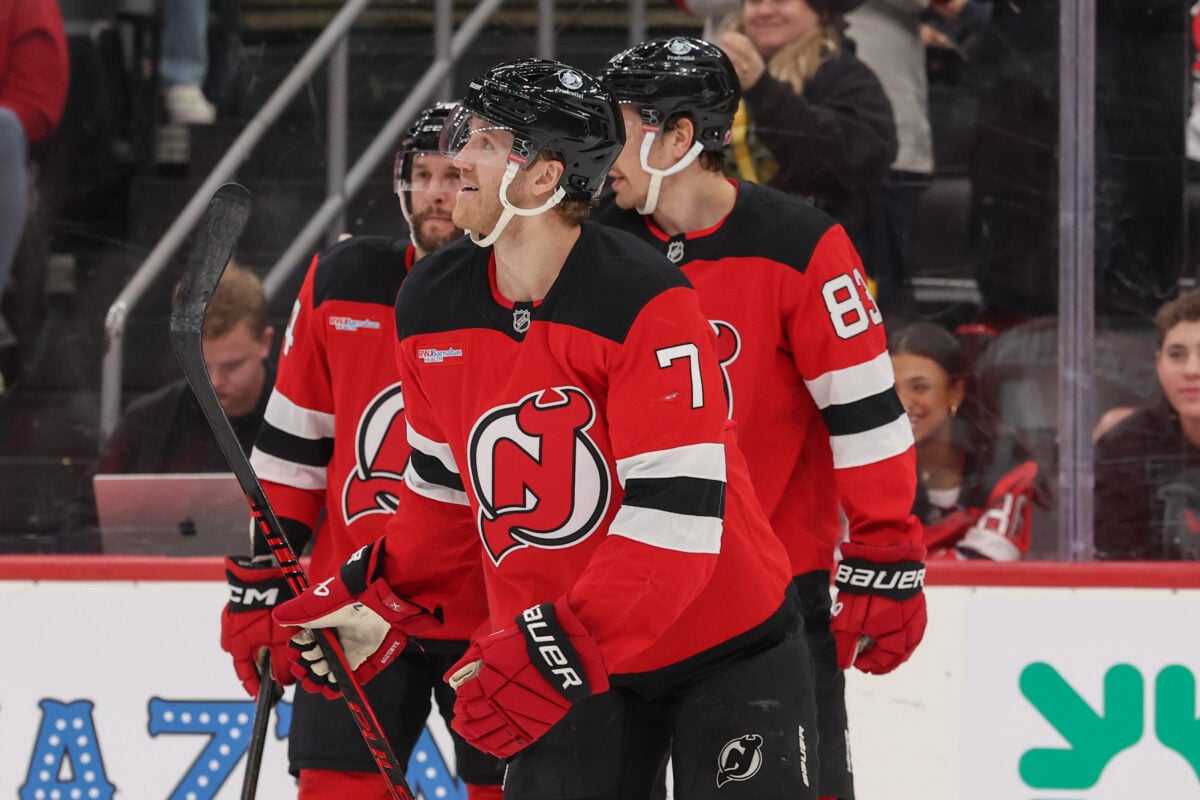
Hamilton brings elite offensive capability from the back end, which would be a welcome supplement if forwards like Jason Robertson or Mikko Rantanen go cold. But the logistics are daunting. Hamilton carries a massive $9 million cap hit and has a 10-team trade list. For this to work, the Devils would likely need to retain salary, and Dallas would have to view Hamilton strictly as a rental. The plan would be to flip him in the offseason to clear the decks for Jason Robertson’s upcoming contract extension. Analysts currently give this only about a 30% chance of happening due to the sheer complexity and risk involved.
The Safe Bet: Connor Murphy
A safer, albeit less dynamic, alternative remains the Chicago Blackhawks’ Connor Murphy. He lacks the offensive punch of Hamilton or the all-around impact of Andersson, but he provides a conservative, veteran presence that wouldn’t cost the farm.
Injecting Adrenaline Up Front
While the defense is the priority, the recent skid has also highlighted a lack of energy in the middle-six forward group. The Stars look flat, and they need a jolt of physicality.
The Physical Force: Kiefer Sherwood
The Vancouver Canucks’ Kiefer Sherwood has emerged as a primary target, and for good reason. He is what you call a “needle-mover” regarding physical play. Sherwood sits second in the NHL with 210 hits and has been one of the league’s most consistent physical presences for four seasons. He isn’t an offensive black hole, either—he’s pacing for a 40-point season with 17 goals in 44 games.
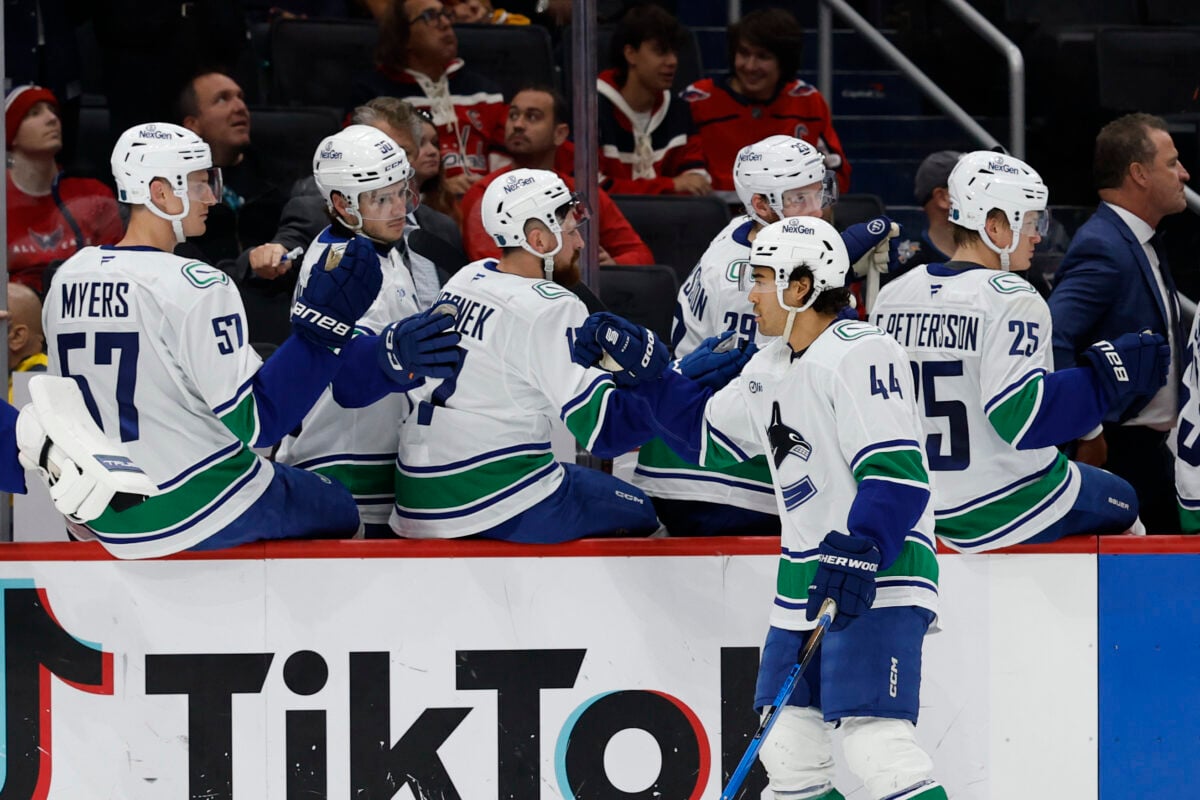
With the Canucks in “fire sale” mode, Sherwood is available. The catch? He is currently week-to-week with a minor injury, which complicates the timeline. The price would likely be a second-round pick, though Vancouver might posture for a first.
The Hometown Reunion: Blake Coleman
Always a fan favorite in rumor mills, Plano native Blake Coleman of the Calgary Flames is another option. He brings championship pedigree and two-way responsibility. However, unlike Sherwood, Coleman isn’t a rental. He is under contract through the 2026-27 season at $4.9 million. Taking on that term is dangerous for Dallas; multi-year money on a bottom-six forward could severely handcuff the team when it comes time to re-sign Robertson. He’s also day-to-day right now with an upper-body injury.
The Cap Space and The “Seguin Factor”
Ultimately, every move Nill considers is dictated by the salary cap, which is currently in a state of flux.
Related – Jason Robertson Rumours Don’t Make Sense for Maple Leafs
Right now, Dallas has roughly $3.3 million in cap space. However, the situation with Tyler Seguin is the variable that could change everything. Seguin is currently out with a torn ACL. If he is ruled out through the playoffs and placed on season-ending long-term injured reserve (LTIR) after the Olympic break, that cap space number could triple.
That financial flexibility would allow Nill to be aggressive, but he is still limited by his wallet of assets. The Stars have a shallow prospect pool and have already traded away their first-round picks for 2026 and 2028. This leaves the 2027 first-rounder and prospects like Bichsel and Schmidt as the only real currency for a major upgrade.
The next few weeks will define the season. Nill has the motivation and potentially the money, but he has to spend his limited assets wisely to stop the slide before the playoffs begin.
AI tools were used to support the creation or distribution of this content, however, it has been carefully edited and fact-checked by a member of The Hockey Writers editorial team. For more information on our use of AI, please visit our Editorial Standards page.
