We are now just days away from the start of the highly anticipated 4 Nations Face-Off – the first NHL best-on-best competition in nearly a decade. With the United States’ recent international success, especially at the World Juniors (WJC), it is vital for Canada to reassert their dominance on such a massive stage.
However, just like the WJC, their roster construction has been questionable at best. With superstars like Connor McDavid, Sidney Crosby, Nathan Mackinnon and Cale Makar in the fold, it may not matter. But if Canada isn’t able to win gold, there will be a lot of blame to go around.
Related: Guide to the 2025 4 Nations Face-Off
Canada’s Questionable Decisions
At the WJC, there were several snubs who could’ve helped Canada avoid a disastrous quarterfinal round elimination. Andrew Cristall, Michael Misa, Beckett Sennecke and Zayne Parekh have combined for a whopping 317 points in 166 games in the Canadian Hockey League (CHL), yet were all left off the roster for players with clearly worse numbers.
Overthinking has been part of Canada’s DNA at some international tournaments, especially at the last couple renditions of the WJC. For some reason, they seek to fill their bottom-six with role players as opposed to taking the best possible talent. After the 2025 WJC, coach Dave Cameron stubbornly expressed he had “no regrets”.
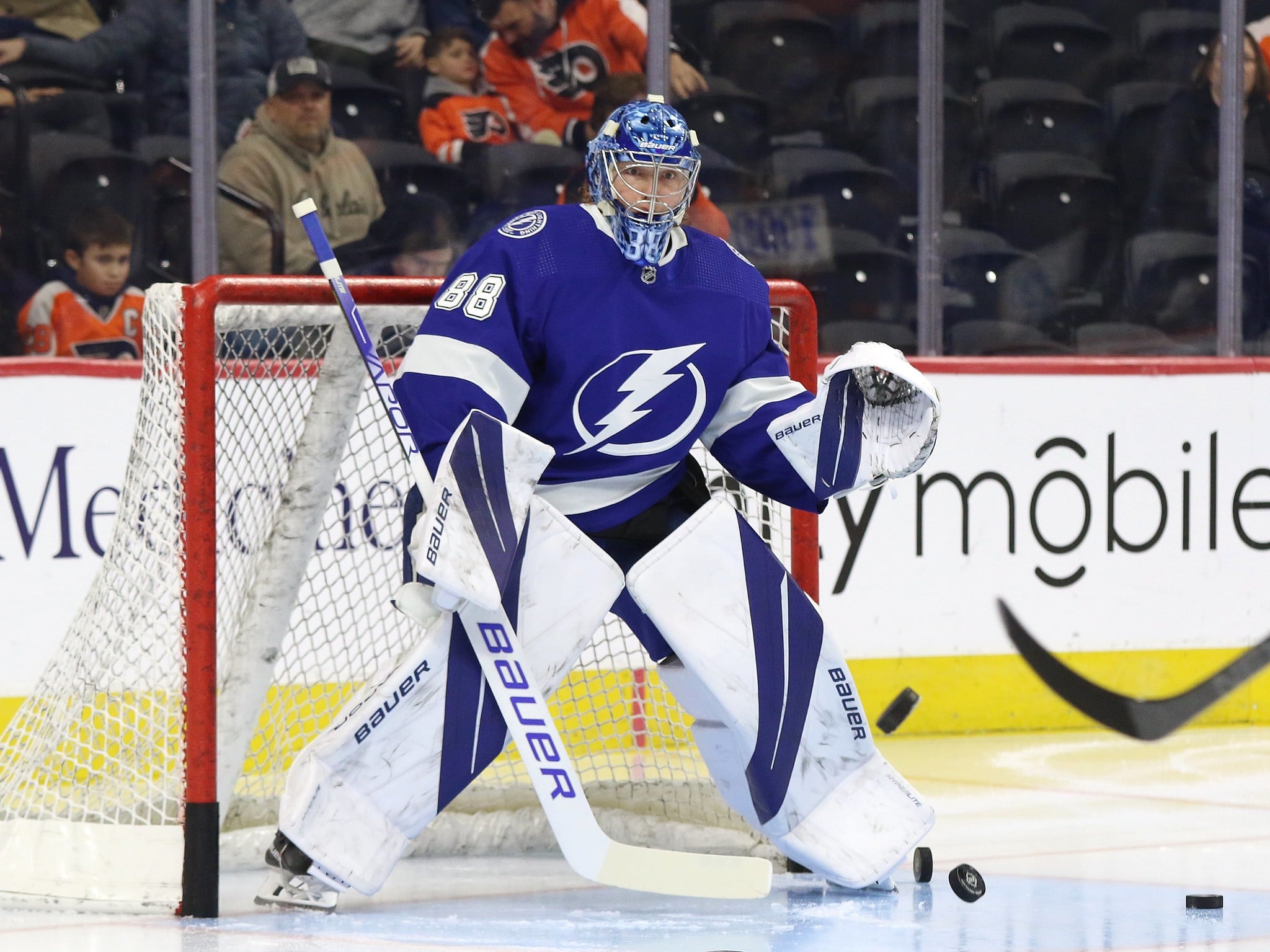
Similarly, Canada has made some rather interesting decisions for 4 Nations. It’s pretty clear that Canada’s weakness is their goaltending. But they interestingly opted to leave off Logan Thompson and Darcy Kuemper, the two clear-cut best goalies on paper. Thompson currently boasts a 2.18 goals against average (GAA) with an elite .923 save percentage (SV%). Kuemper has a 2.19 GAA and .918 SV%.
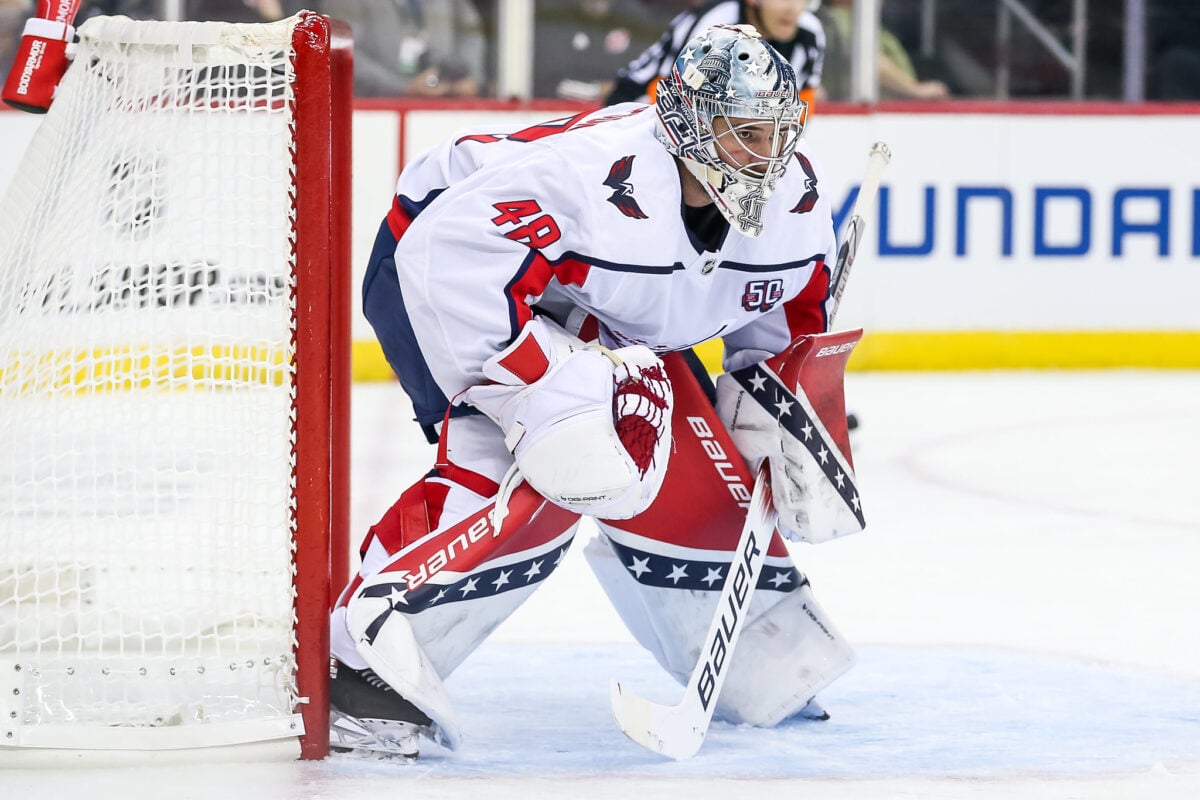
Instead, they opted for Adin Hill (2.69 GAA, .900 SV%), Jordan Binnington (2.83 GAA, .899 SV%) and Sam Montembeault (2.99 GAA, .898 SV%) – the 10th, 11th and 13th Canadian goalies based on SV%, respectively. (min. 15 games played)
On Sportsnet’s Real Kyper & Bourne show, former New York Rangers goalie and analyst Steve Valiquette said, “I don’t think (Bruce) Cassidy and (Peter) DeBoer were going to have it (…) They didn’t have a great experience with (Thompson) in Vegas. There were times they wanted him to play, and he wasn’t available. I know a little bit about what happened there, and I can’t get into it. It was never gonna happen,”
Cassidy and DeBoer are two of four assistant coaches for Canada. One could argue that Thompson would be more important to Canada’s success than both of their coaching combined. Furthermore, that still doesn’t explain Kuemper’s omission, or even guys like Mackenzie Blackwood, Marc-Andre Fleury or Cam Talbot who clearly have much better numbers.
They deserve some benefit of the doubt because these decisions were made two months ago, but guys like Kuemper and Thompson were tearing it up then, too. And frankly, it’s a little disrespectful to not bring Canadian legend Fleury aboard when every rostered goalie has worse numbers than him.
While the goaltending is the most egregious, there are a few other questionable decisions. Winnipeg Jets’ forward Mark Scheifele is on pace for 46 goals and 91 points this season, yet was left off. Granted, a good chunk of that has been thanks to a late surge, but he certainly had a case to make the team over guys like Seth Jarvis, Anthony Cirelli or Sam Bennett, who are all significantly less than point-per-game players.
In fact, since rosters were selected, seven of the 15 leading Canadian scorers are not on the team. And the same could be said for defense, too. Travis Sanheim of the Philadelphia Flyers has just 25 points in 55 games, along with a minus-7 rating. There are plenty of lefty defensemen who have better offensive and defensive metrics, both underlying and standard.
In such a short tournament, the slightest misstep in roster construction could ruin everything. Thankfully for Canada, they still have the most talented roster on paper. But the same was said for the WJC, too, and we know how that ended…
Free Newsletter
Get 4 Nations Face-off coverage delivered to your inbox
In-depth analysis, breaking news, and insider takes - free.
Subscribe Free →