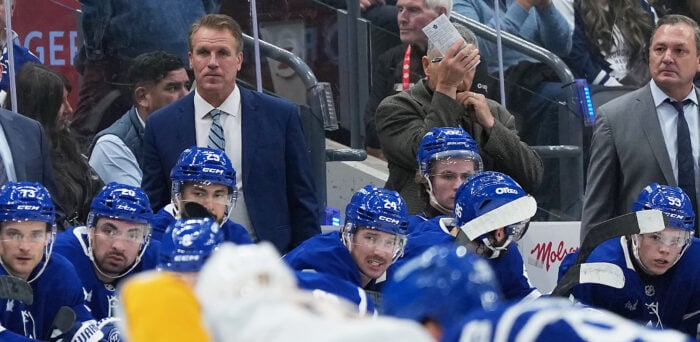
Assembling a winning team is becoming increasingly challenging for the Toronto Maple Leafs. Between rising taxes, the high cost of living, and all the noise that comes with playing in Toronto, the team is facing a unique challenge: how do they keep elite players happy when it might be easier—and more profitable—for them to play elsewhere?
Toronto isn’t just another hockey city. The pressure is real. The media’s always watching. Every shift gets picked apart. And for players, that can be draining. Add in financial factors, such as Canada’s tax rates, and suddenly, money stops being the biggest motivator. Once a player’s making $8–$9 million a year, things like lifestyle, family comfort, and locker room chemistry start to matter just as much.
The Maple Leafs can’t simply offer big contracts and expect elite players to stay. They need to build something players want to be part of. The two key questions are: What do players want, and how can the organization build it?
In Recent Maple Leafs History, O’Reilly Left and Domi Stayed.
Ryan O’Reilly was brought in at the 2023 Trade Deadline, giving the Maple Leafs the veteran presence they needed—and helped break that brutal playoff drought. He fit the team, he played well, and Toronto wanted him back. But when free agency hit, O’Reilly chose the Nashville Predators.

It wasn’t about chasing a Stanley Cup for O’Reilly. Nashville isn’t exactly an odds-on favourite. But it made sense for his family. The pace is slower, the spotlight’s dimmer, and the pressure is lighter. Sometimes, that’s enough.
Toronto responded by signing Tyler Bertuzzi and Max Domi to one-year deals. Bertuzzi used the season to bet on himself. For him, it was a quick stop on the way to something else. Domi took a different path. Max leaned into the city and the team’s history. Sure, the family legacy helped—his dad, Tie, is still a legend here.
But Max had options. He didn’t have to stay. He chose to. That matters.
Making Toronto Feel Like Home
For some players, playing in Toronto is a dream. For others, it’s an adjustment. The city’s big, the taxes sting, and every move on and off the ice gets scrutinized. It’s not for everyone.
But here’s the thing: hockey players aren’t just athletes. They’re people with families, routines, and kids in school. If the organization can make life smoother—helping their spouses settle in, supporting their kids, and giving them space to breathe—they’re way more likely to stick around.

(Photo by Dave Sandford/NHLI via Getty Images)
For some players, it’s not just about what happens on the ice—it’s about whether the city truly feels like home. Can they see themselves here for the long haul? Can their families? When they’re away on long road trips, do they know their loved ones are safe, supported, and cared for?
A settled, happy home life makes it easier for players to give their best at the rink, and that starts with an organization that invests in people, not just contracts. When players feel their families matter as much as their performance, and when those families reflect that same sense of belonging, that’s when a city becomes more than just where they play—it becomes home ice for life.
In Toronto, Building Culture Isn’t Optional
Culture can sound like a buzzword, but it’s everything. In Toronto, it matters more than most places. You can’t fake a healthy room. Players know when leadership is solid—and when it’s not. They know if they’re being supported or just managed. And that vibe trickles down fast.

(Amy Irvin / The Hockey Writers)
O’Reilly’s departure was a reminder: even the most driven, high-character players will move on if the fit isn’t there. You have to earn buy-in, day after day. That comes from trust, good communication, and leaders who care as much about people as they do about points.
Culture Helps Manage the Salary Cap, Too
Hockey, at its core, is a business. It’s crucial not to forget the business side. When players believe in what you’re building, they’re more open to reasonable deals. You’re not constantly locked in bidding wars or overpaying to keep players happy. That flexibility matters. It helps you hold onto key pieces, reward emerging talent, and keep the group together without overspending. Innovative cap management starts with players who want to be here.
For the Maple Leafs, it’s not just about locking up stars or chasing the biggest names in free agency. It’s about creating a place where players want to stick around—on the ice and in their daily lives. Do that, and you’re not just assembling a roster. You’re forming a team culture. One with identity, loyalty, and staying power. One where players don’t just show up for the paycheck—they show up because they care.
Toronto Will Never Be an Easy Place to Play, But It Can Be Rewarding
Toronto will always come with heat. The fans are passionate, the media doesn’t miss a beat, and the expectations never drop. But if the Maple Leafs get the culture right—if they can make players feel like they belong—then they’ll have something more valuable than any trade deadline splash or summer signing.
They’ll have a core that’s built to last.
[Note: I’d like to thank Brent Bradford (PhD) for his help co-authoring this post. His profile can be found at www.linkedin.com/in/brent-bradford-phd-3a10022a9]
Free Newsletter
Get Toronto Maple Leafs coverage delivered to your inbox
In-depth analysis, breaking news, and insider takes - free.
Subscribe Free →